
Thermal Pad Solutions for Rail Transit Thermal Management Systems
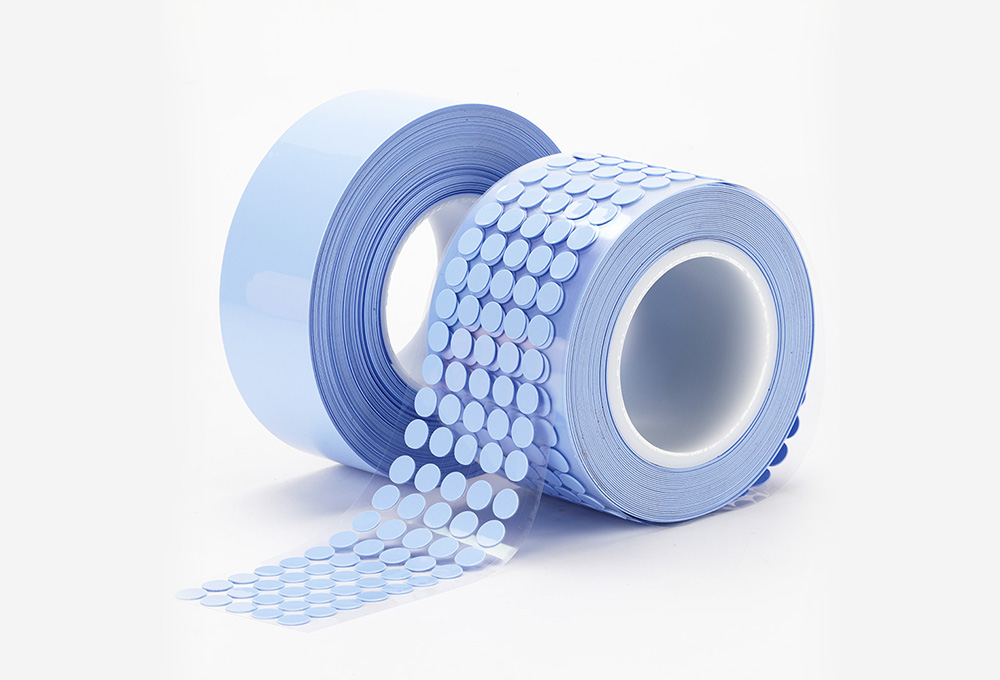
Engineering Applications of Thermal Pad in Rail Transit Systems
As rail transit systems continue evolving toward higher speeds, increased power density, and intelligent control, thermal management has become a critical aspect of system reliability and safety. From an engineering perspective, the selection of thermal interface materials (TIMs) plays a decisive role in ensuring long-term operational stability. Among these materials, the thermal pad has emerged as a reliable and efficient solution widely used in modern rail applications.
Thermal Management Challenges in Rail Transit
Rail systems—including high-speed trains, metro networks, and light rail—integrate a large number of power electronics such as IGBT modules, DC-DC converters, and control units. These components generate significant heat during continuous operation. Without effective heat dissipation, the following risks may arise:
- Elevated component temperatures leading to performance degradation or failure
- Reduced system reliability and increased maintenance costs
- Potential safety hazards affecting overall train operation
To address these challenges, engineers must design efficient thermal paths. The thermal pad plays a vital role in minimizing thermal resistance at interfaces and improving heat transfer efficiency.
Typical Application Areas of Thermal Pad
Based on practical engineering experience, the thermal pad is commonly applied in the following areas:
1. Between Power Modules and Heat Sinks
In traction inverters, IGBT modules generate concentrated heat. A thermal pad fills microscopic air gaps between the module and the heat sink, significantly reducing contact thermal resistance.
2. DC-DC Power Modules
Within onboard power systems, the thermal pad is used between internal components and enclosures to enhance heat dissipation and maintain stable electrical performance.
3. Control Boards and Metal Enclosures
Control units are typically housed in sealed metal enclosures. A thermal pad establishes an effective heat conduction path while providing electrical insulation and mechanical cushioning.
4. Communication and Signaling Equipment
In signaling systems, the thermal pad not only improves thermal performance but also absorbs vibration, ensuring stable operation under dynamic conditions.
Key Performance Parameters of Thermal Pad
When selecting a thermal pad, engineers focus on several critical parameters:
- Thermal Conductivity: Typically ranges from 1.0 to 12 W/m·K
- Thickness Options: Commonly 0.5 mm to 5 mm for flexible design adaptation
- Hardness (Shore OO): Softer materials improve surface conformity
- Operating Temperature Range: Usually -40°C to 200°C
- Electrical Insulation: High volume resistivity for safety compliance
These parameters directly influence the effectiveness and reliability of the thermal pad in real-world applications.
Engineering Considerations for Material Selection
In rail transit projects, the following principles are typically applied when selecting a thermal pad:
- Balance thermal conductivity with long-term reliability
- Select appropriate thickness based on mechanical tolerances
- Ensure strong aging resistance for extended service life
- Meet industry standards for flame retardancy and environmental compliance
SF500 Silicone Thermal Pad: A Proven Engineering Solution
In recent projects, engineers have increasingly adopted the SF500 silicone thermal pad , which demonstrates stable and reliable performance in demanding rail environments.
This thermal pad offers several engineering advantages:
1. High Thermal Conductivity
The SF500 thermal pad efficiently transfers heat from critical components to heat sinks, reducing operating temperatures.
2. Excellent Conformability
Its soft and compressible structure allows the thermal pad to fill micro-gaps, minimizing interface resistance.
3. Wide Operating Temperature Range
The thermal pad maintains stable performance under both extreme cold and high-temperature conditions.
4. Electrical Insulation
With strong dielectric properties, the thermal pad ensures safe operation in high-voltage environments.
5. Vibration Damping Capability
The thermal pad also acts as a cushioning material, protecting components from mechanical stress during train operation.
Case Study: Thermal Optimization in Metro Systems
In a metro traction control project, the original thermal design resulted in localized overheating. By integrating the SF500 thermal pad:
- Component temperatures were reduced by approximately 8–12°C
- System stability improved significantly
- Failure rates decreased over long-term operation
This case highlights how a properly selected thermal pad can enhance both performance and reliability.
Future Trends in Thermal Pad Development
As rail systems continue advancing, the demand for high-performance thermal pad solutions will increase. Key development trends include:
- Higher thermal conductivity materials
- Thinner and lighter designs
- Compatibility with automated assembly processes
- Improved durability and environmental sustainability
Conclusion
From an engineering standpoint, the thermal pad is not merely an auxiliary material but a critical component of thermal management systems in rail transit. Proper selection and application can significantly improve equipment safety, efficiency, and longevity.
The SF500 silicone thermal pad has proven to be a dependable solution in demanding rail applications, offering a balance of performance, reliability, and adaptability. As thermal challenges continue to grow, the role of the thermal pad will become increasingly important in shaping the future of rail transit technology.
High Performance Thermal Pad for Server Cooling Applications
High Performance Thermal Pad for Energy Storage Systems
Related Article