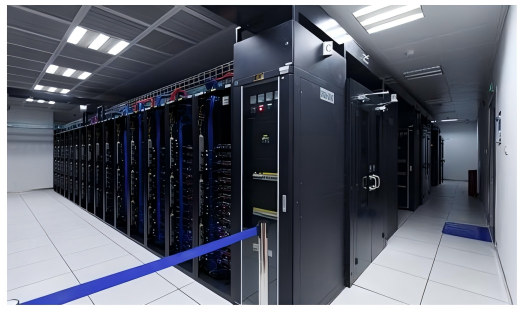
Silicone Foam for Energy Storage Battery Systems
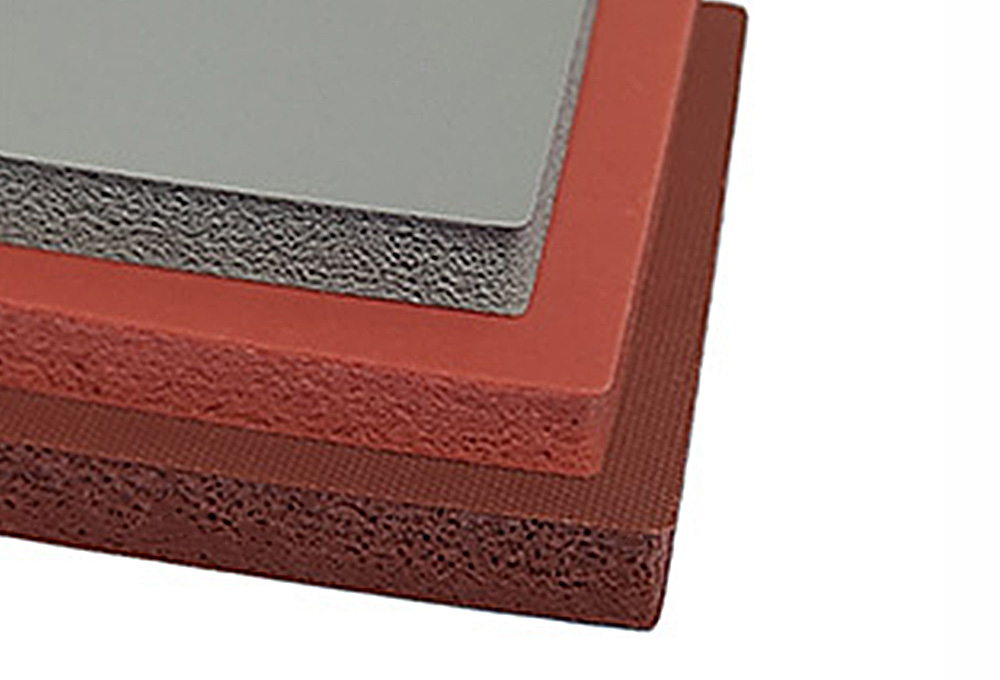
Engineering Perspective: The Role of Silicone Foam in Energy Storage Battery Systems
As the U.S. market accelerates its transition toward renewable energy, electric vehicles, and grid-scale storage, the performance and safety of energy storage battery systems have become mission-critical. Engineers are under increasing pressure to design systems that operate reliably across demanding environmental and mechanical conditions. Among the materials supporting this evolution, silicone foam has emerged as a highly effective solution for structural integrity, thermal management, and environmental protection.
From an engineering standpoint, material selection is never incidental. Each component within a battery module must meet strict mechanical, thermal, and durability requirements over the entire lifecycle of the system. In this context, silicone foam plays a strategic — rather than auxiliary — role in modern battery architecture.
Understanding Silicone Foam as an Engineered Material
Silicone foam is a closed- or semi-closed-cell elastomeric material produced through a controlled foaming process of silicone rubber. Compared to traditional polyurethane or EPDM foams, silicone foam offers superior stability under extreme temperatures, chemical exposure, and long-term compression.
Key engineering properties include:
- Wide operating temperature range (typically -60°C to above 200°C)
- Excellent compression set resistance
- Long-term aging stability
- Consistent elasticity under dynamic load
- Resistance to moisture, UV exposure, and corrosive environments
These characteristics make silicone foam particularly suitable for demanding battery applications where performance consistency over years of service is essential.
Primary Applications of Silicone Foam in Energy Storage Systems
1. Cell Cushioning and Mechanical Isolation
Battery modules experience continuous vibration during transportation, installation, and operation. Mechanical stress accumulation can compromise cell integrity and reduce overall system life. Properly specified silicone foam functions as a controlled-compression cushioning layer between cells and structural frames.
From a mechanical engineering perspective, silicone foam:
- Absorbs vibration and impact energy
- Maintains consistent contact pressure between cells
- Reduces stress concentration at critical interfaces
- Minimizes the risk of mechanical fatigue over time
Low-density silicone foam is particularly effective in applications requiring weight reduction without sacrificing elastic recovery or dimensional stability.
2. Thermal Interface and Heat Distribution
Thermal management is central to battery safety and performance. Uneven heat distribution accelerates degradation and may contribute to thermal runaway scenarios. Silicone foam, when engineered with appropriate thermal conductivity, functions as a compliant thermal interface material (TIM).
Benefits include:
- Reduced interfacial thermal resistance
- Improved conformity to uneven surfaces
- Stable performance under repeated thermal cycling
- Compatibility with aluminum housings and cooling plates
Unlike conventional foams that may degrade at elevated temperatures, silicone foam maintains structural and thermal consistency, supporting long-term reliability in both stationary storage and EV battery systems.
3. Sealing and Environmental Protection
Outdoor battery enclosures must achieve high ingress protection (IP) ratings to withstand moisture, dust, and environmental contaminants. Silicone foam is widely used as a gasketing and sealing material in battery pack assemblies.
Its advantages include:
- Superior weather resistance
- Low water absorption
- Stable sealing performance under compression
- Durability in UV and high-humidity conditions
For grid-scale storage installations exposed to harsh climates across North America, silicone foam contributes significantly to enclosure longevity and system uptime.
Safety Considerations and Thermal Event Mitigation
Battery safety design requires multi-layered protection strategies. While silicone foam is not a primary fire barrier, its inherent high-temperature resistance and structural resilience provide meaningful safety benefits.
During abnormal thermal events:
- Silicone foam resists rapid material breakdown
- It helps maintain mechanical separation between cells
- Its structure may slow localized heat propagation
Compared to many organic foams, silicone-based materials exhibit improved thermal stability, supporting engineered safety margins within battery module design.
Material Selection Criteria for Engineers
Selecting the appropriate silicone foam requires a data-driven evaluation process. Engineers should assess:
- Density – Influences compression behavior and weight optimization
- Compression set – Determines long-term elastic recovery
- Thermal conductivity – Critical for heat transfer performance
- Flame resistance – Supports regulatory compliance
- Chemical compatibility – Ensures stability near electrolytes and metals
Close collaboration between battery designers and material suppliers ensures that the selected silicone foam grade aligns with system-level performance requirements.
Low-Density Silicone Foam Solutions for Battery Applications
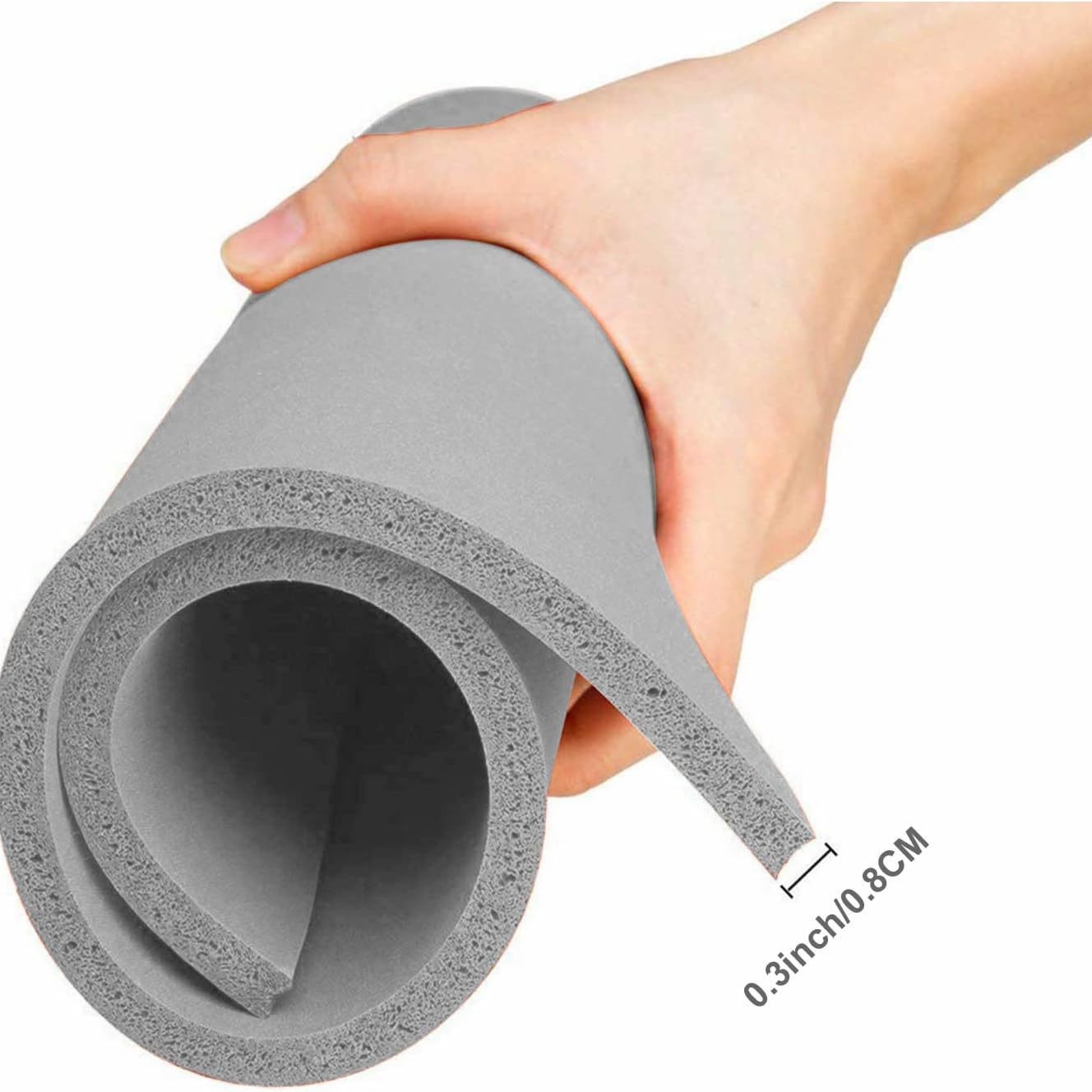
To address the evolving needs of energy storage manufacturers, we provide engineered low density silicone foam solutions optimized for cushioning, sealing, and thermal interface performance. Our material platform is specifically developed to support next-generation battery systems in both mobile and stationary applications.
Key performance advantages include:
- Optimized cell structure for consistent compression control
- Lightweight design without sacrificing mechanical integrity
- Stable performance across wide temperature fluctuations
- Enhanced durability in long-term outdoor exposure
Our silicone foam products are manufactured under strict quality control protocols to ensure batch-to-batch consistency and predictable engineering performance. Detailed technical specifications are available at:
https://www.itousen.com/low-density-silicone-foam.html
Field Application Insight
In a recent modular energy storage deployment, customized silicone foam components were integrated for cell isolation, thermal interface contact, and enclosure sealing. Validation testing demonstrated:
- Improved vibration endurance performance
- Reduced temperature differentials across modules
- Enhanced environmental sealing effectiveness
These measurable improvements underscore the material’s value in supporting system-level optimization rather than serving as a secondary accessory.
Conclusion
As battery energy storage systems continue to scale in capacity and complexity, materials engineering becomes increasingly critical. Silicone foam has proven to be a versatile and high-performance solution for cushioning, thermal management, and environmental sealing within battery modules.
From an engineering perspective, the correct integration of silicone foam contributes directly to system reliability, safety margins, and lifecycle durability. When specified and validated appropriately, it supports the long-term performance demands of today’s rapidly expanding energy storage market.
Thermal Pad Solutions for Battery Thermal Management
Silicone Foam Solutions for EV Battery Pack Engineering
Related Article