
Silicone Foam Solutions for EV Battery Pack Engineering
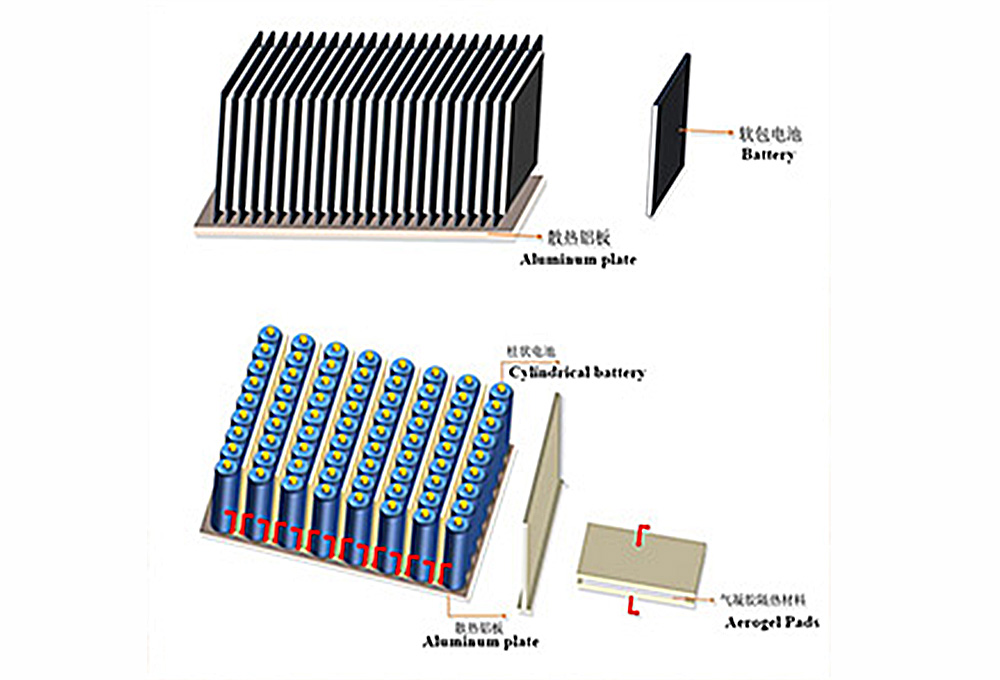
Engineering Analysis: The Role of Silicone Foam in EV Battery Pack Systems
As electric vehicle (EV) adoption accelerates across North America, battery system reliability, thermal stability, and safety compliance have become primary engineering priorities. Within the battery pack architecture, material selection plays a decisive role in long-term durability and performance. Among advanced elastomeric materials, silicone foam has emerged as a highly effective solution for addressing mechanical protection, thermal management, electrical insulation, and environmental sealing requirements.
From an engineering standpoint, silicone foam is not simply a cushioning material—it is a multifunctional component that contributes directly to system safety, structural integrity, and regulatory compliance in EV battery pack design.
Understanding Silicone Foam as an Engineering Material
Silicone foam is a closed- or semi-closed-cell elastomeric material produced through controlled foaming of silicone polymers. Its molecular backbone provides exceptional stability across wide temperature ranges while maintaining flexibility and resilience.
Key engineering properties include:
- Wide operating temperature range (high thermal resistance)
- Low density with consistent compression set performance
- Excellent dielectric strength and electrical insulation
- Long-term resistance to UV, ozone, and chemical exposure
- Superior aging resistance compared to conventional polymer foams
These characteristics make silicone foam particularly suitable for EV battery environments where heat, vibration, and electrical safety converge.
Why EV Battery Packs Require Silicone Foam
1. Vibration Damping and Mechanical Protection
Battery modules are subjected to continuous vibration, shock loads, and road-induced mechanical stress. Without adequate isolation, these forces can compromise cell connections and structural fasteners.
Properly specified silicone foam functions as a vibration isolation layer, absorbing kinetic energy while maintaining dimensional stability. Its elastic recovery properties allow it to withstand repeated compression cycles without permanent deformation, which is critical for long vehicle lifecycles.
2. Thermal Stability and Heat Mitigation
EV battery systems operate under high thermal loads, particularly during fast charging and aggressive discharge cycles. Materials used within the enclosure must tolerate elevated temperatures without degradation.
Silicone foam maintains structural integrity at high temperatures and can be integrated alongside thermal interface materials (TIMs) to support heat dissipation strategies. In certain configurations, it also acts as a thermal barrier, helping to compartmentalize heat in the event of localized cell failure.
3. Electrical Insulation and Safety Compliance
High-voltage battery packs require materials with reliable dielectric properties. Inadequate insulation increases the risk of short circuits and system failure.
Due to its inherent electrical insulation characteristics, silicone foam is widely used between modules, busbars, and enclosure interfaces to enhance electrical isolation while maintaining mechanical flexibility.
4. Environmental Sealing and Durability
Battery packs must meet strict IP rating standards for protection against water, dust, and environmental contaminants. Gasketing and gap-filling materials must remain resilient over years of thermal cycling.
With its resistance to moisture, UV exposure, and chemical attack, silicone foam provides long-term sealing performance in demanding automotive environments.
Design Considerations for Engineers
Successful implementation of silicone foam in battery pack systems requires careful engineering evaluation rather than simple material substitution.
- Density Selection: Lower-density materials reduce system weight while offering moderate cushioning. Higher-density grades provide greater load-bearing capacity and structural reinforcement.
- Compression Set Performance: Engineers must evaluate long-term compression behavior to prevent loss of sealing force.
- Thermal Compatibility: Integration with adjacent heat management components should be validated through thermal cycling tests.
- Flame Resistance and Regulatory Compliance: Materials should meet relevant automotive and battery safety standards.
Optimizing silicone foam performance requires balancing mechanical, thermal, and electrical requirements within the broader battery system architecture.
Application Areas Within EV Battery Packs
- Cell-to-cell cushioning layers
- Module edge protection
- Compression pads for structural support
- Gasketing at enclosure interfaces
- Electrical insulation barriers
- Thermal isolation partitions
In each of these scenarios, silicone foam contributes not only to component protection but also to overall system reliability and safety.
Low Density Silicone Foam for Advanced EV Applications
For engineers seeking lightweight yet durable material solutions, low-density variants of silicone foam offer an effective balance between weight reduction and mechanical resilience.
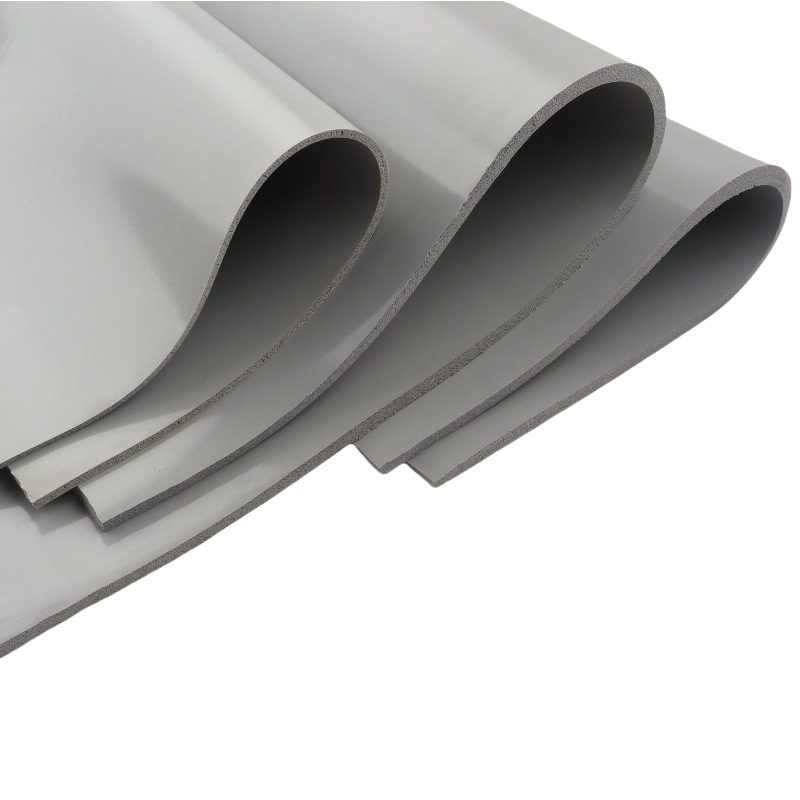
ITousen’s low-density silicone foam solution is specifically engineered for applications requiring controlled compression, dimensional consistency, and high-temperature endurance. The material features uniform cell structure, stable mechanical performance, and customization flexibility to support diverse battery pack designs.
Product details are available at:
https://www.itousen.com/low-density-silicone-foam.html
Conclusion
As EV battery systems continue to evolve toward higher energy density and stricter safety standards, material engineering becomes increasingly critical. Silicone foam provides a technically sound, field-proven solution that addresses vibration control, insulation, thermal stability, and environmental sealing within a single material platform.
From an engineering perspective, selecting high-quality silicone foam is not merely a material choice—it is a strategic design decision that directly influences battery longevity, vehicle safety, and regulatory performance.
Careful specification, testing, and integration of silicone foam will remain essential as the EV industry advances toward more demanding operational benchmarks.
Silicone Foam for Energy Storage Battery Systems
Thermal Pad Solutions for Home Appliances-Engineering Insight
Related Article