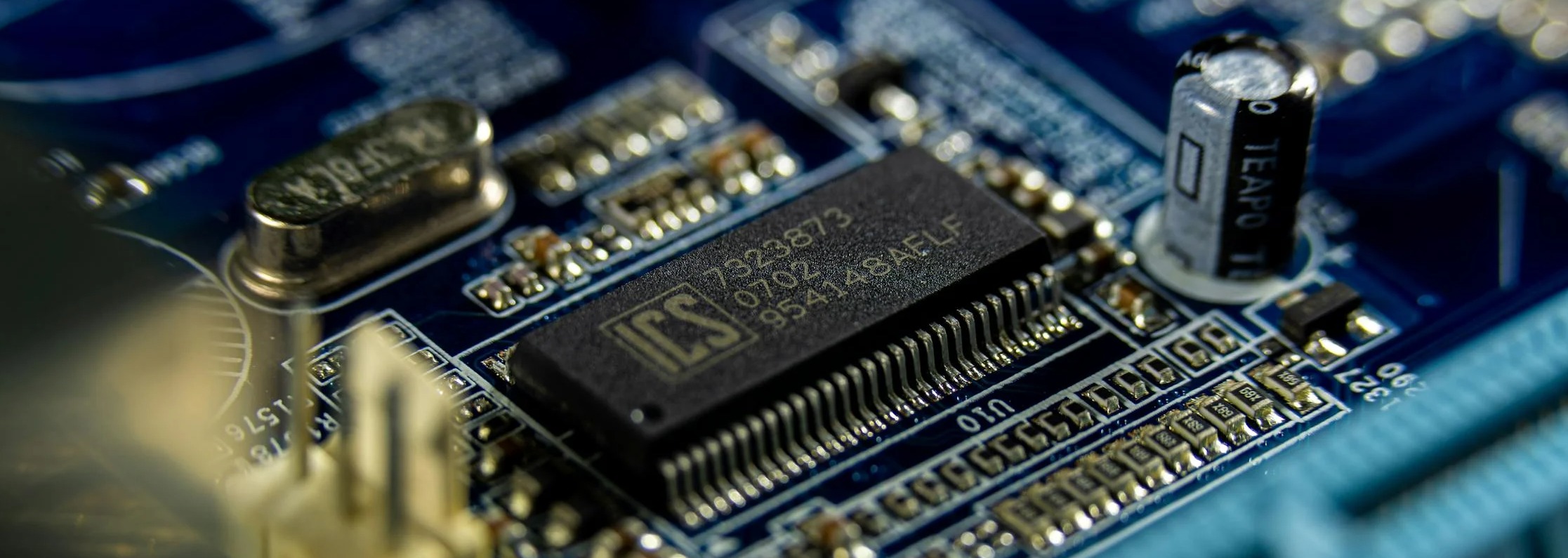
Silicone Thermal Pads for Energy Storage Cabinet Cooling
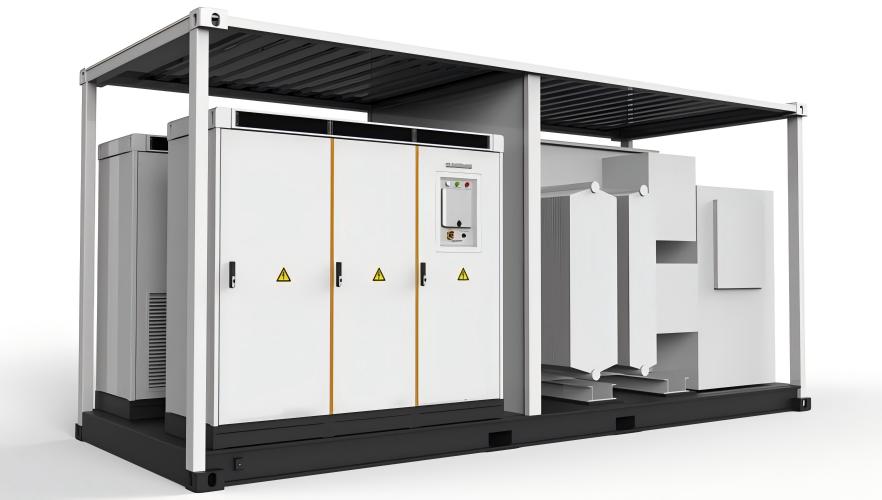
Silicone Thermal Pads for Energy Storage Cabinets: An Engineering Guide to Reliable Thermal Management
As renewable energy deployment expands, energy storage cabinets are becoming increasingly important in commercial, industrial, and grid-scale power systems. These cabinets integrate battery modules, power conversion equipment, battery management systems, and electrical control components into compact enclosures. During charging, discharging, and power conversion, these components generate heat that must be managed effectively to maintain operating stability and service life.
For equipment designers, energy storage system thermal management involves more than selecting a cooling fan or liquid cooling unit. Heat must also travel efficiently from individual components to the designated cooling structure. A properly specified silicone thermal pad can help bridge surface gaps, reduce interfacial thermal resistance, and provide electrical insulation where required. This article examines the engineering considerations involved in selecting and integrating thermal pads into energy storage cabinets.
1. Why Thermal Management Matters in Energy Storage Cabinets
Battery cells produce heat because of internal resistance and electrochemical processes. Additional heat is generated by power semiconductor devices, inductors, transformers, and other electrical components. When heat accumulates unevenly, temperature differences can develop between cells, modules, and electronic assemblies.
Excessive operating temperatures may accelerate battery aging, reduce available performance, and increase the demands placed on the cooling system. Temperature nonuniformity can also contribute to differences in cell degradation and complicate battery management.
Effective battery thermal management therefore requires a coordinated design that considers heat generation, heat transfer paths, cooling capacity, airflow or coolant distribution, and temperature monitoring. Thermal interface materials support this system by improving contact between heat-generating components and heat-dissipation structures.
In practical applications, the thermal path may extend from a power device to a heat spreader, from a battery module to a cooling plate, or from a control component to a metal enclosure. Whenever two surfaces have microscopic irregularities or a defined assembly gap, trapped air can increase thermal resistance. A compliant thermal pad helps fill these gaps and establish a more effective heat-transfer interface.
2. How Silicone Thermal Pads Work in Energy Storage Cabinets
A silicone thermal pad is a preformed thermal interface material designed to conduct heat while accommodating surface irregularities and dimensional tolerances. Unlike a rigid metal interface, a soft thermal pad can deform under an appropriate assembly load, increasing effective contact with the mating surfaces.
Its main functions in an energy storage cabinet include the following:
2.1 Improving Heat Transfer
When a thermal pad is installed between a heat-generating component and a cooling surface, it replaces much of the insulating air that would otherwise remain in the interface. This can reduce contact-related thermal resistance and improve heat transfer to the cooling structure.
The actual improvement depends on thermal conductivity, pad thickness, contact pressure, surface flatness, and the thermal resistance of the complete assembly. A higher conductivity rating alone does not guarantee better system performance.
2.2 Accommodating Assembly Tolerances
Energy storage cabinets contain components with different dimensions, mounting positions, and surface finishes. Manufacturing tolerances can create gaps between power modules, heat sinks, cold plates, and enclosures.
A compressible silicone thermal pad can accommodate these variations within its specified compression range. Correct thickness and hardness selection help maintain contact without applying excessive mechanical force to circuit boards, component packages, or cooling plates.
2.3 Providing Electrical Insulation
Many energy storage assemblies operate at elevated voltages. Where a thermal interface is positioned between an energized component and a conductive heat sink, electrical insulation may be essential.
Thermally conductive silicone pads are available in electrically insulating formulations. Engineers should verify dielectric strength, insulation resistance, material thickness, and applicable safety requirements for the intended assembly. The pad must not be treated as a substitute for the system's required electrical clearances, creepage distances, or protective insulation design.
3. Typical Applications in Energy Storage Cabinets
3.1 Battery Modules and Cooling Plates
Battery modules may be designed around cylindrical, prismatic, or pouch cells. Depending on the architecture, thermal interface materials can be used between module structures and designated heat-transfer components.
For these interfaces, engineers must first determine whether a conventional thermal pad is suitable for the mechanical arrangement. Required properties include compressibility, thickness uniformity, long-term dimensional stability, and compatibility with the selected cooling structure. In direct cell-to-cold-plate designs, material qualification must also account for the battery manufacturer's mechanical and safety requirements.
3.2 Battery Management System Electronics
The battery management system monitors cell conditions and controls important protection functions. Its circuit boards may contain processors, monitoring ICs, MOSFETs, communication devices, and power components that generate localized heat.
A silicone thermal pad can be positioned between suitable heat-generating components and a metal chassis or dedicated heat spreader. Custom die-cut pads can help avoid connectors and other sensitive components while providing repeatable placement during assembly.
3.3 Power Conversion and Distribution Units
Inverters, DC-DC converters, and power distribution assemblies may contain MOSFETs, IGBTs, rectifiers, and other semiconductor devices. These components can produce substantial local heat under high-current operating conditions.
When the package design permits, a thermal pad can bridge the interface between the semiconductor package and its heat sink. Engineers should evaluate conductivity, thickness, compression force, dielectric performance, and thermal impedance under representative mounting pressure. Thin, flat interfaces may require a different thermal interface material, depending on the surface geometry and performance target.
3.4 Communication and Control Electronics
Industrial communication boards, auxiliary power supplies, and monitoring units also require stable thermal conditions. Thermal pads can support heat transfer from selected components to internal metal structures, helping reduce localized temperature rises and improve the consistency of thermal design.
4. How to Select the Right Thermal Pad
Choosing a thermal pad for an energy storage cabinet should be based on measurable design requirements rather than conductivity alone.
Thermal Conductivity and Interface Resistance
Thermal conductivity, expressed in W/(m·K), describes a material's ability to conduct heat. However, the thermal resistance of the installed interface also depends on thickness, contact conditions, and compression. Engineers should compare test data obtained using relevant methods and evaluate the complete thermal path.
Thickness and Compression
A pad that is too thin may not fill the interface gap, while an excessively thick pad can increase thermal resistance and create unnecessary mechanical stress. The specified thickness should account for the actual gap, component tolerances, and permitted compression ratio.
Compression force must also be checked against the mechanical limits of the component package, printed circuit board, and mounting structure.
Temperature Resistance and Long-Term Reliability
Energy storage cabinets may experience repeated temperature cycles and prolonged operating periods. Engineers should review the material's operating-temperature range, compression set, aging behavior, and resistance to environmental exposure. Validation under representative conditions is necessary before production approval.
Electrical and Fire-Safety Requirements
Depending on the application, dielectric strength, volume resistivity, and flame classification may be important selection criteria. Confirm the actual test reports and applicable certifications for the chosen material grade. Requirements vary according to cabinet architecture, voltage level, installation environment, and relevant product standards.
5. ITousen Silicone Thermal Pads for Energy Storage Applications
For manufacturers developing battery cabinets, power conversion units, and auxiliary control systems, ITousen offers a range of silicone thermal pads for different thermal and mechanical interface requirements.
Explore the product range here: ITousen Silicone Thermal Pads.
The SF Series product information lists thermal conductivity options from 1.5 to 15.0 W/(m·K), with thickness options ranging from 0.15 to 15.0 mm across the series. The product range also includes soft, compressible materials, customized die-cut shapes, and electrically insulating formulations. Certain grades specify UL 94 V-0 flame classification; suitability and certification should be confirmed for the particular grade selected.
These options allow engineers to evaluate different interface requirements within an energy storage cabinet. Lower-conductivity grades may be appropriate for moderate heat loads or less demanding interfaces, while higher-conductivity grades can be considered for components with greater heat-transfer requirements. Final selection must be supported by component-level thermal analysis and assembly testing.
For example, a custom-cut pad may be designed to fit between a power semiconductor and its heat sink, while a different thickness or hardness may be required for a control board connected to a metal enclosure. Specifying the appropriate material for each interface helps avoid applying a single solution to components with different thermal and mechanical needs.
6. Installation and Validation Recommendations
Even a high-quality silicone thermal pad cannot compensate for an unsuitable mechanical design. Before mass production, engineers should confirm the following points:
- Measure the actual interface gap and account for dimensional tolerances.
- Verify pad thickness, hardness, compression ratio, and mounting force.
- Ensure that contact surfaces are clean and free from particles or contamination.
- Check pad alignment and confirm that the material does not interfere with connectors or electrical clearances.
- Measure component temperatures under representative charge, discharge, and power-conversion loads.
- Conduct thermal cycling, aging, vibration, and electrical insulation tests as required by the application.
Testing should cover realistic operating conditions, including expected ambient temperatures, cooling-system performance, and relevant fault or overload scenarios. Thermal interface materials are only one part of the overall safety strategy; battery protection, temperature monitoring, cooling controls, and system-level safety engineering remain essential.
Conclusion
Reliable energy storage cabinet design requires coordinated control of heat generation, heat transfer, electrical insulation, and mechanical tolerances. A properly selected silicone thermal pad can improve contact between components and cooling structures, accommodate assembly gaps, and support consistent thermal performance in battery management electronics and power conversion equipment.
For engineers evaluating energy storage system thermal management, the most effective approach is to define the interface requirements first, compare material data under relevant test conditions, and validate the complete assembly. ITousen's silicone thermal pad portfolio provides a range of conductivity grades, thicknesses, and customization options to support application-specific development.
To review available materials and discuss suitable specifications for your project, visit the ITousen Silicone Thermal Pads product page.
Silicone Thermal Pads for Electronic Component Cooling
Related Article