
Thermal Pad Solutions for Industrial Mining Equipment Cooling
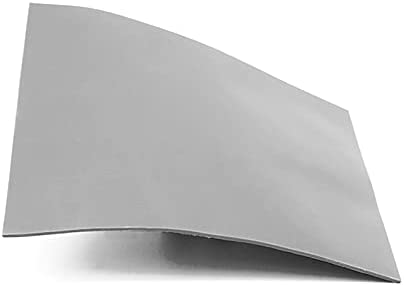
Thermal Pad Solutions for Mining Exploration Equipment: An Engineering Perspective on Industrial Heat Management
Modern mining exploration equipment increasingly relies on high-performance electronic systems. Technologies such as geological radar, underground monitoring systems, wireless communication modules, and real-time data acquisition platforms have become essential tools for modern exploration operations.
However, these systems often operate under harsh environmental conditions including high temperature, humidity, dust exposure, and continuous mechanical vibration. Under such conditions, effective thermal management becomes a critical factor in ensuring equipment reliability and long-term operational stability.
Among the many thermal management materials available today, the thermal pad has become one of the most widely adopted thermal interface materials (TIMs) in industrial electronics. A properly selected thermal interface pad can significantly improve heat transfer between electronic components and cooling structures, thereby enhancing system reliability.
This article presents an objective engineering overview of how thermal pad solutions are applied in mining exploration equipment and discusses the practical advantages of silicone thermal pad materials in demanding industrial environments.
Thermal Management Challenges in Mining Exploration Equipment
Mining exploration systems are typically deployed in remote or underground environments where equipment must operate continuously for extended periods. These environments present several thermal management challenges:
- Wide operating temperature ranges
- High humidity and airborne dust
- Mechanical vibration and shock
- Limited space for conventional cooling systems
Within these systems, several electronic components generate significant heat during operation, including:
- Industrial CPUs and embedded controllers
- Power conversion modules
- High-speed data acquisition systems
- Wireless communication modules
- Sensor processing electronics
When heat is not effectively dissipated, elevated junction temperatures can reduce performance, accelerate component aging, and potentially lead to system failure. One of the most common causes of inefficient heat transfer is the presence of microscopic air gaps between electronic components and heat sinks.
Because air has extremely low thermal conductivity, engineers typically install a thermal interface pad between the heat source and the cooling structure. This approach significantly reduces interface thermal resistance.
How a Thermal Pad Improves Heat Transfer
A thermal pad is a pre-formed thermal interface material designed to fill microscopic surface irregularities between electronic components and heat sinks. Most industrial-grade pads are based on silicone matrices filled with thermally conductive ceramic particles.
These materials are commonly referred to as silicone thermal pads and are widely used across industrial electronics due to their flexibility and stable thermal properties.
Gap Filling Capability
Electronic components and metal heat sinks are rarely perfectly flat. A thermal interface pad compresses under pressure, filling surface irregularities and eliminating insulating air pockets.
Improved Thermal Conductivity
Once compressed between two surfaces, the thermal pad forms a continuous thermal conduction path, allowing heat to transfer efficiently from the component to the heat sink.
Electrical Insulation
Most silicone thermal pad materials provide excellent electrical insulation, which is critical in high-density electronic assemblies.
Mechanical Shock Absorption
In mining equipment where vibration is common, a compliant thermal pad can also provide mechanical cushioning that helps protect sensitive components.
Typical Applications of Thermal Pads in Mining Equipment
Engineers commonly integrate thermal pad materials into several subsystems within mining exploration equipment.
Control Module Cooling
Embedded processors and FPGA controllers generate considerable heat during continuous operation. Installing a thermal interface pad between the processor package and heat sink improves cooling efficiency.
Power Module Heat Dissipation
Power components such as MOSFETs and DC-DC converters often represent the primary heat sources in industrial equipment. A properly selected silicone thermal pad helps transfer heat away from these components efficiently.
Data Acquisition Systems
Exploration equipment frequently processes large volumes of geological data. High-speed signal processing hardware benefits from improved thermal stability provided by a reliable thermal pad.
Communication Modules
Wireless transmitters can produce substantial heat during high-power operation. A thermal interface pad ensures consistent heat dissipation in compact radio modules.
Key Performance Parameters for Industrial Thermal Pads
When selecting a thermal pad for mining exploration equipment, engineers typically evaluate several critical material parameters.
Thermal Conductivity
Thermal conductivity is measured in W/m·K and determines how efficiently heat can be transferred through the material. Industrial applications commonly use thermal interface pads with conductivities ranging from 1 W/m·K to more than 12 W/m·K.
Compressibility
A high-quality silicone thermal pad must compress easily to fill uneven surfaces while maintaining structural integrity.
Operating Temperature Range
Industrial-grade thermal pad materials are typically designed to operate reliably within temperature ranges from approximately -50°C to over 200°C.
Long-Term Reliability
Mining exploration equipment may operate continuously for many years, making material stability and aging resistance essential characteristics.
Selecting a Reliable Thermal Pad Manufacturer
Choosing a qualified thermal pad manufacturer is essential for achieving consistent thermal performance in industrial applications. High-quality materials provide not only strong thermal conductivity but also long-term reliability under harsh environmental conditions.
Industrial-grade silicone thermal pad products from iTOSEN are designed for demanding electronic cooling applications. These thermal interface pad solutions offer:
- Multiple thermal conductivity options
- Various thickness configurations
- Excellent electrical insulation
- High compressibility and surface conformity
- Stable performance for industrial electronics
More product information can be found here:
Silicone Thermal Pad Solutions – iTOSEN

In practical engineering applications, these materials help minimize thermal resistance between heat sources and cooling structures, ultimately improving system stability and equipment lifespan.
Future Trends in Thermal Interface Pad Technology
As mining equipment and industrial electronics continue to evolve toward higher power density and increased functionality, the performance requirements for thermal management materials will also increase.
Future innovations from leading thermal pad manufacturers are expected to focus on:
- Higher thermal conductivity materials
- Lower interface thermal resistance
- Improved material flexibility
- Enhanced environmental durability
With the advancement of intelligent mining technologies and automated exploration systems, thermal interface pad materials will remain a critical component in ensuring safe and reliable electronic operation.
Conclusion
Effective thermal management is a fundamental requirement for maintaining the reliability of mining exploration equipment. By eliminating air gaps and improving heat transfer efficiency, the thermal pad has become an indispensable solution in industrial electronic design.
When combined with careful system engineering and high-quality silicone thermal pad materials from an experienced thermal pad manufacturer, these solutions can significantly enhance equipment performance and long-term reliability in demanding industrial environments.
Thermal Pad Solutions for Thermal Management in Rail Transit Electronics
Thermal Pad Engineering Guide for Server Cooling Systems
Related Article