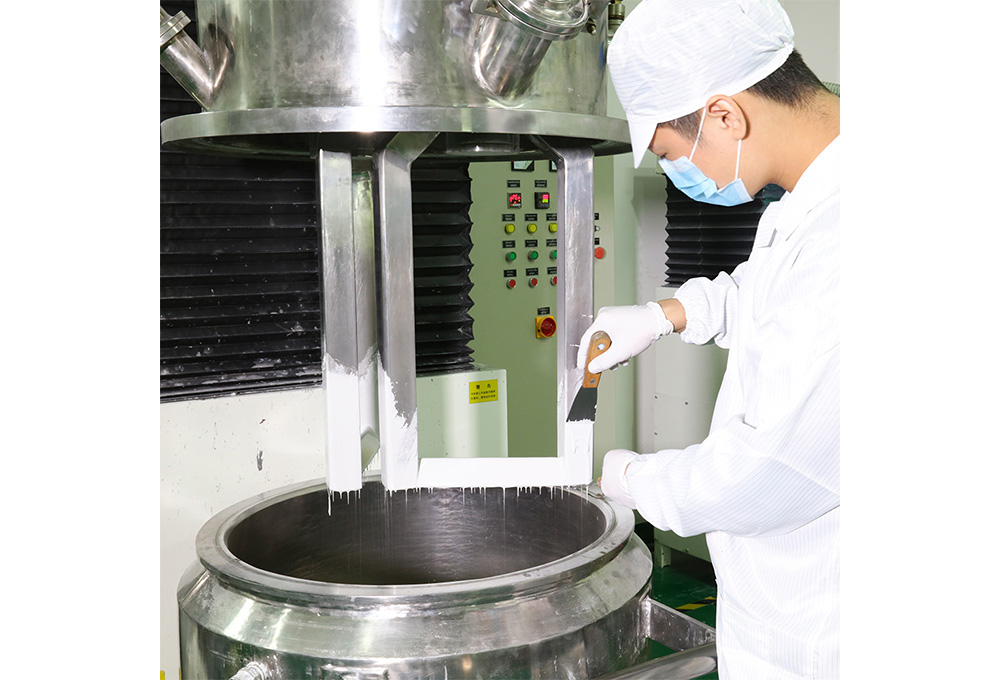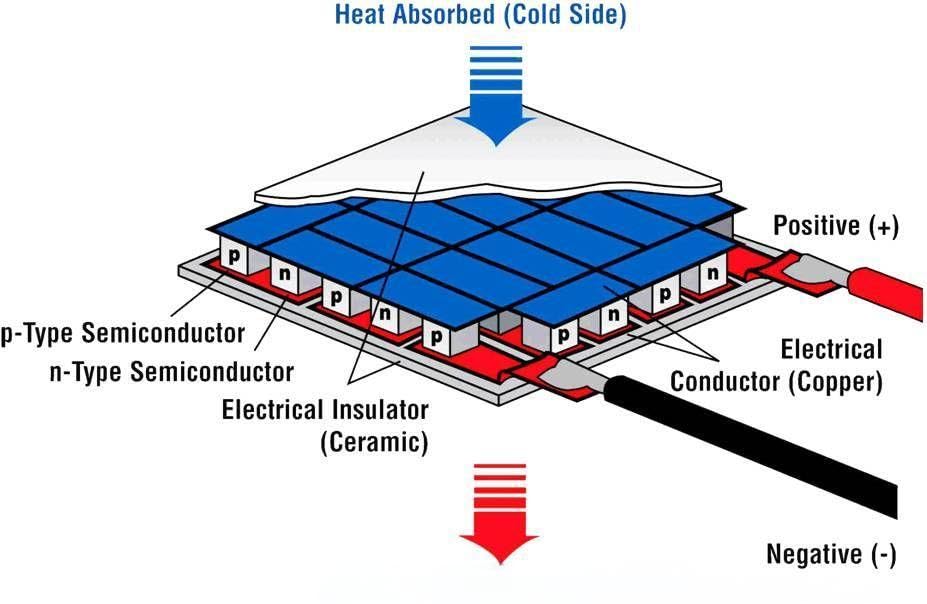
Thermal Paste for Photovoltaic Thermal Management Systems
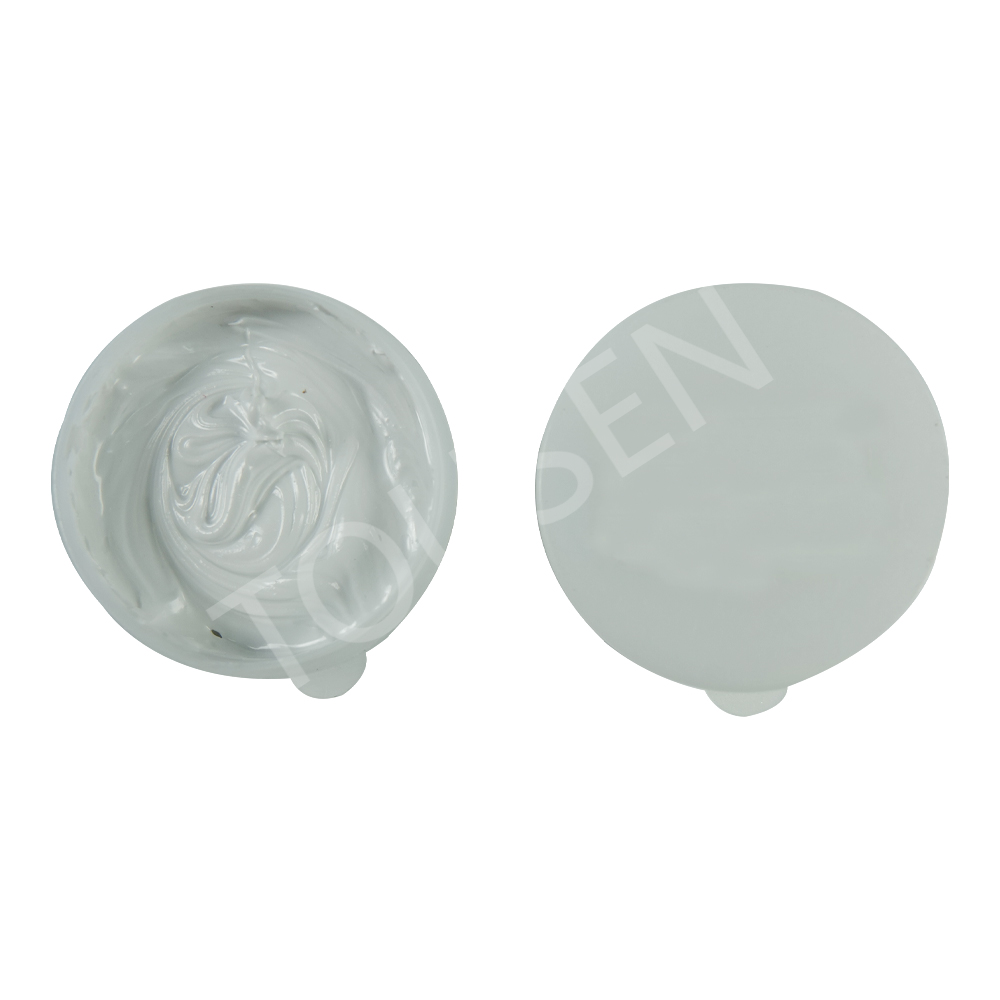
Thermal Paste in Photovoltaic Systems: An Engineering Perspective on Performance and Reliability
Driven by global decarbonization goals, the photovoltaic (PV) industry continues to evolve toward higher efficiency and long-term reliability. While advancements in cell architecture and module design remain critical, thermal management has emerged as an equally important factor from an engineering standpoint. In real-world operating environments—especially under high irradiance and elevated ambient temperatures—thermal accumulation directly impacts system performance.
Within this context, thermal paste, also referred to as thermal interface material (TIM), plays a crucial role in optimizing heat dissipation pathways. Its proper application can significantly improve thermal conductivity between contacting surfaces, thereby enhancing overall system stability and efficiency.
Thermal Challenges in Photovoltaic Systems
PV modules convert only a portion of solar energy into electricity; the remainder is dissipated as heat. As module temperature increases, electrical efficiency decreases accordingly. From an engineering perspective, this introduces several key concerns:
- Power output degradation with rising temperature (typically 0.3%–0.5% per °C)
- Accelerated aging of encapsulation materials and solder joints
- Formation of localized hot spots, potentially leading to failure
Effective heat transfer management is therefore essential. Minimizing thermal resistance at material interfaces becomes a priority, and this is where thermal paste provides measurable value.
Engineering Principles of Thermal Paste
At the microscopic level, even polished metal or composite surfaces contain air gaps when brought into contact. Since air has extremely low thermal conductivity, these voids act as thermal barriers. Thermal paste is specifically engineered to eliminate these gaps.
By filling surface irregularities, thermal paste improves the effective contact area and reduces interfacial thermal resistance. Typically composed of a base matrix (such as silicone oil) and thermally conductive fillers (e.g., aluminum oxide, boron nitride), modern formulations offer significantly enhanced heat transfer performance.
From a system design standpoint, integrating thermal paste results in:
- Improved heat conduction from PV cells to heat sinks or backplates
- Lower operating temperatures
- Enhanced system efficiency and long-term reliability
Application Scenarios of Thermal Paste in PV Systems
In practical engineering applications, thermal paste is widely used across multiple subsystems within photovoltaic installations:
1. Module Backside Heat Dissipation
Applying thermal paste between the module backsheet and auxiliary cooling structures improves thermal coupling and reduces heat accumulation.
2. Inverter Power Electronics
High-power components such as IGBTs and MOSFETs generate substantial heat. Thermal paste ensures efficient heat transfer to heat sinks, maintaining operational stability.
3. Energy Storage Integration (PV + ESS)
In hybrid systems, thermal paste helps equalize temperature distribution within battery modules, mitigating risks associated with thermal gradients.
4. Building-Integrated Photovoltaics (BIPV)
For complex mounting surfaces, thermal paste adapts to irregular geometries, ensuring consistent thermal performance.
Material Selection Criteria for Thermal Paste
Selecting the appropriate thermal paste requires a comprehensive evaluation of material properties:
- Thermal Conductivity: Determines heat transfer efficiency
- Viscosity and Workability: Affects ease of application and interface coverage
- Environmental Stability: Resistance to UV exposure, oxidation, and thermal cycling
- Electrical Insulation: Critical for safety in PV systems
For outdoor photovoltaic applications, long-term durability under harsh environmental conditions is particularly important.
Case Example: ITousen Thermal Paste Solution
In real-world deployments, material performance directly impacts system outcomes. One example is the thermal interface solution offered by ITousen:
https://www.itousen.com/product-5665408556491864.html

This thermal paste is engineered to meet the demands of high-power-density photovoltaic applications, offering:
- High thermal conductivity for efficient heat dissipation
- Excellent surface wettability for improved interface contact
- Stable chemical properties suitable for long-term outdoor use
- Reliable electrical insulation performance
From an engineering validation perspective, such thermal paste solutions contribute to reduced operating temperatures and improved system reliability, particularly in high-load scenarios.
Future Trends in Thermal Paste for Photovoltaics
As PV systems continue to evolve toward higher integration and power density, thermal paste technologies are also advancing:
- Incorporation of advanced fillers such as graphene and ceramic composites
- Development of ultra-low thermal resistance TIM solutions
- Integration with phase change materials (PCM)
- Alignment with intelligent thermal management systems
These innovations position thermal paste as a critical component in next-generation photovoltaic system design.
Conclusion
From an engineering standpoint, thermal paste should not be viewed as a secondary material, but as a fundamental enabler of thermal performance in photovoltaic systems. By minimizing interfacial thermal resistance and enhancing heat transfer efficiency, it plays a vital role in improving both energy output and system longevity.
As the industry advances, the strategic selection and application of thermal paste will remain a key factor in achieving optimal photovoltaic system performance in demanding real-world conditions.
High Performance Thermal Paste for Reliable Heat Dissipation
Engineering Analysis of Thermal Paste in Gaming Systems Performance
Related Article