Thermal Paste for High Performance Computer Cooling

Why Thermal Paste Matters in High Performance Computers
As CPU and GPU performance continues to increase, thermal management has become an important engineering consideration in the design of high performance computers. Higher computing power generally means higher heat generation, while modern processors also require stable operating temperatures to maintain reliable performance. In this environment, the selection and application of thermal paste is no longer simply an assembly detail. It has become an important part of the overall thermal design.
For engineers and system integrators, choosing between different thermal paste, thermal grease and thermal gels requires more than comparing a single thermal conductivity value. Interface resistance, bond line thickness, viscosity, stability, application method and long-term reliability should all be considered according to the actual application.
Why High Performance Computers Need Effective Thermal Interfaces
The contact surfaces between a processor and its heatsink may appear smooth to the naked eye, but microscopic surface irregularities create small air gaps between the two solid surfaces. Because air is a relatively poor thermal conductor, these gaps can increase thermal resistance and reduce the effectiveness of the cooling system.
A suitable thermal paste fills these microscopic voids and creates a more effective thermal path between the processor and the cooling solution. Intel also identifies thermal interface material as necessary between the processor integrated heat spreader and the cooling surface because microscopic imperfections can otherwise reduce thermal contact.
This means that even when a high-performance CPU cooler, liquid cooling system or large heatsink is used, the interface material remains important. A powerful cooling device cannot compensate indefinitely for an inefficient thermal interface.
Thermal Paste Is More Than a Thermal Conductivity Number
In practical engineering, it is easy to focus on the advertised thermal conductivity of a thermal paste. However, the actual thermal performance of a computer depends on the complete thermal path rather than one material parameter.
Engineers should consider at least several factors: thermal conductivity, thermal resistance, bond line thickness, spreading behavior, viscosity, electrical properties, long-term stability and application consistency. AMD technical guidance similarly identifies thermal conductivity, spreading characteristics, long-term stability, ease of application and applied pressure as important factors when selecting a thermal interface material.
Bond line thickness is particularly important. A thinner and more uniform interface can reduce the distance through which heat must travel through the thermal interface material. However, the material must still provide sufficient coverage and compensate for microscopic surface imperfections. Therefore, the engineering objective is not simply to apply as little thermal grease as possible, but to achieve an appropriate and consistent interface layer.
Thermal Paste vs Thermal Grease vs Thermal Gels
In the computer cooling industry, thermal paste and thermal grease are often used to describe thermally conductive interface compounds. Thermal gels may also be used in thermal management applications where a softer, more conformable material is required. The terminology can vary between manufacturers and application fields.
For CPU and GPU cooling, a paste or grease-type TIM is often suitable when the interface requires good surface conformity, low thermal resistance and a controlled thin bond line. By comparison, certain thermal gels are better suited to applications involving larger gaps, uneven surfaces or components requiring greater compliance.
Consequently, there is no universal material that is automatically suitable for every computer design. Engineers should select the TIM according to the interface geometry, assembly pressure, expected operating temperature, manufacturing process and required service life.
What Problems Can an Improper Thermal Interface Cause?
From a system engineering perspective, an inappropriate thermal paste or incorrect application process can create several problems.
- Higher thermal resistance: An excessively thick or uneven interface layer can reduce heat transfer efficiency.
- Temperature instability: Poor thermal contact can result in higher processor temperatures during demanding workloads.
- Performance reduction: Modern processors dynamically manage power and temperature, so insufficient thermal performance can affect sustained operating performance.
- Reliability concerns: Repeated thermal cycling places additional demands on the stability of the thermal interface material.
- Manufacturing inconsistency: Excessive variation in dispensing volume or spreading can cause differences in thermal performance between units.
Intel's installation guidance emphasizes that proper TIM application is important to processor and heatsink integration, while incorrect application can contribute to overheating or inefficient operation.
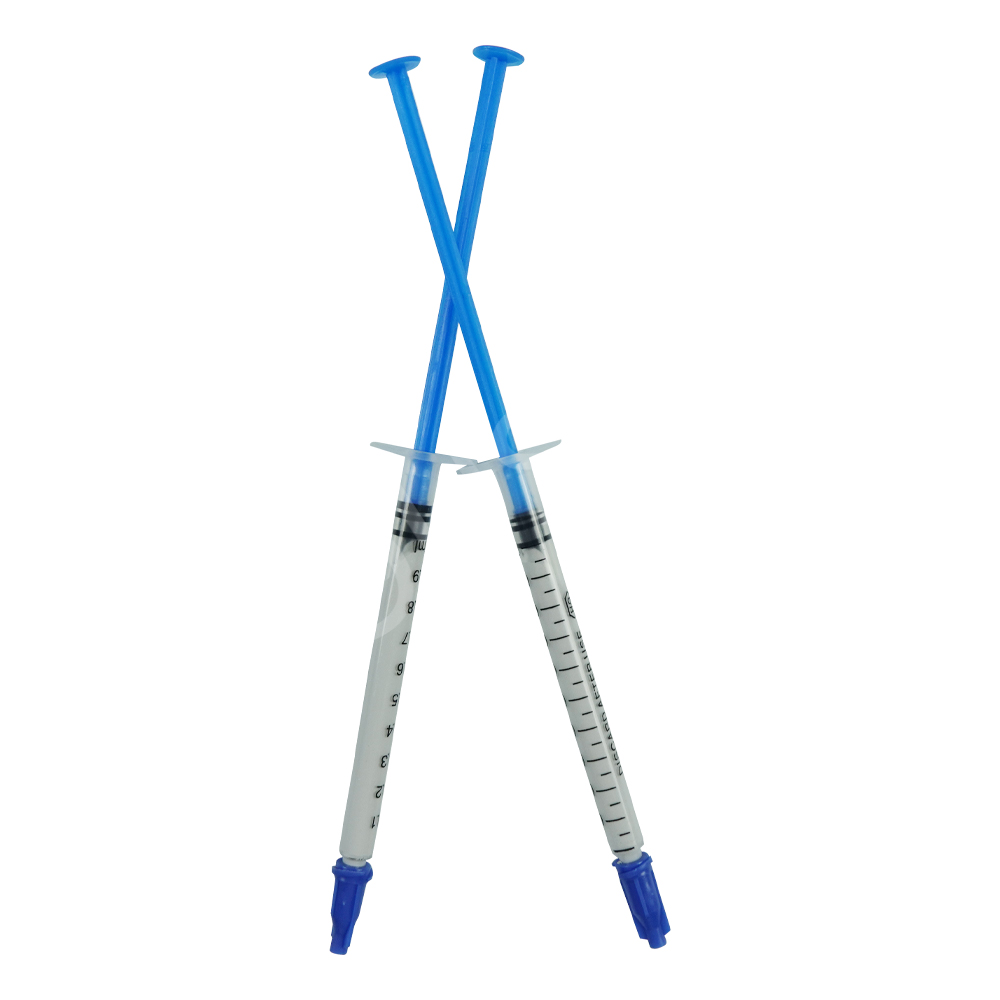
TSAS50 Thermal Grease for High Performance Computing Applications
For applications where engineers require a thermally conductive paste with controlled application characteristics, TOUSEN TSAS50 provides a practical option. The material is a one-component, non-curing, silicone-based thermally conductive compound designed for applications including CPUs and GPUs, gaming consoles and laptops.
According to the manufacturer's published specifications, TSAS50 provides a thermal conductivity of 7.0 W/m·K and a thermal resistance coefficient of 0.025 °C·cm²/W at 60 psi. Its viscosity is specified at 120 Pa·s at 22°C, with a specific gravity of 2.9 g/cm³. These characteristics are designed to support efficient heat transfer while maintaining controlled application behavior.
Another practical feature is its thixotropic behavior. TSAS50 is designed with low slump characteristics, allowing the material to maintain its position after application. It is also solvent-free, screen printable and capable of achieving a thin bond line thickness. These properties can be valuable for manufacturers looking to improve dispensing consistency and production repeatability.
The published data also indicates an oil separation rate below 0.01% after 96 hours at 200°C and liquid evaporation loss of 0.13% after 96 hours at 120°C. For engineering evaluation, these figures should be considered together with the customer's actual operating temperature, assembly process and reliability requirements rather than treated as standalone indicators.
For more detailed specifications and application information, engineers can refer directly to the TOUSEN TSAS50 Thermal Grease product page.
How Should Engineers Select Thermal Paste for a High Performance PC?
When selecting thermal paste for a high performance computer, engineers should first define the actual thermal load and interface structure. CPU or GPU power, cooler design, contact pressure, surface flatness and expected workload all influence the final result.
The second step is to evaluate the material itself. Thermal conductivity and thermal resistance provide important information, but viscosity, spreading behavior, bond line thickness and long-term stability should also be evaluated. For automated or high-volume manufacturing, dispensing consistency and process compatibility can be equally important.
Finally, the application process should be validated. The correct amount of thermal grease depends on the interface design and manufacturer's recommendations. Adding more material does not automatically improve cooling performance. In fact, an unnecessarily thick interface can increase thermal resistance. Intel recommends replacing TIM when the processor or heatsink is removed rather than simply adding new material over used TIM.
Conclusion
As high performance computers continue to demand greater computing power, thermal management must be considered as a complete system rather than as a single component. A capable heatsink, efficient airflow and appropriate thermal interface material must work together.
Thermal paste, thermal grease and thermal gels each have their own application characteristics. For CPU and GPU interfaces where low thermal resistance, controlled bond line thickness and stable application are required, a suitable paste-type TIM can provide an effective thermal path between the processor and cooling solution.
TSAS50 combines high thermal conductivity, low thermal resistance, thixotropic behavior and one-component processing characteristics, making it a potential solution for high-performance computing and other electronic thermal management applications. The final material selection should nevertheless be validated against the actual processor, heatsink structure, operating temperature, assembly process and reliability requirements of the specific system.
Thermal Grease for High Performance Smartphone Cooling
Related Article