Thermal Paste in Electric Vehicles Engineering and Thermal Management
Thermal Paste in Electric Vehicles: An Engineering Perspective on EV Thermal Management
As electric vehicles (EVs) continue to evolve, thermal management has become a defining factor in determining system performance, safety, and longevity. From an engineering standpoint, one often overlooked yet critical material is thermal paste. Despite its seemingly simple function, thermal paste plays a pivotal role in maintaining thermal stability across high-density battery systems and power electronics.
This article provides a structured, objective analysis of thermal paste within EV applications, highlighting its functional principles, engineering requirements, and real-world implementation.
Engineering Challenges in EV Thermal Management
At the core of every electric vehicle lies the battery system. Lithium-ion batteries inherently generate heat during both charging and discharging cycles. Without efficient heat dissipation, elevated temperatures can lead to reduced efficiency, accelerated degradation, and in extreme cases, safety risks.
From an engineering perspective, EV thermal systems must address several key challenges:
- High energy density leading to concentrated heat generation
- Rapid charging cycles causing transient thermal spikes
- Difficulty in maintaining temperature uniformity across battery modules
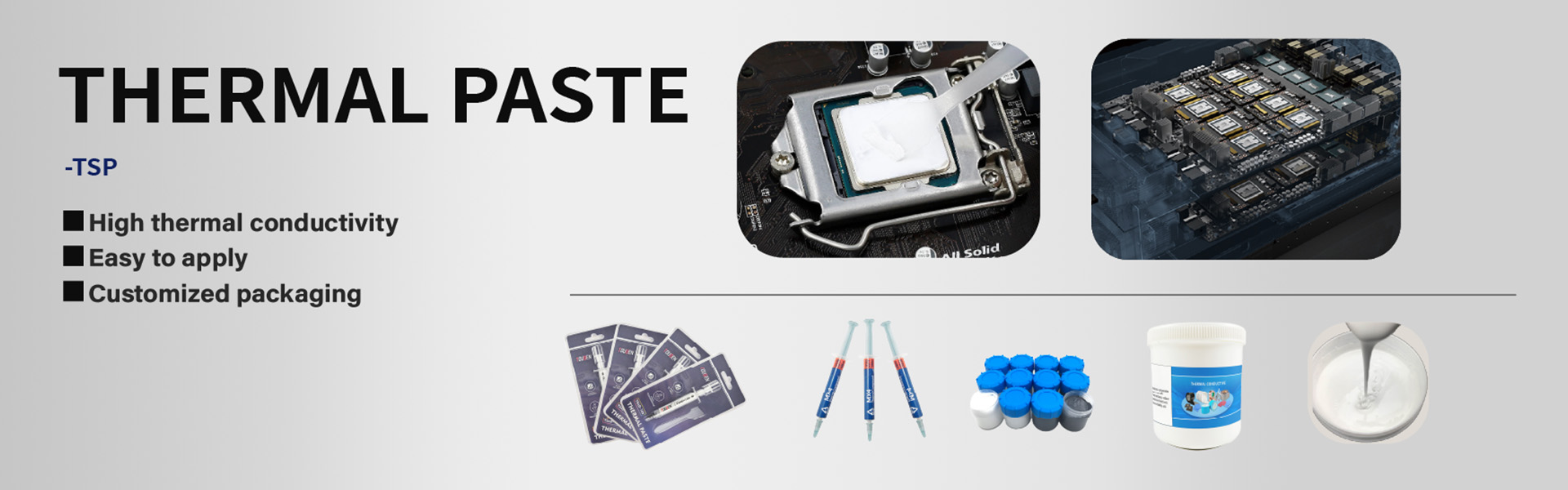
Within this context, thermal paste functions as a critical thermal interface material (TIM), enabling effective heat transfer between heat-generating components and cooling structures.
Fundamental Role of Thermal Paste
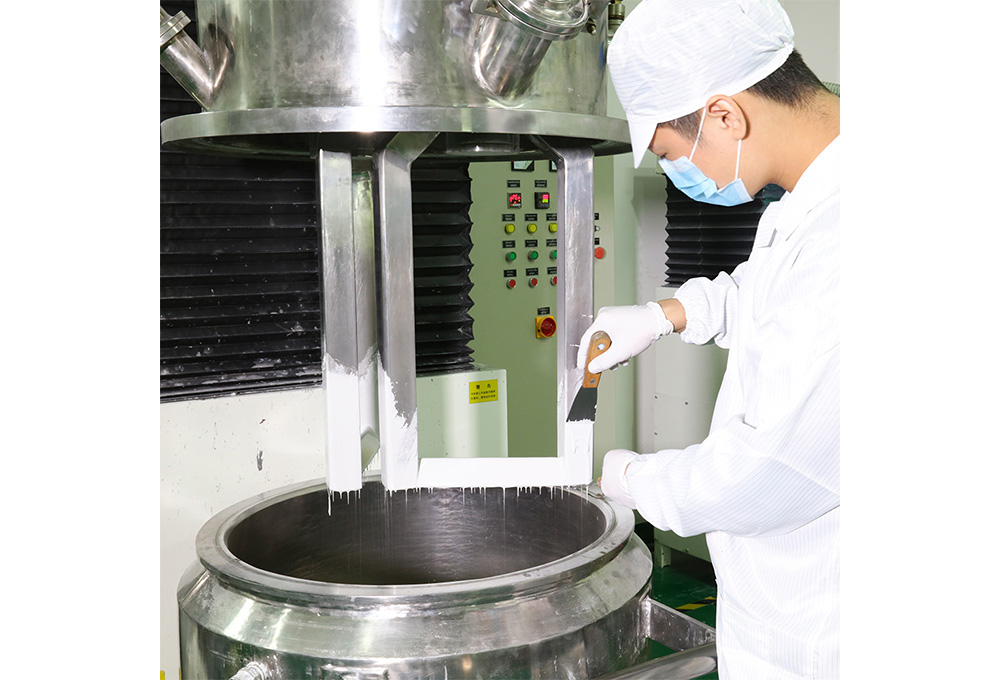
Thermal paste is not merely a conductive compound; it is a specialized composite material engineered to minimize thermal resistance at contact interfaces. Even precision-machined surfaces exhibit microscopic irregularities, trapping air pockets that significantly hinder heat transfer.
The primary functions of thermal paste include:
- Filling microscopic surface gaps to eliminate air insulation
- Enhancing thermal conductivity across interfaces
- Stabilizing thermal performance by reducing localized hotspots
In EV systems, thermal paste is commonly applied in the following areas:
- Between battery cells and cooling plates
- Between modules and structural enclosures
- Across power electronics such as IGBTs and control units
Why EV Applications Demand High-Performance Thermal Paste
1. Harsh Operating Conditions
Electric vehicles operate under demanding conditions, including vibration, wide temperature fluctuations, and long service lifecycles. Thermal paste must therefore exhibit strong mechanical stability, resistance to aging, and consistent performance over time.
2. Elevated Thermal Loads
As battery capacities increase, so does the thermal output per unit volume. High-quality thermal paste enables efficient heat dissipation, reduces thermal gradients, and supports high-rate charging scenarios.
3. Safety-Critical Performance
Thermal runaway remains one of the most serious risks in lithium-ion battery systems. By improving heat distribution and minimizing localized overheating, thermal paste contributes to enhanced system safety and reliability.
Key Engineering Criteria for Thermal Paste Selection
Selecting the appropriate thermal paste requires a multi-parameter evaluation process:
- Thermal Conductivity: A primary indicator of heat transfer efficiency
- Viscosity and Application Behavior: Critical for automated dispensing and manufacturing consistency
- Long-Term Reliability: Resistance to pump-out, drying, or cracking
- Chemical Stability: Non-corrosive and compatible with adjacent materials
- Electrical Insulation: Essential for high-voltage EV systems
From practical experience, substandard thermal paste can compromise not only performance but also long-term system integrity. Material selection must therefore prioritize both performance metrics and supplier reliability.
Application Insight: Thermal Paste in Real-World EV Systems
In validated engineering applications, advanced thermal paste solutions have demonstrated stable and repeatable performance within battery module assemblies. One example can be found in the following product:
High-Performance Thermal Paste for EV Applications

From an engineering evaluation standpoint, this category of thermal paste typically offers:
- Optimized filler composition for improved thermal pathways
- Compatibility with automated dispensing processes
- Stable interface integrity under thermal cycling and vibration
- Versatility across multiple EV subsystems, including battery packs, power modules, and onboard chargers
Such thermal paste solutions contribute to reduced interface thermal resistance and improved overall thermal system efficiency.
Future Trends in Thermal Paste for EVs
As EV technologies advance, thermal paste materials are expected to evolve in several directions:
- Higher Thermal Conductivity: Integration of advanced fillers such as graphene
- Process Integration: Improved compatibility with automated manufacturing systems
- Multi-Functional Materials: Combining thermal, mechanical, and electromagnetic properties
- Environmental Compliance: Low volatility, non-toxic, and sustainable formulations
Conclusion
From an engineering perspective, thermal paste is far more than a supporting material—it is a critical enabler of efficient thermal management in electric vehicles. Its influence extends across battery performance, system durability, and operational safety.
As EV platforms continue to scale in complexity and performance demands, the role of thermal paste will become increasingly significant. Selecting a high-quality, application-proven thermal paste is essential to ensuring long-term system reliability and competitive product performance.
Thermal Paste for Industrial Power Electronics Performance
Thermal Paste Performance in Smartphone Cooling Systems
Related Article