Thermal Paste Role in Cooling Stability of Cryptocurrency Mining Hardware
The Role of Thermal Paste in Virtual Mining Hardware: An Engineering Perspective
As blockchain infrastructure continues to evolve, cryptocurrency mining hardware is becoming increasingly powerful. Modern GPU clusters, ASIC miners, and high-performance computing rigs operate under sustained heavy workloads, generating significant thermal output. Effective thermal management has therefore become a critical engineering concern for both mining operators and hardware designers.
From a hardware engineering standpoint, one often overlooked yet essential component in this thermal ecosystem is thermal paste. While small in quantity and relatively inexpensive, the right thermal interface material can significantly influence temperature stability, hardware longevity, and overall computational performance.
In large-scale mining environments where systems operate continuously, the quality and application of thermal paste can determine whether a device runs reliably or suffers from frequent thermal throttling.
Why Mining Hardware Depends on Thermal Paste
High-performance processors such as GPUs, CPUs, and ASIC chips generate heat as a natural byproduct of electrical resistance and switching activity within billions of transistors. When these processors are used for cryptocurrency mining, they often run at near-maximum utilization for extended periods of time.
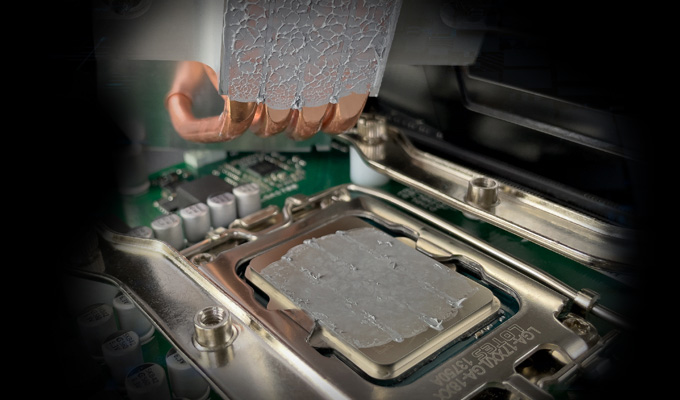
However, transferring this heat away from the chip is not as straightforward as attaching a heatsink. Even though both the processor surface and the heatsink base appear smooth, microscopic imperfections exist on both surfaces. When these surfaces meet, small air pockets remain trapped between them.
Air is a poor conductor of heat. Without a proper interface material, these micro gaps create a thermal barrier that significantly reduces heat transfer efficiency.
This is where thermal paste becomes essential. A properly formulated thermal paste fills these microscopic voids and establishes a continuous thermal pathway between the processor and the heatsink. By eliminating insulating air pockets, thermal paste dramatically improves heat conduction.
For mining hardware operating around the clock, the presence of a reliable thermal paste layer can make the difference between stable operation and overheating.
Continuous Mining Workloads Create Unique Thermal Challenges
Unlike standard consumer computers, mining hardware typically operates under three distinctive conditions:
- 24/7 continuous operation
- Constant high computational load
- Dense multi-GPU or ASIC system configurations
These factors create a sustained thermal environment where cooling systems must perform consistently over long periods of time. In such environments, inferior or degraded thermal paste can lead to a gradual increase in operating temperatures.
As temperatures rise, most modern processors automatically reduce their clock speeds to prevent damage. This protective mechanism, known as thermal throttling, directly impacts mining efficiency by lowering computational output.
From an engineering perspective, maintaining stable thermal conductivity through a high-quality thermal paste layer is one of the simplest and most effective methods to mitigate thermal throttling in mining systems.
How Thermal Paste Influences Hash Rate Stability
Mining profitability is closely linked to computational consistency. When GPU or ASIC temperatures exceed certain thresholds, the system firmware typically initiates protective measures such as clock reduction or temporary shutdown.
During hardware diagnostics in mining facilities, engineers frequently observe that temperature fluctuations correlate with inconsistent hash rate performance. Systems with degraded or poorly applied thermal paste often show higher peak temperatures and greater performance variability.
When a high-performance thermal paste is applied correctly, the thermal interface between the processor and heatsink becomes more efficient. This improves heat dissipation and stabilizes operating temperatures across extended workloads.
In many cases, lowering GPU temperatures by just a few degrees can significantly reduce throttling events, leading to more consistent mining performance over time.
Engineering Criteria for Selecting Thermal Paste
Not all thermal interface materials are created equal. Engineers typically evaluate several technical factors when selecting the right thermal paste for high-performance hardware environments.
Thermal Conductivity
Thermal conductivity, usually measured in watts per meter-Kelvin (W/mK), is one of the most important indicators of performance. A higher value generally indicates better heat transfer capability. For high-performance mining hardware, thermal paste with higher conductivity values is typically preferred.
Long-Term Stability
Mining systems often operate continuously for months or even years. Over time, some thermal interface materials may dry out, crack, or suffer from pump-out effects caused by repeated thermal cycles. A durable thermal paste should maintain stable performance under prolonged heat exposure.
Application Consistency
Ease of application is another practical consideration. A well-formulated thermal paste should spread evenly across the chip surface, forming a thin and consistent interface layer that maximizes contact area between the processor and heatsink.
Professional Thermal Paste Solutions for Mining Hardware
In professional hardware environments, engineers often test multiple thermal interface materials to determine which offers the best balance of thermal performance and durability.
One example of a specialized solution designed for electronic cooling applications is the high-performance thermal paste from ITousen .

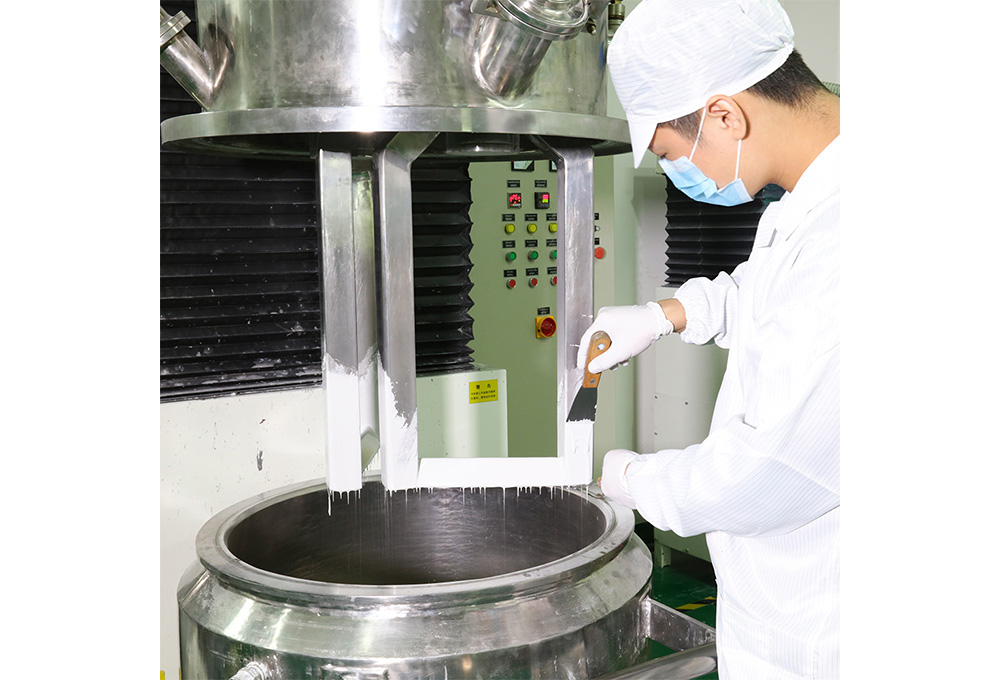
This type of engineered thermal paste is formulated to provide efficient heat transfer between high-power chips and cooling assemblies. In testing scenarios involving GPU mining rigs and high-density computing systems, such materials can contribute to improved temperature control and more stable system operation.
Key advantages of a professional-grade thermal paste typically include:
- Efficient heat transfer performance
- Stable behavior under prolonged high temperatures
- Resistance to drying and cracking
- Reliable electrical insulation
- Easy and consistent application
For mining hardware that operates continuously under heavy load, these characteristics are essential for maintaining long-term reliability.
The Future of Thermal Management in Mining Infrastructure
As computing demands continue to grow, the thermal challenges associated with large-scale mining operations will also increase. Emerging technologies such as graphene-enhanced interface materials, phase-change thermal compounds, and advanced liquid cooling systems are being explored across the industry.
Despite these innovations, thermal paste remains one of the most widely adopted and cost-effective thermal interface solutions available today.
Its simplicity, reliability, and ease of maintenance make thermal paste a practical choice for both individual mining rigs and industrial-scale data center deployments.
Conclusion
In cryptocurrency mining environments where hardware operates under constant heavy workloads, effective heat management is critical to maintaining stable performance.
From an engineering perspective, thermal paste plays a vital role in ensuring efficient heat transfer between processors and cooling systems. A well-selected thermal paste can help reduce operating temperatures, prevent thermal throttling, and extend the service life of expensive computing hardware.
As mining technology continues to evolve, thermal management will remain a fundamental design consideration. Among the many solutions available, high-quality thermal paste will continue to be a key component in optimizing the stability and efficiency of next-generation mining systems.
Thermal Paste for Heat Dissipation in Modern Small Appliances
Thermal Paste Applications in Handheld Steam Iron Thermal Design
Related Article