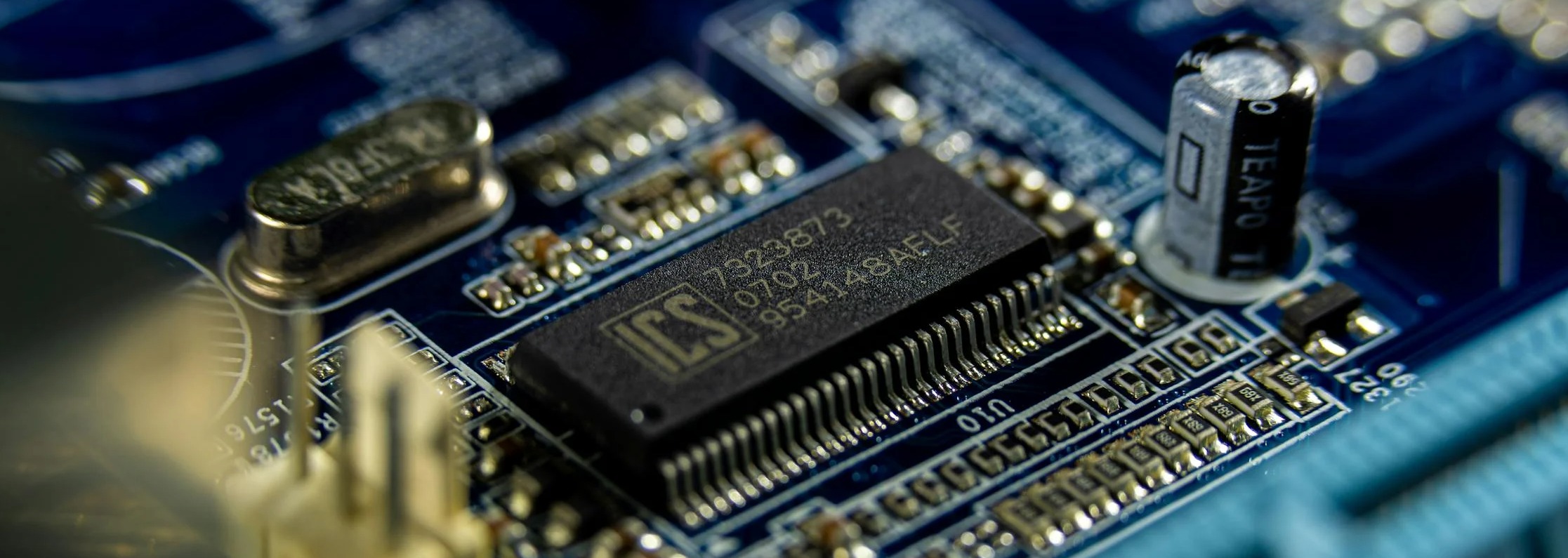
Advanced Silicone Thermal Pad Solutions for Automation | TOUSEN
Thermal Interface Design for Automated Assembly: A Technical White Paper
Author: R&D Team — Professional Manufacturer of SILICONE THERMAL PAD Solutions
Objective: To share best practices for THERMAL SILICONE PAD and THERMAL CONDUCTIVE SILICONE PAD design and production that meet the demands of modern automated manufacturing lines.
Executive Summary
With continuous miniaturization of electronic devices, the design of SILICONE THERMAL PAD materials has entered a new stage where not only thermal performance but also processability and automation compatibility are equally important. Our advanced THERMAL SILICONE PAD and THERMAL CONDUCTIVE SILICONE PAD series are engineered to deliver high thermal conductivity while ensuring ease of die-cutting, clean protective film removal, and reliable adhesion control in automated lines.
1. Manufacturing Context and Technical Objectives
The evolution of heat management materials has shifted the design focus toward real-world manufacturability. A modern SILICONE THERMAL PAD must not only dissipate heat effectively but also be compatible with high-speed automatic placement, ensuring repeatability, cleanliness, and reduced downtime.
Therefore, four technical pillars define success for THERMAL SILICONE PAD solutions:
- Consistent thermal performance and mechanical stability.
- Dimensional precision and smooth die-cutting.
- Optimized protective film system for peel reliability.
- Controlled surface tack for secure placement without residue.
2. Key Engineering Considerations
2.1 Roll Packaging and Die-Cut Precision
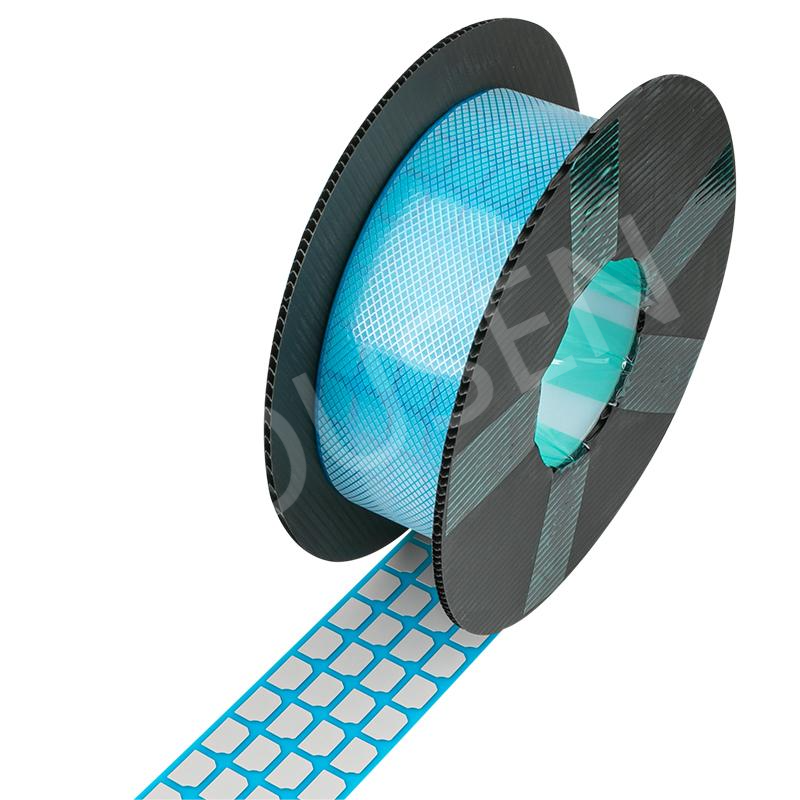
Roll-form SILICONE THERMAL PAD materials enable direct integration into automated assembly lines. Proper tension control, web alignment, and kiss-cut accuracy reduce product deformation and enhance throughput. This approach minimizes manual intervention and ensures consistent part presentation to robotic applicators.
2.2 Protective Film Selection and Peel Optimization
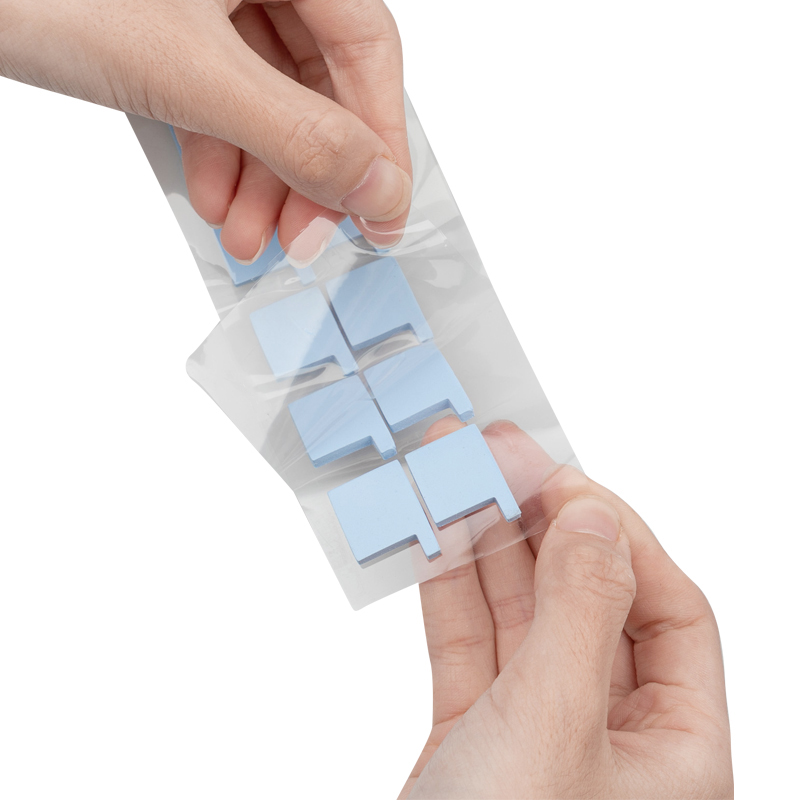
Each THERMAL SILICONE PAD is typically laminated with PET protective film on both surfaces. For thin configurations (thickness < 1.0 mm), protective film release characteristics are critical. The wrong PET type or surface energy can cause excessive peel force, leading to tearing or shape distortion. Properly engineered PET films allow smooth peeling and stable automated removal without damaging the THERMAL CONDUCTIVE SILICONE PAD.
2.3 Surface Tack Control and Dual-Face Differentiation
Tack control directly affects automation yield. By formulating different surface characteristics between top and bottom sides, the SILICONE THERMAL PAD achieves easy protective film removal on the top face while maintaining adhesion on the bottom for component alignment. Adjusting crosslinking ratios, filler distribution, and post-curing parameters allows fine-tuning without sacrificing thermal conductivity.
3. Protective Film Selection Matrix
| Protective Film Type | Characteristics | Recommended Use for THERMAL CONDUCTIVE SILICONE PAD |
|---|---|---|
| PET Film | High strength, stable release, ideal for rotary die cutting | Preferred for automated, high-speed assembly |
| PE Film | Soft, flexible, low-cost option | Manual or semi-automatic application lines |
| PI Film | Excellent high-temperature resistance and mechanical strength | Processes involving post-curing or high heat |
| Paper Liner | Low-cost, smooth surface, limited durability | Large-size, non-automated operations |
4. Case Study: H Company Collaboration
Our collaboration with H Company — a globally recognized electronics brand — demonstrates the importance of holistic design for SILICONE THERMAL PAD solutions.
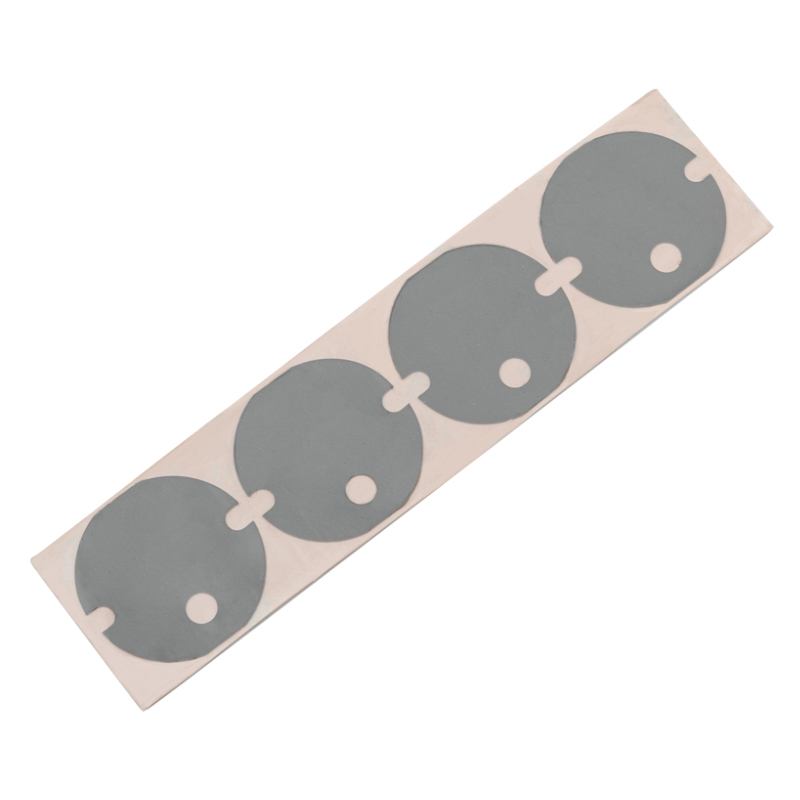
The customer required extremely small, irregularly shaped pads with narrow protrusions under 1.5 mm width. Although thermal performance met specifications, the assembly process failed due to the PET protective film being difficult to peel and occasionally tearing the THERMAL SILICONE PAD.
After multiple joint reviews, three improvements resolved the issue:
- Redesigning the tear-tab shape, location, and size for easier manual and robotic peel initiation.
- Selecting a PET protective film with a specialized release coating and optimal thickness for smooth removal.
- Reducing the top-surface tack to create differential adhesion between the two sides of the THERMAL CONDUCTIVE SILICONE PAD.
The final solution fully met the client’s automated production requirements and achieved stable, defect-free application.

5. Recommended Validation Procedures
- Measure peel force (N/25mm) of the PET protective film after 24h aging at 40°C and 85% RH.
- Verify kiss-cut precision and web tracking stability for roll-fed SILICONE THERMAL PAD products.
- Test peel angles and speeds on actual automation equipment for THERMAL SILICONE PAD validation.
- Recheck thermal conductivity and breakdown voltage after any formulation or coating change in THERMAL CONDUCTIVE SILICONE PAD production.
6. Conclusion
The success of a SILICONE THERMAL PAD product is defined by the integration of materials science, precision converting, and automation compatibility. By optimizing protective film design, controlling surface tack, and ensuring process-friendly characteristics, manufacturers can deliver truly production-ready THERMAL SILICONE PAD and THERMAL CONDUCTIVE SILICONE PAD solutions that balance performance with manufacturability.
Thermal Interface Materials for Security Devices|TOUSEN
High Thermal Conductivity Insulation Sheet | Boron Nitride Pad
Related Article