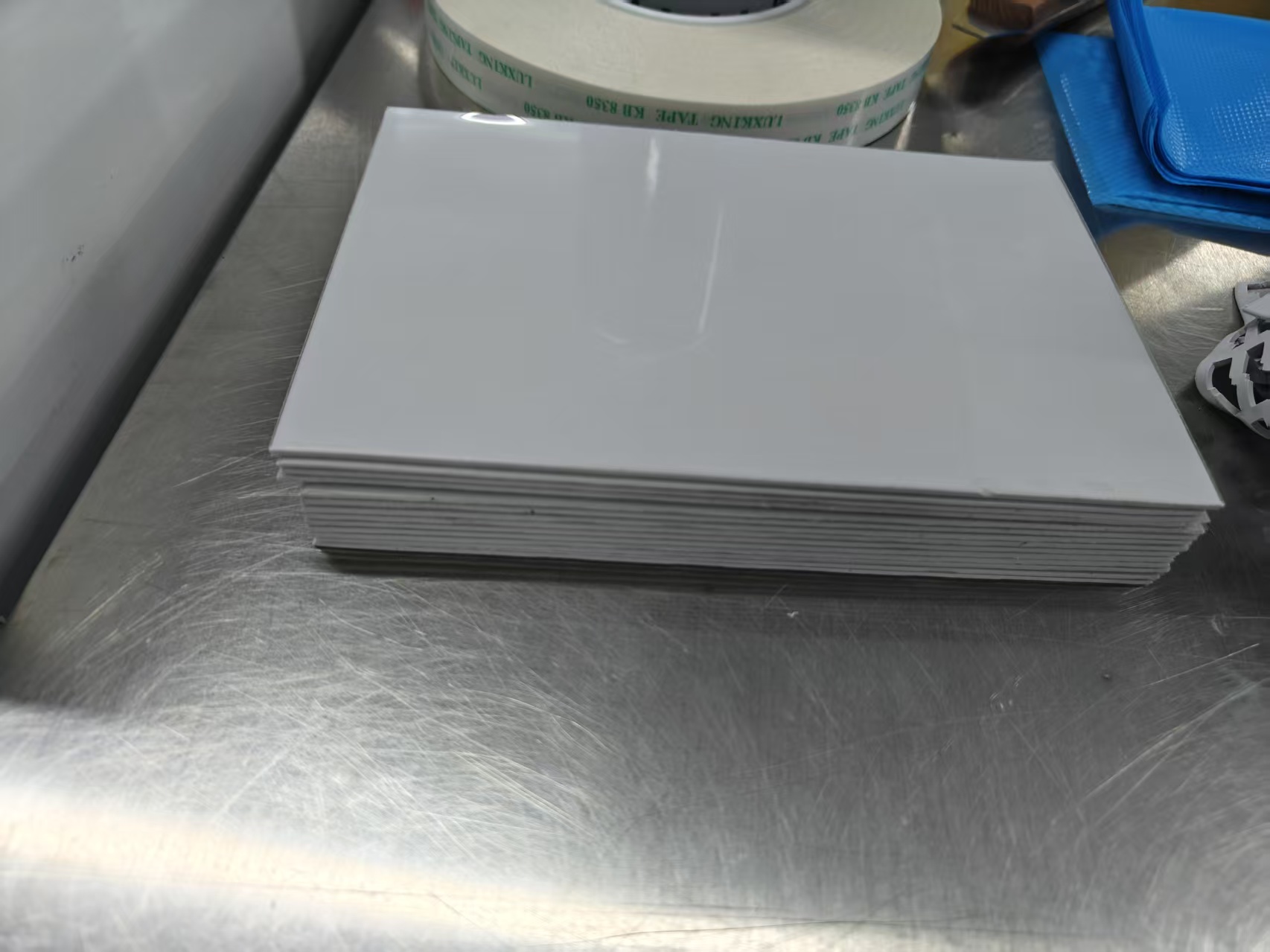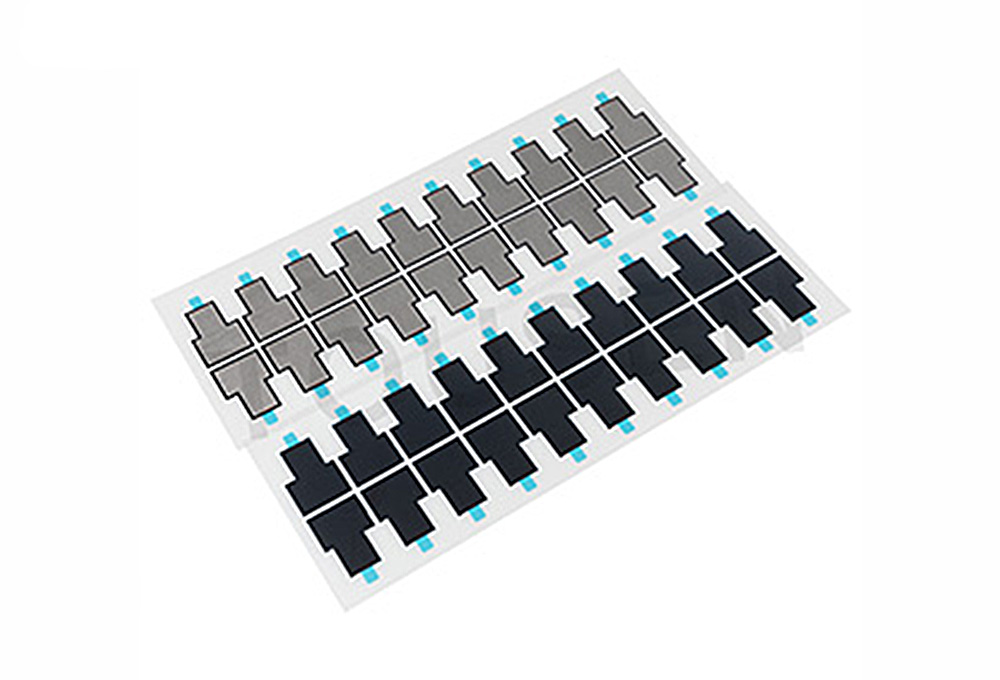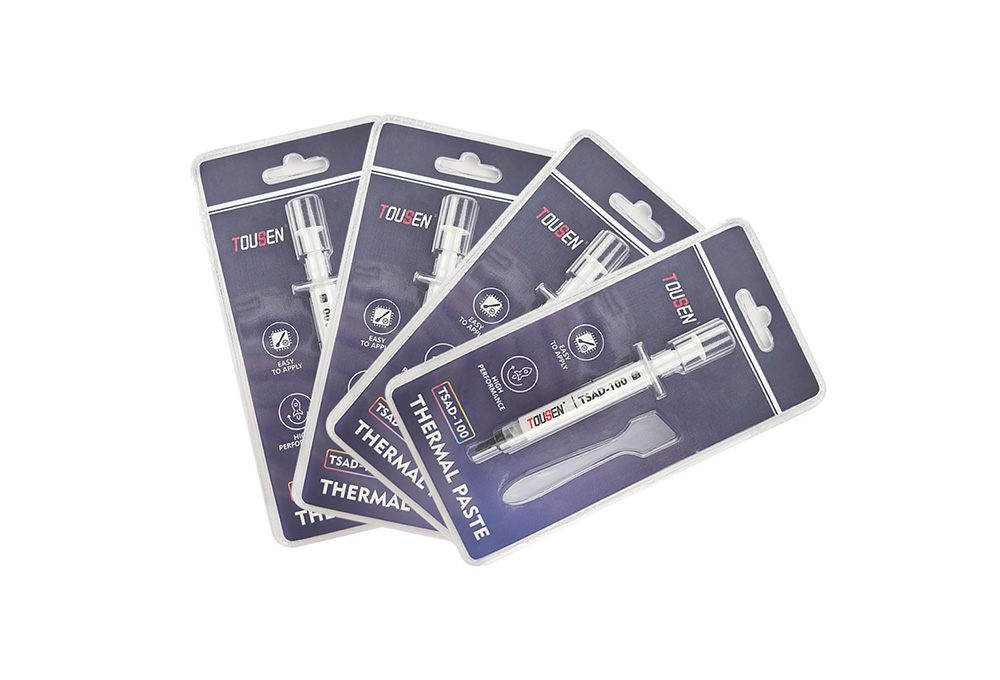
Thermal Heat Pad and Thermal Pads for Power Module Cooling
Thermal Pads for Power Modules: An Engineering Guide to Reliable Thermal Management
As power electronics become more compact and operate at higher power densities, effective thermal management has become a critical engineering requirement. Power supplies, EV charging systems, industrial inverters, telecom equipment, servers, energy storage systems, and other electronic devices all generate significant heat during operation. MOSFETs, IGBTs, power modules, transformers, inductors, and other heat-generating components must transfer heat efficiently to a heatsink or cooling structure.
For engineers, selecting a thermal interface material (TIM) is not simply a matter of choosing the highest thermal conductivity available. Mechanical tolerance, compressibility, electrical insulation, long-term reliability, assembly efficiency, and thermal resistance must also be considered. In many power module applications, silicone-based thermal pads provide a practical balance between thermal performance and manufacturing requirements.
Why Thermal Interface Materials Matter in Power Modules
A typical power module thermal path may include the semiconductor device, package or substrate, thermal interface material, heatsink, and cooling system. Although mating surfaces may appear flat, microscopic surface roughness and dimensional tolerances create small air gaps. Because air has very low thermal conductivity, these gaps can significantly increase thermal resistance.
A properly selected thermal pad fills these gaps and improves contact between the heat source and the heatsink. Unlike a purely rigid interface, a compliant silicone thermal interface can accommodate certain surface irregularities and assembly tolerances.
From an engineering perspective, the effectiveness of a thermal heat pad depends on more than its nominal thermal conductivity. Thickness, compression, contact resistance, surface conditions, mounting pressure, and the actual thermal path all influence system-level performance.
Thermal Pad vs. Thermal Grease in Power Electronics
Thermal grease is widely used where excellent surface wetting and low interfacial resistance are priorities. Its fluid characteristics allow it to fill microscopic surface irregularities effectively. However, power electronics assemblies may also contain relatively large interface gaps, different component heights, or mechanical structures where material migration needs to be controlled.
A thermal pad provides a different engineering solution. It is supplied as a preformed material with a defined thickness and can be die-cut into customized shapes. During assembly, the pad is positioned between the heat-generating component and the heatsink and compressed to the specified thickness.
This approach can provide several manufacturing advantages. There is no need for liquid dispensing or manual spreading, which can simplify production and improve process consistency. A thermal heat pad can also remain in a defined position during assembly, making it suitable for automated and semi-automated production environments.
For high-volume electronics manufacturing, these process advantages can be just as important as the thermal conductivity of the interface material itself.
Electrical Insulation for High-Power Applications
Electrical insulation is another important consideration in power module thermal management. Many MOSFETs, IGBTs, power semiconductors, and other components operate at elevated voltages. When a semiconductor package interfaces directly with a metal heatsink, the thermal interface may also need to provide electrical isolation.
Silicone-based thermal pads can be formulated to provide both thermal conductivity and electrical insulation. This allows one interface material to perform two important functions: transferring heat away from the component while helping prevent unwanted electrical contact with the heatsink.
For high-voltage applications, however, engineers should not evaluate insulation performance based on material type alone. Dielectric strength, breakdown voltage, pad thickness, creepage and clearance requirements, and the overall system insulation design should be verified against the actual application and applicable safety standards.
Mechanical Compliance Helps Accommodate Assembly Tolerances
Power electronics rarely have perfectly uniform interfaces. Variations in PCB thickness, semiconductor package height, heatsink flatness, mounting tolerances, and enclosure deformation can all affect the final interface gap.
A rigid thermal interface material may not adequately compensate for these variations. A compliant silicone thermal pad can conform to certain irregularities while maintaining contact between the heat source and cooling structure.
This characteristic is especially useful when engineers need to manage a controlled but variable gap. By selecting an appropriate pad thickness, hardness, and compression range, the thermal interface can be designed around the actual mechanical stack-up of the assembly.
The objective is to achieve sufficient contact without imposing excessive mechanical stress on sensitive electronic components.
Comparing Thermal Pads With Other Thermal Interface Materials
No single thermal interface material is universally superior. The appropriate choice depends on the application's thermal, electrical, mechanical, environmental, and manufacturing requirements.
| Thermal Interface Material | Key Advantage | Potential Consideration |
|---|---|---|
| Thermal Pads | Defined thickness, gap filling, electrical insulation, easy assembly | Thermal resistance increases with excessive thickness |
| Thermal Grease | Excellent surface wetting and low interface resistance | Dispensing, migration, pump-out, and process control may require attention |
| Phase-Change Materials | Efficient thermal transfer after reaching the transition temperature | Application and operating conditions must be carefully considered |
| Thermal Adhesives | Combines thermal transfer with structural bonding | Limited serviceability after curing |
Compared with liquid materials, a thermal pad provides a predefined physical form and controlled thickness. This can simplify installation and reduce variability during assembly. Compared with thermally conductive adhesives, a silicone pad can offer greater flexibility when components may need to be serviced, adjusted, or replaced.
For these reasons, thermal pads are frequently considered when a power module requires a combination of thermal management, gap compensation, electrical insulation, and manufacturing efficiency.
Key Parameters When Selecting a Thermal Pad
1. Thermal Conductivity
Thermal conductivity indicates the material's intrinsic ability to conduct heat. Higher conductivity can be beneficial, but it should not be evaluated independently. Actual thermal performance also depends on pad thickness, contact resistance, compression, surface roughness, and mounting conditions.
2. Thickness
The selected thermal heat pad should correspond to the actual interface gap. A pad that is too thin may not maintain sufficient contact, while excessive thickness can increase thermal resistance. Engineers should therefore determine the actual mechanical gap before specifying the material.
3. Hardness and Compression
Soft materials generally provide better conformability, while harder materials may provide greater dimensional stability. The optimal hardness depends on the component structure, allowable mounting pressure, interface gap, and required compression.
4. Electrical Insulation
For high-voltage power electronics, dielectric properties can be critical. Engineers should verify dielectric strength and insulation performance according to the application's voltage, safety requirements, and system architecture.
5. Operating Temperature and Reliability
Power modules can experience repeated heating and cooling cycles throughout their service life. A suitable thermal pad should maintain its intended mechanical and thermal properties under the expected operating temperature range and thermal cycling conditions.
6. Manufacturing Compatibility
Production requirements should also be included in the selection process. Custom die-cut shapes, thickness options, liners, and adhesive configurations can help simplify assembly and improve repeatability in mass production.
ITousen Silicone Thermal Pads for Power Electronics
For applications that require a preformed and customizable thermal interface, ITousen Silicone Thermal Pads provide an option for electronic thermal management applications.
ITousen's silicone thermal pads can be considered for applications where heat transfer, gap filling, electrical insulation, and mechanical compliance need to be addressed within the same interface material. Depending on the application, thermal interface pads can be customized according to thickness, dimensions, hardness, and other material requirements.
This customization capability can be valuable for power electronics manufacturers working with different semiconductor packages, heatsink structures, and mechanical stack-ups. Instead of relying on a one-size-fits-all interface, engineers can evaluate the thermal pad according to the actual geometry and operating conditions of the assembly.
Typical applications may include power supplies, industrial control equipment, EV charging equipment, inverters, telecom power systems, energy storage equipment, servers, and other high-power electronic assemblies.
Evaluate Thermal Interface Materials at the System Level
One common mistake in thermal material selection is comparing products only by their published thermal conductivity. A high conductivity value does not automatically guarantee better system-level thermal performance.
For example, a high-conductivity material may perform poorly if it cannot properly fill the interface gap. Likewise, a material with excellent intrinsic conductivity may not be suitable if its mechanical properties require excessive mounting pressure.
Engineers should therefore evaluate a thermal heat pad based on the complete thermal path. Thermal conductivity, thickness, contact resistance, compression, surface roughness, mounting pressure, electrical insulation, operating temperature, and long-term reliability should be considered together.
The engineering objective is not necessarily to select the material with the highest nominal conductivity. Instead, the goal is to establish a stable, repeatable, and reliable thermal path throughout the product's expected service life.
Conclusion
As power density continues to increase, thermal management is becoming an increasingly important part of power module design. Silicone thermal pads offer a balanced approach by combining thermal transfer, gap filling, electrical insulation, mechanical compliance, and manufacturing convenience.
Compared with thermal grease and other thermal interface materials, a properly selected thermal pad can provide controlled thickness, easier handling, and reliable gap compensation. For many power electronics applications, a thermal heat pad can therefore help engineers address both thermal and mechanical design challenges without unnecessarily complicating the manufacturing process.
For MOSFETs, IGBTs, power supplies, inverters, EV charging systems, telecom equipment, servers, and energy storage systems, the selection of thermal pads should be based on actual thermal, mechanical, electrical, and environmental requirements rather than thermal conductivity alone.
By combining appropriate material properties with application-specific design, ITousen's silicone thermal pad solutions can help engineers develop more consistent and reliable thermal management systems for modern power electronics.
Thermal Heat Pad Solutions for Automotive Electronics Cooling
Thermal Pads for Semiconductor Thermoelectric Cooling Systems
Related Article