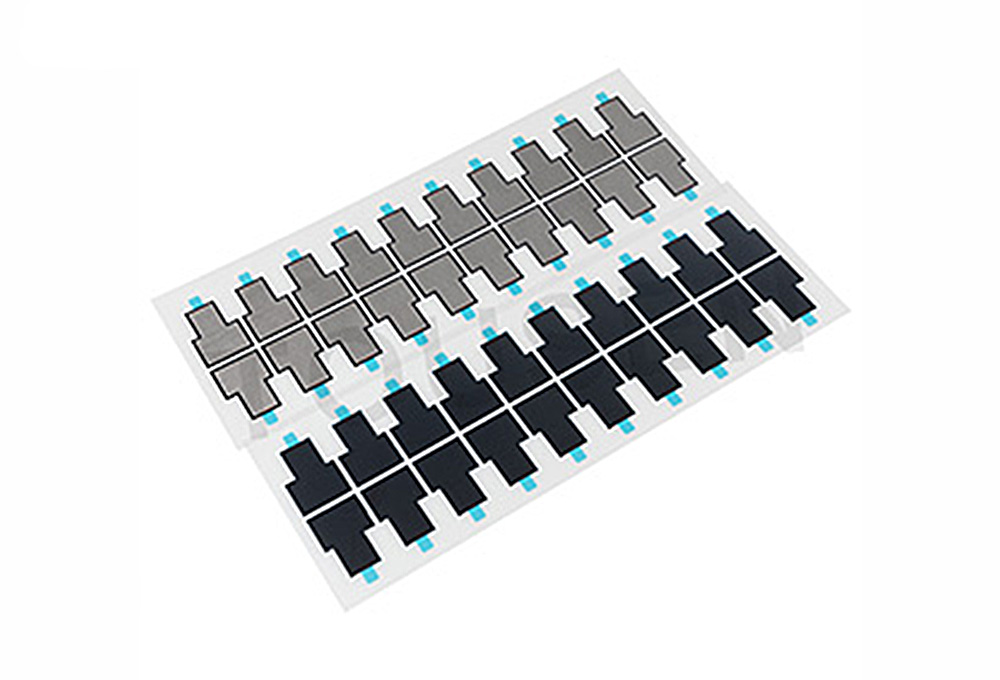
Thermal Pads for Rail Transit Electronics and Power Systems
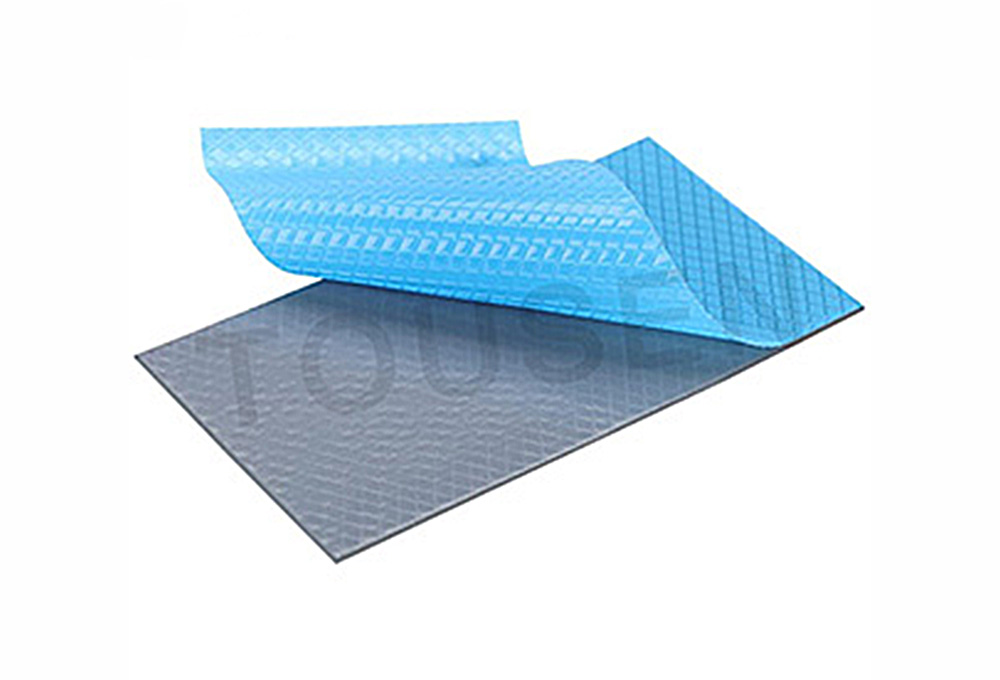
Thermal Pads for Rail Transit Electronics: An Engineering Guide to Reliable Thermal Management
As high-speed rail, metro systems, and intelligent rail transportation continue to evolve, onboard electronic systems are becoming more compact, powerful, and highly integrated. Traction inverters, power supplies, communication modules, control units, battery systems, and other electronic assemblies generate increasing amounts of heat within limited installation spaces.
For engineers, effective thermal management is no longer simply a matter of selecting a material with the highest thermal conductivity. The thermal interface material must also accommodate mechanical tolerances, provide electrical insulation where required, withstand vibration and temperature cycling, and maintain stable performance throughout the equipment's service life. In these applications, thermal pads are increasingly considered a practical solution for managing heat across interfaces between heat-generating components and heat sinks or metal housings.
This article examines the engineering value of silicone-based thermal pads in rail transit electronics and compares them with other common thermal interface materials from the perspective of thermal performance, assembly efficiency, mechanical adaptability, and long-term reliability.
Why Thermal Management Is Critical in Rail Transit Electronics
Rail transit equipment operates under conditions that are generally more demanding than those encountered by many consumer electronics products. Electronic assemblies may experience continuous vibration, mechanical shock, temperature fluctuations, restricted installation space, and extended operating cycles.
Power semiconductors such as IGBTs, MOSFETs, rectifiers, and other switching devices can generate substantial heat during operation. If the interface between the heat source and the cooling structure contains air gaps, overall thermal resistance can increase significantly because air has relatively low thermal conductivity.
A thermal pad is designed to bridge these interface gaps. By conforming to surface irregularities and filling the space between the component and heat sink, the material creates a more continuous thermal path and helps transfer heat away from the electronic component.
From an engineering standpoint, the purpose of a thermal heat pad is therefore not simply to provide a high thermal conductivity value. Its real contribution must be evaluated as part of the complete thermal resistance system.
Thermal Pad Selection Requires More Than Thermal Conductivity
Thermal conductivity is an important specification, but it should not be used as the only selection criterion. A high-conductivity material may not deliver the expected system-level performance if it cannot conform adequately to the interface or requires excessive assembly pressure.
Engineers should evaluate several parameters when selecting thermal pads, including:
- Thermal conductivity and overall thermal resistance
- Material thickness and interface gap requirements
- Hardness and compression characteristics
- Electrical insulation performance
- Operating temperature range
- Long-term compression stability
- Dimensional tolerances and custom die-cut capability
- Compatibility with the assembly process
The correct material is therefore determined by the relationship between thermal, mechanical, electrical, and manufacturing requirements rather than by one specification alone.
Advantages of Silicone Thermal Pads in Rail Applications
Silicone-based thermal pads offer several characteristics that are well suited to rail transportation electronics. Their flexible structure allows them to accommodate certain variations in component height, surface flatness, and assembly tolerances.
This flexibility is particularly useful when a PCB, power device, heat sink, and metal enclosure cannot maintain perfectly uniform dimensions. When compressed within the appropriate range, a thermal pad can conform to the interface and reduce the amount of trapped air.
Another important advantage is electrical insulation. In power electronics, the heat-generating device may need to transfer heat to a conductive metal heat sink while remaining electrically isolated from it. Properly designed insulating thermal pads can provide thermal transfer and electrical isolation within the same interface.
Silicone materials can also provide useful flexibility under mechanical conditions. For rail equipment exposed to vibration and repeated temperature changes, maintaining stable contact between the thermal interface material and the mating surfaces is an important part of long-term thermal reliability.
Thermal Pads vs. Thermal Paste
Thermal paste and thermal pads are both widely used thermal interface materials, but they serve different engineering requirements. Thermal paste is particularly effective for very thin interfaces and highly flat mating surfaces because it can fill microscopic surface irregularities with a relatively low bond-line thickness.
However, thermal paste requires controlled application during manufacturing. Dispensing volume, coverage, process consistency, contamination, and material migration may need to be carefully managed.
A preformed thermal pad, by contrast, can be manufactured to a defined thickness and shape before assembly. This allows the production process to use a more standardized installation method and eliminates the need to control the amount of liquid material applied at every assembly station.
For rail transit electronics where the interface contains a measurable gap and assembly consistency is important, thermal pads can offer significant practical advantages.
This does not mean that thermal pads are universally superior to thermal paste. For extremely thin interfaces with highly controlled surfaces, thermal paste may still provide lower interface resistance. Material selection should always be based on the actual mechanical and thermal design.
Thermal Pads vs. Thermally Conductive Adhesives
Thermally conductive adhesives combine heat transfer with bonding. They are useful when a component must be permanently attached to a heat-spreading structure while maintaining thermal contact.
However, permanent bonding can make subsequent maintenance or component replacement more difficult. In rail transportation equipment, where serviceability and maintenance procedures may be important considerations, a removable thermal pad can provide greater flexibility when the mechanical structure already provides sufficient clamping or retention.
Preformed thermal interface materials also allow engineers to define the material thickness, hardness, dimensions, and compression requirements during the design stage. This can simplify material standardization across multiple electronic modules.
Why Flexible Thermal Pads Work Well With Complex Electronic Assemblies
Real-world electronic assemblies rarely have perfectly uniform interfaces. Differences in PCB thickness, component height, heat sink flatness, enclosure tolerances, and mechanical assembly can create uneven gaps.
A flexible thermal heat pad can compensate for a certain amount of dimensional variation by compressing and conforming to the mating surfaces. This can improve effective contact and help establish a more consistent thermal path.
Engineers should nevertheless pay close attention to compression requirements. A material that is too hard may require excessive assembly force and fail to conform properly. A material that is excessively soft may require additional evaluation for long-term compression set and dimensional stability.
Therefore, the selection of thermal pads should be based on the actual gap, available compression force, thermal load, and mechanical structure rather than thermal conductivity alone.
TOUSEN Silicone Thermal Pads for Electronic Thermal Management
TOUSEN provides silicone thermal pad solutions designed for a range of electronic thermal management applications, including power electronics, communication equipment, control modules, and other systems where reliable heat transfer across component interfaces is required.
Explore TOUSEN Silicone Thermal Pads
For a rail transportation project, engineers can evaluate the appropriate thermal pad based on the following key parameters:
- Thermal conductivity: Selected according to component power dissipation and allowable temperature rise.
- Thickness: Matched to the actual interface gap and mechanical tolerance.
- Hardness: Balanced against available assembly pressure and structural requirements.
- Compression performance: Evaluated to ensure sufficient gap filling without excessive mechanical stress.
- Electrical insulation: Considered where isolation between power devices and metal heat sinks is required.
- Temperature resistance: Matched to continuous operating temperature and temperature cycling conditions.
- Dimensions and processing: Customized according to PCB, power module, heat sink, and enclosure geometry.
For high-volume production, additional factors such as dimensional consistency, batch-to-batch stability, die-cut accuracy, and automated assembly compatibility should also be considered.
How Engineers Should Select a Thermal Heat Pad
If an electronic assembly contains a defined interface gap and requires both thermal transfer and electrical insulation, a thermal heat pad is often worth evaluating as a primary thermal interface option.
If the interface is extremely thin and the mating surfaces are highly flat, thermal paste may provide a more suitable solution. If permanent bonding is required, a thermally conductive adhesive may be preferable.
For assemblies that require future maintenance or component replacement, the removable nature of thermal pads can provide a practical advantage.
The engineering objective should therefore not be to determine which thermal interface material is universally “better.” Instead, the objective is to identify the material that provides the best balance between thermal resistance, mechanical compliance, electrical insulation, manufacturing requirements, and long-term reliability.
Conclusion
Thermal management in rail transit electronics is moving beyond the simple pursuit of higher thermal conductivity. Engineers increasingly need thermal interface materials that can simultaneously address heat transfer, electrical insulation, mechanical tolerance, vibration, temperature cycling, and manufacturing consistency.
For electronic modules with moderate interface gaps, electrical isolation requirements, and long-term operating demands, silicone thermal pads offer a strong combination of flexibility, thermal interface performance, insulation, and assembly convenience.
The most reliable approach is to select a thermal pad based on the complete system design. Thermal resistance, material thickness, compression behavior, mechanical loading, operating temperature, and interface geometry should all be evaluated before final material qualification.
With the right material specification and validation process, thermal heat pads can help improve heat dissipation stability and support the long-term reliability of power electronics, control systems, communication modules, and other critical rail transportation electronics.
Thermal Pads for LED Lighting and Electronic Heat Management
Thermal Heat Pad Solutions for Automotive Electronics Cooling
Related Article