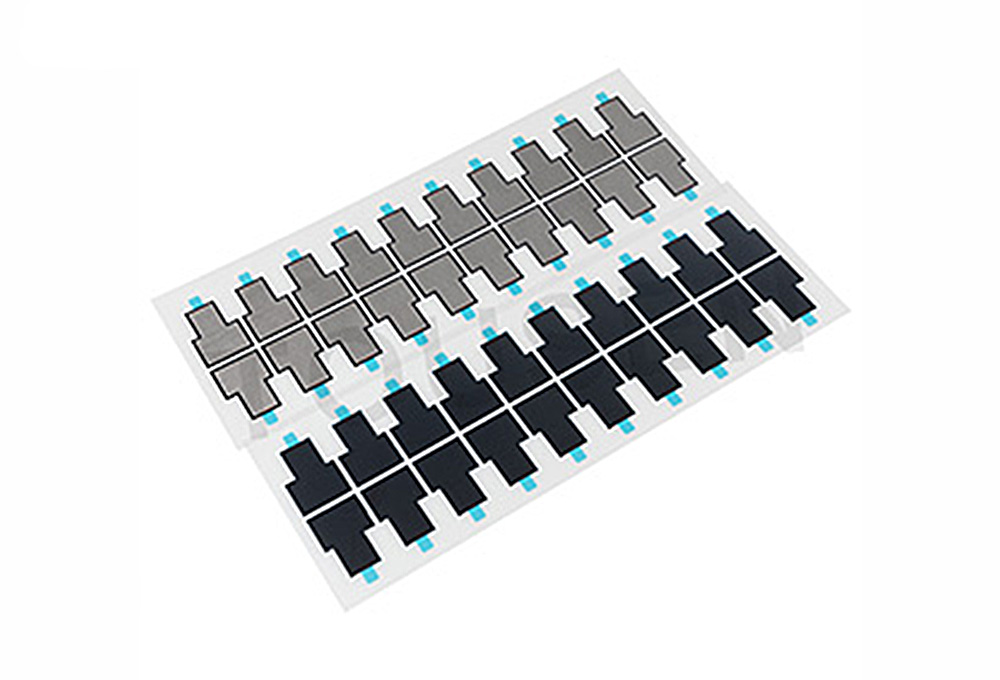
Thermal Heat Pad Solutions for Automotive Electronics Cooling
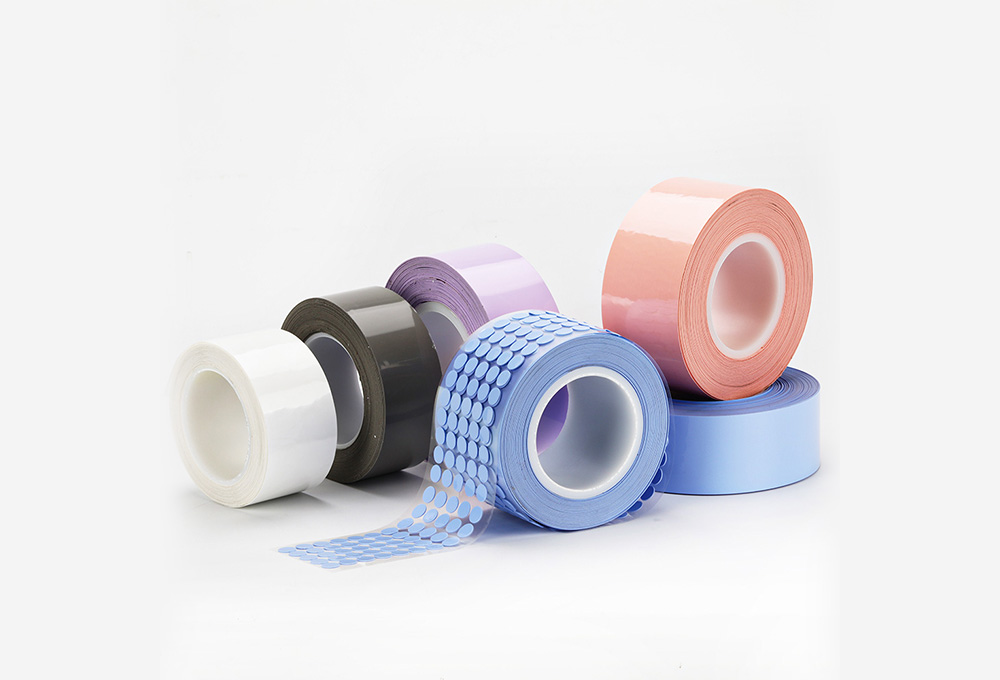
Why Thermal Heat Pad Solutions Are Becoming Essential for Automotive Electronics Thermal Management
With the rapid development of electric vehicles, autonomous driving systems, advanced driver assistance systems (ADAS), and intelligent automotive electronics, thermal management has become one of the most critical engineering challenges in vehicle design. Modern automotive electronic components are becoming smaller while integrating higher computing power and electrical performance, which results in increased heat generation inside limited spaces.
For engineers designing automotive electronic systems, selecting the correct thermal interface material (TIM) is essential to maintain component reliability, improve operating efficiency, and extend product lifetime. Among different thermal management solutions, the thermal heat pad has become a widely adopted solution because it provides a stable, reliable, and easy-to-assemble thermal transfer interface between heat-generating components and heat dissipation structures.
Compared with traditional thermal materials such as thermal grease, phase change materials, and metal-based solutions, silicone thermal interface pads provide unique advantages in automotive applications, especially where mechanical tolerance, electrical insulation, vibration resistance, and long-term reliability are required.
Challenges of Thermal Management in Automotive Electronics
Automotive electronics operate in significantly more demanding environments compared with consumer electronics. Electronic control units (ECUs), battery management systems (BMS), power modules, charging systems, sensors, and infotainment systems must continuously withstand temperature fluctuations, vibration, humidity, and long operating cycles.
During vehicle operation, components such as processors, MOSFETs, IGBTs, power ICs, and communication modules generate considerable heat. If this heat cannot be effectively transferred away, excessive temperature accumulation may accelerate component aging, reduce efficiency, and negatively affect system reliability.
From an engineering perspective, the main challenge is not only heat conduction itself, but also how to create a stable thermal path between uneven surfaces. Even precision-machined metal surfaces contain microscopic irregularities. Air gaps trapped between the component and heat sink have extremely poor thermal conductivity and can significantly increase thermal resistance.
A properly designed thermal pad fills these microscopic gaps, improving surface contact and creating a continuous heat transfer channel. This is why thermal pads are widely used in automotive electronic assemblies where stable thermal performance and mechanical reliability are equally important.
Why Engineers Choose Thermal Pads for Automotive Applications
A thermal pad is a soft and compressible thermal interface material typically made from silicone polymer filled with thermally conductive ceramic particles. Its primary function is to transfer heat from electronic components to heat spreaders, chassis structures, or cooling systems while maintaining electrical insulation.
In automotive electronics, the selection of a thermal pad is usually based on several engineering parameters, including thermal conductivity, thermal impedance, hardness, compression performance, dielectric strength, temperature resistance, and long-term aging stability.
Compared with liquid thermal materials, thermal pads provide several practical advantages:
- Controlled thickness: Thermal pads are manufactured with fixed thickness specifications, allowing engineers to accurately control assembly tolerance and compression requirements.
- Clean installation: Unlike thermal grease, thermal pads do not require dispensing equipment and avoid contamination risks during production.
- Mechanical buffering: The soft silicone structure can absorb vibration and compensate for dimensional differences between components.
- Electrical insulation: Silicone thermal pads provide excellent dielectric properties, making them suitable for high-voltage automotive electronic systems.
- Long-term reliability: Properly designed thermal pads maintain stable performance under thermal cycling and environmental stress.
For these reasons, thermal pads are commonly applied in automotive power electronics, battery systems, ECU modules, LED lighting systems, ADAS devices, and charging equipment. Industry suppliers also recognize thermal interface pads as an important solution for bridging gaps between electronic components and heat dissipation structures. :contentReference[oaicite:0]{index=0}
Thermal Pad vs Thermal Grease: Engineering Comparison
When selecting thermal interface materials, engineers often compare thermal pads with thermal grease. Both materials are designed to reduce thermal resistance, but their characteristics are different.
| Comparison | Thermal Pad | Thermal Grease |
|---|---|---|
| Application method | Pre-cut sheet, easy installation | Dispensing process required |
| Thickness control | Excellent, fixed thickness available | Depends on assembly process |
| Mechanical tolerance | Excellent gap filling capability | Limited for large gaps |
| Production efficiency | Suitable for automated assembly | Requires additional process control |
| Reliability | Stable under vibration and thermal cycling | Possible pump-out or migration issues |
Thermal grease may provide very low initial thermal resistance in certain applications, but automotive designs usually require long-term stability under vibration and temperature cycling. Therefore, thermal pads are often preferred when reliability, consistency, and manufacturing efficiency are major considerations.
Advantages of Silicone Thermal Pads Compared with Other Thermal Materials
Among various thermal interface materials, silicone thermal pads have become one of the most balanced solutions for automotive electronics because they combine thermal performance with mechanical flexibility.
Compared with metal thermal interface materials, silicone thermal pads provide better compliance and can effectively fill irregular surfaces. Metal solutions may achieve high thermal conductivity, but they usually require more complex mechanical structures and cannot easily compensate for assembly tolerance.
Compared with thermal adhesives, thermal pads provide easier maintenance and replacement because they do not permanently bond components together. This is particularly valuable during product development, testing, and service processes.
Compared with liquid gap fillers, thermal pads offer faster assembly processes because they are supplied as ready-to-use components. Engineers can select different thicknesses, hardness levels, and thermal conductivity grades according to application requirements.
Engineering Selection Criteria for Automotive Thermal Heat Pad Applications
When selecting a suitable thermal heat pad for automotive electronics, engineers need to evaluate the entire thermal system rather than focusing only on thermal conductivity values. A high thermal conductivity rating does not always guarantee better real-world performance because interface pressure, contact resistance, component structure, and environmental conditions also influence heat transfer efficiency.
The key parameters that should be considered include:
- Thermal conductivity: Determines the material’s ability to transfer heat. Different automotive applications may require thermal conductivity levels ranging from standard solutions to high-performance grades.
- Thermal resistance: Represents the actual heat transfer efficiency after considering material thickness and interface conditions.
- Hardness and compressibility: A suitable hardness level ensures sufficient contact with components while maintaining mechanical stability.
- Temperature resistance: Automotive environments often require materials capable of operating continuously under wide temperature ranges.
- Electrical insulation performance: Particularly important for battery systems, power modules, and high-voltage electronic components.
- Reliability under vibration: Vehicles experience continuous mechanical stress, requiring materials with excellent flexibility and durability.
From an engineering viewpoint, the best thermal heat pad solution is not necessarily the material with the highest thermal conductivity, but the one that provides the best balance between thermal performance, mechanical properties, manufacturing requirements, and long-term reliability.
TOUSEN Silicone Thermal Pads for Automotive Electronics Thermal Management
To meet the increasing thermal management requirements of automotive electronics, TOUSEN provides a range of silicone thermal pads designed for reliable heat transfer applications. These thermal interface materials are developed to help engineers solve common challenges such as uneven contact surfaces, limited installation space, vibration conditions, and high reliability requirements.
TOUSEN silicone thermal pads use silicone-based materials filled with high-performance thermally conductive fillers. The flexible structure enables efficient gap filling between heat sources and cooling components, reducing thermal resistance and improving overall system stability.
The product series offers different thicknesses, thermal conductivity grades, and mechanical characteristics to support various automotive and electronic applications. Engineers can select suitable thermal pads according to specific requirements, including power density, assembly tolerance, and operating environment.
More information about TOUSEN silicone thermal pad solutions can be found here: //www.itousen.com/silicone-thermal-pads.html
Typical application areas include:
- Automotive electronic control units (ECU)
- Battery management systems (BMS)
- Electric vehicle power modules
- Charging equipment and charging piles
- ADAS electronic systems
- LED automotive lighting systems
- Vehicle communication and computing modules
Thermal Heat Pad Applications in Electric Vehicle Battery Systems
The growth of electric vehicles has created higher requirements for thermal management inside battery packs. Battery cells must operate within a controlled temperature range to maintain safety, performance, and service life.
In battery pack structures, thermal heat pad materials are commonly used between battery modules, cooling plates, and thermal management components. Their flexible properties allow them to compensate for manufacturing tolerances while maintaining efficient heat transfer.
Compared with rigid thermal solutions, silicone-based thermal pads can better adapt to battery assembly variations. They also provide electrical insulation, which is important for high-voltage battery systems.
For engineers developing EV battery thermal systems, selecting reliable thermal pads helps improve temperature consistency between battery cells and supports safer operation during charging, discharging, and high-load conditions.
Future Development Trends of Thermal Pads in Automotive Electronics
As automotive electronics continue evolving toward higher intelligence and electrification, thermal management requirements will become increasingly complex. Future vehicles will integrate more processors, higher-power semiconductor devices, and advanced computing platforms, resulting in higher heat density.
This trend will drive continuous improvement in thermal interface materials. Next-generation thermal pads will focus on higher thermal conductivity, lower thermal resistance, improved reliability, thinner designs, and better compatibility with automated manufacturing processes.
For automotive engineers, choosing the appropriate thermal management material at the early design stage can significantly improve product reliability and reduce future maintenance risks. A properly selected thermal pad solution provides a practical balance between performance, cost, and manufacturability.
Conclusion
In modern automotive electronics, effective heat management is essential for ensuring system reliability and long-term performance. Thermal heat pad technology has become an important solution because it combines efficient heat transfer, electrical insulation, mechanical flexibility, and production efficiency.
Compared with thermal grease, thermal adhesives, and traditional rigid thermal materials, silicone thermal pads provide advantages in gap filling capability, vibration resistance, assembly convenience, and long-term stability. These characteristics make them particularly suitable for demanding automotive applications including EV batteries, power electronics, ECUs, and intelligent vehicle systems.
As automotive technology continues moving toward electrification and intelligence, high-quality thermal pads will remain a critical component in thermal management design. Selecting a reliable thermal interface partner and suitable thermal materials can help engineers create safer, more efficient, and more durable electronic systems.
Thermal Pads for Rail Transit Electronics and Power Systems
Thermal Heat Pad and Thermal Pads for Power Module Cooling
Related Article