Engineering Guide to Kapton Tape and Heat Resistant Tape Applications
An Engineering Perspective on Heat Resistant Tape and Heat Transfer Tape
In practical high-temperature applications, the terms heat resistant tape and heat transfer tape are frequently used by end users, especially at the retail and application level. From an engineering standpoint, however, these terms do not define materials. Instead, they describe how a tape behaves under specific thermal processes.
This article examines these two application-oriented concepts through an engineering lens, focusing on material behavior, process conditions, and performance boundaries. By comparing KAPTON TAPE (polyimide tape) and PET high-temperature tape, we aim to clarify why different applications naturally lead to different material choices.


1. Heat Resistant Tape: Engineering Requirements Driven by Thermal Stability
In engineering practice, the primary requirement of a heat resistant tape is not the highest possible temperature rating, but predictable performance within a defined thermal window. Engineers evaluate how a tape behaves during heating, dwell time, and cooling, rather than relying solely on a nominal temperature value.
Key concerns typically include dimensional stability under heat, changes in adhesion during thermal exposure, and the condition of the surface after tape removal.
1.1 Electronics Assembly and Soldering Processes
In PCB assembly, rework, and component protection, heat resistant tape is commonly used for temporary masking and positioning. These processes often involve rapid temperature ramps and short-term exposure to elevated temperatures.
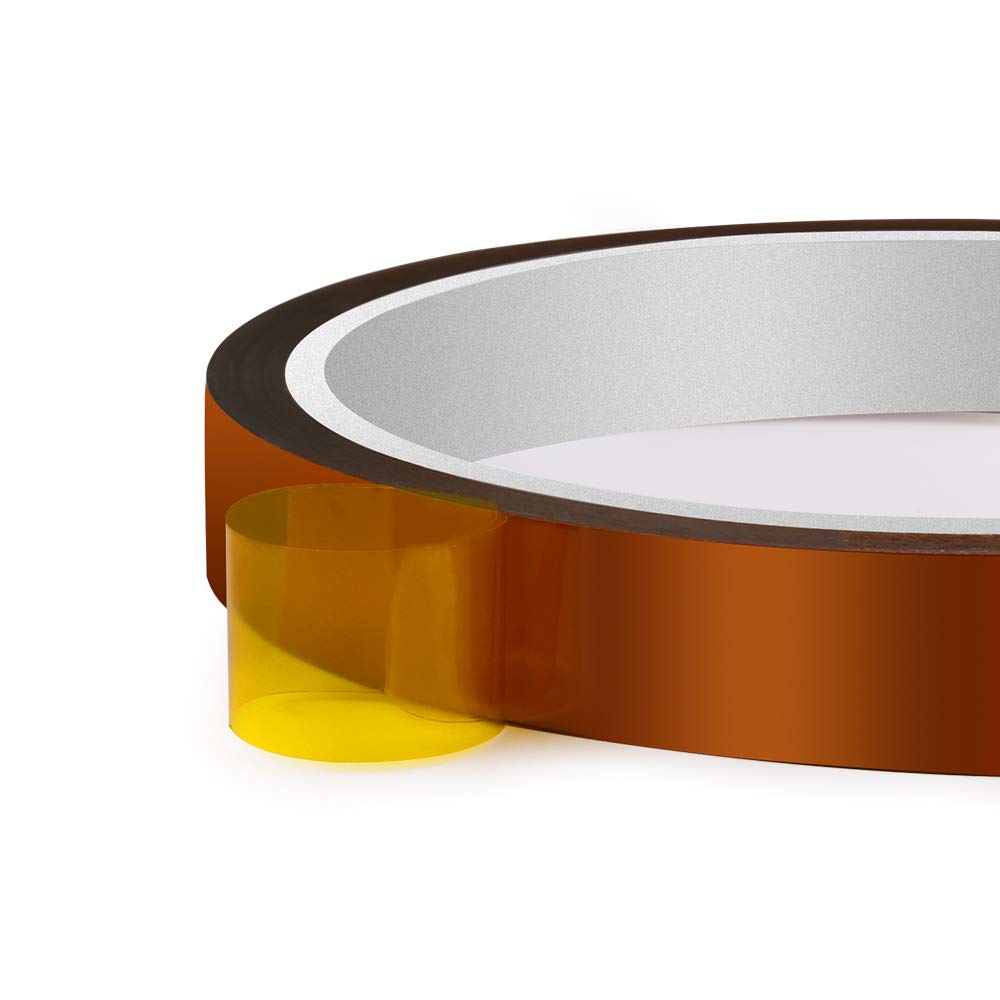
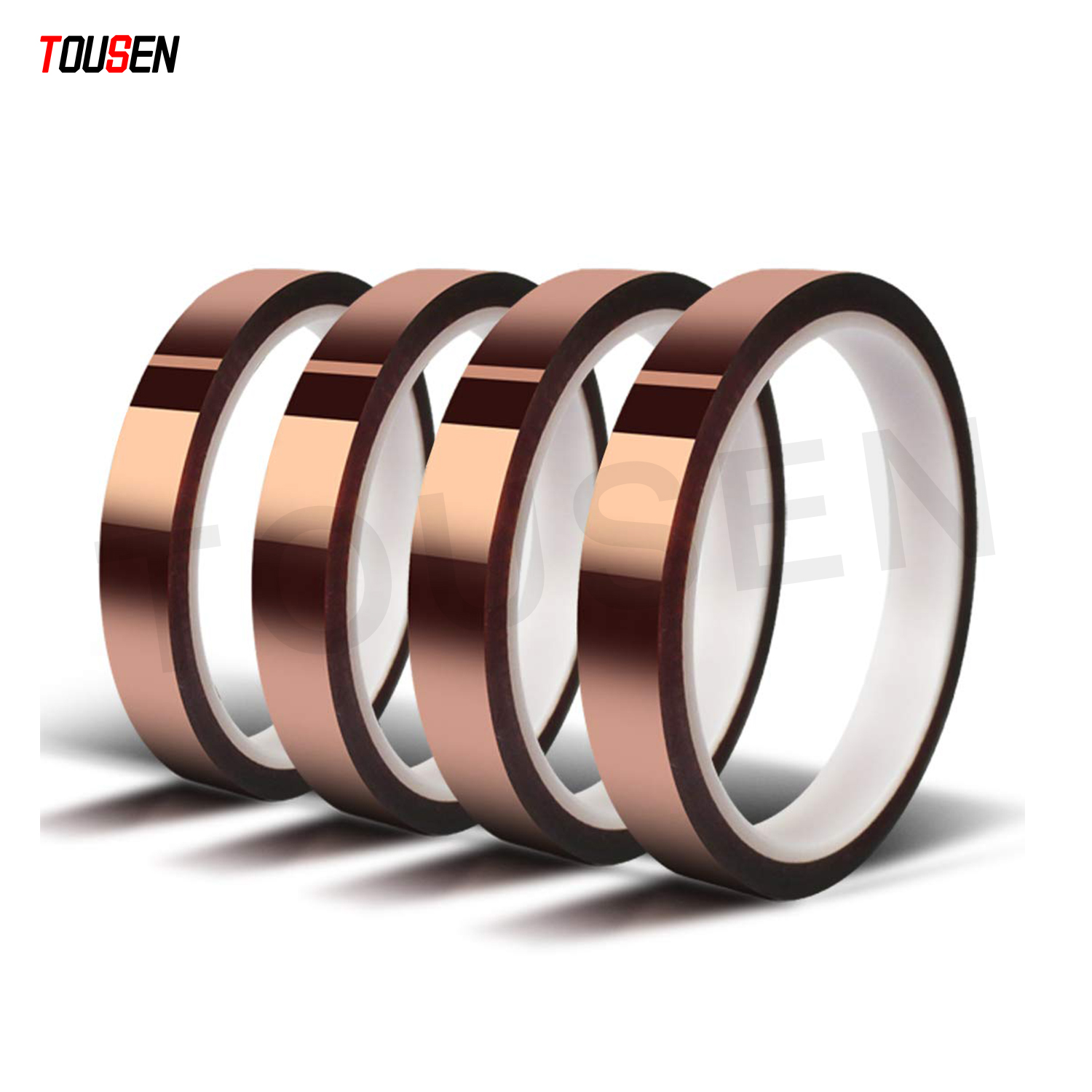
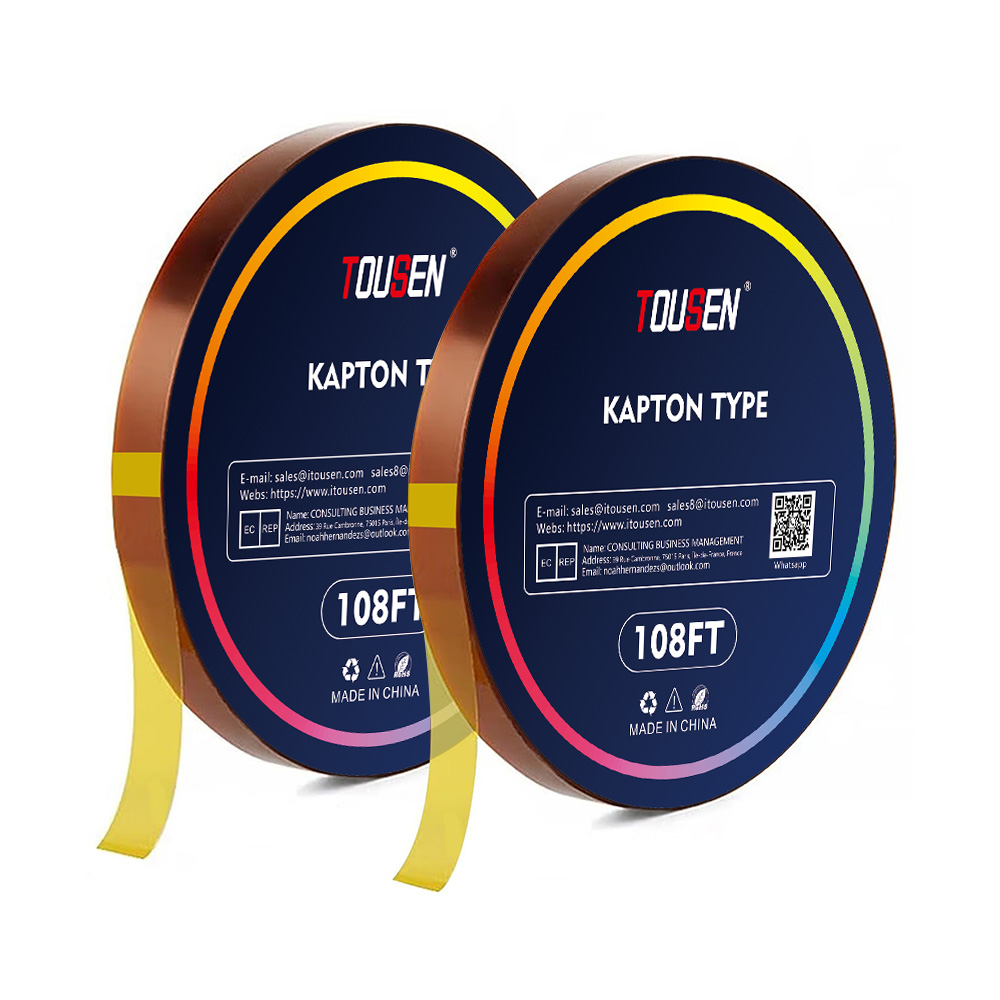
KAPTON TAPE, based on a polyimide film, is frequently selected for such applications due to its low thermal shrinkage and stable mechanical properties during heating. Its performance remains consistent across multiple thermal cycles, which is critical for repeatable manufacturing processes.
PET-based high-temperature tapes can perform reliably in moderate temperature ranges, but as operating temperatures approach material limits, changes in stiffness, adhesion, or edge stability may become more noticeable. As a result, PET tapes are generally preferred for less demanding thermal profiles.
1.2 High-Temperature Fixation and Electrical Insulation
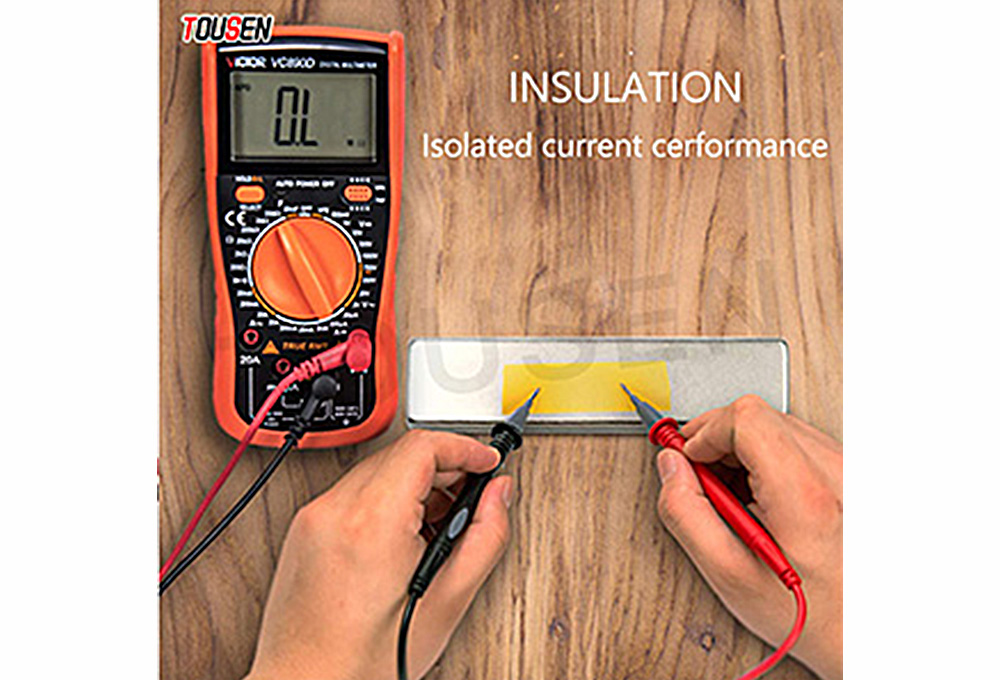
In applications requiring both heat resistance and electrical insulation, long-term material behavior becomes a decisive factor. Continuous or repeated heat exposure accelerates material aging, making stability over time more important than short-term performance.
From an engineering selection standpoint, polyimide tapes are better suited for applications where thermal and electrical reliability must be maintained over extended periods. PET tapes are more appropriate for short-duration or non-critical thermal processes.
2. Heat Transfer Tape: Process Control During Thermal Pressing
The term heat transfer tape is most commonly associated with heat-press, transfer, and lamination processes. Unlike heat resistant tape, the primary focus here is not extreme temperature tolerance, but controlled adhesion during a defined heat and pressure cycle.
2.1 Heat Transfer in Textile and Graphic Applications
In garment decoration and textile processing, heat transfer tape is used to temporarily secure films or graphics during thermal pressing. Typical process temperatures are moderate, but the quality of release after heating is critical.
Users are primarily concerned with clean removal, consistent adhesion during pressing, and the absence of residue that could affect the final appearance. PET-based heat transfer tapes are widely used in these applications due to their flexibility and ease of handling.
In cases involving higher press temperatures or sensitive substrates, polyimide-based tapes provide a wider safety margin, offering more stable behavior under thermal load.
2.2 3D Printing and Heated Bed Applications
In FDM 3D printing, heat transfer tape is often applied to heated beds to assist with material adhesion during printing. Here, the tape operates continuously at elevated temperatures, but must also allow easy part removal after cooling.
This application lies between heat resistant and heat transfer functionality. The tape must maintain consistent surface characteristics under heat while remaining dimensionally stable across repeated heating cycles. Polyimide tapes are frequently chosen for this balance of properties.
3. What Engineers Actually Evaluate Beyond the Name
Regardless of whether a tape is labeled as heat resistant tape or heat transfer tape, engineers ultimately focus on performance parameters rather than terminology.
- Stability within the actual process temperature range
- Predictability of adhesion and release behavior
- Impact on the substrate after removal
This is why both polyimide and PET high-temperature tapes coexist in practical product portfolios. Each material addresses a different combination of thermal, mechanical, and operational requirements.
4. Engineering-Oriented Positioning of TOUSEN High-Temperature Tapes
From an application standpoint, TOUSEN’s high-temperature adhesive tape range is structured to address distinct thermal and process conditions. Rather than focusing on a single performance extreme, the product line emphasizes controlled behavior and consistency.
Polyimide-based tapes are suited for applications requiring higher thermal stability, while PET-based options support efficient operation in moderate-temperature transfer and masking processes. The common engineering objective is reliable, repeatable performance.
Detailed product specifications are available at: TOUSEN High Temperature Adhesive Tape
Conclusion
From an engineering perspective, heat resistant tape and heat transfer tape are not opposing categories, but different expressions of how high-temperature tapes are used.
Understanding actual process conditions — including temperature, time, pressure, and substrate — is essential for selecting the appropriate material. When evaluated correctly, both KAPTON TAPE and PET high-temperature tape play indispensable roles in modern thermal processes.
Heat Transfer Tape for Apparel, DIY and 3D Printing Applications
High Temperature PI Kapton Tape for Electronics and Heat Transfer
Related Article