Kapton Tape Guide Uses Thickness Engineering Applications

Kapton Tape from an Engineer’s Perspective: Applications, Thickness, and Material Performance
In modern high-performance manufacturing, material selection is often the deciding factor between long-term reliability and early failure. Engineers frequently ask: what is kapton tape used for, and why has this material become a standard solution in electronics, aerospace, and thermal management applications? This article provides a technical and objective analysis of kapton tap, focusing on its functional properties, typical industrial uses, and the engineering importance of kapton tape thickness, while also introducing a proven industrial-grade product solution.
What Is Kapton Tape and What Is Kapton Tape Used For?
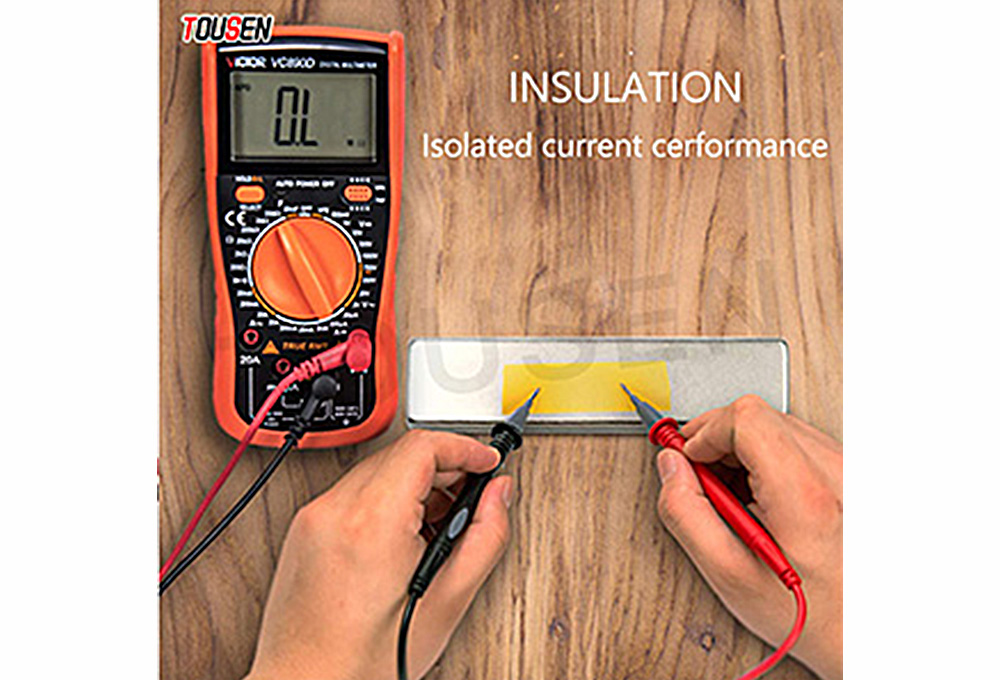
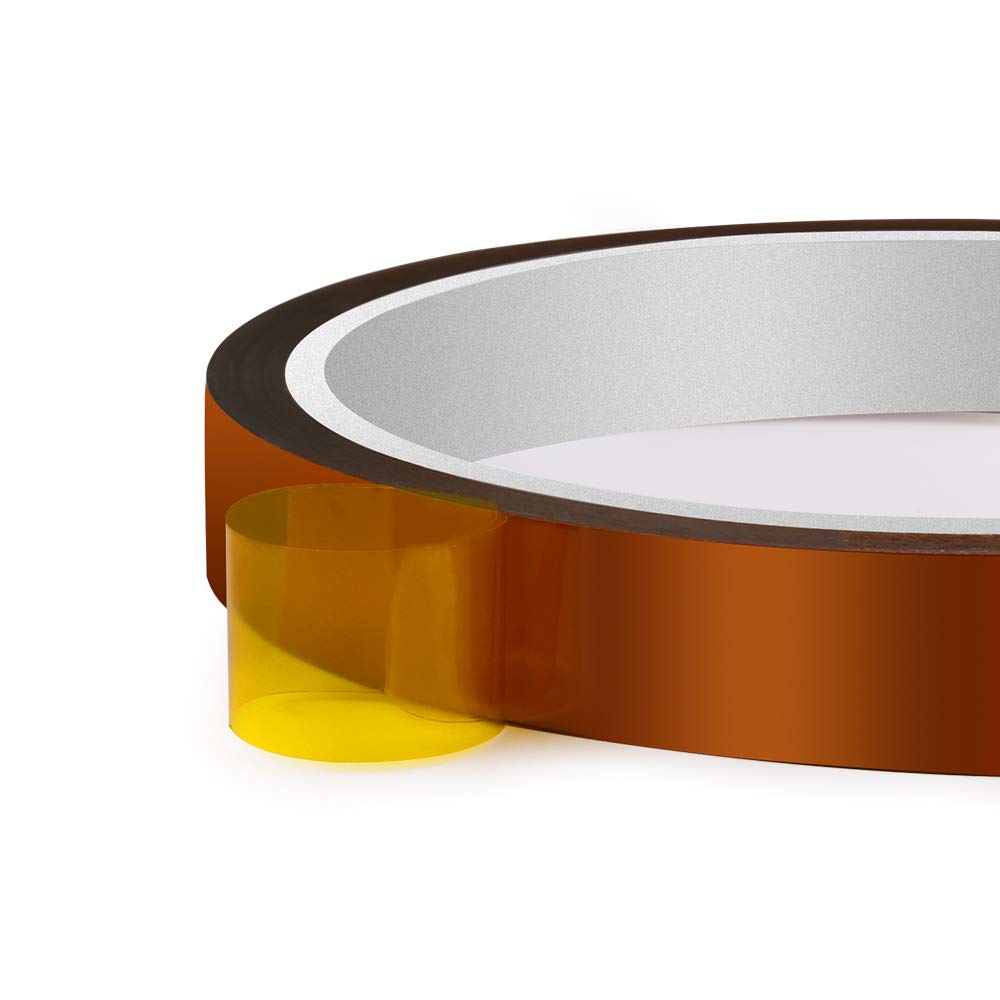
Kapton tape is a high-performance adhesive tape based on polyimide film, known for its exceptional thermal stability, chemical resistance, and electrical insulation properties. It maintains mechanical integrity and dielectric performance across a wide temperature range, making it suitable for demanding industrial environments.
When engineers evaluate what is kapton tape used for, the most common and validated applications include:
- High-temperature masking during reflow soldering and wave soldering processes
- Electrical insulation in motors, transformers, and electronic assemblies
- Chemical-resistant surface protection during coating or etching operations
- Thermal shielding and temporary fixation in aerospace and composite manufacturing
Because of these characteristics, kapton tap is widely considered a functional engineering material rather than a simple consumable. It plays a direct role in process stability, product yield, and long-term reliability.
Engineering Significance of Kapton Tape Thickness
Among all technical parameters, kapton tape thickness has a direct and measurable impact on mechanical strength, thermal insulation, and dielectric performance. Typical industrial options range from approximately 12 µm to 125 µm, each serving distinct engineering requirements.
- Thin kapton tape thickness (below 25 µm): ideal for precision masking, flexible circuit protection, and complex geometries
- Medium thickness (25–75 µm): balanced mechanical stability and thermal resistance, commonly used in PCB manufacturing
- Thicker structures (above 75 µm): enhanced durability for insulation layers under mechanical or thermal stress
Selecting the appropriate kapton tape thickness requires a clear understanding of operating temperature, electrical insulation requirements, and mechanical load. Inadequate thickness may compromise protection, while excessive thickness can reduce conformability and process efficiency.
Typical Industrial Scenarios: What Is Kapton Tape Used For in Practice?
SMT and Reflow Soldering Protection
In surface-mount technology (SMT), kapton tap is widely used to protect sensitive connectors, plastic housings, and test points from solder exposure. During reflow processes exceeding 230 °C, the tape remains dimensionally stable and leaves minimal adhesive residue. This directly improves production yield and reduces post-process cleaning effort.
This is one of the most common answers when engineers discuss what is kapton tape used for in electronics manufacturing.
Aerospace Thermal and Structural Shielding
In aerospace assembly and composite fabrication, kapton tap provides temporary thermal shielding and surface protection without introducing contamination risks. Engineers often specify exact kapton tape thickness to manage localized heat transfer and maintain dimensional tolerances during curing cycles.
Motor and Transformer Electrical Insulation
For rotating equipment and power devices, kapton tap serves as a reliable insulation layer in coil windings and terminal protection. Here, dielectric strength and thermal endurance are equally critical, and proper kapton tape thickness contributes to both electrical safety and mechanical integrity of the insulation system.
Engineering Criteria for Selecting High-Quality Kapton Tape
From an engineering procurement standpoint, performance consistency is more critical than nominal specifications. Key evaluation factors for kapton tap include:
- Dielectric strength and long-term insulation reliability
- Thermal endurance under continuous operating temperatures
- Adhesive stability with minimal residue after high-temperature exposure
- Consistent and verified kapton tape thickness tolerances
Material traceability and production stability are also important for large-scale industrial applications, where batch consistency directly affects manufacturing quality.
Recommended Industrial Solution: Polyimide Kapton Tape by ITousen
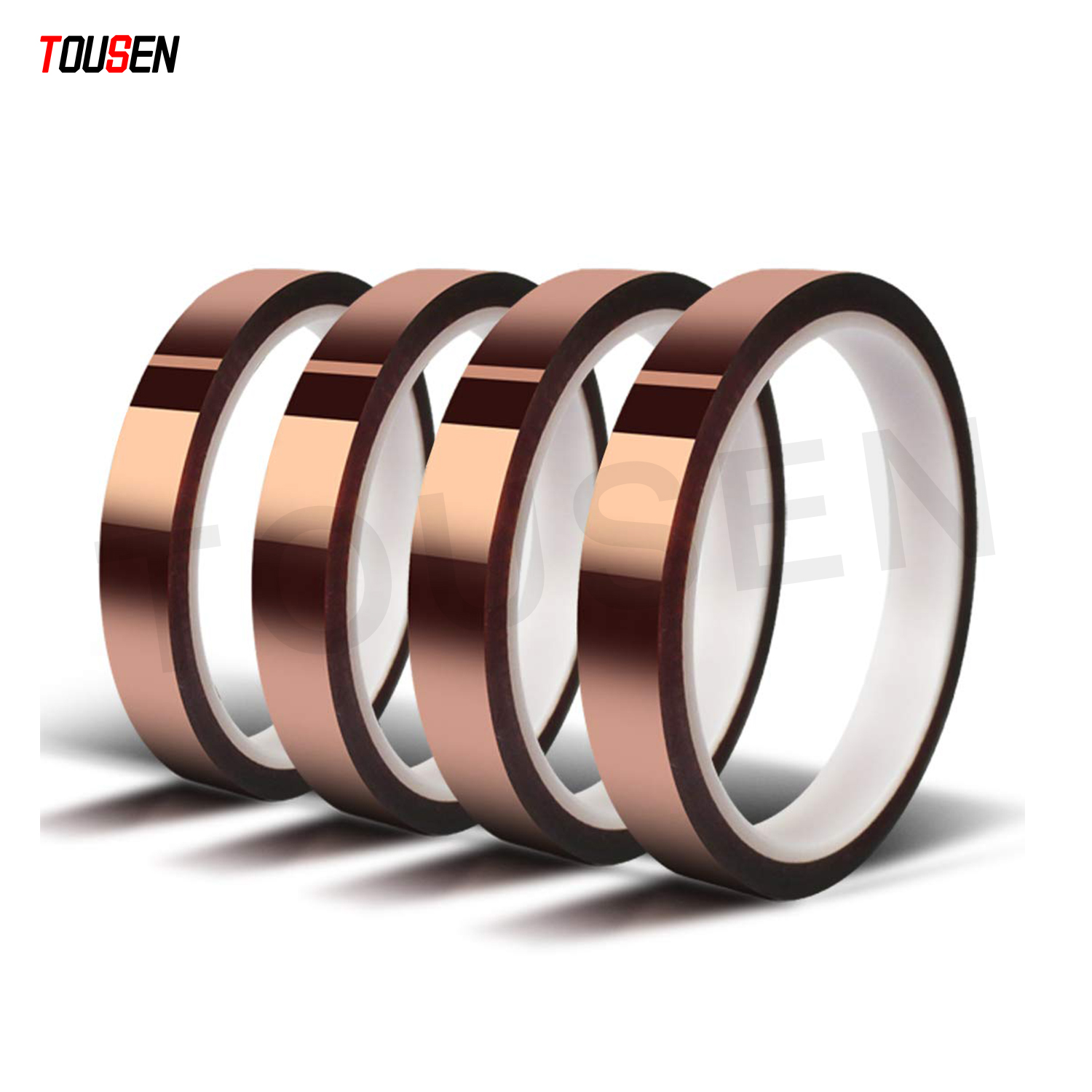
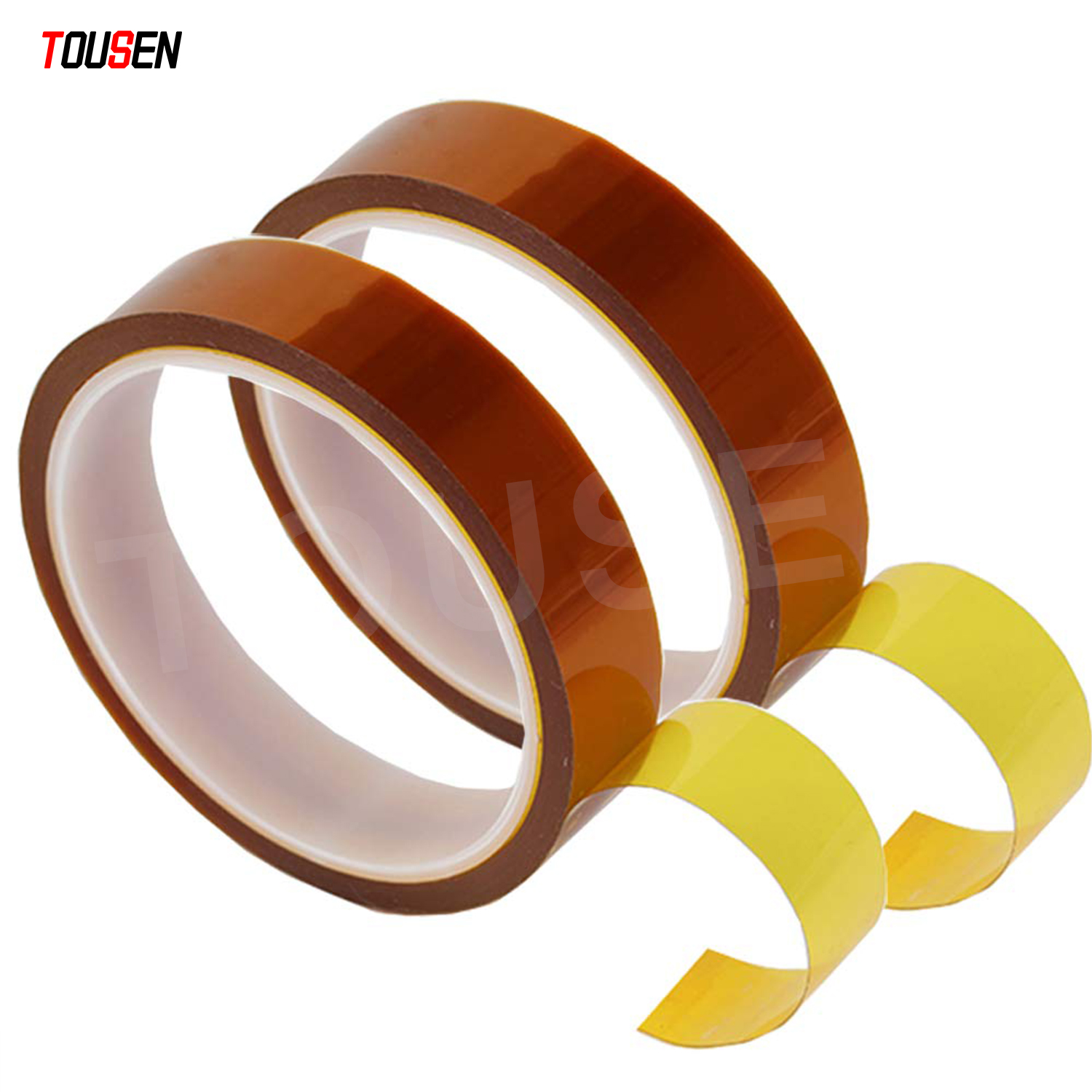
For applications requiring stable performance under high thermal and electrical stress, the ITousen Polyimide Kapton Tape offers an industrial-grade solution designed for demanding production environments.

This product is suitable for a wide range of scenarios where engineers evaluate what is kapton tape used for, including solder masking, electrical insulation, and thermal protection. Multiple options of kapton tape thickness are available to support different mechanical and thermal design requirements, enabling more precise material selection and improved process reliability.
With stable adhesive performance and controlled film uniformity, this kapton tap is designed to meet the expectations of professional manufacturing environments that require both performance consistency and scalable supply.
Conclusion: Engineering Value of Kapton Tape in High-Reliability Manufacturing
From an engineering perspective, kapton tap is not simply a protective tape but a functional material that directly influences process control and product reliability. Understanding what is kapton tape used for in each application context allows engineers to optimize production quality while reducing failure risks.
At the same time, selecting the correct kapton tape thickness is essential for balancing insulation performance, mechanical durability, and manufacturing efficiency. When combined with high-quality material production and reliable supply chains, kapton tape becomes an integral component in high-performance manufacturing systems.
For engineering teams seeking stable, industrial-grade materials, professional polyimide tape solutions such as those offered by ITousen provide a practical and technically sound option for long-term production reliability.
Kapton Tape Guide: Performance, Selection & Applications
Related Article