Kapton Tape Guide: Performance, Selection & Applications
High-Performance Kapton Tape: An Engineer’s Guide to Selection and Application
In electronics manufacturing, precision assembly, 3D printing, aerospace systems, and laboratory research, Kapton® polyimide tape is widely recognized as a critical functional material. When engineers search for kapton tape near me or kapton tape nearby, they are not simply looking for local availability, but for a solution that can reliably withstand thermal stress, electrical load, and long-term environmental exposure. Likewise, demand for double sided kapton tape continues to grow as modern assemblies require compact, non-mechanical bonding solutions with stable insulating properties.
This article presents an objective and technically grounded overview of Kapton tape, covering material fundamentals, performance metrics, typical applications, and practical selection criteria, while also introducing a proven industrial-grade solution available from ITOSEN.
What Is Kapton (Polyimide) Tape?
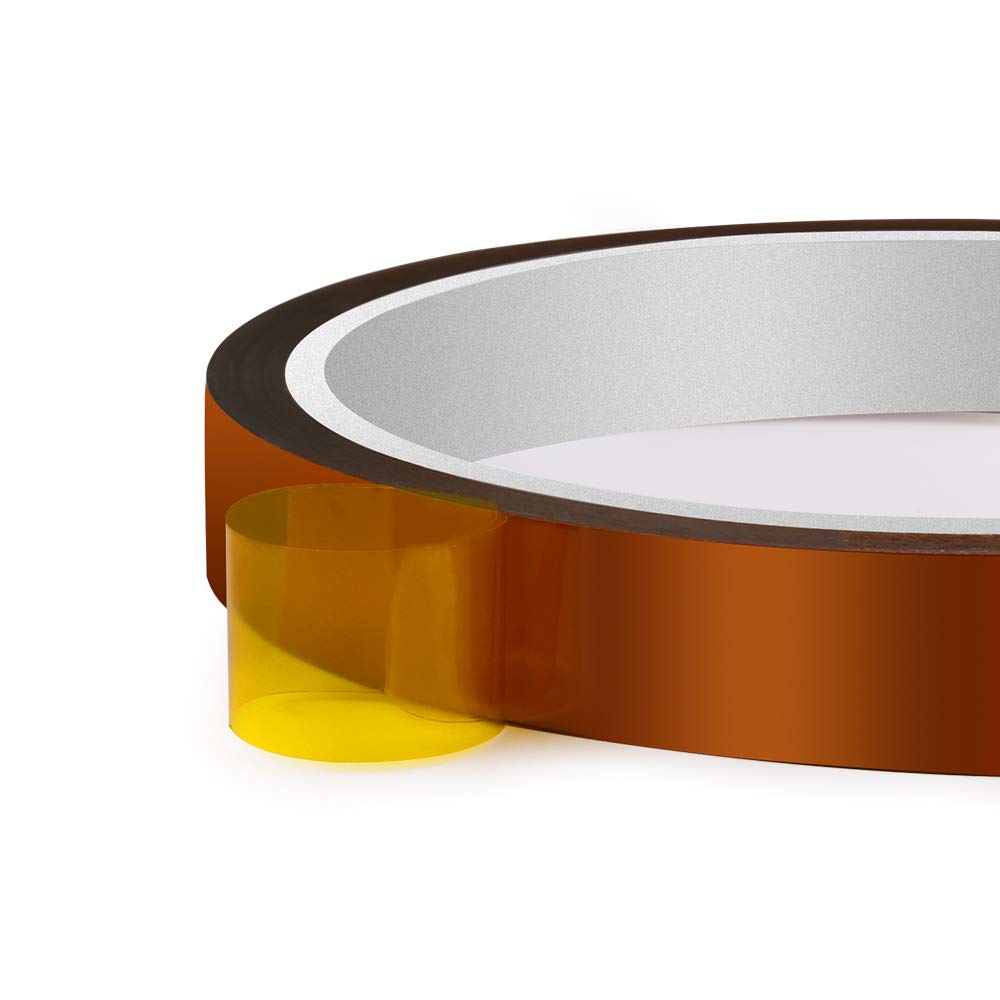
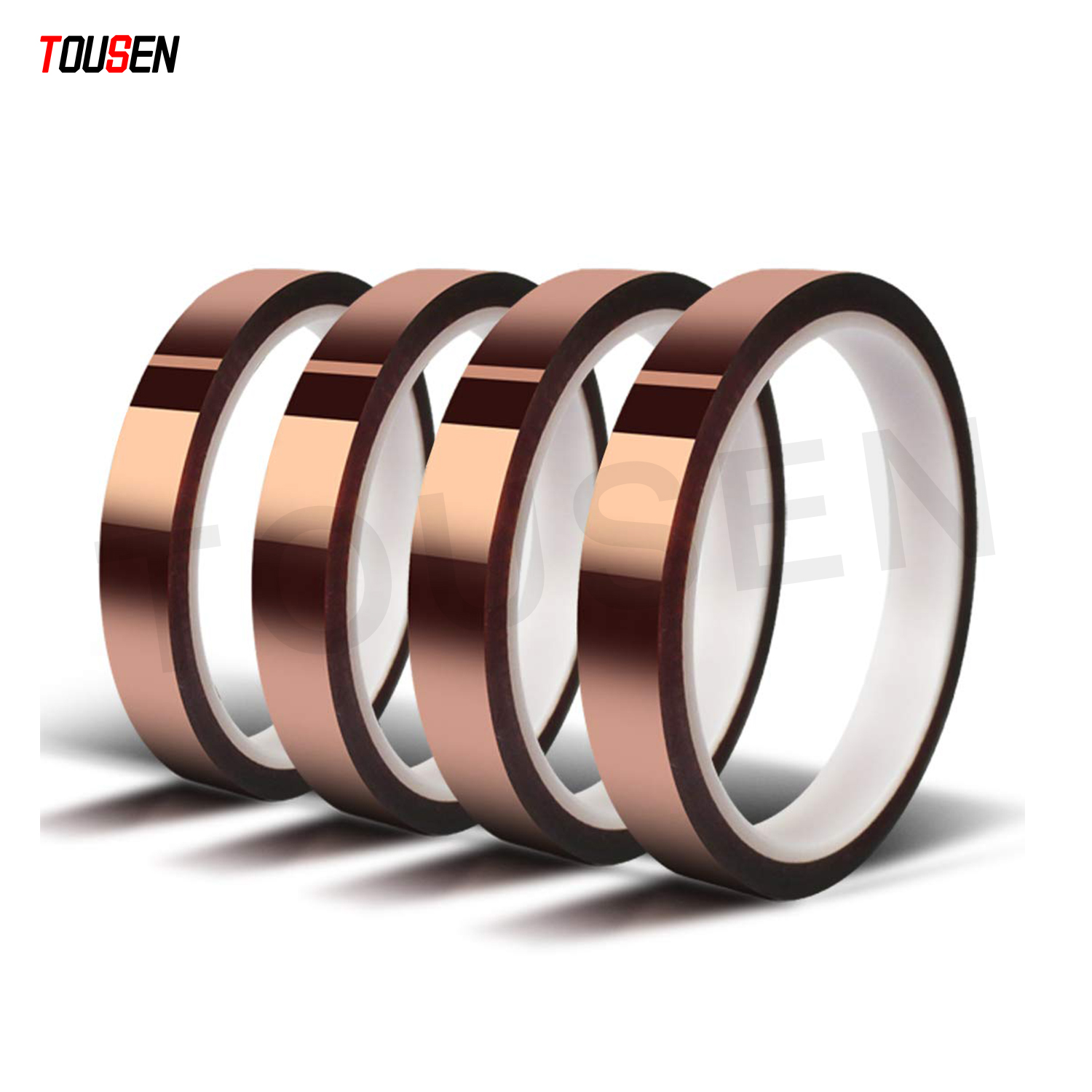
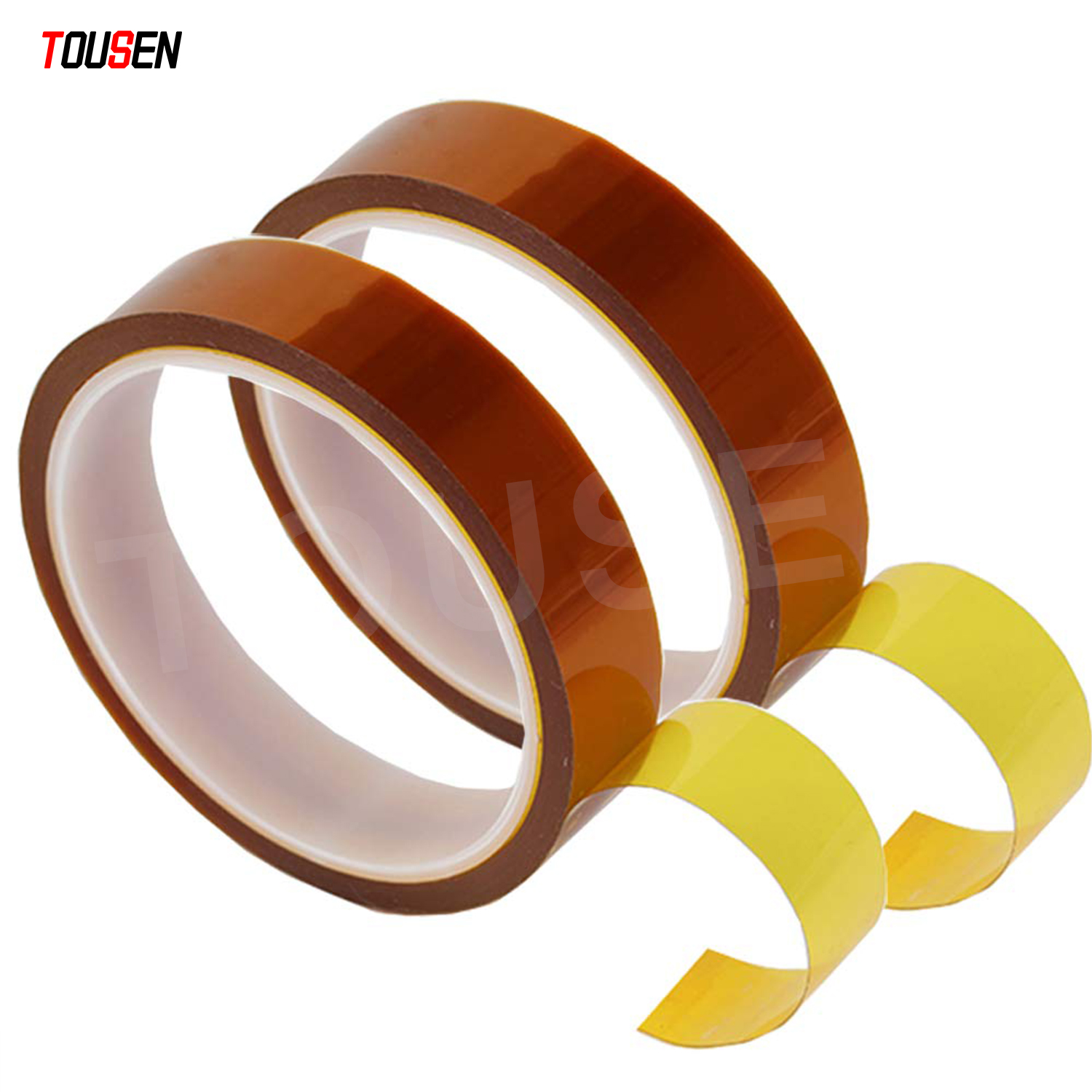
Kapton tape is manufactured from polyimide film coated with high-performance silicone or acrylic adhesives. Polyimide is known for its exceptional thermal stability, dielectric strength, and chemical resistance. These intrinsic material characteristics allow Kapton tape to maintain mechanical and electrical integrity under extreme conditions where conventional polyester or PVC tapes would rapidly degrade.
For engineers evaluating kapton tape near me as part of a supply search, it is important to recognize that not all polyimide tapes offer identical performance. Film thickness, adhesive formulation, and curing processes all influence final product reliability in production environments.
Key Performance Characteristics
Thermal Stability
One of the defining properties of Kapton tape is its wide operating temperature range, typically from –269°C to +400°C. This makes it suitable for solder masking, wave soldering protection, thermal cycling tests, and high-temperature insulation layers.
Electrical Insulation
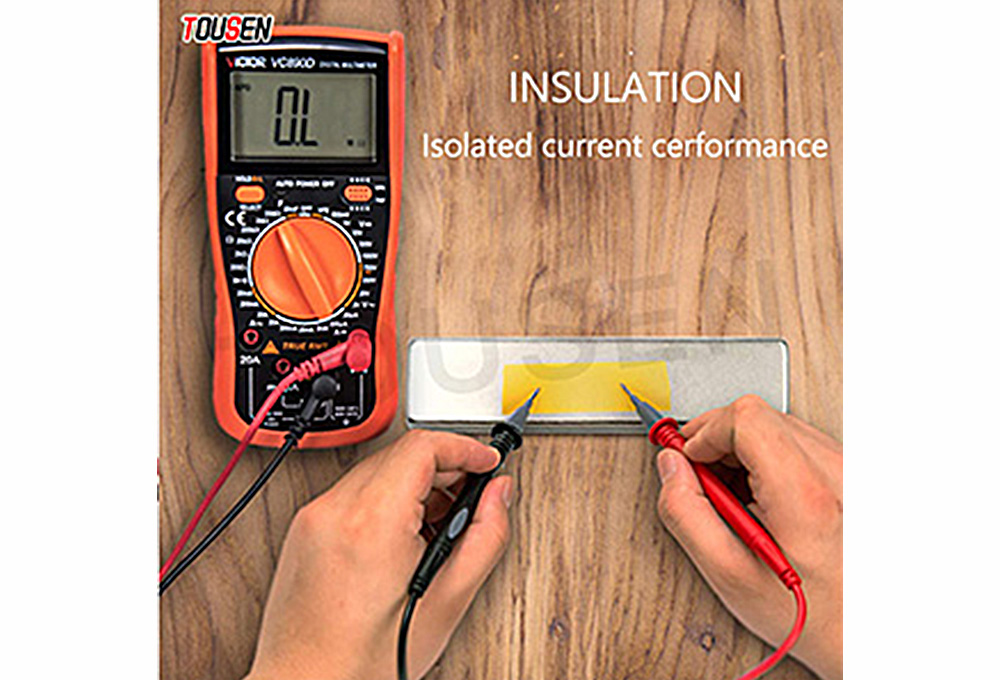
Polyimide films exhibit very high dielectric strength and low dielectric loss, even at elevated frequencies. This is essential for motor insulation, transformer wrapping, flexible circuits, and high-voltage electronic modules.
Chemical Resistance and Dimensional Stability
Kapton tape resists oils, solvents, and most industrial chemicals while maintaining dimensional stability under humidity and thermal stress. This minimizes the risk of deformation, adhesive migration, or insulation breakdown during long-term service.
Single-Sided vs. Double-Sided Kapton Tape
While standard single-sided Kapton tape is primarily used for masking and insulation, double sided kapton tape plays an increasingly important role in modern electronic assemblies and compact device structures.
Typical applications of double sided kapton tape include:
- Bonding insulation layers within limited assembly space
- Fixing flexible circuits and sensor elements without mechanical fasteners
- Thermal interface positioning where electrical isolation is required
- Temporary or semi-permanent fixture during high-temperature processing
Compared with mechanical fastening, double sided kapton tape distributes stress more evenly and avoids localized deformation, which is particularly valuable for fragile electronic components.
Typical Engineering Applications
SMT and Wave Solder Masking
Kapton tape is frequently used to protect connectors, gold fingers, and temperature-sensitive components during soldering operations. Its resistance to molten solder temperatures and clean removal characteristics help reduce rework rates and contamination risks.
3D Printing Equipment Protection
In additive manufacturing, Kapton tape is commonly applied to heated beds and extruder assemblies. Its smooth surface finish and thermal durability provide both protection and dimensional consistency during prolonged printing cycles.
Aerospace and Scientific Instrumentation
In aerospace structures and experimental equipment, Kapton insulation is used where extreme temperature variation, vacuum compatibility, and radiation resistance are required. Engineers searching for kapton tape nearby in these sectors typically prioritize certification consistency and batch traceability in addition to basic performance metrics.
Engineering Selection Guidelines
Selecting the appropriate Kapton tape requires more than matching temperature ratings. Engineers should evaluate the following parameters:
- Operating temperature profile: including peak exposure and thermal cycling frequency
- Electrical requirements: voltage rating, dielectric thickness, and insulation margins
- Mechanical stress: vibration, shear force, and long-term creep behavior
- Adhesive compatibility: surface energy of substrates and residue tolerance
For applications involving permanent or structural bonding, double sided kapton tape with controlled adhesive thickness and stable shear performance is typically recommended.
ITOSEN Polyimide Tape Solution
To address diverse industrial requirements, ITOSEN provides high-performance polyimide tape solutions designed for thermal, electrical, and mechanical stability in demanding production environments.
Product details are available at:
https://www.itousen.com/products/polyimide-tape-75100.html

Key technical advantages of this product series include:
- Consistent high-temperature resistance suitable for soldering and thermal cycling
- Excellent dielectric performance for electrical insulation applications
- Optimized adhesive systems for secure bonding with minimal residue
- Multiple width and thickness options to support custom engineering designs
For engineers comparing options while searching for kapton tape near me or evaluating suppliers offering kapton tape nearby, these performance characteristics provide a reliable reference for material qualification and process validation.
Conclusion
Kapton polyimide tape remains an essential material in high-reliability engineering systems. Its unique combination of thermal endurance, electrical insulation, and chemical resistance supports a wide range of industrial and scientific applications.
Whether the requirement involves masking, insulation, or structural bonding using double sided kapton tape, proper material selection based on verified performance data is critical to long-term system reliability. Engineers are encouraged to evaluate both material properties and manufacturing consistency when qualifying suppliers.
By selecting proven solutions such as ITOSEN’s polyimide tape series, engineering teams can reduce process risk, improve assembly stability, and ensure dependable performance throughout the product lifecycle.
Kapton Tape Guide Uses Thickness Engineering Applications
Heat Tape Solutions: Kapton Tape & Heat Resistant Tape for Industry
Related Article