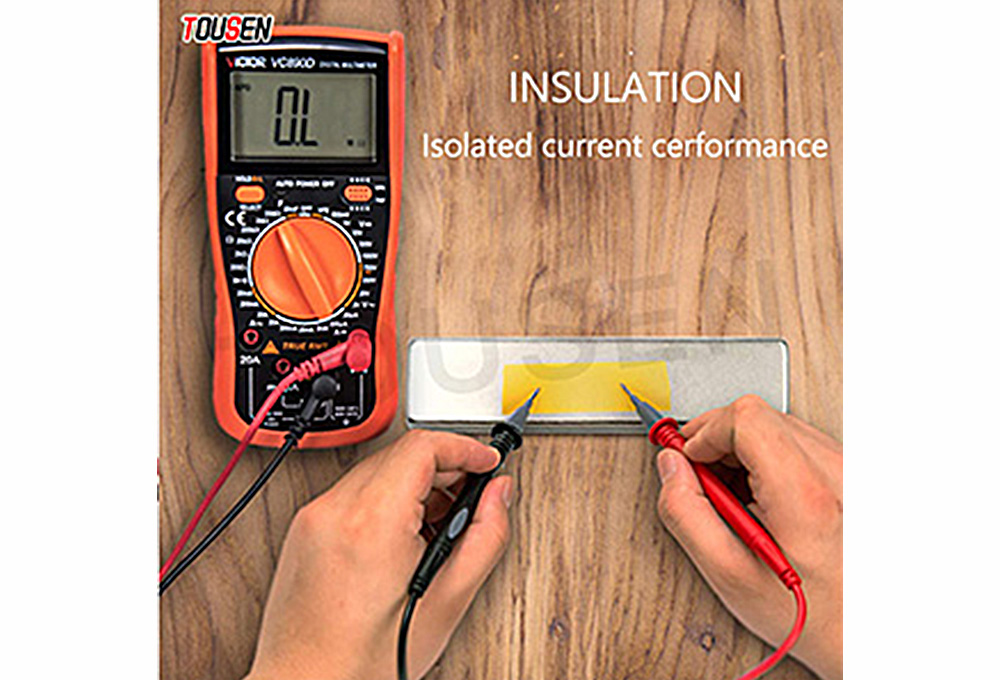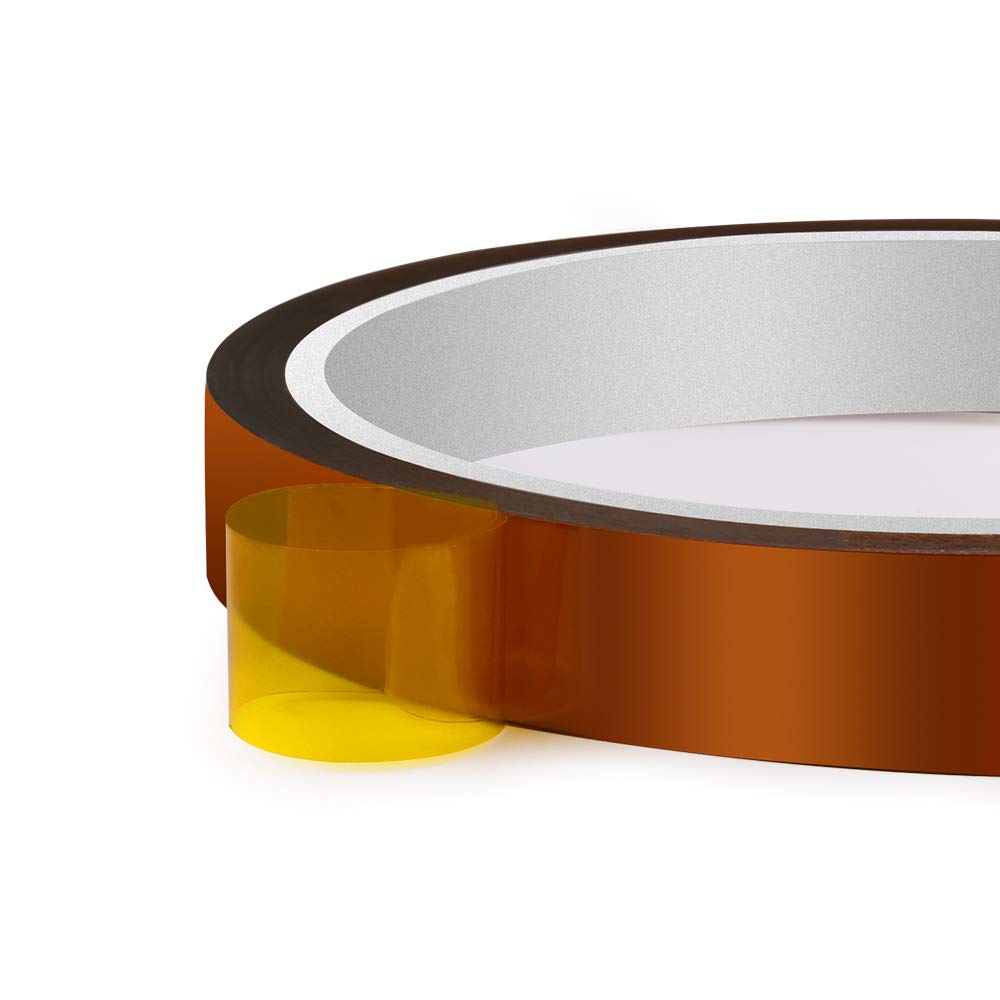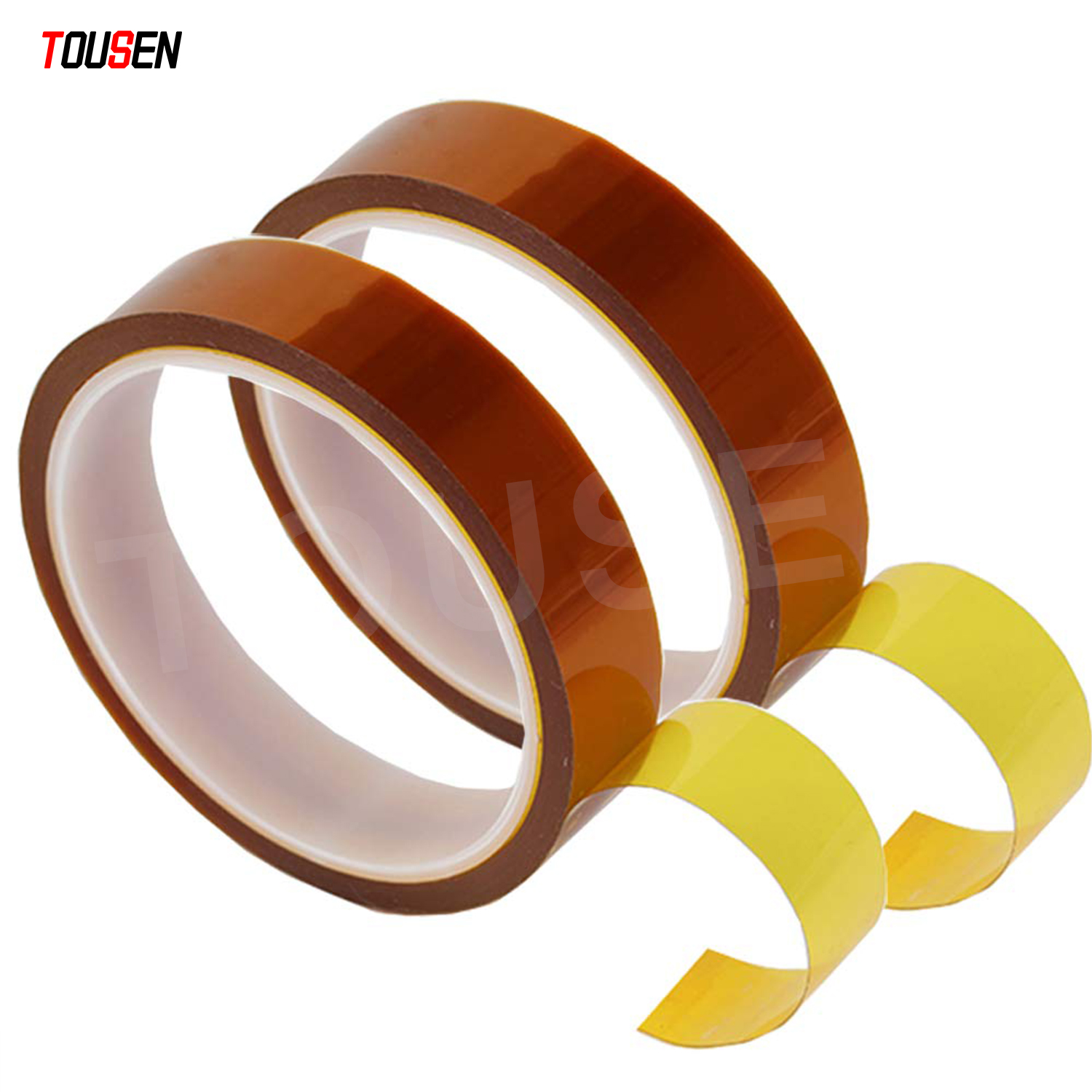
Polyimide Tape for Heat Tape, Heat Resistant and Heat Transfer Applications
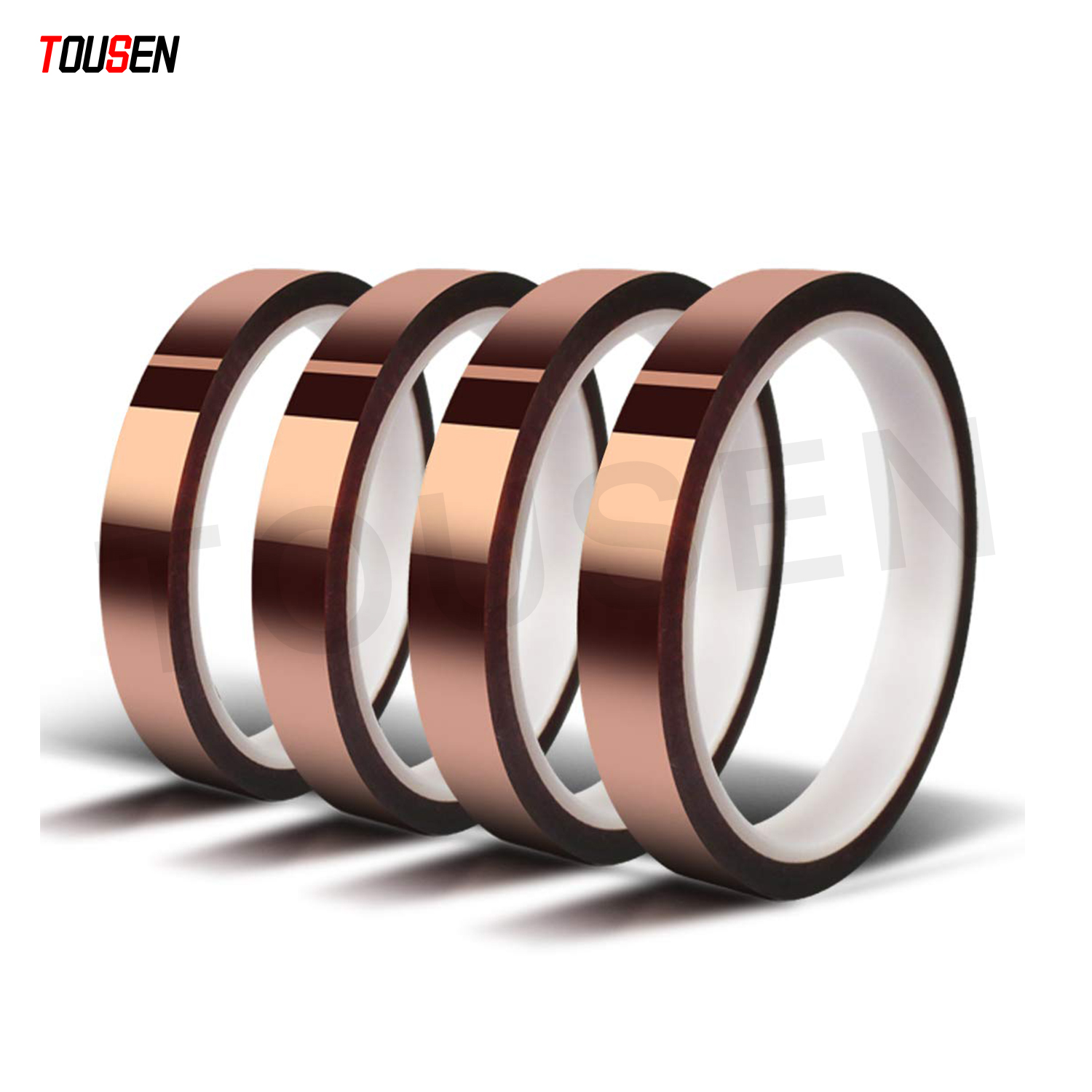
The Engineering Value of Polyimide Tape in High-Temperature Applications
A Single Material Covering Heat Tape, Heat Resistant Tape, and Heat Transfer Tape Requirements
In high-temperature engineering, electronics manufacturing, and industrial automation, adhesive tapes are often perceived as secondary materials. In practice, however, their performance frequently determines long-term system reliability—especially in applications involving heat exposure, thermal transfer, and repeated thermal cycling.
From an engineering standpoint, polyimide tape is a proven multifunctional material that naturally fulfills the functional roles of heat tape, heat resistant tape, and heat transfer tape. This classification is not driven by marketing terminology, but by long-term industrial validation across multiple sectors.
1. Understanding Heat Tape from an Engineering Perspective
In industrial systems, the term heat tape does not exclusively refer to active heating elements. More broadly, it describes tape materials that are designed to operate reliably within thermal systems over extended periods.
Polyimide tape is widely used in thermal environments for:
- Fixation of wiring and components inside high-temperature equipment
- Structural support around heaters and temperature sensors
- Reliable separation between thermal and non-thermal zones
Its engineering value lies in one key characteristic: the ability to remain dimensionally and mechanically stable under continuous heat exposure without becoming a system weak point. For this reason, polyimide tape is frequently specified as a heat tape component in industrial bills of materials.
2. Polyimide Tape as a High-Performance Heat Resistant Tape
In high-temperature processing environments—such as soldering, spray coating, and thermal curing—conventional adhesive tapes often fail due to:
- Substrate softening or deformation
- Adhesive breakdown and residue formation
- Loss of dimensional stability after thermal cycling
Thanks to the inherent thermal stability of polyimide polymers, polyimide tape maintains:
- Structural integrity at elevated temperatures
- Consistent adhesion during thermal cycles
- Clean removal without surface contamination
These properties make it a reliable heat resistant tape for demanding industrial processes where temperature consistency and surface protection are critical.
3. The Often Overlooked Role as a Heat Transfer Tape
In thermal management design, not all materials are required to actively conduct heat. However, it is essential that they do not obstruct the intended heat flow.
Polyimide tape demonstrates several characteristics valued by engineers:
- Controlled thickness and predictable interface behavior
- Minimal variation in contact conditions during heating
- No formation of unstable or insulating thermal barriers
As a result, polyimide tape frequently functions as a heat transfer tape in electronic assemblies and thermal interface systems— not by maximizing thermal conductivity, but by preserving designed heat paths with minimal interference.
4. Extensive Use of Polyimide Tape in Heat Transfer Printing Processes
The heat transfer printing industry represents a particularly demanding thermal environment. Typical processes involve temperatures between 150°C and 220°C, combined with pressure and repeated heating cycles.
Within these systems, polyimide tape is widely used for:
4.1 High-Temperature Positioning of Transfer Films
Polyimide tape is applied to secure heat transfer films during pressing operations, ensuring precise alignment without compromising heat distribution. In this role, it simultaneously functions as a heat resistant tape and a heat transfer tape.
4.2 Stability in Repeated Heat Press Cycles
Unlike disposable tapes, polyimide tape maintains adhesion consistency and dimensional stability over multiple thermal cycles, making it a dependable heat tape component in production environments.
4.3 Protection of Non-Transfer Areas
In precision heat transfer applications, polyimide tape is used to mask non-processing areas, protecting substrates from heat exposure while allowing clean removal after processing.
From an engineering perspective, the value of polyimide tape in heat transfer systems lies in its ability to remain stable, predictable, and non-intrusive throughout the entire thermal process.
5. Engineering Positioning of ITousen Polyimide Tape
Based on these application requirements, ITousen Polyimide Tape is engineered as a comprehensive solution for high-temperature and thermal management systems.
Product details are available at:
https://www.itousen.com/products/polyimide-tape.html
From an engineering classification standpoint, it can be accurately defined as:
- A reliable heat resistant tape for high-temperature processes
- A stable heat transfer tape that preserves thermal pathways
- An industrial-grade heat tape for complex thermal systems

Conclusion from an Engineering Perspective
In real-world industrial applications, materials earn long-term adoption only when they demonstrate consistent performance under demanding conditions.
Polyimide tape has achieved widespread acceptance across electronics manufacturing, industrial equipment, and heat transfer printing because it naturally integrates the functional roles of heat tape, heat resistant tape, and heat transfer tape.
This is not a conceptual classification—it is the result of sustained engineering validation.
Heat Tape Solutions: Kapton Tape & Heat Resistant Tape for Industry
PI High Temperature Tape for Heat Transfer Applications | Technical Analysis
Related Article