
Engineering Thermal Pad Solutions for Home Appliances
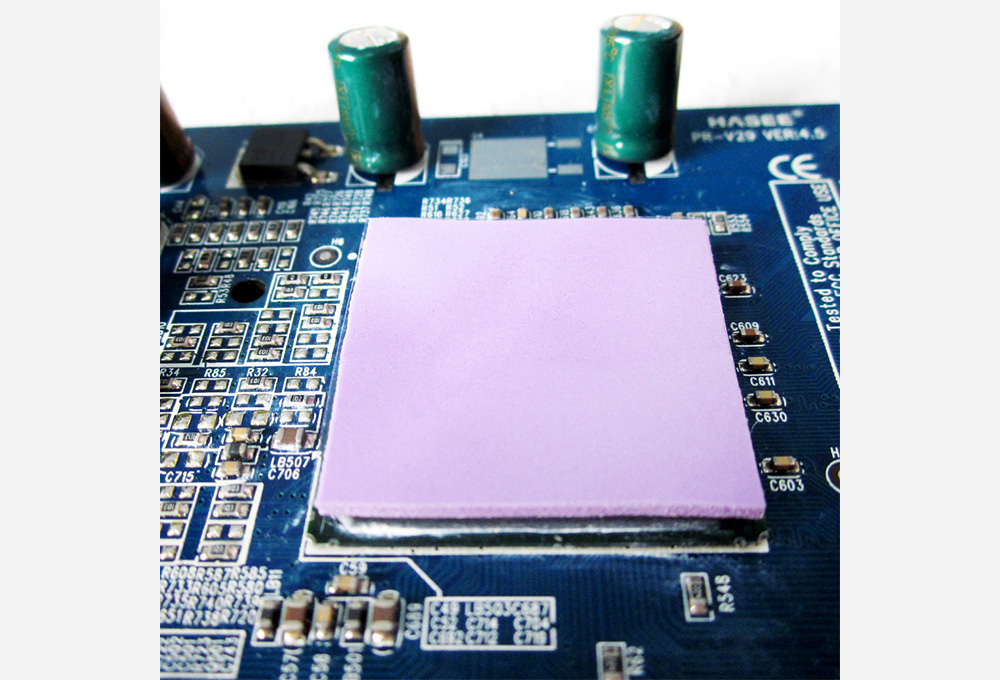
The Engineering Role of Thermal Pad Solutions in Modern Home Appliances
As home appliances continue to evolve toward higher power density, smarter control systems, and compact structural layouts, thermal management has become a defining factor in product reliability and long-term performance. From smart televisions and refrigerators to washing machines and HVAC systems, electronic control modules are expected to operate continuously under demanding thermal conditions.
In this context, the thermal pad has emerged as a critical thermal interface material (TIM) within appliance design. Rather than serving as a secondary accessory, a properly selected thermal pad plays a measurable role in heat transfer efficiency, electrical insulation, and mechanical stability. From an engineering perspective, understanding the correct application of a silicone thermal pad is essential to achieving predictable and repeatable thermal performance.
What Is a Thermal Pad?
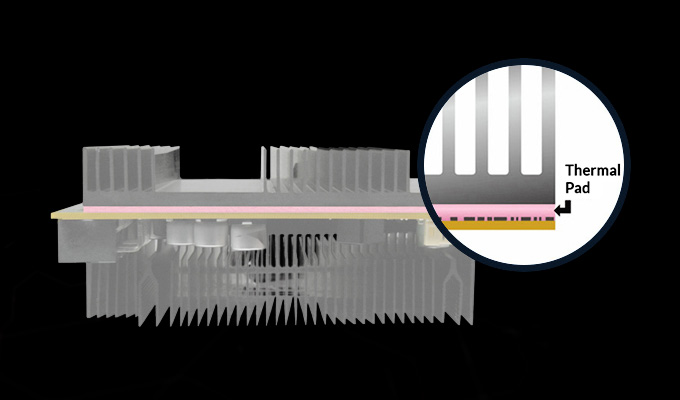
A thermal pad is a solid, gap-filling thermal interface material designed to transfer heat between a heat-generating component and a heat dissipation structure such as a heatsink or chassis wall. Unlike thermal grease, which is semi-liquid and requires controlled application, a silicone thermal pad is pre-formed, clean to install, and structurally stable.
The primary engineering function of a thermal pad is to eliminate air gaps—one of the most significant contributors to thermal resistance. Even precision-machined metal surfaces contain microscopic irregularities. A compliant thermal pad conforms to these surfaces under compression, reducing contact resistance and creating a stable heat transfer path.
In modern home appliances, thermal pad materials are widely used in:
- Power supply units (PSUs)
- Motor driver boards
- Inverter control modules
- LED driver systems
- Main processor and communication modules
Typical Thermal Pad Applications in Home Appliances
1. Smart TVs and Display Systems
High-performance SoCs (System-on-Chip), Wi-Fi modules, and image processors generate concentrated heat loads within confined spaces. A properly engineered thermal pad bridges the gap between the processor package and a heatsink or rear metal chassis, ensuring consistent thermal conduction.
In these applications, silicone thermal pad materials provide both thermal conductivity and electrical insulation, preventing short circuits while maintaining controlled junction temperatures. Lower operating temperatures directly contribute to improved long-term reliability and reduced field failure rates.
2. Refrigeration and HVAC Control Modules
In refrigerators and air conditioning systems, power semiconductors such as MOSFETs and rectifiers operate under cyclic loading conditions. Thermal stress, if unmanaged, accelerates material fatigue and solder joint degradation.
A high-quality thermal pad ensures stable heat transfer from these power devices to aluminum heatsinks or structural frames. Selecting the correct thermal conductivity and compression characteristics of the thermal pad is essential to maintaining consistent performance across temperature fluctuations.
3. Washing Machines and Motor Drives
Variable-speed motor drives in modern washing machines rely on IGBTs and driver ICs that generate significant thermal energy during peak loads. A silicone thermal pad placed between the semiconductor package and cooling surface ensures uniform pressure distribution and reliable thermal contact.
From a mechanical engineering standpoint, the compressibility and rebound characteristics of the thermal pad must accommodate assembly tolerances while maintaining long-term structural integrity.
Key Engineering Parameters When Selecting a Thermal Pad
Choosing the correct thermal pad requires more than selecting the highest available thermal conductivity rating. Engineers must evaluate the full thermal and mechanical system.
Thermal Conductivity
Measured in W/m·K, this value indicates the intrinsic heat transfer capability of the thermal pad material. Higher conductivity improves heat flow, but must be balanced against thickness and system-level thermal resistance.
Thermal Resistance
System thermal performance is determined by total thermal resistance, not material conductivity alone. Thickness, contact pressure, and surface flatness all influence effective heat transfer.
Compression and Hardness
A thermal pad must be compliant enough to fill surface irregularities but not so soft that it experiences pump-out or long-term deformation. Shore hardness and compression set characteristics are critical performance indicators.
Electrical Insulation
In many appliance applications, the thermal pad also functions as a dielectric barrier. High dielectric strength ensures operational safety in power electronics modules.
Environmental Stability
Appliances are expected to operate for years under humidity, vibration, and thermal cycling. A silicone thermal pad must demonstrate resistance to aging, oil migration, and material breakdown.
Thermal Pad vs. Alternative Thermal Interface Solutions
| Thermal Solution | Ease of Assembly | Rework Capability | Gap Filling | Cleanliness |
|---|---|---|---|---|
| Thermal Grease | Moderate | Limited | Good | Low |
| Thermal Adhesive | Complex | None | Moderate | Moderate |
| Thermal Pad | High | High | Excellent | High |
For high-volume appliance manufacturing, the repeatability and cleanliness of a thermal pad make it particularly suitable for automated assembly lines.
Engineering Optimization of Thermal Pad Integration
Effective implementation of a thermal pad follows a structured design process:
- Conduct thermal simulation to map heat flow paths.
- Define allowable junction temperature limits.
- Select appropriate thermal pad thickness based on measured gap tolerances.
- Validate performance through thermal cycling and load testing.
- Monitor long-term reliability through accelerated life testing.
This disciplined approach ensures that the selected silicone thermal pad contributes to measurable system-level improvements rather than acting as a passive filler.
High-Performance Silicone Thermal Pad Solutions
For appliance manufacturers seeking dependable thermal interface materials, high-quality silicone thermal pad solutions are essential. Our engineered thermal pad products are designed specifically for demanding electronic and power module applications within consumer appliances.
Key performance advantages include:
- High thermal conductivity options to support increased power density
- Multiple thickness configurations for structural adaptability
- Excellent dielectric insulation properties
- Stable compression and rebound characteristics
- Long-term thermal and environmental durability
Detailed product specifications and available configurations can be reviewed here:
https://www.itousen.com/silicone-thermal-pads.html
Conclusion
Within modern home appliance design, the thermal pad is no longer a secondary consideration. It is a critical component of a carefully engineered thermal management strategy. By selecting the appropriate silicone thermal pad and integrating it using data-driven thermal analysis, engineers can significantly enhance system stability, extend product lifespan, and reduce warranty risk.
As appliance electronics continue to increase in complexity and power density, reliable thermal pad solutions will remain a foundational element of performance-driven design in the U.S. market and beyond.
Thermal Pad Solutions for Communication Equipment Cooling
Engineering Guide to Thermal Pad for Computer Cooling
Related Article