Pad Thermal Solutions for CPU and GPU Thermal Management
An Engineer’s Perspective on Thermal Pads in CPU and GPU Applications
As high-performance computing and advanced graphics processing continue to evolve, thermal management has become a critical factor in system reliability and long-term stability. Among various thermal interface materials (TIMs), pad thermal solutions play an increasingly important role in modern electronic design. From an engineering standpoint, thermal pads offer a balanced combination of performance, manufacturability, and long-term reliability.
This article provides a professional and objective analysis of cpu thermal pad and thermal pads gpu applications, covering thermal fundamentals, practical design considerations, and product selection principles relevant to real-world engineering scenarios.

Why Pad Thermal Materials Are Essential
During operation, CPUs and GPUs generate significant amounts of heat due to high power density and increasing transistor counts. If this heat is not efficiently transferred away from the silicon die, excessive temperatures may lead to thermal throttling, reduced lifespan, or even hardware failure.
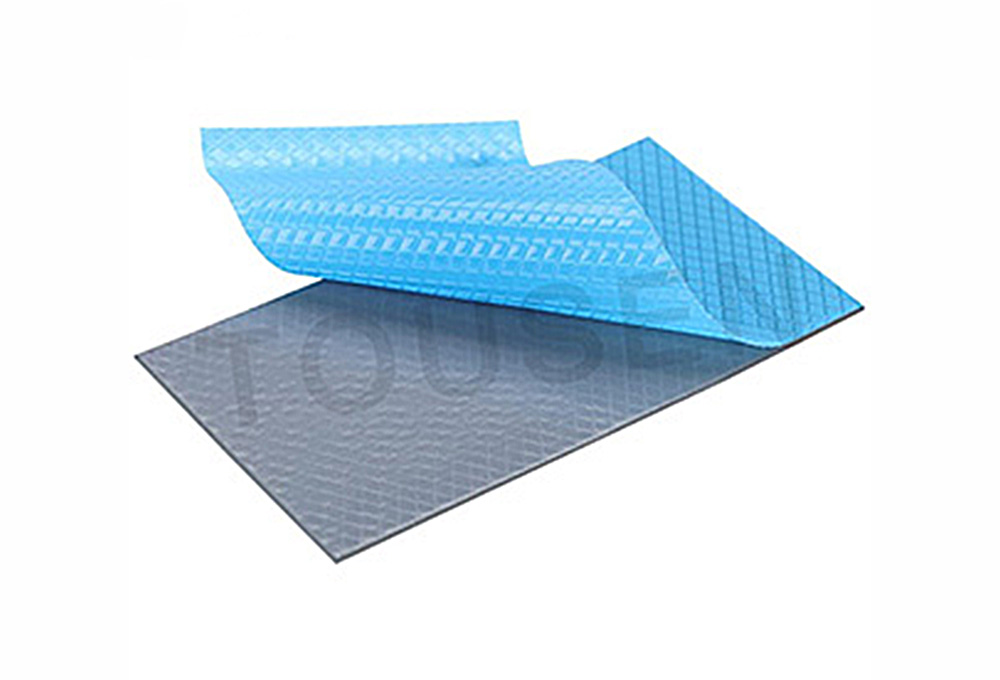
In this context, pad thermal materials act as a critical thermal bridge between heat sources and cooling components such as heat sinks, vapor chambers, or cold plates. Compared with traditional thermal grease, thermal pads provide stable thickness control, excellent gap-filling capability, and consistent mechanical performance, especially in designs where surface flatness or assembly tolerances are challenging.
The Role of CPU Thermal Pad in Processor Cooling
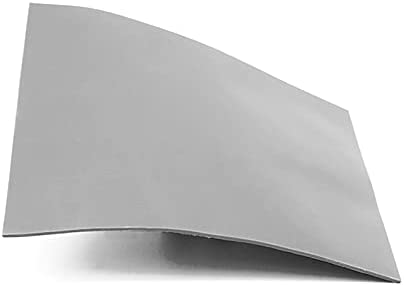
Within CPU cooling systems, the cpu thermal pad is responsible for transferring heat from the processor package to the primary heat dissipation structure. In many desktop, workstation, and server platforms, the interface gap between the CPU and the heat sink can vary due to mechanical tolerances or mounting pressure.
From an engineering perspective, a well-designed cpu thermal pad offers several advantages:
- Controlled and repeatable thickness for consistent thermal performance
- Efficient gap filling to compensate for uneven surfaces
- Improved assembly efficiency in automated production lines
- Long-term stability without pump-out or dry-out risks
As CPU power levels continue to increase, the selection of a suitable cpu thermal pad with appropriate thermal conductivity and compression characteristics becomes essential for maintaining stable operating temperatures.
Thermal Pads GPU Applications and Multi-Component Cooling
Unlike CPUs, GPUs often require thermal management not only for the core die but also for surrounding components such as VRAM modules and power delivery circuits. As a result, thermal pads gpu solutions are widely used across multiple contact points within a graphics card or compute accelerator.
In practical GPU thermal design, thermal pads gpu materials serve multiple functions:
- Transferring heat from the GPU die to the main heat spreader
- Providing thermal paths for memory chips and power components
- Compensating for height differences between components
By using different thicknesses and thermal conductivities, engineers can optimize heat distribution across the cooling assembly, ensuring that no single hotspot limits overall performance.
Key Engineering Parameters for Pad Thermal Selection
When selecting a pad thermal solution for CPU or GPU applications, several technical parameters must be evaluated carefully:
Thermal Conductivity
Thermal conductivity directly affects how efficiently heat is transferred. High-performance cpu thermal pad and thermal pads gpu materials typically offer thermal conductivity values above 4 W/m·K, with higher values preferred for power-dense applications.
Compression and Conformability
A quality pad thermal must compress evenly under mounting pressure while maintaining good surface contact. This ensures low thermal resistance and stable long-term performance.
Thermal Resistance and Interface Quality
Minimizing interface thermal resistance is critical. Proper material formulation and thickness selection allow cpu thermal pad and thermal pads gpu solutions to deliver consistent heat transfer efficiency.
Durability and Temperature Stability
For systems operating under continuous load or frequent thermal cycling, pad materials must resist aging, hardening, and mechanical degradation over time.
Engineering Case Examples
Desktop CPU Cooling Optimization
In a high-performance desktop platform, a gap of 0.4 mm to 1.2 mm existed between the CPU package and the heat sink. A cpu thermal pad with a thermal conductivity of 6 W/m·K was selected based on thermal simulation results.
Testing demonstrated measurable improvements compared with traditional thermal grease:
- Lower heat sink surface temperature
- Reduced peak CPU operating temperature
- Improved system stability under sustained load
GPU Module Thermal Balancing
In a high-power GPU module, multiple thermal pads gpu with varying thicknesses were applied to the GPU core, memory, and power components. This multi-layer thermal pad strategy reduced overall thermal resistance and balanced heat flow across the cooling system.
ITOUSEN Pad Thermal Product Solutions
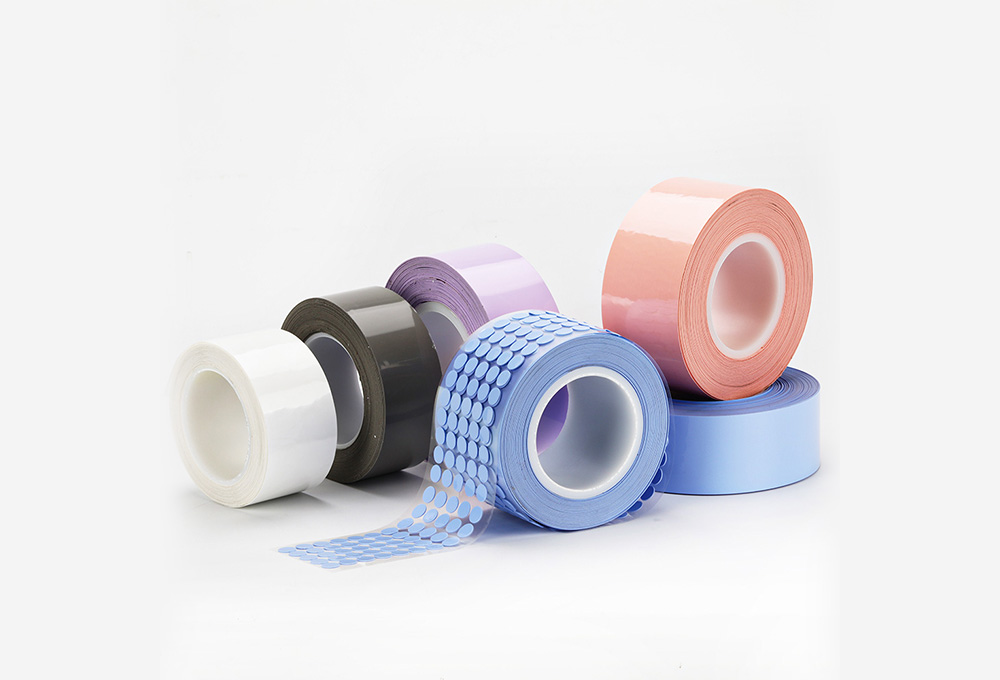
Selecting reliable and high-quality pad thermal products is essential for successful thermal design. ITOUSEN offers a comprehensive portfolio of silicone-based thermal pads designed for both cpu thermal pad and thermal pads gpu applications.
The product range includes multiple thickness options, thermal conductivity grades, and mechanical properties to support diverse engineering requirements. Detailed specifications and product information can be found in the official product catalog:
//www.itousen.com/silicone-thermal-pads.html

ITOUSEN thermal pads are engineered to deliver:
- High thermal conductivity for efficient heat transfer
- Excellent conformability for complex assemblies
- Long-term reliability under thermal cycling
- Ease of handling and installation in mass production
Conclusion
From heat generation at the silicon level to final dissipation through cooling assemblies, every step in the thermal path matters. As a critical interface material, pad thermal solutions enable reliable and efficient heat transfer in modern electronics.
Whether applied as a cpu thermal pad in processor cooling or as thermal pads gpu in advanced graphics and compute platforms, well-engineered thermal pads significantly enhance system performance, stability, and service life. As power densities continue to rise, the importance of high-quality pad thermal materials will only grow.
Phase Change Thermal Pad Analysis: PTM7950 vs SP250A-60
ASUS RTX 2080 Turbo Thermal Pads Replacement Guide
Related Article