Silicone Foam for Energy Storage Thermal Management Solutions
Silicone Foam in Energy Storage Systems: An Engineering Perspective on Material Selection and Performance
As the global energy landscape continues to shift toward renewable sources, energy storage systems (ESS) have become critical infrastructure for grid stability and power reliability. Whether in lithium-ion battery storage, electric vehicle battery packs, or large-scale BESS deployments, engineers consistently face three core challenges: safety, reliability, and thermal management.
From an engineering standpoint, material selection plays a decisive role in defining system performance boundaries. In recent years, silicone foam has emerged as a highly effective solution for addressing these challenges, offering a balanced combination of thermal, mechanical, and electrical properties.
Engineering Challenges in Energy Storage Systems
Energy storage systems are not merely power reservoirs; they are complex, multi-physics environments where electrochemical reactions, heat generation, and structural constraints interact continuously. During charge and discharge cycles, batteries generate significant heat, leading to several engineering concerns:
- Temperature gradients between cells impacting performance consistency
- Localized overheating increasing the risk of thermal runaway
- Thermal management limitations in high-density pack designs
Effective battery thermal management systems (BTMS) are essential to maintaining operational safety and extending battery life. This requires materials that can simultaneously provide thermal insulation, cushioning, sealing, and electrical isolation—a combination where silicone foam excels.
Key Material Properties of Silicone Foam
From a materials science perspective, silicone foam is a silicone-based elastomeric material with a cellular structure that delivers a unique set of performance characteristics:
1. Wide Operating Temperature Range
Silicone foam maintains stable performance across a broad temperature range, typically from -60°C to over 200°C, making it suitable for demanding ESS environments.
2. Flame Retardancy and Fire Resistance
Unlike conventional polymer foams, silicone foam exhibits inherent flame-retardant properties. It forms a protective char layer under high temperatures, helping to slow flame propagation and enhance system safety.
3. उत्कृष्ट Electrical Insulation
With high dielectric strength, silicone foam provides reliable electrical insulation between battery cells and electronic components, reducing the risk of short circuits.
4. Mechanical Cushioning and Compression Recovery
The material's elastic structure allows it to absorb mechanical stress caused by thermal expansion and vibration, maintaining structural integrity over long-term operation.
5. Sealing and Environmental Protection
Its closed-cell structure enables effective sealing against moisture, dust, and external contaminants, supporting high IP-rated enclosure designs.
Applications of Silicone Foam in Energy Storage Systems
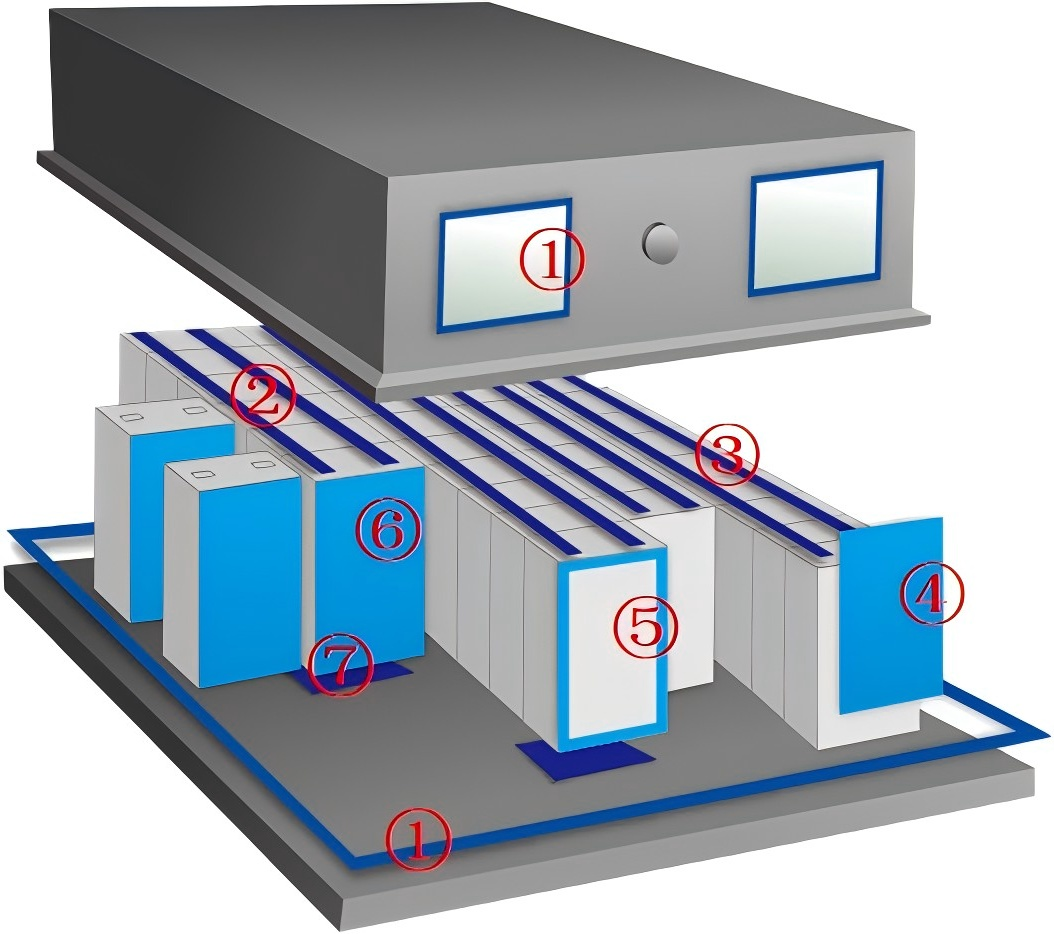
In practical engineering applications, silicone foam is widely used across multiple critical areas within ESS designs:
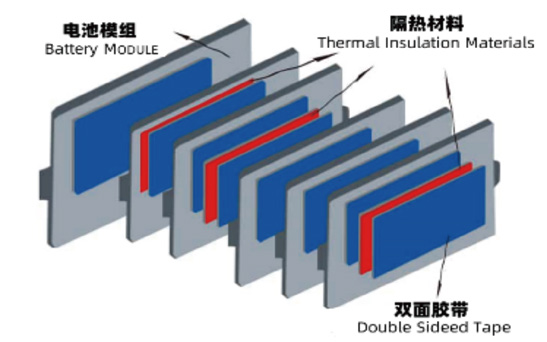
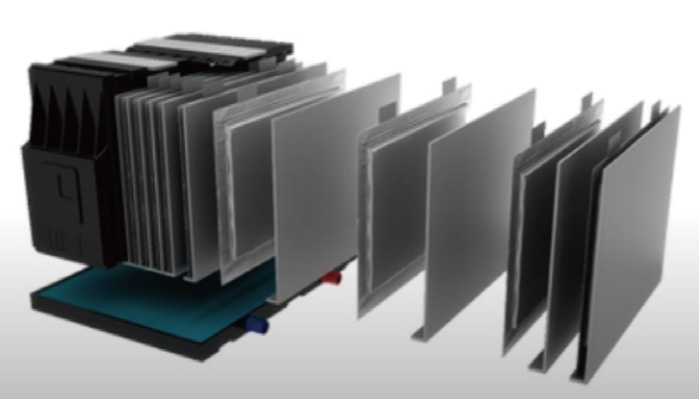
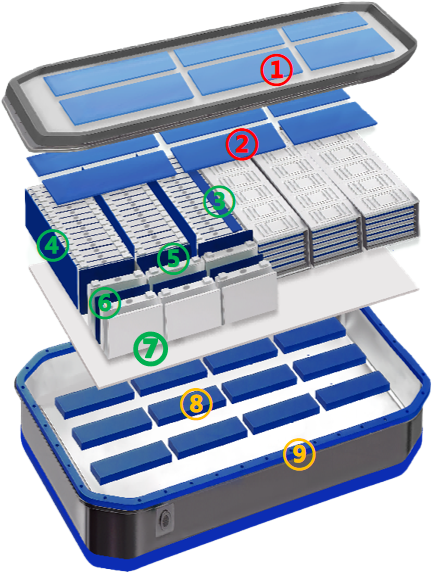
Cell-to-Cell Thermal Isolation
Silicone foam is commonly placed between battery cells to reduce heat transfer and delay the propagation of thermal runaway events.
Module Gap Filling
Its compressibility allows it to fill structural gaps, improving thermal interface contact while providing mechanical support.
BMS and Electronics Protection
Silicone foam offers both insulation and vibration damping, protecting sensitive electronic components from thermal and mechanical stress.
Enclosure Sealing
In outdoor or industrial ESS applications, silicone foam is used as a sealing gasket to ensure long-term environmental protection.
Why Silicone Foam Outperforms Traditional Materials
Engineers often evaluate materials such as EVA foam, PU foam, or thermal pads. However, silicone foam demonstrates clear advantages in high-reliability applications:
| Property | Silicone Foam | Conventional Foams |
|---|---|---|
| Temperature Range | Very Wide (-60°C to 200°C+) | Limited |
| Flame Retardancy | High (UL94 V-0 achievable) | Moderate |
| Aging Resistance | Excellent | Prone to degradation |
| Compression Set | Stable over time | Performance decline |
Practical Solution: TOUSEN Silicone Foam
In real-world engineering projects, material performance must be matched with manufacturability and consistency. The TOUSEN silicone foam product line is designed specifically for demanding energy storage applications.
TOUSEN Silicone Foam Product Page

Key engineering advantages include:
- Customizable density and hardness for different battery pack designs
- Uniform cell structure for consistent long-term performance
- Excellent compression recovery under cyclic loading conditions
- Support for die-cutting, lamination, and adhesive backing
From an engineering perspective, integrating high-quality silicone foam solutions like TOUSEN's can significantly enhance system safety, assembly efficiency, and lifecycle reliability.
Future Trends in Silicone Foam for ESS
As energy storage systems evolve toward higher energy density and greater integration, silicone foam materials are also advancing:
- Hybrid materials combining silicone foam with phase change materials (PCM)
- Multi-functional designs incorporating thermal, fire, and EMI protection
- Lightweight formulations to support overall system efficiency
Emerging developments even include ceramic-forming silicone foam materials that provide enhanced fire protection under extreme conditions.
Conclusion
In modern energy storage system design, materials are no longer secondary considerations—they are foundational to system performance and safety.
Silicone foam, with its unique combination of thermal management, fire resistance, and mechanical adaptability, is becoming an essential component in ESS engineering. From cell-level isolation to system-level protection, its role continues to expand as performance demands increase.
For engineers focused on building safer, more reliable energy storage systems, selecting the right silicone foam solution is a critical step toward long-term success.
Silicone Foam for EV Battery Safety and Thermal Performance
Battery Pack Thermal Runaway Mitigation (VI): Risk Modeling and Predictive Thermal Engineering
Related Article