Waterproof Silicone Foam for Battery Sealing Applications
How Waterproof Silicone Foam Improves Battery Top Cover Sealing Reliability in Modern Battery Systems
As lithium-ion battery technology continues to advance across electric vehicles (EVs), energy storage systems (ESS), industrial equipment, and outdoor electronics, battery enclosure reliability has become a critical engineering concern. Among the various components that contribute to battery safety and long-term performance, the battery top cover sealing system plays a vital role in preventing moisture intrusion, dust contamination, and environmental degradation.
For battery engineers and enclosure designers, selecting an appropriate sealing material is no longer simply a matter of achieving an initial waterproof rating. Long-term sealing effectiveness depends on the material's ability to maintain compression force, accommodate dimensional tolerances, and recover after years of thermal cycling and mechanical stress. As a result, waterproof silicone foam has become one of the preferred sealing materials for advanced battery pack designs.
Why Battery Top Cover Sealing Matters
Battery packs are routinely exposed to harsh operating conditions, including temperature fluctuations, humidity, vibration, shock, and outdoor weather. The top cover acts as the primary environmental barrier protecting sensitive electrical components, battery management systems (BMS), and internal cell assemblies.
Even when a battery enclosure successfully passes initial IP67 or IP68 testing, sealing performance can gradually deteriorate if the gasket material loses elasticity over time. Permanent deformation, commonly referred to as compression set, may reduce sealing pressure and eventually create leakage paths.
From an engineering perspective, a reliable sealing solution must maintain consistent contact pressure throughout the entire service life of the battery pack. This requirement has driven growing adoption of waterproof silicone foam in battery enclosure applications.
Common Challenges in Battery Pack Sealing
Battery manufacturers frequently encounter several sealing-related challenges:
- Thermal expansion and contraction during charging and discharging cycles
- Assembly tolerance variations between enclosure components
- Long-term compression stress on sealing materials
- Road vibration and mechanical shock in EV applications
- Outdoor exposure to rain, humidity, UV radiation, and dust
- Extended service life requirements exceeding ten years
Traditional sealing materials often experience performance degradation under these conditions. As sealing pressure decreases, the risk of moisture ingress and corrosion increases significantly.
This is why many battery manufacturers are transitioning toward high-performance waterproof silicone foam solutions specifically engineered for demanding environmental sealing applications.
Key Advantages of Waterproof Silicone Foam for Battery Top Cover Sealing
Superior Water Resistance
The closed-cell structure of waterproof silicone foam effectively prevents water penetration while maintaining excellent environmental sealing performance. This characteristic helps battery systems achieve stringent ingress protection requirements commonly specified for electric vehicles, energy storage systems, and outdoor power equipment.
Outstanding Temperature Stability
Battery packs routinely operate across a wide temperature range, from sub-zero winter conditions to elevated temperatures generated during fast charging and high-power discharge cycles.
Unlike many conventional foam materials, waterproof silicone foam maintains stable mechanical properties across extreme temperature environments, reducing the likelihood of seal failure caused by thermal aging.
Excellent Weather Resistance
Outdoor battery systems require sealing materials capable of resisting:
- UV exposure
- Ozone attack
- Humidity
- Salt spray
- Environmental pollutants
Silicone-based materials provide exceptional resistance to environmental degradation, supporting long-term sealing reliability in demanding outdoor applications.
Flame-Retardant Performance
Safety remains a primary consideration in battery system design. Many grades of waterproof silicone foam are engineered to meet UL94 V-0 flame-retardant requirements, providing an additional layer of protection for battery pack assemblies.
The Critical Role of Rebound Performance in Sealing Reliability
While engineers often focus on hardness, density, or waterproof ratings, rebound performance is frequently the most important factor influencing long-term sealing effectiveness.
Rebound refers to the material's ability to recover its original thickness after compression while continuing to generate sufficient sealing force.
In battery top cover applications, the sealing material remains under continuous compression throughout its service life. During operation, the material must withstand:
- Constant compressive load
- Thermal expansion and contraction cycles
- Mechanical vibration
- Structural movement of enclosure components
If rebound performance deteriorates, sealing force gradually decreases, potentially compromising enclosure integrity.
How Poor Rebound Can Lead to Seal Failure
When a sealing material experiences excessive compression set, several problems may occur:
- Reduced contact pressure between mating surfaces
- Formation of microscopic leakage pathways
- Water and moisture ingress
- Dust contamination
- Corrosion of electrical components
- Decreased enclosure reliability
Even minor reductions in sealing pressure can significantly impact long-term waterproof performance. For this reason, compression set is widely recognized as one of the most important performance indicators when evaluating battery sealing materials.
A high-quality waterproof silicone foam should maintain excellent resilience even after prolonged compression, ensuring stable sealing pressure throughout the battery pack's operational life.
Engineering Criteria for Selecting Waterproof Silicone Foam
When selecting a sealing material for battery top cover applications, engineers should evaluate multiple performance characteristics:
| Property | Engineering Significance |
|---|---|
| Compression Set | Determines long-term sealing force retention |
| Rebound Performance | Maintains gasket recovery and contact pressure |
| Density | Affects structural support and durability |
| Hardness | Influences assembly force requirements |
| Water Resistance | Supports environmental protection ratings |
| Flame Retardancy | Enhances battery safety compliance |
| Electrical Insulation | Protects sensitive electronic components |
| Temperature Resistance | Ensures performance under thermal cycling |
The optimal sealing material should balance all of these properties while maintaining manufacturability and cost efficiency.
Recommended Solution: TOUSEN Supporting Waterproof Foam
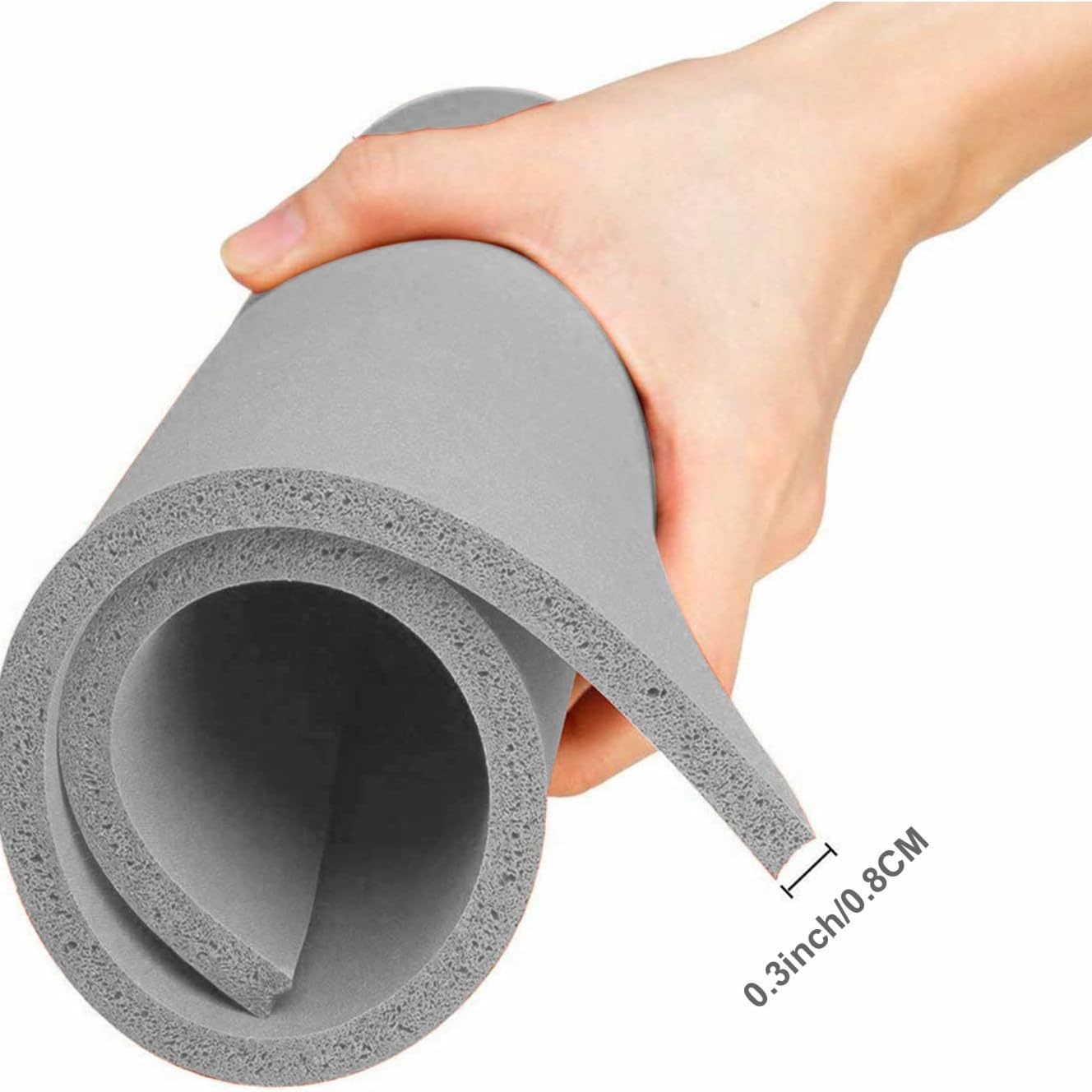
To address the evolving sealing requirements of modern battery systems, TOUSEN has developed a specialized waterproof silicone foam solution designed for battery enclosure and top cover sealing applications.
Product Link:
TOUSEN Supporting Waterproof Foam
This advanced sealing material combines excellent resilience, waterproof protection, flame resistance, and long-term durability.
Key Product Features
- Closed-cell waterproof silicone foam construction
- Outstanding rebound performance
- Ultra-low compression set
- UL94 V-0 flame-retardant rating
- Excellent weather and aging resistance
- Wide operating temperature range
- High dielectric insulation performance
- Custom thickness and die-cut configurations available
Typical Technical Specifications
| Property | Typical Value |
|---|---|
| Density | 400 kg/m³ |
| Compression Set | < 5% |
| Thermal Conductivity | 0.064 W/m·K |
| Dielectric Strength | 6.4 kV/mm |
| Volume Resistivity | 10¹³ Ω·cm |
| Flammability Rating | UL94 V-0 |
These performance characteristics make TOUSEN Supporting Waterproof Foam particularly suitable for:
- EV battery pack top cover sealing
- Energy storage battery systems
- Industrial battery enclosures
- Outdoor power equipment
- Battery junction box sealing
- Environmental protection applications requiring long-term reliability
Future Trends in Battery Sealing Materials
As battery systems become more sophisticated and operate under increasingly demanding conditions, sealing materials must deliver more than basic waterproof functionality.
Future battery enclosure designs will continue to emphasize:
- Long-term compression stability
- Enhanced resilience and rebound retention
- Improved thermal and environmental durability
- Higher safety standards
- Extended service life performance
These trends are expected to further increase the adoption of high-performance waterproof silicone foam solutions across EV, ESS, and industrial battery markets.
Conclusion
Battery top cover sealing directly impacts the safety, reliability, and service life of modern battery systems. While multiple material properties influence sealing effectiveness, rebound performance and compression set remain among the most critical engineering considerations.
By maintaining consistent sealing force under long-term compression, waterproof silicone foam helps prevent moisture intrusion, protects internal electronics, and supports reliable battery operation throughout the product lifecycle.
For engineers seeking a proven sealing solution, TOUSEN Supporting Waterproof Foam offers an optimized combination of resilience, waterproof performance, flame resistance, and long-term durability specifically designed for demanding battery enclosure sealing applications.
Ceramicized Silicone Foam for Advanced EV Battery Thermal Protection
Why Silicone Foam Is the Best Choice for Battery Pack Sealing
Related Article