Solid Silicone for EV Battery Cell Gap Filler Solutions
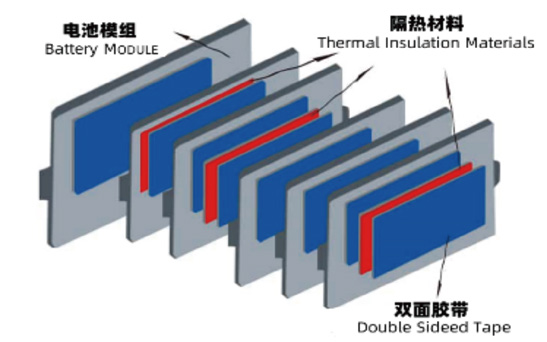
Solid Silicone for Battery Cell Gap Support A Reliable Solution for EV Battery Manufacturing
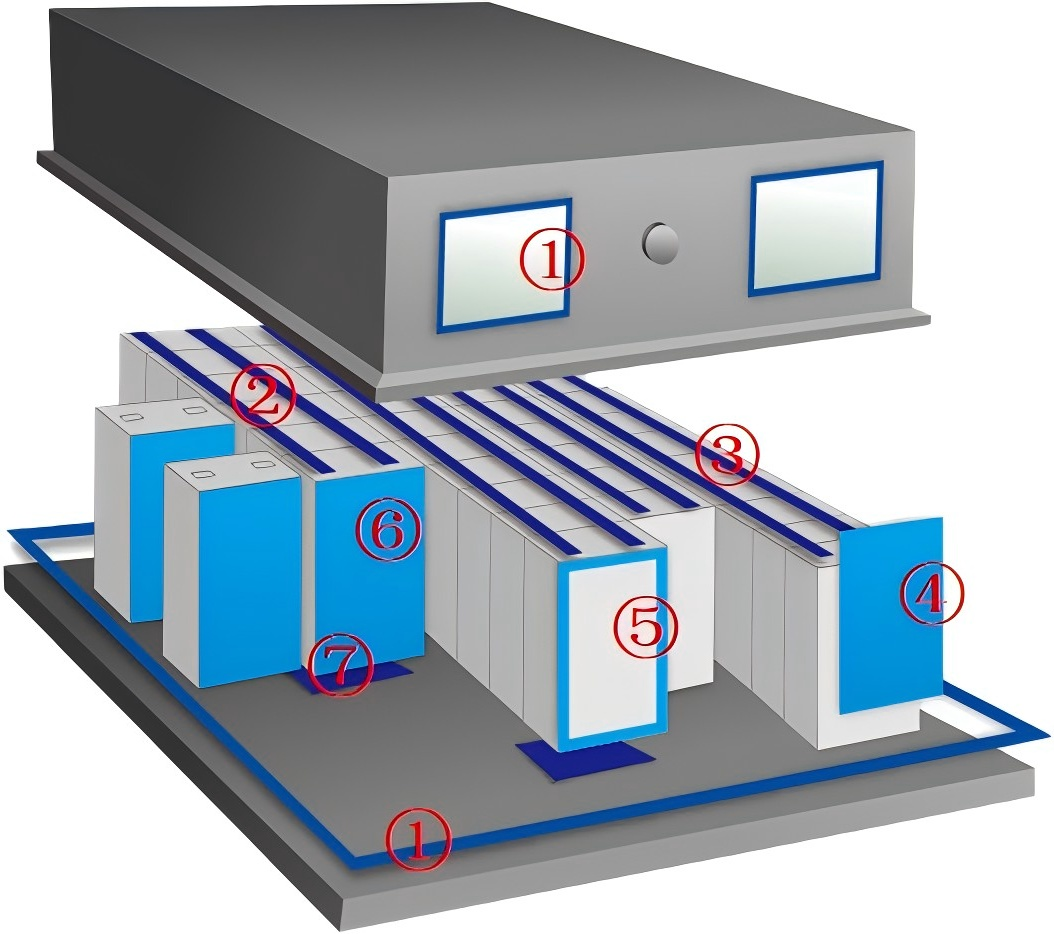
As electric vehicles and energy storage systems continue to evolve, battery manufacturers are facing increasing challenges in improving safety, cycle life, and structural reliability. From an engineering perspective, the material used between battery cells plays a critical role in maintaining consistent pressure, absorbing mechanical stress, and ensuring long-term performance.
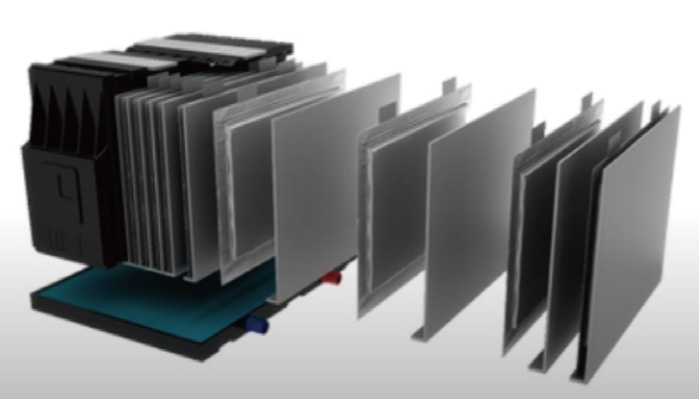
During charge and discharge cycles, lithium battery cells experience continuous expansion and contraction caused by electrochemical reactions and temperature fluctuations. Without proper mechanical buffering, these dimensional changes may create uneven stress distribution, accelerate cell aging, and negatively affect battery pack reliability.
For this reason, engineers are increasingly evaluating advanced elastic materials such as Solid Silicone for battery cell gap support applications. With excellent compression stability, temperature resistance, and aging performance, Solid Silicone provides a reliable solution for demanding EV battery and energy storage applications.
Why Battery Cells Require High Performance Solid Silicone Materials
In battery module design, the material placed between cells is not simply a spacer. It is a functional component responsible for maintaining mechanical balance throughout the battery lifecycle.
Engineers typically evaluate several key performance factors when selecting a battery cell gap filler material:
- Long-term compression recovery performance
- Resistance to thermal cycling
- Electrical insulation capability
- Low permanent deformation
- Environmental durability
Compared with traditional foam materials, Solid Silicone features a dense silicone rubber structure without internal air cells. This structure allows it to maintain stable mechanical properties even under long-term compression conditions.
Advantages of Solid Silicone in Battery Cell Gap Applications
1. Excellent Compression Stability for Long Battery Lifespan
Battery packs are designed to operate reliably for many years. During this period, battery cells continuously experience expansion and contraction, requiring the gap filler material to maintain consistent pressure.
Traditional polyurethane foam or EVA foam materials may experience permanent compression set over time, resulting in thickness reduction and reduced mechanical support.
Solid Silicone provides superior elastic recovery and long-term dimensional stability, helping maintain proper contact pressure between battery cells.
The engineering benefits include:
- Reduced mechanical stress concentration
- Improved battery module stability
- Better protection against vibration and shock
- Extended battery system service life
2. Reliable Performance Under Wide Temperature Conditions
EV batteries operate under highly variable temperature conditions, including fast charging, high-power discharge, and extreme environmental exposure.
The material between battery cells must maintain stable physical properties without excessive hardening, softening, or degradation.
Solid Silicone offers excellent temperature resistance and maintains elasticity across a wide operating temperature range. This makes it suitable for applications where long-term reliability is required, including electric vehicles, energy storage systems, and industrial battery modules.
3. Excellent Electrical Insulation for Battery Safety
Safety is one of the most important considerations in battery pack design. Since battery systems operate under high voltage conditions, insulation performance between cells is essential.
Solid Silicone naturally provides strong electrical insulation properties, helping reduce the risk of electrical conduction between battery components.
Engineers typically consider:
- Dielectric strength
- Volume resistivity
- Material thickness
- Long-term environmental stability
By selecting the correct hardness and thickness specification, Solid Silicone can provide both mechanical protection and electrical isolation.
Solid Silicone Compared With Traditional Battery Cushioning Materials
| Material | Compression Stability | Temperature Resistance | Aging Resistance | Battery Application Suitability |
|---|---|---|---|---|
| PU Foam | Moderate | Limited | Moderate | General applications |
| EVA Foam | Moderate | Medium | Moderate | Standard applications |
| Silicone Foam | Excellent | Excellent | Excellent | High reliability applications |
| Solid Silicone | Excellent | Excellent | Excellent | Advanced battery systems |
TOUSEN Solid Silicone Battery Formation Foam Solution
To address the increasing requirements for battery manufacturing and formation processes, TOUSEN provides advanced battery cushioning solutions based on high-performance silicone materials.
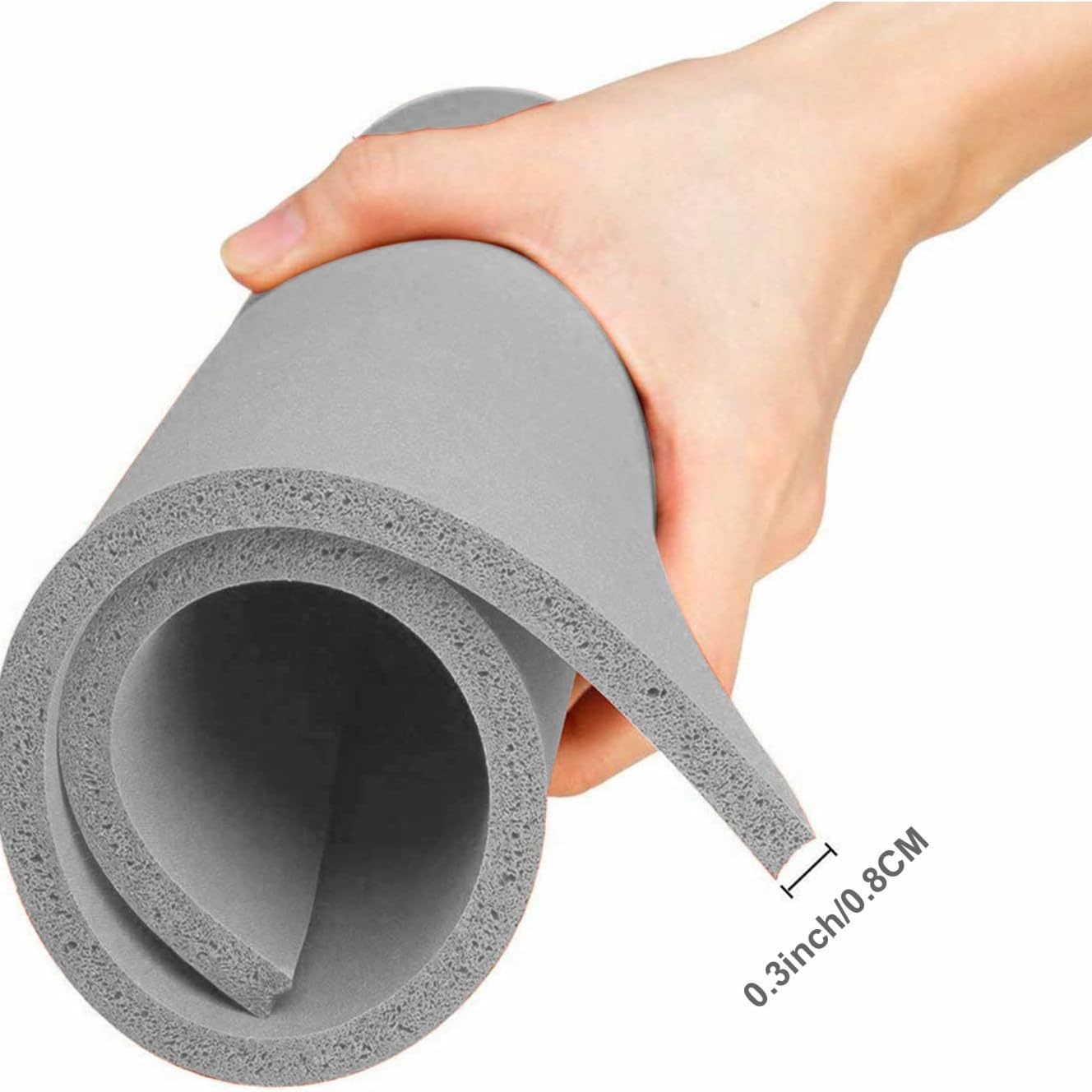
The TOUSEN Battery Formation Foam product is designed for applications requiring stable compression force, reliable cell support, and long-term durability.
Product details:
TOUSEN Battery Formation Foam
Key Features of TOUSEN Battery Formation Foam
High Elastic Recovery
The material maintains excellent rebound capability during repeated battery expansion cycles, helping absorb mechanical changes caused by cell swelling.
Low Compression Set Performance
Based on the stable structure of Solid Silicone, TOUSEN Battery Formation Foam maintains thickness consistency and reduces performance degradation caused by long-term compression.
Custom Thickness and Hardness Options
Battery manufacturers have different structural requirements depending on cell format and module design. TOUSEN supports customized solutions including:
- Various thickness specifications
- Multiple hardness options
- Customized die-cut dimensions
Excellent Environmental Durability
TOUSEN Battery Formation Foam is designed to withstand demanding battery environments, including:
- Thermal cycling conditions
- Long-term compression loading
- Mechanical vibration
- Humidity exposure
Future Application Trends of Solid Silicone in Battery Technology
As battery technology advances toward higher energy density and improved safety, manufacturers are focusing more on system-level reliability rather than only increasing capacity.
Future battery designs will require better solutions for:
- Cell expansion management
- Thermal safety improvement
- Long lifecycle stability
- Manufacturing consistency
In these applications, Solid Silicone provides engineers with a reliable material option due to its stable mechanical properties and excellent environmental resistance.
Conclusion
For battery cell gap support applications, material selection directly affects battery safety, durability, and long-term performance.
With superior compression recovery, temperature resistance, insulation capability, and aging stability, Solid Silicone has become an effective solution for modern EV battery and energy storage designs.
TOUSEN Battery Formation Foam combines advanced silicone material technology with customized manufacturing capability to support battery manufacturers seeking reliable cell gap filler and cushioning solutions.
For engineers developing next-generation battery systems, selecting the right Solid Silicone material can significantly improve product reliability and reduce long-term performance risks.
Ceramicized Silicone Foam for Advanced EV Battery Thermal Protection
Related Article