Silicone Foam for EV Battery Safety and Thermal Performance
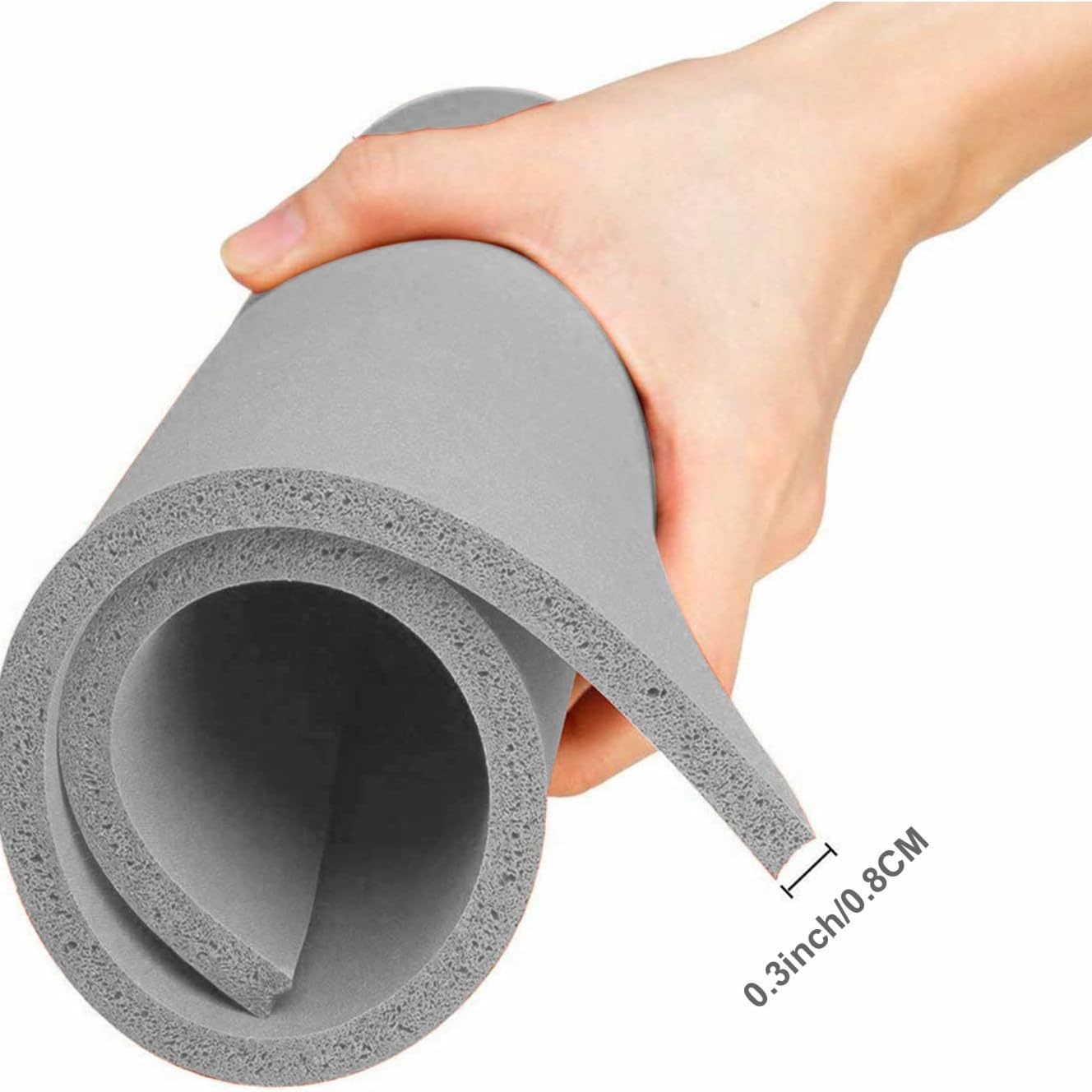
Silicone Foam in Electric Vehicles: Engineering Insights on Safety, Thermal Management, and Reliability
As the electric vehicle (EV) industry continues to scale rapidly across the U.S. and global markets, battery safety, durability, and system reliability have become top engineering priorities. From a practical engineering standpoint, material selection is no longer a secondary consideration—it is fundamental to system performance and risk mitigation.
Among the advanced materials gaining traction in EV battery systems, Silicone Foam has emerged as a critical enabler for safety-focused design. Its multifunctional properties make it particularly valuable in addressing the complex demands of modern battery architectures.
Engineering Challenges in EV Battery Systems
EV battery packs operate under demanding conditions, including repeated charge-discharge cycles, mechanical vibration, and exposure to harsh environmental factors. One of the most critical risks is thermal runaway—a chain reaction that can lead to catastrophic failure if not properly managed.
To mitigate these risks, engineers must integrate materials capable of delivering:
- Effective thermal insulation and heat management
- Flame retardancy and fire resistance
- Long-term sealing performance (IP-rated protection)
- Vibration damping and mechanical cushioning
- Stable compression recovery over lifecycle use
Traditional materials often address only one or two of these requirements. Silicone Foam, however, offers a more integrated solution.
Material Advantages of Silicone Foam
1. Thermal Management and Safety Enhancement
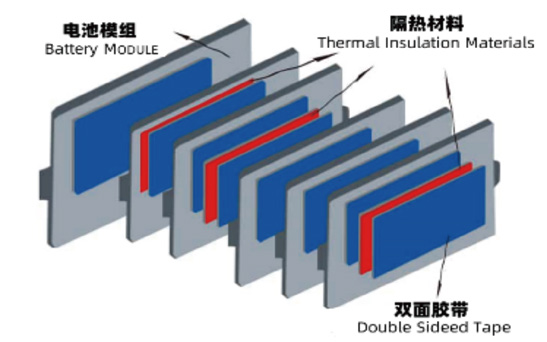
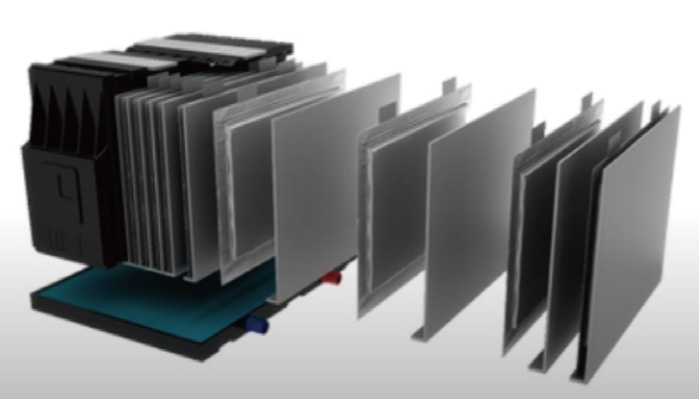
One of the most valuable characteristics of Silicone Foam is its thermal stability. When used between battery modules, it acts as an effective thermal barrier, slowing heat propagation and reducing the likelihood of thermal runaway propagation.
2. Flame Retardancy and Fire Protection
High-performance Silicone Foam materials are inherently flame-retardant. Under extreme temperatures, they form a stable char layer that helps contain heat and flame spread, enhancing overall system safety.
3. Sealing and Environmental Protection
Battery pack sealing is essential for protecting internal components from moisture, dust, and corrosive elements. Silicone Foam provides excellent compression set resistance, ensuring long-term sealing integrity even under fluctuating mechanical loads.
4. Vibration Damping and Structural Protection
EVs are subject to continuous vibration and road-induced shock. Silicone Foam offers effective cushioning properties, helping to protect sensitive battery cells and electronic components from mechanical stress.
5. Lightweight and Design Flexibility
With its low density and adaptable form factors, Silicone Foam supports lightweight design strategies while accommodating complex geometries in modern EV platforms.
Typical Applications in Electric Vehicles
In real-world EV systems, Silicone Foam is commonly used in:
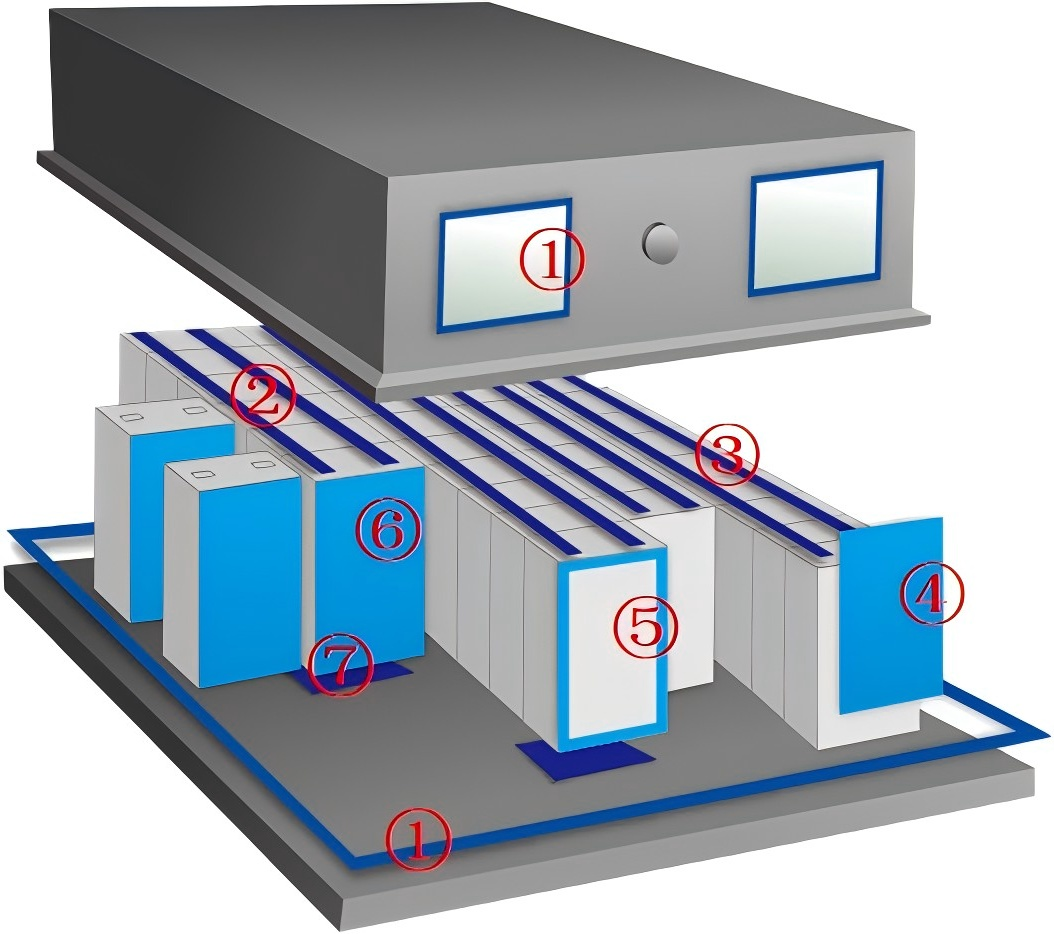
- Battery pack enclosure sealing
- Thermal barriers between modules
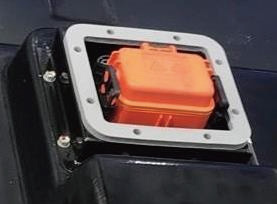
- High-voltage component insulation
- Charging system protection
- Electronic control unit (ECU) cushioning
Its multifunctional nature allows engineers to consolidate multiple performance requirements into a single material solution.
Key Engineering Considerations for Material Selection
Selecting the right Silicone Foam involves more than reviewing datasheets. Engineers must evaluate:
- Compression set and long-term elasticity
- Flame rating (e.g., UL94 V-0)
- Thermal conductivity or insulation performance
- Density and hardness compatibility
- Manufacturing and assembly integration
A mismatch in any of these parameters can compromise system performance or safety. Therefore, validation through system-level testing is essential.
Engineering Value of TOUSEN Silicone Foam Solutions
For engineers seeking reliable and customizable materials, TOUSEN provides Silicone Foam solutions designed to meet the demanding requirements of EV applications.
👉 Learn more about the product: TOUSEN Silicone Foam Product Page
From an engineering perspective, these Silicone Foam materials offer:
- Consistent compression recovery for long-term sealing
- High-temperature resistance and flame retardancy
- Customizable formats for complex geometries
- Stable chemical performance in harsh environments
Such characteristics enable integration across multiple functional areas, reducing system complexity while improving overall reliability.
Future Trends in Silicone Foam for EV Applications
As EV technology continues to evolve, Silicone Foam is expected to advance in several key areas:
- Enhanced fire resistance with lower smoke and toxicity
- Multi-functional integration (thermal + sealing + fire protection)
- Improved compatibility with automated manufacturing processes
- Sustainable and environmentally friendly material formulations
These developments will further strengthen its role in next-generation battery systems.
Conclusion
From an engineering standpoint, Silicone Foam is more than just a material—it is a critical component in ensuring EV battery safety and performance. Its ability to combine thermal management, sealing, fire resistance, and mechanical protection makes it indispensable in modern electric vehicle design.
As safety standards and performance expectations continue to rise, advanced Silicone Foam solutions—such as those offered by TOUSEN—will play an increasingly important role in shaping the future of the EV industry.
Why Silicone Foam Is the Best Choice for Battery Pack Sealing
Silicone Foam for Energy Storage Thermal Management Solutions
Related Article