
Thermal Heat Pad Guide Best GPU Thermal Pads Selection
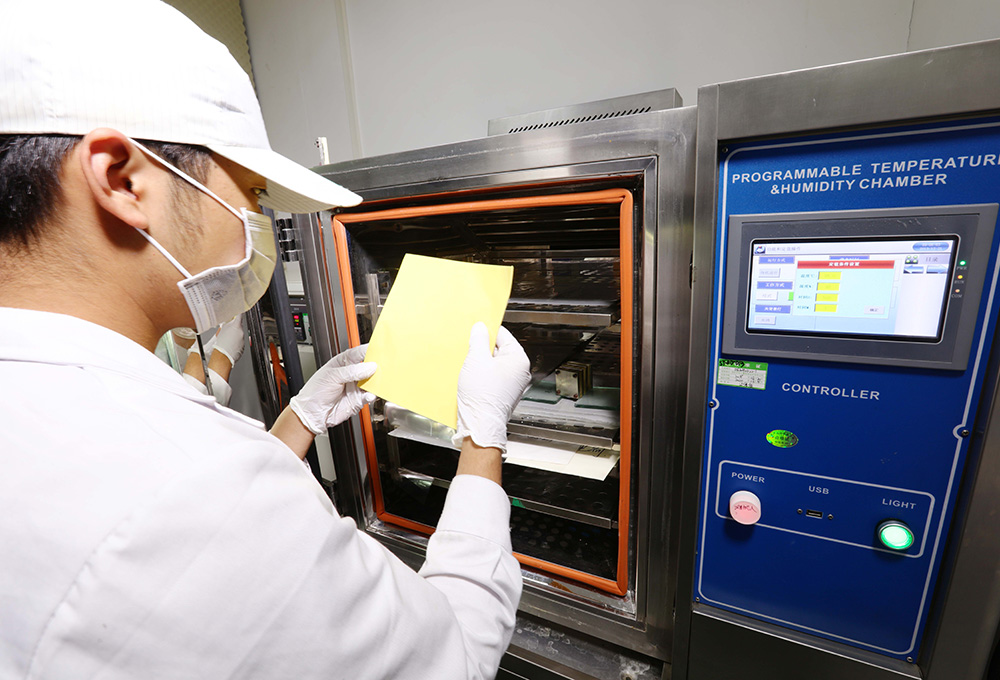
GPU Thermal Management from an Engineer’s Perspective: How to Select Thermal Heat Pads and Identify the Best GPU Thermal Pads
With the rapid growth of high-performance computing, gaming graphics cards, and AI inference workloads, thermal management has become a critical factor in both system design and long-term reliability. Modern GPUs dissipate significant heat under sustained load. If this heat is not removed efficiently, performance throttling, system instability, and reduced component lifespan are inevitable. From an engineering standpoint, selecting an appropriate thermal heat pad and suitable thermal pads for GPU applications is one of the most effective ways to improve overall thermal efficiency.
1. Why Thermal Management Is Critical for GPUs
GPUs are designed for massive parallel computation and operate at high current densities and clock speeds. As power density increases, localized hotspots appear on GPU cores, memory modules, and VRM components. If these hotspots are not properly coupled to the cooling system, temperatures can exceed safe operating limits, leading to:
- Thermal throttling and unstable performance
- Accelerated material aging
- Higher failure rates of solder joints and packages
- Reduced overall system reliability
Therefore, effective heat transfer between heat sources and heat sinks is essential. This is where high-quality thermal heat pad materials play a key role by minimizing interfacial thermal resistance.
2. What Is a Thermal Heat Pad?
A thermal heat pad is a solid thermal interface material (TIM) composed of thermally conductive fillers dispersed within an elastic polymer matrix. It is designed to bridge microscopic air gaps between heat-generating components and cooling surfaces, significantly improving heat transfer efficiency.
Compared with traditional thermal grease or paste, thermal pads offer several engineering advantages:
- Stable and clean installation
- No pump-out or migration over time
- Better gap-filling capability for uneven surfaces
- Convenient replacement and rework
In practical GPU designs, thermal pads are commonly used not only on the GPU die, but also on memory chips and power components, making them indispensable in modern thermal architectures.
3. Key Parameters When Selecting Thermal Pads for GPU
From an engineering evaluation perspective, choosing appropriate thermal pads for GPU applications requires careful consideration of several material properties:
3.1 Thermal Conductivity
Thermal conductivity directly affects how quickly heat can be transferred to the cooling solution. For GPU systems operating under sustained loads, thermal conductivity values above 6.0 W/m·K are typically recommended, while lower values may be sufficient only for less demanding electronics.
3.2 Compressibility and Electrical Insulation
Thermal pads must conform to surface irregularities and component height variations. Adequate compressibility ensures full contact, while strong dielectric strength prevents electrical short circuits in densely populated PCB environments.
3.3 Operating Temperature Stability
GPU temperatures can fluctuate significantly depending on workload and cooling conditions. High-quality thermal pads should remain mechanically and chemically stable from −40°C to at least 150°C, without hardening, cracking, or degrading.
3.4 Thickness Control
Common pad thicknesses range from 0.5 mm to 2.0 mm. Selecting the correct thickness is essential: too thin may result in poor contact, while too thick can increase thermal resistance due to excessive compression.
4. What Defines the Best GPU Thermal Pads?
In professional thermal design, the best GPU thermal pads are not defined by a single parameter, but by overall system performance and long-term stability. A reliable evaluation framework includes:
| Performance Criterion | Engineering Importance |
|---|---|
| High thermal conductivity | Very High |
| Mechanical compliance | High |
| Thermal aging resistance | High |
| Ease of installation | High |
| Long-term reliability | High |
High-quality thermal pads for GPU should maintain low thermal resistance after repeated thermal cycling, vibration, and long-term exposure to elevated temperatures.
5. Practical Engineering Experience with Thermal Heat Pads
In server accelerator card projects designed for continuous high-load operation, we have evaluated multiple categories of thermal interface materials, including:
- Standard silicone-based thermal pads
- Ceramic-filled composite pads
- High-performance polymer composite thermal pads
Based on thermal resistance measurements, compression behavior, and long-term thermal cycling tests, polymer composite thermal pads with enhanced filler dispersion consistently demonstrated the most stable performance. They provided reliable contact pressure distribution while maintaining low thermal impedance throughout extended stress testing.
This type of material architecture is particularly well-suited for modern GPUs with complex package geometries and uneven component layouts.
6. Recommended Thermal Pad Solution for GPU Applications
Based on extensive validation and field feedback, the TOUSEN TIM Thermal Pad series provides a balanced solution for high-performance GPU thermal management. Key engineering advantages include:
- High thermal conductivity through optimized composite filler technology
- Excellent conformability for variable gap interfaces
- Stable mechanical properties under long-term thermal stress
- Easy handling and precision cutting during assembly
These characteristics make the product suitable for:
- GPU core to heatsink thermal interfaces
- Memory module heat dissipation
- VRM and power component cooling enhancement
Product details are available at: https://www.itousen.com/TOUSEN-TIM-THERMAL-PAD.HTML
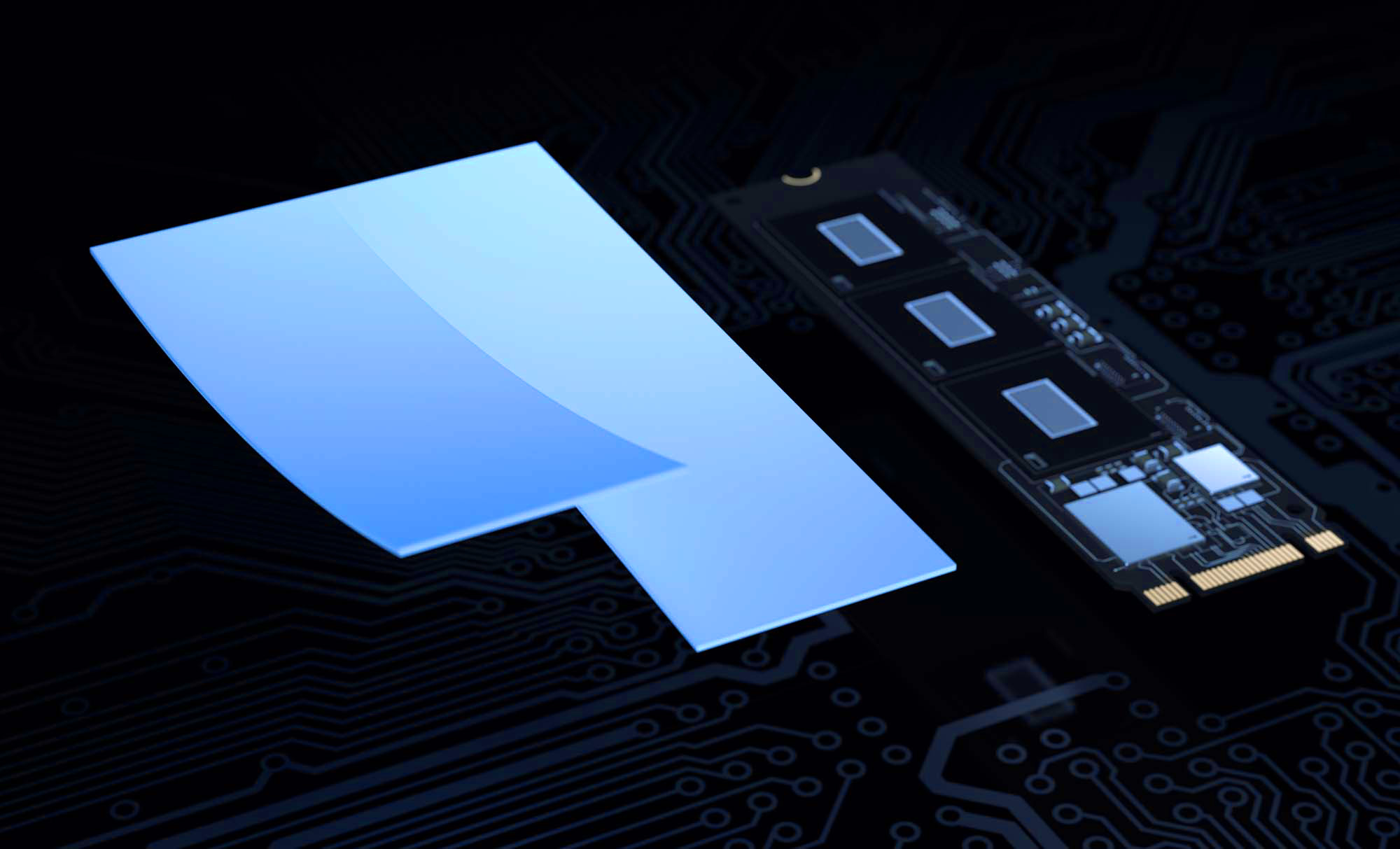
Compared with conventional thermal pastes, properly selected thermal pads provide more consistent contact pressure and eliminate long-term pump-out risks, which is critical for industrial and professional GPU systems.
7. Installation Best Practices for Thermal Pads
Even the best GPU thermal pads require correct installation to achieve optimal performance. From an engineering maintenance standpoint, the following procedures are recommended:
- Surface preparation: Clean all contact surfaces using isopropyl alcohol to remove contaminants.
- Accurate sizing: Cut pads precisely to match component dimensions and measured gap height.
- Uniform compression: Ensure even mounting pressure across the entire contact area.
- Thermal validation: Perform post-installation temperature monitoring to confirm performance improvement.
Consistent installation quality is often the difference between theoretical material performance and real-world thermal results.
8. Conclusion
Effective GPU thermal management depends on system-level design, but selecting high-quality thermal heat pad materials and properly engineered thermal pads for GPU interfaces remains one of the most cost-effective and reliable optimization methods. From an engineering standpoint, the best GPU thermal pads are those that provide stable, repeatable thermal performance throughout the full operational lifecycle of the device.
By understanding material properties, installation requirements, and real-world operating conditions, engineers and system builders can significantly enhance GPU cooling efficiency and long-term reliability.
For further technical information and product specifications, please visit: https://www.itousen.com/TOUSEN-TIM-THERMAL-PAD.HTML
Engineers Guide to Thermal Resistance Tape for Industrial Piping
Thermal Heating Pad Guide: Best Thermal Pads for GPU Cooling
Related Article