
Thermal Pad Solutions for Communication Equipment Cooling
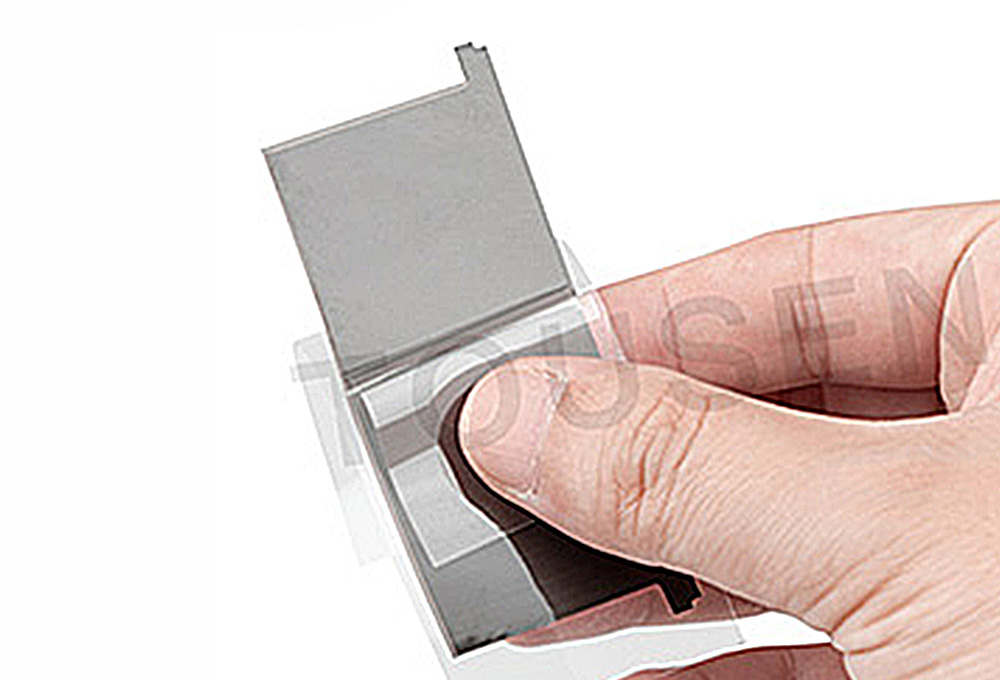
Thermal Pad Solutions for Modern Communication Equipment Cooling
With the rapid expansion of 5G infrastructure, edge computing platforms, and high-density networking equipment, thermal management has become a critical design consideration in modern communication systems. Power densities continue to increase in processors, power modules, and RF components, making efficient heat transfer essential for maintaining long-term reliability.
From an engineering perspective, the thermal path between a heat-generating component and the heat sink is often the weakest link in the cooling system. Even precision-machined metal surfaces contain microscopic irregularities that trap air, significantly increasing interface thermal resistance. Because air has extremely low thermal conductivity, these microscopic gaps can reduce the effectiveness of even the most advanced cooling solutions.
To address this challenge, engineers commonly integrate thermal pad materials between heat sources and cooling structures. These materials improve surface contact, reduce thermal resistance, and help maintain consistent heat transfer across uneven interfaces.
Thermal Challenges in Communication Hardware
Communication equipment such as base station modules, network switches, routers, and optical communication devices often integrate high-performance processors, FPGAs, RF amplifiers, and power management circuits. These components can generate substantial heat during operation.
Without effective thermal control, elevated junction temperatures can lead to performance degradation, reduced component lifespan, or system instability. As a result, thermal engineers must carefully design heat transfer paths that efficiently move heat away from critical components.
In many designs, a thermal pad serves as the key interface layer that bridges the gap between the semiconductor device and the heat sink. By eliminating trapped air and improving surface conformity, the thermal pad dramatically reduces interface resistance and enhances overall heat dissipation efficiency.
How Thermal Pads Improve Heat Transfer
A typical silicone thermal pad is formulated using a polymer matrix filled with thermally conductive ceramic particles such as aluminum oxide or boron nitride. This structure combines flexibility with effective heat conduction.
Compared with rigid thermal interface materials, a silicone thermal pad can compress slightly when installed, allowing it to conform to uneven surfaces and ensure uniform contact across the interface. This characteristic is particularly valuable in communication hardware where mechanical tolerances and component height variations are common.
Key benefits of using a thermal pad in communication equipment include:
- Improved Interface Thermal Conductivity
The thermal pad fills microscopic gaps between components and heat sinks, significantly improving heat transfer efficiency. - Electrical Insulation
High-quality thermal pads provide reliable electrical insulation while maintaining strong thermal conductivity, which is essential for densely packed electronic systems. - Mechanical Stress Absorption
Due to its elasticity, a thermal pad can absorb mechanical tolerances and vibrations, protecting sensitive electronic components. - Support for Compact System Design
Thermal pads are available in multiple thicknesses, enabling engineers to accommodate different component spacing and support compact product architectures.
Depending on formulation, the thermal conductivity of silicone thermal pad materials typically ranges from approximately 0.8 W/m·K to over 15 W/m·K, allowing designers to match material performance with specific power dissipation requirements.
Key Considerations When Selecting a Thermal Pad
Selecting the appropriate thermal pad requires a careful evaluation of several engineering parameters. The optimal material depends on system architecture, thermal load, and mechanical constraints.
1. Thermal Conductivity
Thermal conductivity is one of the primary performance metrics for a thermal pad. High-power components such as processors, RF amplifiers, and voltage regulation modules typically require higher conductivity materials to maintain safe operating temperatures.
2. Material Thickness
The thickness of the thermal pad must match the mechanical gap between the component and the heat sink. A pad that is too thin may fail to fill the interface properly, while excessive thickness can introduce additional thermal resistance.
3. Compression Characteristics
Good compressibility ensures that the thermal pad can conform to uneven surfaces under mounting pressure. Materials with stable compression set characteristics maintain consistent thermal performance over time.
4. Long-Term Reliability
Communication equipment is often expected to operate continuously in demanding environments. A high-quality thermal pad must therefore demonstrate stability under temperature cycling, aging, and long operational lifetimes.
High-Performance Silicone Thermal Pad Solutions
In communication equipment manufacturing, both material performance and customization capability are essential. Manufacturers increasingly require thermal interface materials that can be tailored to specific mechanical layouts and thermal loads.
One example is the silicone thermal pad solutions offered by ITousen. These materials are designed to support efficient heat dissipation in electronic and communication systems.
Product information is available here:
https://www.itousen.com/silicone-thermal-pads.html

These thermal pad materials offer several engineering advantages:
- Multiple thermal conductivity grades
- Wide thickness range for different mechanical gaps
- Excellent softness and compressibility
- Reliable electrical insulation properties
- Custom shapes and die-cut processing options
For communication equipment designers, this flexibility allows thermal interface materials to be integrated more effectively into system-level cooling strategies.
Typical Applications in Communication Systems
Today, thermal pad materials are widely used across a variety of communication and networking devices, including:
- 5G base station power modules
- Network switch ASIC cooling
- Router processor thermal management
- Optical module power regulation circuits
- Communication power supply units
By incorporating properly selected thermal pad materials into these systems, engineers can significantly reduce operating temperatures, improve performance stability, and extend equipment service life.
Conclusion
As communication infrastructure continues to evolve, thermal management will remain a fundamental engineering challenge. The increasing power density of processors, RF components, and networking hardware makes efficient heat transfer more important than ever.
A well-designed thermal pad solution plays a crucial role in reducing interface thermal resistance and maintaining reliable system performance. By carefully selecting materials that balance conductivity, compressibility, and durability, engineers can optimize thermal pathways and ensure long-term stability in modern communication equipment.
Thermal Pad Engineering Guide for Server Cooling Systems
Engineering Thermal Pad Solutions for Home Appliances
Related Article