Thermal Pads for Electronics and Home Appliance Heat Management
As modern home appliances become smarter, more compact, and increasingly power-dense, thermal management has become an important part of electronic product design. Variable-frequency drives, power supplies, motor controllers, LED modules, communication modules, and embedded control boards can all generate significant amounts of heat during operation. If that heat is not transferred efficiently away from critical components, elevated operating temperatures may reduce performance, shorten component life, and compromise system reliability.
From an engineering perspective, a thermal pad is not simply a soft material placed between a component and a heat sink. It is a thermal interface material (TIM) designed to bridge microscopic and macroscopic air gaps caused by surface roughness, component tolerances, PCB warpage, and assembly variation. Among the available TIM technologies, silicone-based thermal pads offer a practical balance of thermal performance, electrical insulation, mechanical compliance, and manufacturing consistency.
Why Thermal Pads Matter in Modern Home Appliances
Traditional household appliances generally contained relatively simple electronic circuits. Modern products are considerably different. Smart refrigerators, inverter air conditioners, washing machines, air purifiers, televisions, projectors, kitchen appliances, and other connected devices often integrate high-power semiconductor components into increasingly compact enclosures.
Components such as MOSFETs, IGBTs, rectifiers, voltage regulators, motor-control ICs, and power modules can generate localized heat. In many designs, these components must transfer heat to an aluminum heat sink, metal chassis, or other thermal dissipation structure.
The challenge is that the mating surfaces are rarely perfectly flat. Even when two surfaces appear smooth to the naked eye, microscopic irregularities can trap air between them. Because air has very low thermal conductivity, these air pockets can significantly increase thermal resistance.
A properly selected thermal pad fills these gaps and creates a more continuous thermal path between the heat-generating component and the heat dissipation structure. This is one of the primary reasons thermal pads are widely used in electronic assemblies where controlled gap filling and reliable contact are required.
Thermal Pad vs. Thermal Paste and Thermal Gel
There is no universal TIM that is ideal for every electronic application. Engineers typically evaluate thermal conductivity, bond-line thickness, interface resistance, compression behavior, electrical insulation, assembly process, environmental conditions, and long-term reliability before selecting a material.
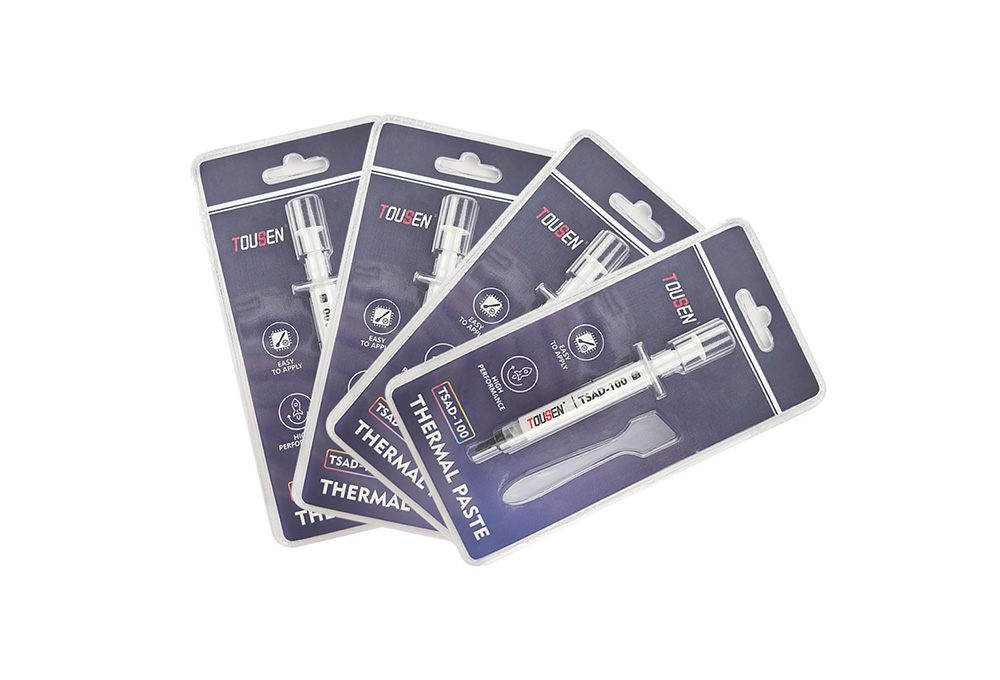
Thermal paste can provide very low interface resistance when applied correctly and is particularly suitable for thin, relatively uniform interfaces. However, manufacturing processes must control application volume, coverage, dispensing consistency, and potential material migration.
Thermal gel can provide excellent gap-filling capability and is useful for irregular three-dimensional interfaces. Depending on the formulation and application, however, dispensing equipment, curing requirements, production takt time, and process control may need to be considered.
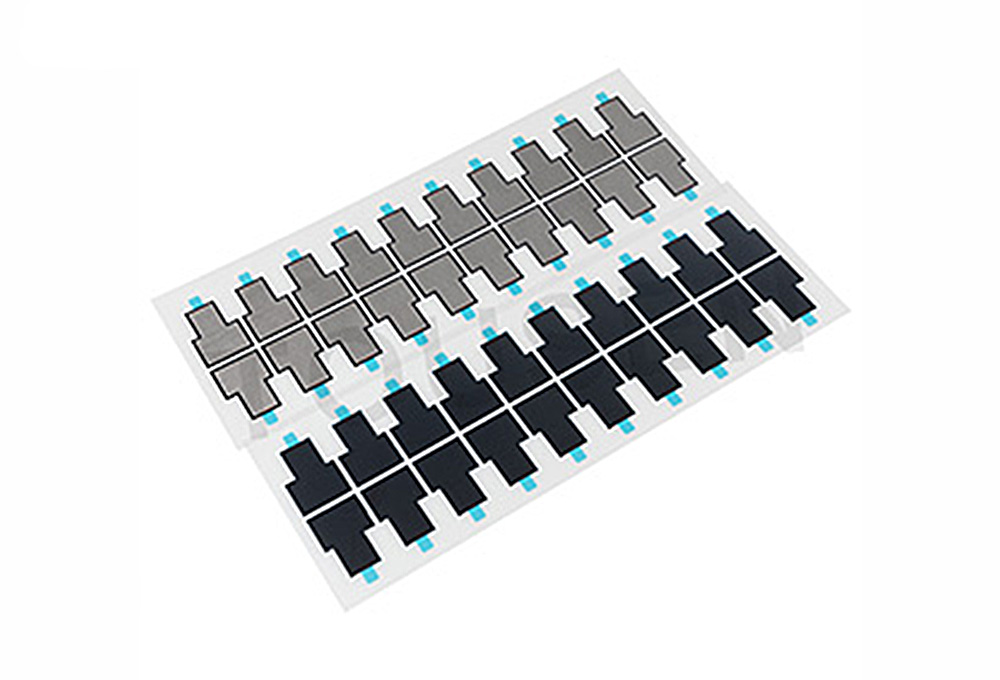
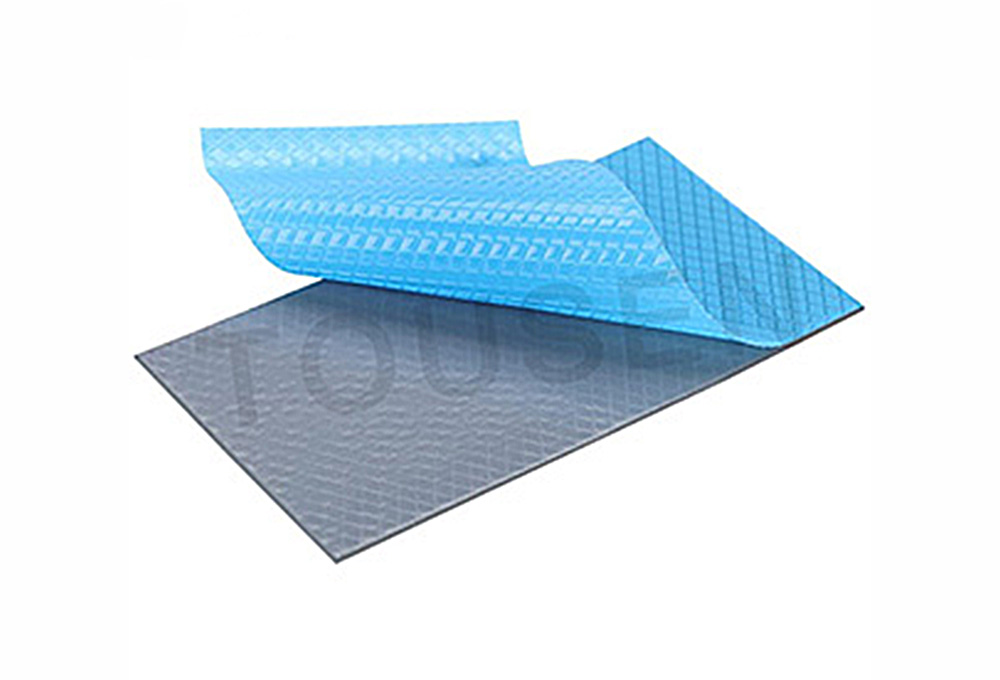
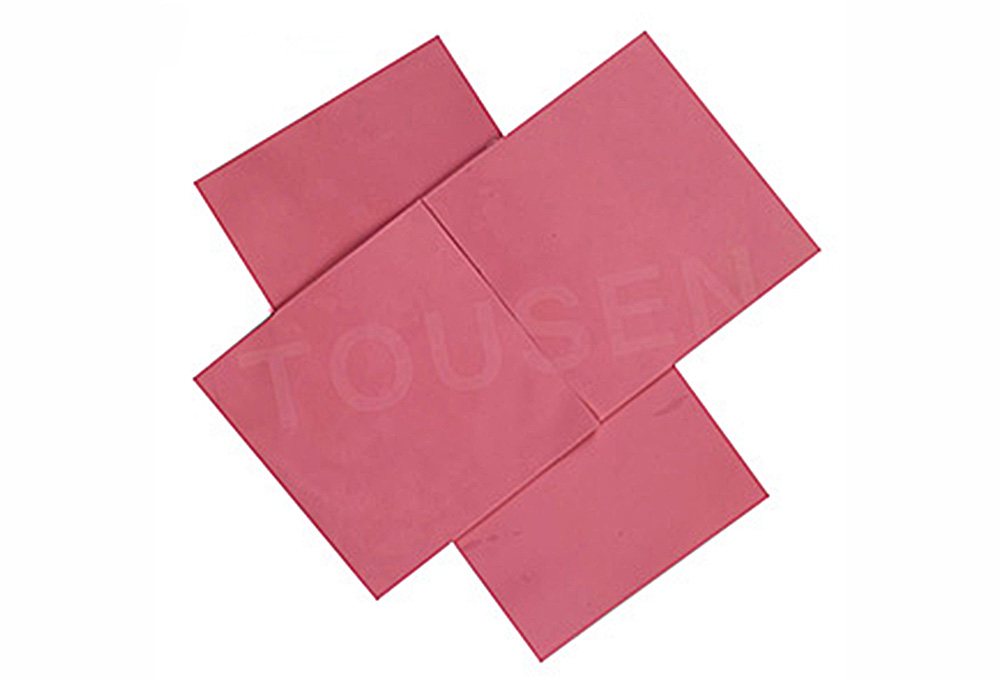
In comparison, a silicone thermal pad is supplied as a solid, dimensionally controlled interface material. It can be die-cut or fabricated to a specified shape and thickness, making it particularly convenient for high-volume assembly. For applications that require both thermal transfer and electrical isolation, a silicone thermal heat pad can provide a practical combination of these functions.
Key Engineering Parameters for Thermal Pads
Selecting a thermal pad should begin with the actual operating conditions rather than with thermal conductivity alone. Several parameters should be evaluated together.
1. Thermal Conductivity
Thermal conductivity indicates the material's ability to conduct heat, but it does not by itself determine the thermal performance of the finished assembly. Material thickness, contact resistance, compression, and surface conditions all affect the final thermal path.
2. Thickness
Electronic assemblies can contain gaps ranging from fractions of a millimeter to several millimeters. A thermal pad must be thick enough to fill the actual interface gap while remaining within the mechanical limits of the assembly. An unnecessarily thick pad may increase thermal resistance, while an undersized pad may fail to establish adequate contact.
3. Compression and Compliance
Compression characteristics are especially important in home appliance electronics. A compliant thermal pad can accommodate component height variation, PCB tolerances, and surface irregularities while maintaining contact with the mating surfaces.
4. Electrical Insulation
Power electronics frequently require thermal transfer without creating an electrical connection between the semiconductor device and the heat sink. Silicone-based thermal pads can provide electrical insulation while maintaining the required thermal interface.
5. Long-Term Reliability
Home appliances may experience thousands of operating hours and repeated heating and cooling cycles. Therefore, engineers should evaluate the thermal pad for compression set, dimensional stability, temperature resistance, dielectric performance, and long-term interface reliability.
Why Silicone Thermal Pads Are Well Suited to Home Appliances
One of the most important advantages of silicone-based thermal pads is their ability to combine flexibility with controlled thermal transfer. This characteristic is valuable in appliances where electronic components, metal heat sinks, plastic housings, and PCBs may have different dimensional tolerances.
During assembly, a silicone thermal pad can compress to accommodate surface variation and maintain contact across the interface. During temperature cycling, its compliance can also help accommodate differences in thermal expansion between adjacent components.
Silicone thermal pads also provide manufacturing flexibility. Depending on the application, they can be produced in different thicknesses, thermal conductivity grades, hardness levels, and customized geometries. Die-cut and custom-shaped thermal pads can therefore be integrated into a wide range of electronic assemblies without requiring major changes to the product architecture.
From a production standpoint, the solid form of a thermal pad also makes material placement easier to standardize than manually applied liquid TIMs. This can be particularly valuable in high-volume appliance manufacturing, where repeatability and process consistency directly influence production efficiency.
Thermal Pads for Power Electronics and Control Modules
In inverter-driven appliances, power semiconductor components are often among the most important thermal sources. MOSFETs, IGBTs, bridge rectifiers, and power modules may need to transfer heat through a defined interface to an aluminum heat sink or metal enclosure.
In these applications, the ideal thermal heat pad must provide sufficient thermal performance while also meeting the required electrical insulation and mechanical compression characteristics. The material should be selected according to the actual interface gap and allowable assembly pressure rather than simply choosing the highest available thermal conductivity.
This engineering approach helps avoid a common design mistake: assuming that a higher thermal conductivity rating will automatically produce a lower system temperature. In practice, the complete thermal resistance of the interface must be considered.
TOUSEN Silicone Thermal Pads for Electronic Applications
For engineers developing home appliances, power electronics, industrial electronics, and other thermal management systems, TOUSEN Silicone Thermal Pads provide a configurable solution for thermal transfer and gap filling.
Depending on the application requirements, engineers can evaluate parameters such as thermal conductivity, thickness, hardness, compressibility, dielectric strength, operating temperature, and dimensional tolerance. This allows the material to be matched to the actual thermal and mechanical conditions of the assembly.
For example, applications with relatively large interface gaps may benefit from a more compliant thermal pad capable of filling the available space under controlled compression. For compact electronics with high heat flux, engineers should pay closer attention to thermal resistance at the specified thickness. Where electrical isolation is required, dielectric properties should be verified together with thermal performance.
How Engineers Should Select the Right Thermal Pad
A practical selection process can be divided into four steps.
- Define the thermal target. Determine the component power dissipation, maximum allowable component temperature, ambient conditions, and required thermal resistance.
- Measure the real interface gap. Do not rely exclusively on nominal CAD dimensions. PCB flatness, component tolerances, mounting force, and assembly variation can affect the actual gap.
- Verify compression behavior. The selected thermal pad should provide sufficient conformity without generating excessive mechanical stress on the PCB, semiconductor package, or housing.
- Conduct reliability testing. Temperature-rise testing, thermal cycling, vibration testing, dielectric testing, and long-duration operation should be considered according to the application and product reliability requirements.
Conclusion
In modern electronic products, a thermal pad is more than a simple heat-conductive sheet. It is a functional component of the thermal management system that can simultaneously address heat transfer, gap compensation, electrical insulation, assembly consistency, and long-term reliability.
Compared with thermal paste and thermal gel, silicone thermal pads offer a distinctive combination of dimensional control, handling convenience, electrical insulation, mechanical compliance, and manufacturing repeatability. These characteristics make them particularly suitable for home appliances, inverter systems, power supplies, smart electronics, display equipment, and other compact electronic products.
Ultimately, selecting the right thermal heat pad should not be based on thermal conductivity alone. Engineers should consider thermal resistance, interface thickness, compression, dielectric requirements, operating temperature, assembly conditions, and long-term reliability as an integrated system. With the right material and appropriate mechanical design, thermal pads can provide a stable and repeatable thermal path for modern electronic products.
Thermal Pads for Semiconductor Thermoelectric Cooling Systems
Thermal Heat Pad and Thermal Pads for EV Charging Systems
Related Article