Thermal Pads for Semiconductor Thermoelectric Cooling Systems
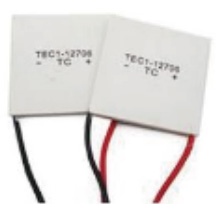
Silicone Thermal Pads for Semiconductor Thermoelectric Cooling Applications
In semiconductor thermoelectric cooling systems, the thermal interface material (TIM) plays a critical role in determining heat transfer efficiency, temperature stability, mechanical reliability, and long-term system performance. For engineers designing thermoelectric coolers, Peltier modules, semiconductor refrigeration assemblies, and compact electronic cooling systems, the interface between the cooling module and heat sink is far more than a simple filler material. It is an essential part of the overall thermal path.
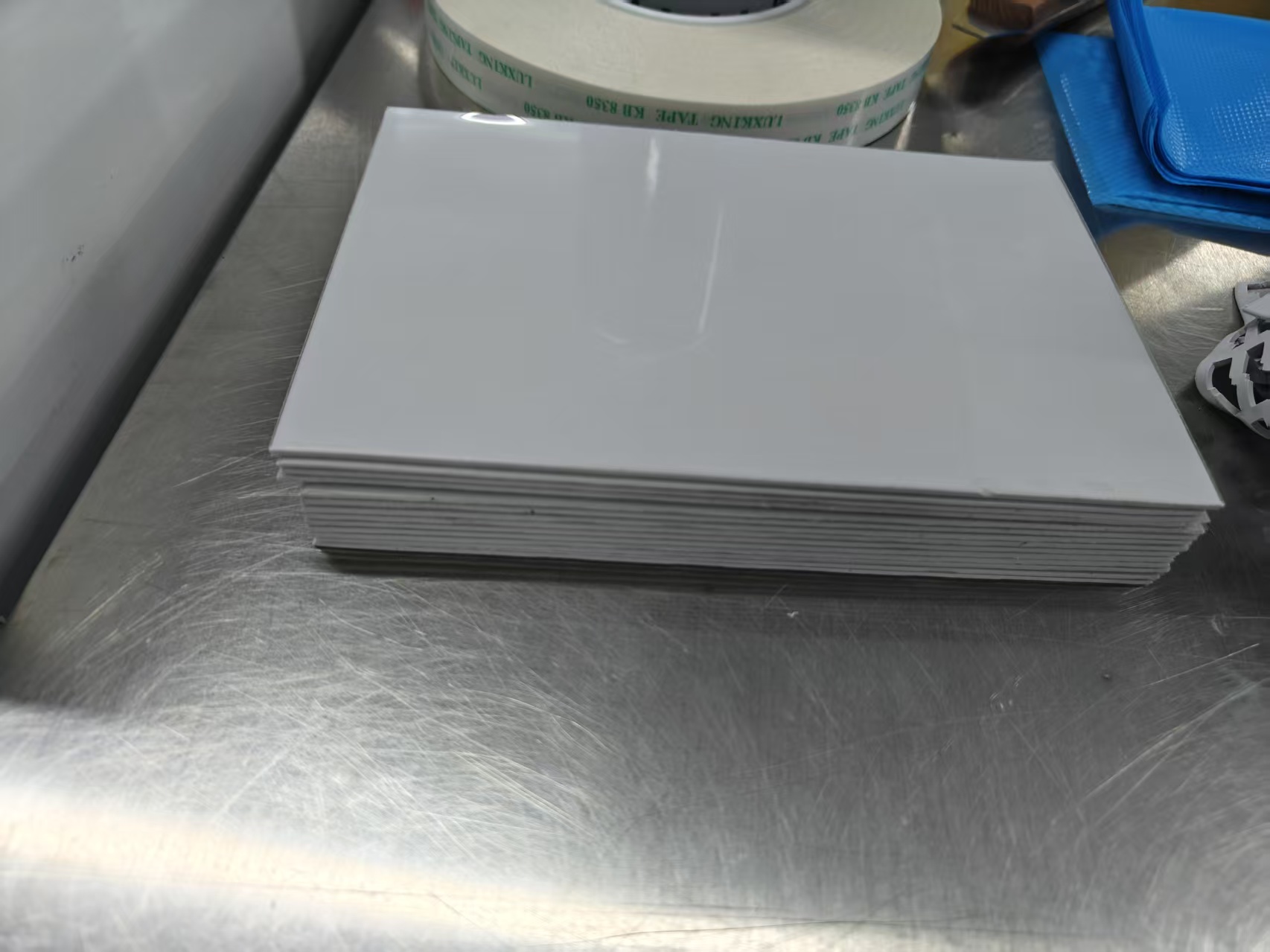
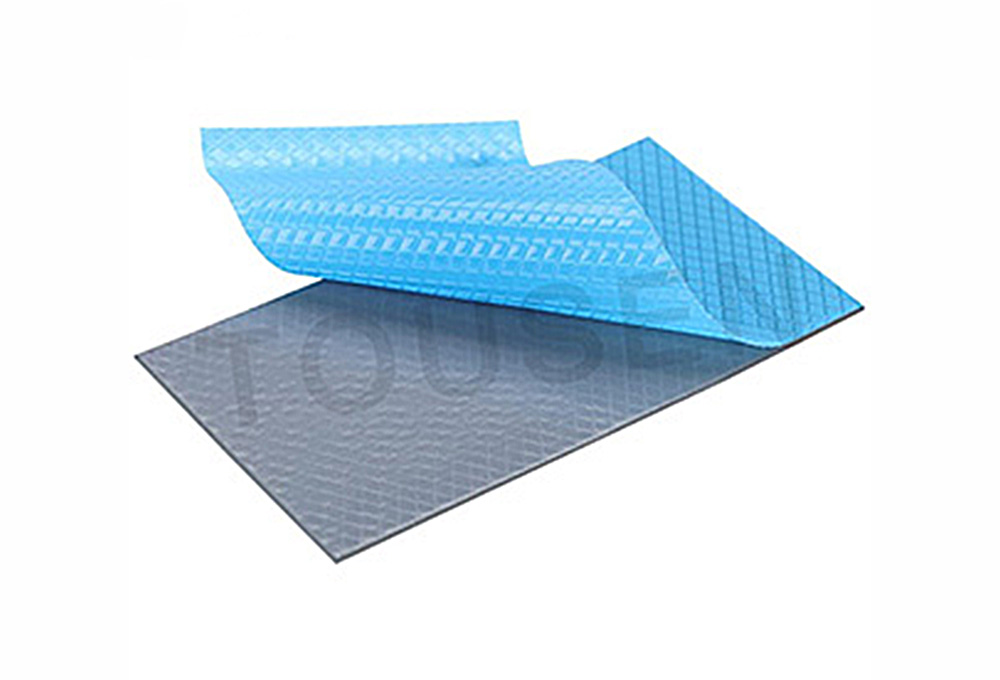
Among the available thermal interface materials, silicone thermal pads are increasingly used where designers need a combination of thermal transfer, electrical insulation, mechanical compliance, controlled thickness, and manufacturing consistency. Compared with thermal grease, thermal paste, phase change materials, and rigid interface materials, a properly selected thermal pad can provide practical advantages in semiconductor thermoelectric cooling applications.
From an engineering standpoint, selecting a thermal heat pad should not be based solely on the highest advertised thermal conductivity. The actual thermal performance depends on several factors, including interface thickness, compression, surface flatness, contact resistance, mechanical pressure, and operating temperature.
Why Thermal Interface Materials Matter in Semiconductor Cooling
A thermoelectric cooler, commonly known as a Peltier module, transfers heat from its cold side to its hot side through the thermoelectric effect. The module itself may have excellent thermal performance, but the complete cooling system can still suffer from excessive thermal resistance if the interface between the module and heat sink is poorly designed.
Even machined metal surfaces contain microscopic irregularities. When two surfaces are assembled directly, these irregularities can create small air gaps. Because air has extremely low thermal conductivity compared with engineered thermal interface materials, these gaps can become significant barriers to heat transfer.
A thermal pad fills these microscopic gaps and improves surface contact between the thermoelectric module and its heat dissipation structure. The result is a more continuous thermal pathway and better control of interface conditions.
For semiconductor thermoelectric cooling systems, engineers should evaluate the following parameters when selecting thermal pads:
- Thermal conductivity and thermal resistance
- Pad thickness and thickness tolerance
- Compressibility and hardness
- Electrical insulation performance
- Operating temperature range
- Surface conformity
- Compression set and long-term stability
- Thermal cycling performance
- Manufacturing and assembly requirements
This is why a thermal interface material should be selected according to the complete application rather than according to thermal conductivity alone.
Why Silicone Thermal Pads Are Well Suited to Thermoelectric Cooling
Silicone-based thermal pads combine a thermally conductive filler system with an elastic silicone matrix. This structure allows the material to transfer heat while maintaining a certain degree of flexibility and compliance.
In a semiconductor cooling assembly, the surfaces of a Peltier module and heat sink may not be perfectly flat. A rigid interface material may fail to compensate for surface irregularities, while excessive mechanical pressure can potentially introduce unnecessary stress into the thermoelectric module.
A properly specified thermal pad can deform under controlled compression and conform to the mating surfaces. This helps reduce air gaps without requiring the same dispensing and curing processes associated with liquid thermal interface materials.
Another important advantage is thickness control. A thermal heat pad is manufactured as a preformed sheet with a defined thickness. This allows engineers to design the thermal interface around the actual mechanical gap and establish a more predictable bond-line geometry.
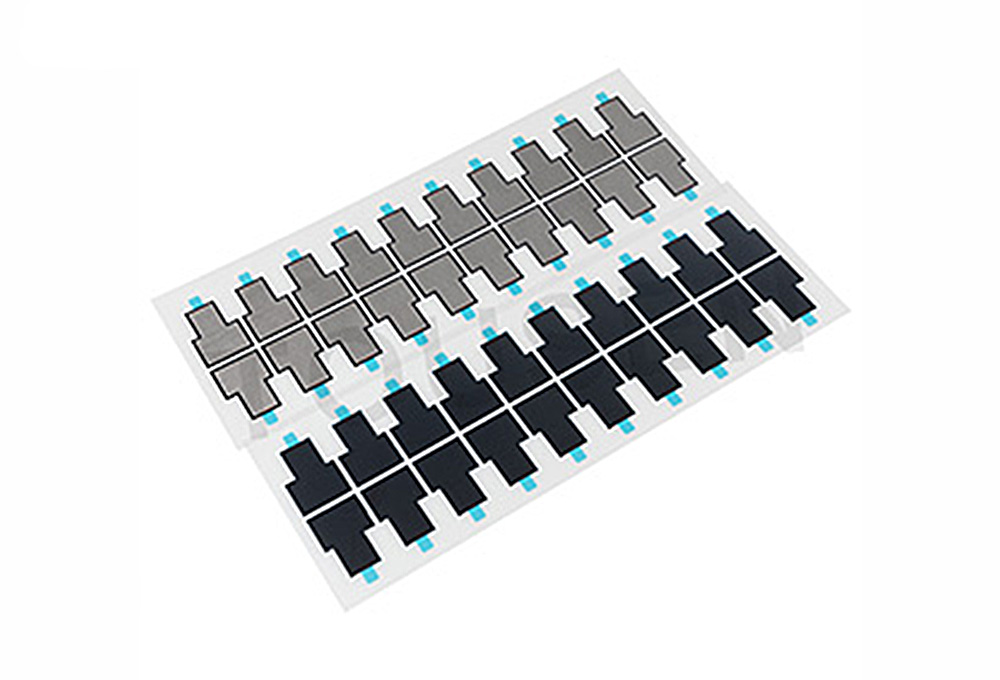
For high-volume manufacturing, this characteristic can improve assembly consistency and reduce process variation. Pre-cut or converted thermal pads can also be designed to match the geometry of thermoelectric modules, heat sinks, housings, and electronic components.
Thermal Pad vs Thermal Grease for Semiconductor Cooling
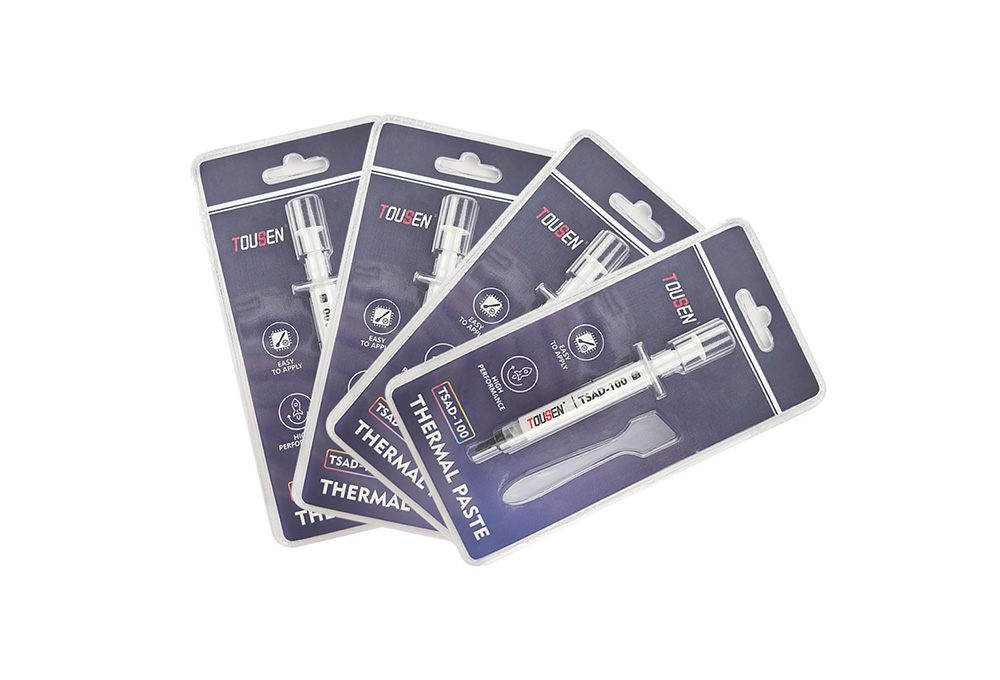
Thermal grease and thermal paste can achieve very low interface resistance when applied under controlled conditions. However, liquid materials introduce additional process variables, including dispensing volume, coating uniformity, spreading behavior, contamination, pump-out, and migration during long-term thermal cycling.
A thermal pad provides a different approach. Because the material is supplied as a preformed sheet, its thickness and dimensions can be controlled before assembly. Engineers can therefore define the interface geometry more consistently than with a manually dispensed liquid material.
A thermal heat pad can also reduce the risk of over-application. Excessive thermal grease can increase the effective bond-line thickness, while insufficient application may result in incomplete surface coverage. With an appropriately selected thermal pad, the interface thickness is largely determined by the pad specification and assembly compression.
However, silicone thermal pads are not automatically superior to thermal grease in every application. If two mating surfaces are extremely flat and the design requires the lowest possible interface resistance, a high-performance thermal compound may still be the better solution. Engineers should therefore compare measured thermal resistance under actual operating and assembly conditions.
Thermal Pads Compared With Phase Change Materials
Phase change materials can provide excellent thermal contact because they soften at specific operating temperatures and conform to surface irregularities. However, their performance depends partly on their phase transition characteristics and application conditions.
In applications where dimensional stability, clean handling, and straightforward assembly are priorities, silicone thermal pads can offer a practical alternative. They retain their preformed structure during handling and installation while providing mechanical compliance under compression.
This can be particularly beneficial for production environments in which assembly repeatability and process control are important considerations.
Electrical Insulation Is a Key Consideration
Thermoelectric cooling systems are often integrated into electronic assemblies containing semiconductor devices, power electronics, sensors, and other electrically sensitive components. In these systems, the thermal interface may need to provide both thermal transfer and electrical isolation.
Silicone thermal pads can be engineered to combine thermal conductivity with electrical insulation. This dual function can simplify the interface design and reduce the need for additional insulating components in certain applications.
Engineers should nevertheless verify dielectric strength, insulation resistance, material thickness, and system-level electrical requirements for each design. Not every thermal pad provides identical electrical performance, so the required specifications should be confirmed during material selection.
Mechanical Compliance and Long-Term Reliability
Thermoelectric cooling systems may experience repeated thermal cycling. During operation, the temperature difference between the hot and cold sides can cause dimensional changes in adjacent components. Differences in the coefficients of thermal expansion between metals, ceramics, semiconductors, and polymeric materials can also introduce mechanical stress into the assembly.
A compliant silicone thermal pad can accommodate a degree of dimensional variation while maintaining contact with the mating surfaces. This property can be valuable when the thermal interface must remain stable during repeated heating and cooling cycles.
Material hardness is also an important engineering variable. A pad that is too hard may not conform adequately to surface irregularities, while a pad that is excessively soft may require higher compression control and could create assembly challenges.
Therefore, the performance of thermal pads should ideally be evaluated through application-specific testing, including thermal cycling, compression aging, environmental exposure, and mechanical reliability testing where applicable.
How Engineers Should Select a Thermal Pad
The first step in selecting a thermal pad for semiconductor thermoelectric cooling is to determine the actual interface gap. Pad thickness should be selected based on the mechanical stack-up rather than simply choosing the thickest available material.
Thickness has a direct influence on thermal resistance. In general, a thinner interface can provide lower thermal resistance when surface contact and compression are sufficient. However, the pad must still be thick enough to compensate for dimensional tolerances and surface irregularities.
Compression is another critical factor. A thermal heat pad should provide sufficient conformability to fill the interface while keeping the required compression force within the mechanical limits of the thermoelectric module and surrounding assembly.
Thermal conductivity should then be considered together with thickness and contact conditions. A material with higher bulk conductivity does not necessarily provide lower total interface resistance if it requires excessive thickness or does not conform adequately to the mating surfaces.
Electrical insulation requirements should also be established early in the design process. For applications near energized components, dielectric performance may be just as important as thermal performance.
TOUSEN Silicone Thermal Pads for Electronic Thermal Management
For engineers seeking a customizable thermal interface solution, TOUSEN offers a range of silicone thermal pads for electronic thermal management applications.
Explore TOUSEN Silicone Thermal Pads
The product range can be evaluated according to application-specific requirements such as thermal conductivity, thickness, compressibility, electrical insulation, mechanical configuration, and operating conditions.
For semiconductor thermoelectric cooling applications, the appropriate thermal pad should be selected based on the actual interface gap, required thermal performance, compression conditions, and mechanical structure of the assembly.
Customized dimensions and converted formats can also help engineers integrate thermal pads into compact thermoelectric modules, semiconductor cooling systems, power electronics, sensors, optical electronics, and other space-constrained electronic assemblies.
Conclusion
For semiconductor thermoelectric cooling applications, silicone thermal pads offer a practical balance of thermal transfer, electrical insulation, mechanical compliance, thickness control, and manufacturing consistency.
Compared with thermal grease, a thermal pad provides a preformed interface with controlled thickness and cleaner handling. Compared with rigid thermal interface materials, silicone thermal pads offer greater compliance and surface conformity. Compared with some phase change solutions, they provide a stable physical form during handling and assembly.
However, no single thermal heat pad is optimal for every thermoelectric cooling system. Engineers should evaluate thermal conductivity, thermal resistance, thickness, compression, dielectric performance, operating temperature, mechanical stress, and long-term reliability as an integrated system.
When these parameters are properly matched to the application, silicone thermal pads can provide a reliable thermal pathway between a semiconductor thermoelectric module and its heat dissipation structure. For designers seeking a practical combination of thermal performance, electrical insulation, mechanical compliance, and manufacturing consistency, silicone thermal interface pads remain a strong option for modern semiconductor cooling applications.
Thermal Heat Pad and Thermal Pads for Power Module Cooling
Thermal Pads for Electronics and Home Appliance Heat Management
Related Article