
Pad Thermal Solutions for CPU and GPU Thermal Management
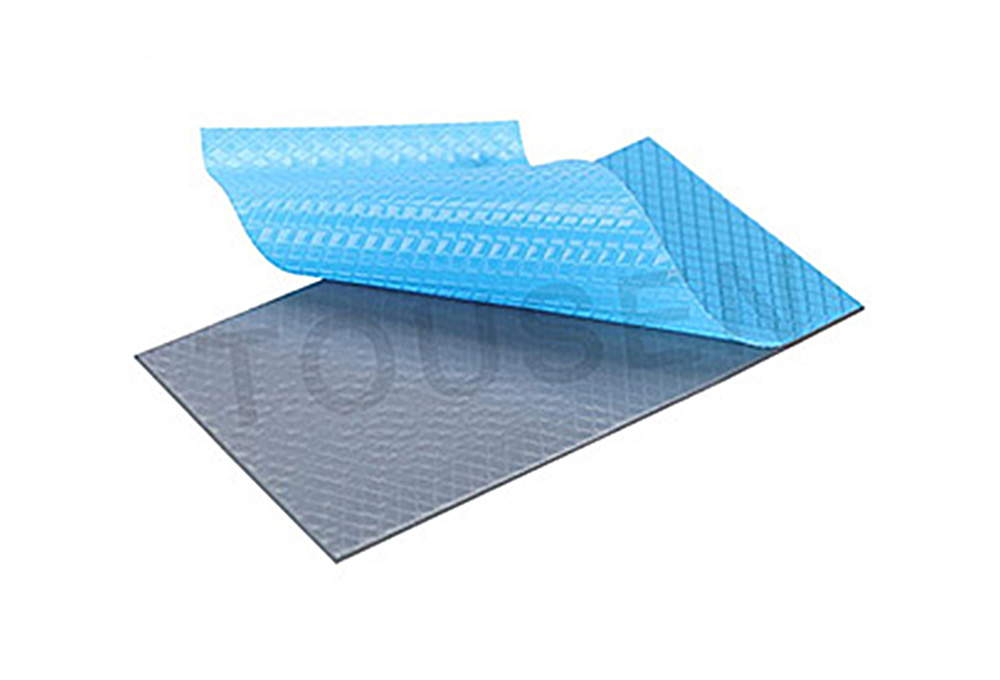
Engineering Perspective: The Critical Role of Thermal Interface Materials in Electronic Cooling
As electronic devices continue to achieve higher performance and greater power density, thermal management has become one of the key factors limiting system stability and service life. From an engineering standpoint, traditional cooling components such as heat sinks and fans alone are no longer sufficient to meet modern thermal demands. Selecting efficient and reliable thermal interface materials (TIMs) is essential to ensure effective heat transfer from heat sources to cooling structures.
This article provides an objective and technical analysis of pad thermal, cpu thermal pad, and thermal pads gpu, including their working principles, application scenarios, and selection criteria, while also introducing a high-performance product solution suitable for demanding thermal designs.
1. Understanding Thermal Interface Materials (TIMs)
Thermal interface materials are designed to fill microscopic air gaps between heat-generating components and cooling elements. Their primary function is to reduce interfacial thermal resistance and improve heat transfer efficiency. In high-power devices such as CPUs and GPUs, even minor surface irregularities can significantly degrade thermal conduction if not properly addressed.
In practical applications, pad thermal solutions are widely adopted due to their flexibility, structural compliance, and ease of installation. A well-designed cpu thermal pad is suitable not only for processors but also for memory modules and power management components. Likewise, thermal pads gpu are optimized for the thermal distribution characteristics of GPU cores and surrounding memory, supporting efficient and balanced heat dissipation.
2. Key Thermal Challenges and the Value of TIMs
With increasing chip integration and clock speeds, thermal design power (TDP) continues to rise. This introduces several challenges:
- Imperfect contact surfaces between components and heat sinks
- Extremely low thermal conductivity of trapped air
- Mechanical stress caused by repeated thermal cycling
High-quality pad thermal materials must therefore deliver not only strong thermal conductivity but also long-term mechanical and thermal stability. For CPU cooling, selecting an appropriate cpu thermal pad enables faster and more uniform heat transfer to the heat sink, directly improving operating temperature and performance consistency. Similarly, in graphics systems, properly selected thermal pads gpu help manage heat across GPU cores, VRAM, and power components.
3. Technical Parameters and Selection Guidelines for Pad Thermal Materials
From an engineering perspective, the following performance indicators are critical when selecting pad thermal solutions:
3.1 Thermal Conductivity
Thermal conductivity is the primary metric of heat transfer capability. Higher values generally correspond to lower thermal resistance. High-performance pad thermal materials typically exceed 3 W/m·K, with advanced solutions reaching 8–12 W/m·K or higher.
3.2 Thermal Resistance
System-level thermal resistance reflects real-world installation performance. Optimized cpu thermal pad and thermal pads gpu solutions can significantly reduce interface resistance and improve heat flow consistency.
3.3 Mechanical Compliance
Good compressibility and surface conformity allow the pad thermal to adapt to uneven surfaces and varying gap tolerances, increasing effective contact area and ensuring stable thermal paths.
3.4 Reliability and Assembly Efficiency
Compared to thermal grease, cpu thermal pad products are easier to install, cleaner to handle, and more suitable for automated assembly processes. They also provide better mechanical buffering under vibration and thermal cycling conditions.
4. Comparison: Thermal Grease vs. Pad Thermal
| Feature | Thermal Grease | Pad Thermal |
|---|---|---|
| Thermal Performance | Generally high | Depends on material grade |
| Installation | Requires precision | Simple and consistent |
| Rework & Maintenance | Difficult | Easy replacement |
| Mechanical Cushioning | Minimal | Excellent |
For designs with variable gap tolerances or complex mechanical constraints, cpu thermal pad and thermal pads gpu solutions are often preferred due to their stable mechanical and thermal behavior.
5. Engineering Application Examples
Case 1: Server CPU Thermal Optimization
In a high-density server platform operating under sustained load, conventional thermal grease showed inconsistent interface resistance over time. By replacing it with a high-conductivity cpu thermal pad, the thermal interface became more stable, resulting in a temperature reduction of approximately 5–8°C under full load, and improved long-term reliability.
Case 2: GPU Thermal Balancing with Thermal Pads
In a professional workstation, thermal imbalance between GPU core and memory modules caused localized overheating. Engineers applied region-specific thermal pads gpu with different thickness and conductivity levels, achieving more uniform temperature distribution and extending component lifespan.
6. Recommended High-Performance Pad Thermal Solution
In engineering practice, selecting materials that combine high thermal conductivity, strong compliance, and long-term stability is essential. The ITousen High-Performance Thermal Pad Series provides an effective solution for demanding thermal management applications:
Product page:
https://www.itousen.com/high-performance-thermal-pad.html
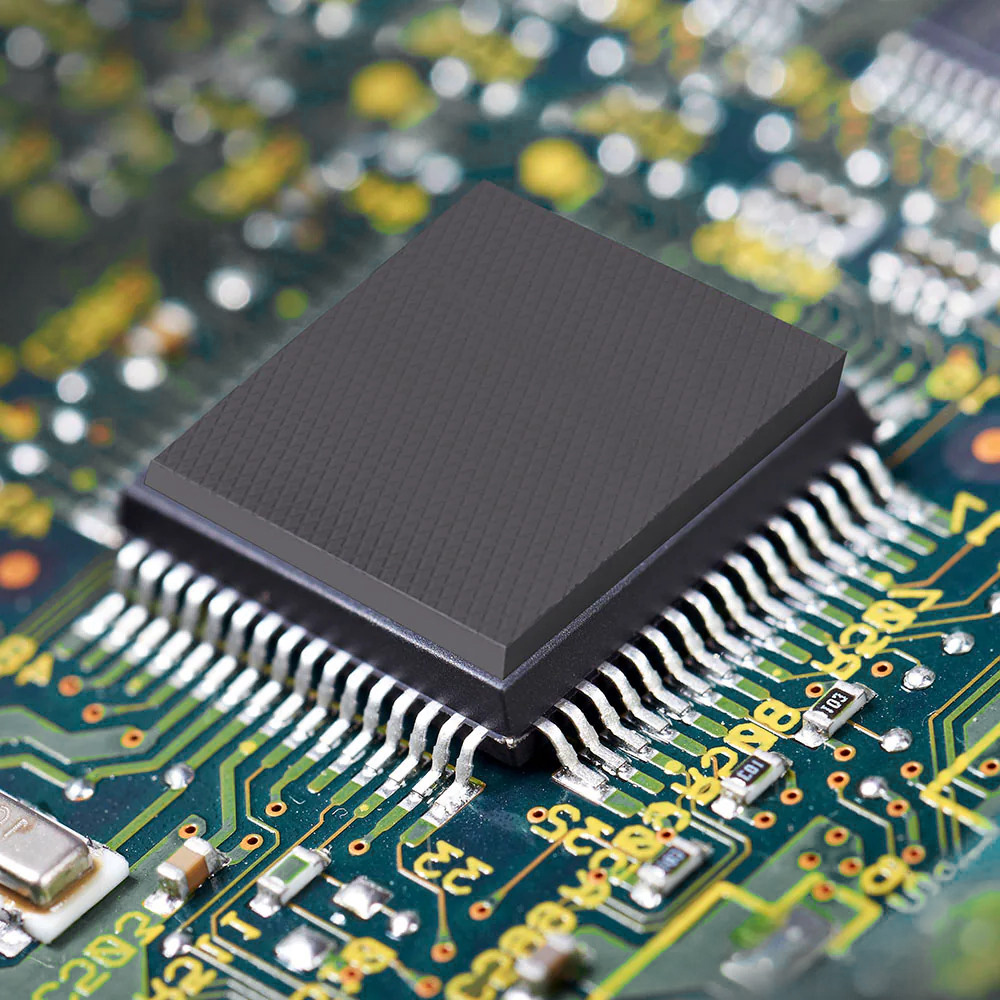
These pad thermal products offer excellent heat transfer performance while maintaining durability under repeated thermal cycling. They are well-suited for both cpu thermal pad and thermal pads gpu applications, and can be easily cut and configured to match various mechanical designs.
7. Conclusion
From an engineering standpoint, thermal interface materials should be treated as a critical component of system-level thermal design rather than an afterthought. Pad thermal materials play an indispensable role in modern electronic cooling architectures. Whether applied as a cpu thermal pad or as thermal pads gpu, proper material selection and layout directly affect thermal efficiency, performance stability, and product longevity.
By evaluating thermal conductivity, mechanical compliance, and reliability together with actual application requirements, engineers can significantly improve system-level thermal performance. Integrating high-quality pad thermal solutions early in the design phase is a practical and cost-effective strategy for achieving robust thermal management in high-performance electronics.
For more detailed technical specifications and application support, engineers are encouraged to review the ITousen thermal interface material portfolio and consult with thermal design specialists.
Thermal Pad vs Thermal Compound and Best Thermal Pads for GPU
Thermal Tape Solutions for Reliable Electronic Heat Management
Related Article