PI High Temperature Tape for SMT Processes | Engineering Perspective
Engineering Analysis of PI High Temperature Tape in SMT Applications
In Surface Mount Technology (SMT) manufacturing, auxiliary materials used during high-temperature processes play a critical role in ensuring process stability, yield, and long-term reliability. Among these materials, PI high temperature tape (polyimide tape) has become a standardized solution for masking, fixation, and electrical insulation in modern electronics assembly.
1. Real Process Requirements of SMT Manufacturing
SMT processes typically involve multiple thermal cycles, including reflow soldering, wave soldering, and localized rework. Peak temperatures commonly reach 240–260°C, combined with rapid heating and cooling, flux exposure, solder splash, and post-solder cleaning chemicals.
In this environment, materials used for temporary protection or fixation must satisfy several engineering-level requirements:
- Thermal stability throughout the full reflow temperature profile
- Controlled adhesion: secure at high temperature, clean removal after cooling
- Low contamination risk to PCB surfaces and solderable areas
- Reliable electrical insulation in dense circuit layouts
PI high temperature tape addresses these requirements not as a simple consumable, but as a functional process material integrated into SMT manufacturing.
2. Typical SMT Application Scenarios
2.1 Thermal Masking During Reflow and Wave Soldering
In practical SMT production, certain areas must be protected from solder and flux exposure, including:
- Gold fingers and edge connectors
- Test points and programming interfaces
- Exposed FPC contact areas
- Metal structures not intended for soldering
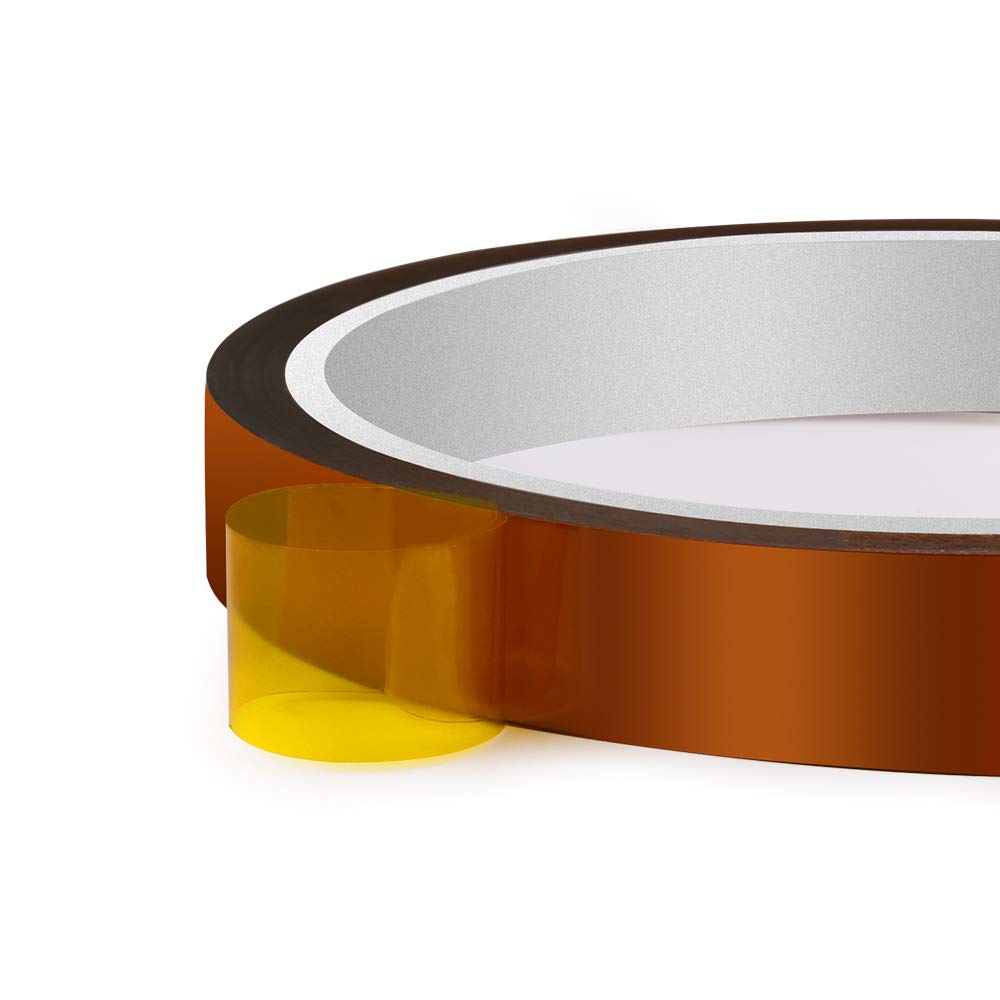
The polyimide film backing maintains structural integrity under high temperatures, without softening, melting, or generating carbonized residues. This allows effective masking while minimizing secondary cleaning or rework.
2.2 Temporary Fixation and Positioning at High Temperature
As electronic assemblies continue to evolve toward thinner, lighter, and higher-density designs, SMT processes increasingly involve flexible printed circuits (FPCs), fine-pitch cables, and irregular structural components.
PI high temperature tape is commonly used for:
- Temporary fixation of FPCs to PCBs
- Preventing component movement prior to soldering
- Supporting local structures during thermal cycles
During reflow, the tape maintains stable adhesion without adhesive flow. After cooling, it can be removed cleanly without lifting pads or damaging copper traces.
2.3 Electrical Insulation and Process Safety
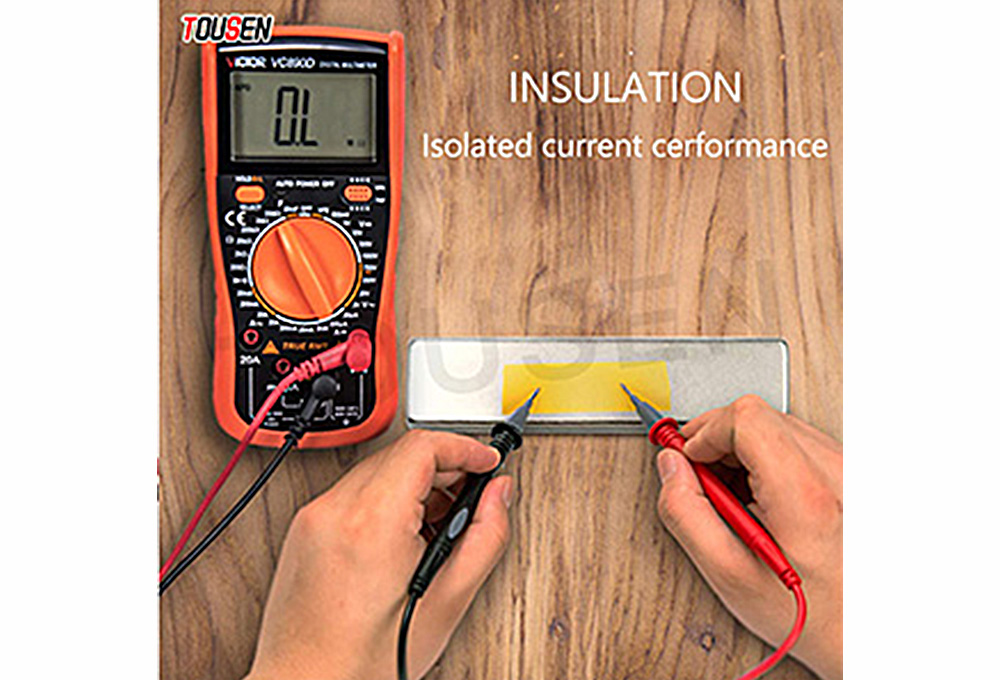
Polyimide films exhibit excellent dielectric properties, making PI tape suitable for temporary electrical insulation in SMT processes. Typical applications include:
- Insulation in high-density routing areas
- Isolation of high-voltage or sensitive components
- Reduction of short-circuit risk during soldering
In this context, PI tape functions not only as a protective material, but as a contributor to overall process safety.
3. Material Engineering Perspective: Why PI Tape
Compared with PET tapes or conventional high-temperature masking papers, PI high temperature tape offers a more balanced set of engineering properties:
- Continuous thermal resistance suitable for full SMT reflow profiles
- Low thermal shrinkage for dimensional stability
- Silicone-based pressure-sensitive adhesive with high-temperature stability
- Chemical resistance to flux, solder, and common cleaning agents
These characteristics explain why PI tape is widely adopted as a process-standard material rather than an optional accessory.
4. ITOUSEN PI High Temperature Tape for SMT Applications
TOUSEN provides a range of PI high temperature tape solutions designed for industrial manufacturing environments. The product philosophy emphasizes process consistency, material stability, and compatibility with mass-production SMT lines.
In SMT applications, ITOUSEN PI tapes typically offer:
- Thermal performance aligned with standard SMT temperature windows
- Multiple thickness and width options for precise masking and fixation
- Material consistency suitable for automated application and die-cutting
- Stable quality control supporting long-term production use
For detailed product specifications and application guidance, please refer to the PI high temperature tape section on the official website:
//www.itousen.com
5. Engineering Summary
In SMT manufacturing, the value of PI high temperature tape lies not merely in its heat resistance, but in its ability to participate reliably in the process without introducing additional risks.
From an engineering perspective, an effective PI tape should:
- Remain stable during high-temperature exposure
- Allow controlled and clean removal after cooling
- Avoid negative impact on soldering quality or post-process cleaning
When evaluated against these criteria, PI high temperature tape has established itself as an essential auxiliary material within modern SMT process systems.
PI High Temperature Tape for Heat Transfer Applications | Technical Analysis
Heat Transfer Tape for Apparel, DIY and 3D Printing Applications
Related Article