
Engineering Analysis of PTM7950 Thermal Pad and Thermal Heating Pad
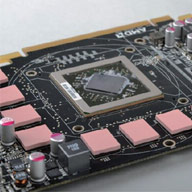
Engineering Perspective on Advanced Thermal Interface Materials and System-Level Heat Management
In modern electronic systems, thermal management is no longer a secondary design concern; it is a core engineering discipline that directly impacts reliability, efficiency, and product lifecycle. As power density continues to increase in processors, power modules, and control electronics, engineers must carefully evaluate thermal interface materials (TIMs) and heating elements to ensure stable operation under dynamic loads. Among the most discussed solutions in recent years are the ptm7950 thermal pad, advanced thermal heating pad technologies, and standardized thermal pad processor design methodologies. From an engineering standpoint, each of these components addresses a different layer of the thermal control problem, and their coordinated application can significantly improve system-level performance.
The ptm7950 thermal pad is widely recognized as a high-performance TIM designed to minimize interfacial thermal resistance while maintaining mechanical compliance. In practical assembly conditions, microscopic air gaps between mating surfaces often dominate the total thermal resistance. A properly selected ptm7950 thermal pad conforms to surface roughness and distributes contact pressure more evenly than traditional greases or rigid pads. For engineers evaluating long-term reliability, the dimensional stability and resistance to pump-out effects make the ptm7950 thermal pad an attractive choice for high-cycle environments.
From a measurement perspective, thermal conductivity alone does not fully represent real-world performance. Engineers must consider thickness tolerance, compressibility, aging behavior, and repeatability under multiple thermal cycles. In controlled laboratory testing, the ptm7950 thermal pad consistently demonstrates low thermal impedance across a broad operating temperature range. When benchmarked against alternative materials in identical mounting conditions, the ptm7950 thermal pad often delivers more predictable thermal resistance, reducing uncertainty in simulation-to-hardware correlation.
While passive heat transfer is essential, active or semi-active heating solutions also play a role in system stability, particularly in cold-start or controlled-temperature applications. A well-designed thermal heating pad provides uniform heat distribution, rapid response time, and controllable power density. In industrial automation, battery systems, and environmental chambers, the thermal heating pad prevents condensation, stabilizes operating temperature, and ensures consistent electrical performance. Engineers typically evaluate a thermal heating pad based on watt density, insulation properties, and long-term reliability under cyclic loading.
Integration of a thermal heating pad must consider electrical safety, thermal runaway prevention, and compatibility with surrounding insulation materials. Proper sensor feedback and closed-loop control enable the thermal heating pad to operate efficiently without exceeding design limits. When combined with advanced TIMs such as the ptm7950 thermal pad, the heating element can maintain uniform temperature gradients across critical components, reducing mechanical stress caused by uneven thermal expansion.
At the system level, consistent design methodology is equally important. This is where the concept of a thermal pad processor becomes relevant. A thermal pad processor framework defines material selection rules, compression ranges, surface flatness requirements, and validation procedures. Instead of treating TIM selection as an isolated task, engineers use a thermal pad processor approach to integrate mechanical, thermal, and manufacturing constraints into a single workflow.
A mature thermal pad processor model includes thermal simulation data, empirical validation, and production tolerances. By applying standardized evaluation methods, engineers can predict how a ptm7950 thermal pad will behave under different mounting pressures and surface finishes. Similarly, the thermal pad processor methodology helps quantify how a thermal heating pad influences overall temperature distribution and energy efficiency. This structured approach reduces trial-and-error during prototype development and shortens product validation cycles.
In high-power processor modules, a combined strategy is often adopted. The interface between the processor lid and the cold plate is optimized using a ptm7950 thermal pad, while a strategically positioned thermal heating pad ensures stable startup conditions in low ambient temperatures. The entire assembly is validated through a thermal pad processor workflow, ensuring consistent pressure distribution and predictable thermal resistance. This multi-layer optimization enables designers to achieve higher power density without sacrificing long-term stability.
From a reliability engineering standpoint, material aging and environmental exposure cannot be ignored. The ptm7950 thermal pad demonstrates strong resistance to thermal cycling, vibration, and humidity, maintaining consistent thermal impedance over extended operating periods. Likewise, a high-quality thermal heating pad is designed with robust insulation layers and stable resistance elements to minimize drift. A comprehensive thermal pad processor qualification plan typically includes accelerated life testing, power cycling, and mechanical stress validation.
Manufacturing considerations also influence material choice. Automated assembly lines benefit from the dimensional consistency and handling stability of the ptm7950 thermal pad. In contrast, flexible mounting options are often required for a thermal heating pad to accommodate curved or irregular surfaces. The thermal pad processor documentation ensures that operators apply correct compression forces and placement tolerances, reducing variability across production batches.
As a supplier focused on power electronics and thermal management solutions, we provide integrated product portfolios that support engineers throughout the design cycle. Our solutions include high-performance ptm7950 thermal pad materials, reliable thermal heating pad assemblies, and engineering support aligned with a standardized thermal pad processor methodology. Detailed technical information, application guidance, and customization options are available at: https://www.itousen.com/power-electronics-cooling-solution.html .

Engineers can leverage these solutions to address challenges in power modules, inverters, converters, and high-performance computing platforms. The combination of a well-characterized ptm7950 thermal pad, a precisely controlled thermal heating pad, and a disciplined thermal pad processor workflow enables predictable thermal behavior across diverse operating conditions. This integrated strategy reduces development risk, improves thermal margin, and enhances overall product reliability.
In conclusion, effective thermal management requires more than selecting a single material; it demands a system-oriented engineering mindset. The ptm7950 thermal pad offers superior interfacial heat transfer and mechanical compliance, the thermal heating pad delivers controlled temperature stabilization, and the thermal pad processor ensures consistent design and validation standards. When these elements are applied objectively and systematically, engineers can achieve measurable improvements in performance, durability, and manufacturability for next-generation electronic systems.
Thermal Tape Solutions for Reliable Electronic Heat Management
Thermal Pad vs Thermal Paste How to Choose the Best Thermal Pads
Related Article