Engineering Analysis of Thermal Paste in Gaming Systems Performance

Thermal Paste in Gaming Systems: An Engineering Perspective on Performance and Reliability
As gaming hardware continues to push the limits of performance, thermal management has become a defining factor in system stability and sustained output. From an engineering standpoint, thermal paste is far from a secondary component—it is a critical interface material that directly impacts heat transfer efficiency and overall system reliability.
This article provides a structured, engineering-driven overview of thermal paste, including its working principles, selection criteria, and evolving role in modern gaming systems.
1. Why Thermal Paste Is Essential: An Engineering Explanation
In an ideal scenario, a CPU or GPU die would make perfect contact with a heatsink. However, microscopic surface imperfections create air gaps that significantly hinder heat transfer due to air’s low thermal conductivity.
Thermal paste is designed to fill these microscopic voids, creating a continuous thermal pathway that improves heat conduction between the chip and the heatsink. In practical engineering applications, properly applied thermal paste reduces thermal resistance and enhances cooling efficiency.
- Eliminates micro air gaps at the interface
- Reduces thermal resistance
- Improves heat transfer continuity
- Minimizes localized hotspots
In gaming systems operating under sustained load—such as AAA titles, real-time rendering, or AI-driven workloads—thermal paste plays a decisive role in preventing thermal throttling.
2. Gaming Industry Requirements: Balancing Performance and Stability
The application of thermal paste in gaming hardware presents several distinct challenges:
High Thermal Density
Modern CPUs and GPUs operate at increasingly high power densities, making efficient thermal transfer essential for maintaining performance.
Sustained High Loads
Extended gaming sessions, esports competitions, and live streaming require thermal paste that maintains consistent performance over long durations.
Performance Tuning and Overclocking
In overclocked environments, thermal paste becomes a limiting factor in thermal headroom, directly influencing achievable performance levels.
3. Engineering Criteria for Selecting Thermal Paste
Selecting the right thermal paste requires a systematic evaluation of multiple parameters:
Thermal Conductivity
Measured in W/m·K, this is the primary indicator of heat transfer capability. Gaming systems typically require mid-to-high performance thermal paste to handle elevated thermal loads.
Long-Term Stability
- Resistance to drying and cracking
- Minimal pump-out effect under thermal cycling
- Stable performance at high temperatures
Viscosity and Application Behavior
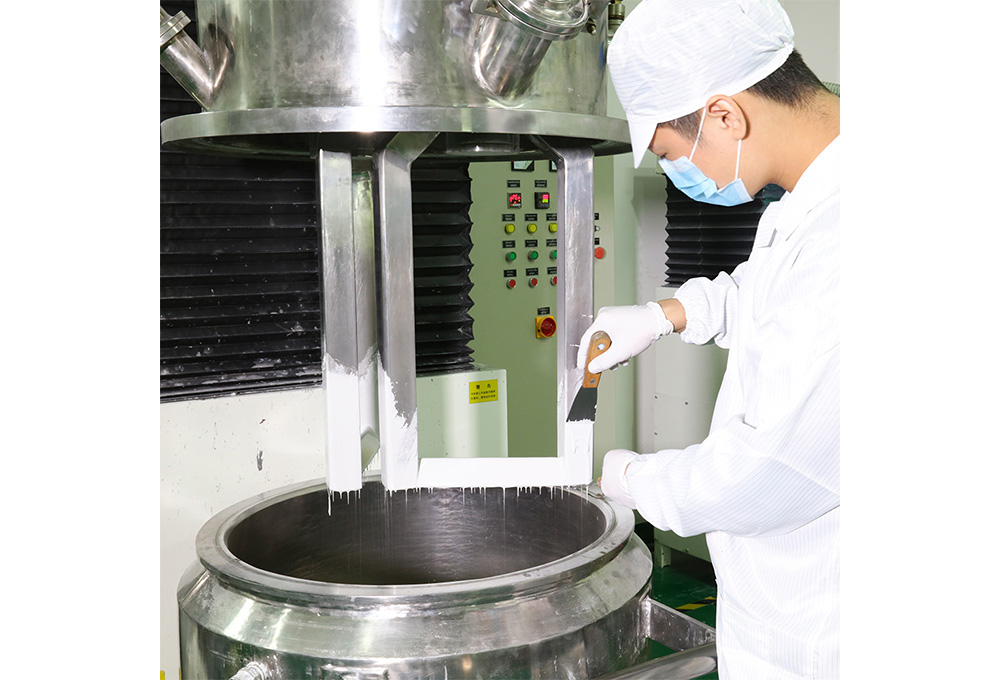
The viscosity of thermal paste affects how evenly it spreads and how well it adapts to automated dispensing processes in manufacturing environments.
Electrical Insulation
For safety and reliability, most thermal paste used in gaming and computing systems must be electrically non-conductive.
4. Technology Trends in Thermal Paste Development
As gaming hardware evolves, thermal paste technologies continue to advance in several key areas:
- Advanced filler materials: Incorporation of nano-scale particles to improve thermal conductivity
- Extended lifespan formulations: Enhanced resistance to degradation over time
- Manufacturing compatibility: Optimization for automated dispensing systems
- Emerging alternatives: Exploration of next-generation interface materials
Despite ongoing innovation, thermal paste remains the most widely adopted and cost-effective thermal interface solution in current engineering practice.
5. Practical Engineering Value in Gaming Systems
In real-world testing and system optimization, proper selection and application of thermal paste can deliver measurable benefits:
- Lower operating temperatures
- Reduced risk of thermal throttling
- Improved system stability under continuous load
- Enhanced overall thermal performance
Although thermal paste is a small component, it serves as a critical thermal interface. Any inefficiency at this layer can limit the effectiveness of the entire cooling solution.
6. Application Example: Professional Thermal Paste Solution
For gaming systems and high-performance electronics, selecting a reliable thermal paste is essential. One example of a solution designed for such applications can be found here:
https://www.itousen.com/product-5665408556491864.html

From an engineering perspective, this type of thermal paste demonstrates several practical advantages:
- Efficient heat transfer suitable for high-power chips
- Optimized formulation for consistent application
- Stable performance under prolonged high-temperature conditions
- Compatibility with CPUs, GPUs, and embedded systems
Such thermal paste solutions are commonly applied in:
- Gaming PCs and esports systems
- Graphics processing units
- High-performance servers
- Industrial embedded platforms
7. Conclusion: A Small Material with a Critical Impact
From an engineering standpoint, thermal paste may appear minor in scale, but it plays a decisive role in system-level thermal performance.
- It does not directly increase frame rates
- But it ensures consistent performance delivery
- It does not define hardware limits
- But it determines whether those limits can be reached
As gaming hardware continues to evolve toward higher power density and performance, the importance of thermal paste will only increase. A well-informed selection and proper application of thermal paste remain essential practices for achieving optimal balance between performance and reliability.
Thermal Paste for Photovoltaic Thermal Management Systems
Thermal Paste Engineering for Semiconductor Thermal Management
Related Article