
Engineering Guide to Gold Thermal Tape for Electrical Systems
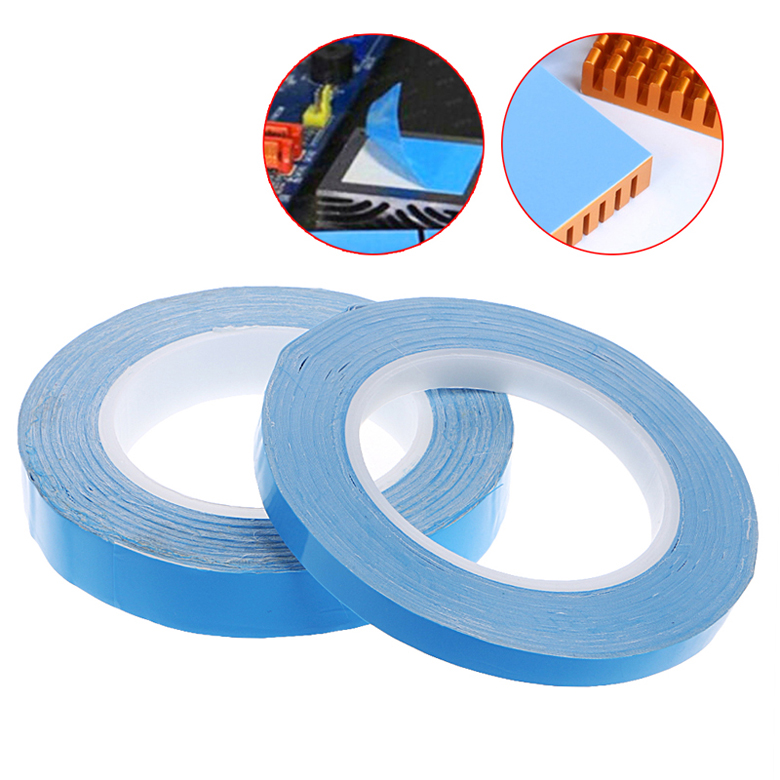
Engineering Perspective on Thermal Management Tapes for Electrical Applications
In modern electronic system design and high-performance equipment development, material selection directly affects system reliability, thermal efficiency, and long-term operational stability. From an engineering standpoint, thermal interface and insulation materials are no longer auxiliary components but critical functional elements within the overall thermal management architecture.
This article provides an objective and technical overview of three widely discussed material categories: gold thermal tape for electrical, gold thermal electrical tape, and thermal resistance tape. Their performance characteristics, application trends, and practical selection principles are analyzed based on real engineering requirements. In addition, we introduce a proven ultra-thin adhesive solution that demonstrates strong performance in demanding thermal and electrical environments.
1. The Role of Thermal Management Materials in Electronic Engineering
As power density continues to increase across applications such as telecommunications equipment, industrial control systems, data centers, and electric vehicle power modules, heat accumulation has become one of the primary factors limiting device reliability. Insufficient heat dissipation accelerates component degradation, increases failure rates, and compromises system safety.
Therefore, engineers must evaluate thermal interface materials (TIMs) during the earliest design stages. Among commonly adopted solutions, gold thermal tape for electrical, gold thermal electrical tape, and thermal resistance tape play distinct yet complementary roles in managing heat flow and electrical insulation.
2. Material Categories and Technical Characteristics
2.1 Gold Thermal Tape for Electrical Applications
Gold thermal tape for electrical typically refers to thermally conductive adhesive tapes that use high-performance fillers combined with polymer carriers, often featuring a gold-colored surface layer. These tapes are designed to create low-resistance thermal paths between heat-generating components and heat spreaders or heatsinks while maintaining electrical insulation.
- Enhanced Thermal Transfer: Optimized fillers improve micro-contact heat conduction and reduce interface thermal resistance.
- Electrical Insulation: Suitable for high-voltage environments where electrical isolation is mandatory.
- Ease of Assembly: Tape format simplifies installation on complex or irregular geometries.
In power supply modules and LED lighting systems, replacing traditional thermal grease with gold thermal tape for electrical often improves long-term stability and reduces maintenance requirements.
2.2 Gold Thermal Electrical Tape: Integrated Performance Solutions
Gold thermal electrical tape emphasizes balanced performance in both thermal conductivity and electrical insulation. Compared with standard conductive tapes, this category is engineered to meet stricter dielectric strength and mechanical reliability requirements.
- Multi-Functional Integration: Combines thermal dissipation and electrical protection in a single layer.
- Environmental Stability: Maintains performance under vibration, humidity, and elevated temperatures.
- Wide Application Range: Suitable for motor controllers, power converters, and high-density lighting modules.
For systems where safety certification and thermal reliability must both be ensured, gold thermal electrical tape is often the preferred engineering choice.
2.3 Thermal Resistance Tape for Heat Flow Control
Unlike conductive materials, thermal resistance tape is primarily used to manage and redirect heat rather than transfer it efficiently. It is applied when engineers need to prevent thermal coupling between adjacent components or protect temperature-sensitive parts from localized heat sources.
- Thermal Isolation: Reduces heat propagation between functional modules.
- Thermal Path Engineering: Supports controlled heat distribution strategies.
In advanced thermal designs, thermal resistance tape is not a substitute for conductive materials but an essential complement for precise thermal control.
3. Engineering-Based Material Selection Principles
Effective material selection should always start with a clear definition of the thermal objective:
- Heat Transfer Requirement: If the priority is rapid heat dissipation, gold thermal tape for electrical or gold thermal electrical tape should be selected.
- Electrical Safety Standards: High-voltage designs require materials with verified dielectric strength, making gold thermal electrical tape more suitable.
- Thermal Isolation Needs: When thermal separation is required, thermal resistance tape can be introduced to guide heat flow paths.
- Operating Environment: Long-term reliability under humidity, vibration, and temperature cycling must be verified through material testing and certification.
4. Product Application and Performance Evaluation
Among available market solutions, the Ultra-Thin Adhesive Tape series from iTousen demonstrates strong performance in both thermal and electrical applications. These materials are engineered for high-density electronic assemblies where space constraints and thermal performance must be balanced.
Product details and specifications can be reviewed at: https://www.itousen.com/Ultra-Thin-Adhesive-Tape.html

- Low Interface Thermal Resistance: Supports efficient heat transfer from active components.
- Stable Electrical Insulation: Maintains dielectric properties under continuous load.
- Ultra-Thin Profile: Suitable for compact and lightweight electronic architectures.
From an engineering validation perspective, such characteristics align well with the requirements typically associated with both gold thermal tape for electrical and gold thermal electrical tape categories.
5. Engineering Case Reference
In an industrial controller project, initial prototypes used standard thermal grease for heat dissipation. During full-load testing, localized overheating was observed at critical power components.
After thermal simulation and material reassessment, the design team replaced the grease with high-performance gold thermal electrical tape, selecting the ultra-thin adhesive solution mentioned above.
Post-implementation results included:
- More than 25% reduction in interface thermal resistance
- Average component temperature decrease of approximately 8°C
- Improved long-term operational stability under continuous duty cycles
This case illustrates how proper material selection can significantly enhance system-level thermal reliability.
6. Conclusion
In advanced electronic systems, thermal management materials are fundamental to achieving stable, safe, and long-lasting operation. Engineers must understand not only the datasheet values but also the functional role of materials such as gold thermal tape for electrical, gold thermal electrical tape, and thermal resistance tape within the overall thermal strategy.
By combining conductive and resistive thermal solutions appropriately and selecting materials validated for both thermal and electrical performance, engineers can significantly improve product reliability while maintaining compact and efficient designs.
For teams seeking optimized thermal interface solutions, evaluating ultra-thin adhesive materials with proven industrial performance can provide both technical and commercial advantages in competitive markets.
Thermal Heating Pad Guide: Best Thermal Pads for GPU Cooling
Kritical Thermal Pads and Thermal Heat Pad Solutions for Laptop Cooling
Related Article