High-Performance Thermal Paste for CPU and Best Thermal Pads
Engineering Perspective on Thermal Interface Materials for High-Performance Computing
As computing performance continues to advance, thermal management has become one of the most critical design factors in modern electronic systems. From an engineer’s standpoint, selecting appropriate thermal interface materials (TIMs) is not a matter of convenience, but a decisive factor affecting system stability, performance consistency, and component lifespan. In daily engineering practice, materials such as thermal paste for CPU, general-purpose thermal paste, and best thermal pads are evaluated not only by datasheet values, but also by long-term reliability under real operating conditions.
Why Thermal Interface Materials Matter
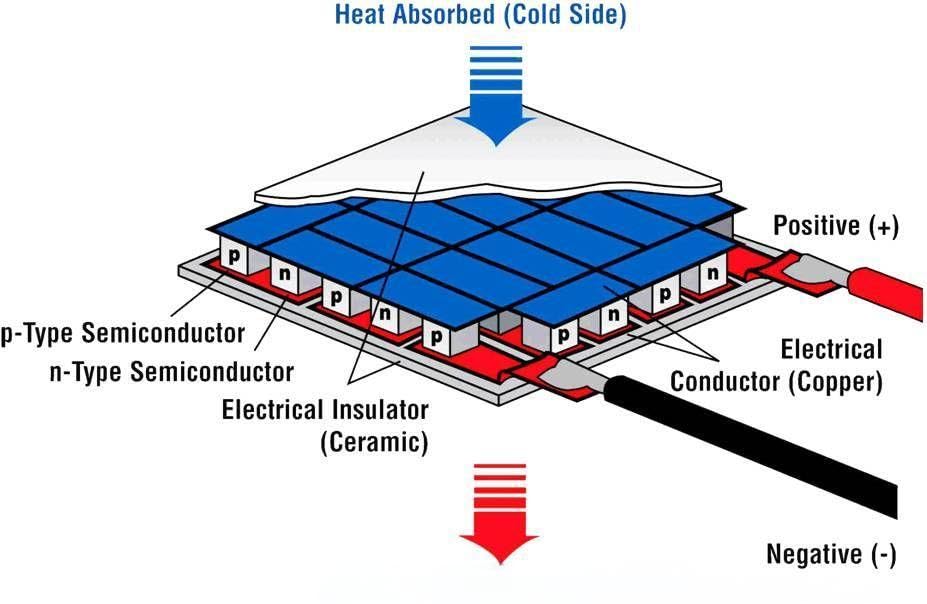
High-performance CPUs, GPUs, and power components generate significant heat under sustained workloads. If this heat is not efficiently transferred from the semiconductor package to the heatsink or cooling plate, junction temperatures rise rapidly, triggering thermal throttling or even permanent damage. The role of thermal interface materials is to eliminate microscopic air gaps between contact surfaces and reduce overall thermal resistance.
In practical system design, both thermal paste for CPU and best thermal pads serve this function, but they address different mechanical and thermal constraints. Selecting the right solution depends on interface flatness, gap tolerance, assembly repeatability, and maintenance requirements.
Key Performance Factors of Thermal Paste for CPU
When evaluating thermal paste for CPU, engineers typically focus on four core parameters: thermal conductivity, viscosity, pump-out resistance, and long-term stability. High thermal conductivity enables rapid heat transfer from the processor die to the cooling solution, while proper viscosity ensures uniform spreading across micro-scale surface irregularities.
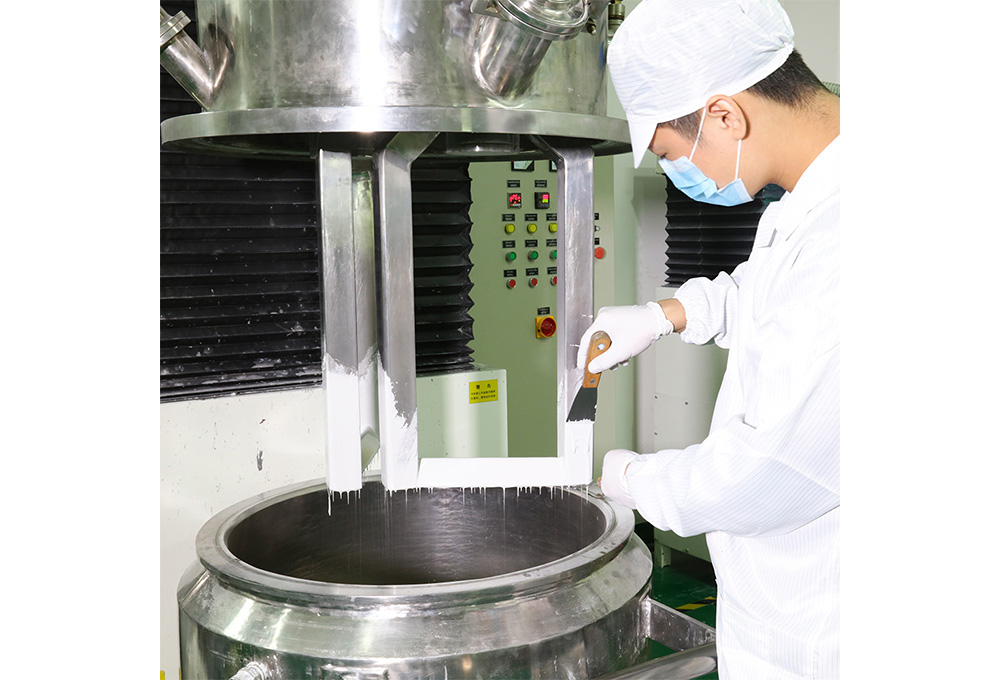
Modern thermal paste formulations often use ceramic or metal oxide fillers to achieve thermal conductivities ranging from 4 to over 10 W/m·K. However, conductivity alone does not determine real-world performance. Excessive fluidity may lead to material migration during thermal cycling, while overly stiff compounds may fail to fill surface voids completely.
From an engineering reliability perspective, a balanced formulation that maintains mechanical integrity over thousands of thermal cycles is usually preferable to a product optimized only for peak conductivity values.
Understanding the Advantages of Best Thermal Pads
In contrast to liquid or semi-liquid compounds, best thermal pads provide consistent thickness and stable mechanical support. This makes them particularly suitable for interfaces with non-uniform surfaces, multiple component heights, or where electrical insulation is required.
High-quality thermal pads offer controlled compressibility, allowing them to conform to uneven surfaces while maintaining reliable contact pressure. Engineers also evaluate flame resistance, dielectric strength, and aging performance when qualifying materials for industrial or server-class systems.
Although the thermal conductivity of best thermal pads is typically lower than that of premium thermal paste for CPU, their long-term consistency and ease of assembly often make them the preferred solution in complex mechanical layouts.
Application-Oriented Material Selection
From a system design standpoint, no single thermal solution fits all use cases. CPU heat spreaders with polished surfaces and controlled mounting pressure benefit most from high-quality thermal paste for CPU. Conversely, voltage regulators, memory modules, and power components often require best thermal pads to bridge variable gaps and provide electrical isolation.
Therefore, professional thermal design typically combines multiple types of thermal paste and pad materials within the same system, each selected based on interface geometry, operating temperature, and service life requirements.
Engineering Verification and Reliability Testing
Before final material approval, engineering teams conduct thermal simulations followed by prototype validation. Contact resistance measurements, infrared thermography, and accelerated aging tests are used to verify whether selected thermal paste or best thermal pads maintain performance under continuous thermal stress.
Environmental testing such as high-temperature storage, humidity exposure, and thermal shock cycling further ensures that material properties do not degrade prematurely. These procedures are essential for applications in data centers, industrial control systems, and embedded computing platforms.
Recommended Product Example
During material qualification processes, products with stable thermal performance and manufacturing consistency are prioritized. An example is the high-performance thermal interface material provided by ITousen, designed to support demanding applications including thermal paste for CPU interfaces and other critical heat transfer paths.
The product offers reliable thermal conductivity, good surface wetting characteristics, and controlled viscosity suitable for automated or manual assembly. Detailed specifications can be reviewed at the following link:
https://www.itousen.com/product-5665408556491864.html

Conclusion
Effective thermal management is a fundamental requirement for modern electronics, especially as component power density continues to increase. Whether selecting thermal paste for CPU contact surfaces or implementing best thermal pads for complex assemblies, engineers must base decisions on system-level requirements rather than isolated material parameters.
A structured engineering approach—combining simulation, material evaluation, and long-term reliability testing—ensures that the chosen thermal paste and thermal pads contribute to stable performance, reduced failure risk, and extended product service life. Thoughtful material selection is not merely a supporting detail, but an essential element of professional thermal design.
Best Thermal Paste for CPU: Expert Guide to High-Performance Compounds
Thermal Grease Guide How to Apply and Choose CPU Paste
Related Article