Optical Module Thermal Management for High Density AI Computing
Optical Module Thermal Management in High Density AI Computing
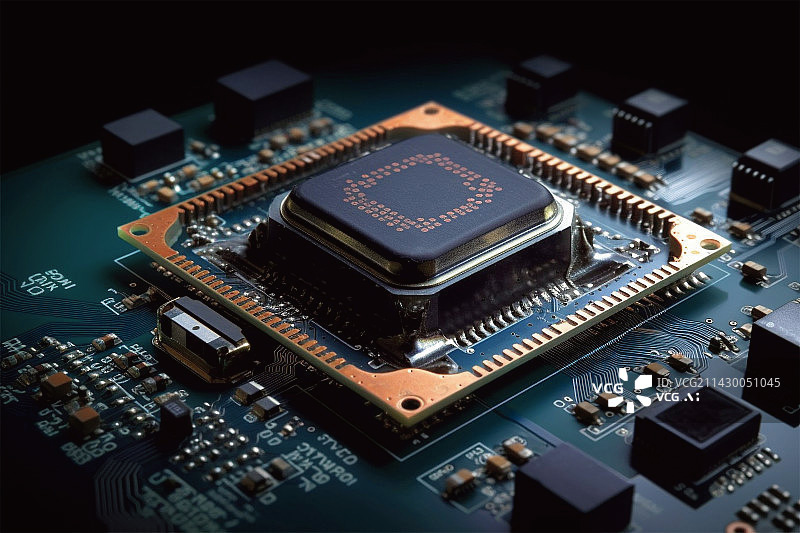
As AI workloads continue to expand, data centers are facing a fundamental challenge: delivering more computing performance while keeping power consumption, signal integrity, and operating temperatures under control. GPUs, CPUs, AI accelerators, and high-speed networking components are operating at increasingly high power densities, while the amount of data exchanged between computing nodes continues to grow.
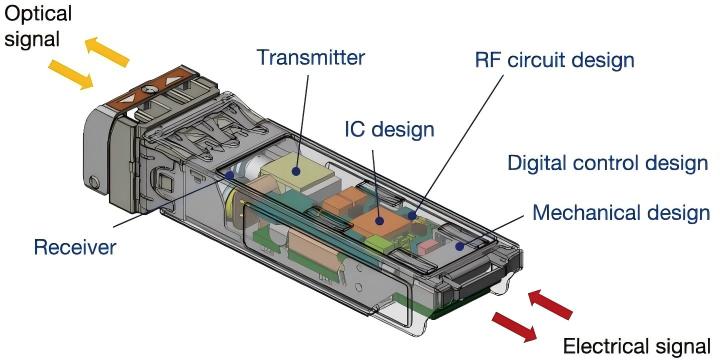
In this environment, optical modules play an increasingly important role in high-speed data communication. They convert electrical signals into optical signals and optical signals back into electrical signals, enabling high-bandwidth communication between servers, switches, and computing nodes. However, higher transmission speeds and increasingly dense system architectures also create additional thermal management challenges.
From an engineering perspective, optical communication performance and thermal performance cannot be considered independently. An optical module operating at elevated temperatures may experience changes in component characteristics, increased thermal stress, and reduced long-term reliability. Effective thermal design therefore requires attention to the complete heat path, including the heat source, package, thermal interface material, heat spreader, heat sink, and system-level cooling architecture.
Why Optical Modules Matter as AI Computing Density Increases
Modern AI infrastructure depends on rapid communication between large numbers of processors and memory or networking resources. As computing clusters become larger and workloads become more distributed, high-speed interconnects become an important part of overall system performance.
Optical modules provide a practical approach for high-bandwidth communication over the distances and data rates required by modern data center architectures. Depending on the application, optical modules may integrate laser sources, photodetectors, driver electronics, signal processing devices, and other electronic components.
Each of these components contributes to the overall power budget. As module power increases, the heat generated inside a relatively compact package must be transferred efficiently to the available cooling structure. This makes optical module cooling an increasingly important consideration for system designers working with high-density AI infrastructure.
Why Thermal Interfaces Are Critical in Optical Module Cooling
Increasing the size of a heat sink or increasing airflow does not automatically solve every thermal problem. Heat must first move from the heat-generating component to the cooling structure. The interface between two solid surfaces can become a significant part of this thermal path because microscopic surface irregularities create air gaps between the mating surfaces.
Air has relatively low thermal conductivity compared with engineered thermal interface materials. A properly selected thermal interface material can fill these microscopic gaps and establish a more continuous heat-transfer path between the component and the heat spreader or cooling structure.
This is where thermal paste and thermal grease remain relevant in electronics thermal management. Rather than acting as a primary cooling mechanism, these materials are designed to reduce interfacial thermal resistance and improve heat transfer across mating surfaces.
For optical module applications, however, selecting a thermal paste or thermal grease should not be based on thermal conductivity alone. Engineers also need to evaluate bond line thickness, viscosity, surface wetting, application method, contact pressure, material compatibility, thermal cycling, and long-term stability.
Thermal Paste and Thermal Grease Selection for High Speed Optical Modules
In practical engineering applications, thermal paste and thermal grease are often used to describe flowable thermal interface compounds. Their primary function is to occupy microscopic gaps between a heat-generating component and a cooling surface.
A high thermal conductivity value can be useful, but the actual thermal performance of a system also depends on the thickness of the applied material and the quality of the interface. Applying excessive amounts of thermal paste or thermal grease can increase the thermal path length and may not provide the expected reduction in junction or case temperature.
Material rheology is another important consideration for production engineering. A compound that is too viscous may be difficult to dispense or print consistently, while a material with excessive flow may spread beyond the intended area. For high-volume manufacturing, repeatable deposition and process stability can be just as important as laboratory thermal conductivity data.
Where Thermal Gels May Be Considered
Thermal gels represent another category of thermal interface materials that may be considered when an application requires greater compliance or gap-filling capability.
Compared with many conventional thermal paste formulations, thermal gels can provide a softer interface and accommodate certain dimensional variations. They may be useful where component heights, surface flatness, or mechanical tolerances create larger or less uniform gaps.
However, thermal gels should not automatically be treated as a universal replacement for thermal grease or thermal paste. Each material category has different characteristics related to thermal conductivity, mechanical compliance, viscosity, dispensing behavior, compression, and long-term reliability.
For thin and relatively well-controlled interfaces, engineers may evaluate a high-performance thermal paste or thermal grease. Where larger gaps or greater mechanical compliance are required, thermal gels may deserve further consideration.
Evaluating TOUSEN TSAS50 for Optical Module Thermal Management
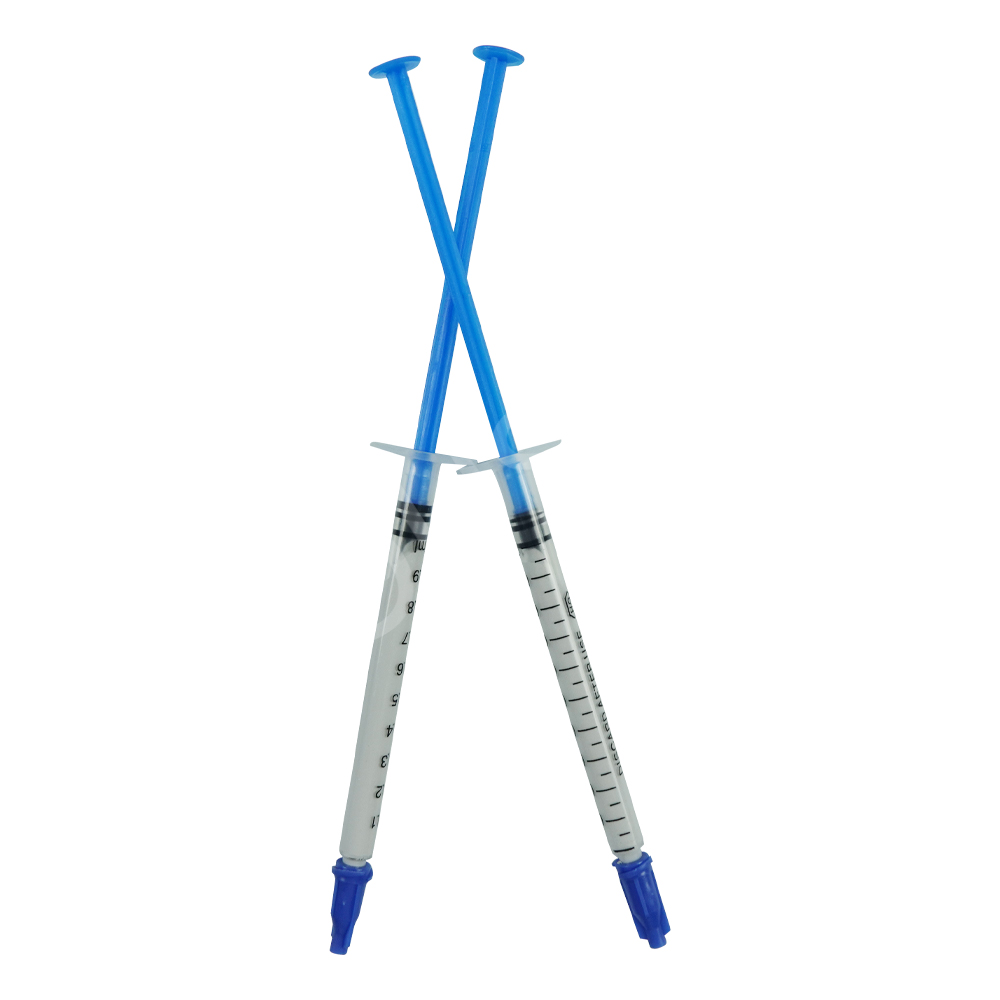
For high-density electronic systems where controlled thermal interfaces and repeatable manufacturing processes are required, TOUSEN TSAS50 provides a thermal interface material option for engineering evaluation.
TSAS50 is a one-component, non-curing silicone-based thermal paste. According to the product specifications, it provides a thermal conductivity of 7.0 W/m·K and a thermal resistance coefficient of approximately 0.025 °C·cm²/W at 60 psi. Its viscosity is approximately 120 Pa·s at 22°C.
TSAS50 also provides thixotropic behavior and is compatible with screen-printing processes. These characteristics can be relevant for applications where controlled deposition, defined coverage areas, and repeatable manufacturing are required.
In an optical module thermal management design, TSAS50 can be evaluated as the interface layer between a heat-generating component and an appropriate heat-spreading or cooling structure. Because the material is non-curing, it does not form a rigid cured bond during normal use, which may be beneficial for certain assemblies that experience thermal cycling or small relative movements.
At the same time, engineers should avoid evaluating a thermal paste solely by its nominal thermal conductivity. The actual thermal performance of an optical module depends on multiple variables, including component power, contact area, interface thickness, mounting pressure, heat sink performance, airflow, ambient temperature, and the overall system cooling architecture.
Key Engineering Parameters for Optical Module Thermal Management
1. Determine the Actual Heat Load
The first step is to establish the actual power dissipation of the optical module and its associated electronic components. Both continuous operating conditions and transient high-load conditions should be considered when defining the thermal design target.
2. Evaluate Interface Thermal Resistance
Engineers should evaluate the complete thermal path rather than comparing thermal conductivity values alone. The thermal resistance introduced by the interface layer can have a measurable effect on the final operating temperature of compact, high-power components.
3. Control Bond Line Thickness
A thermal interface layer should be thick enough to eliminate relevant surface voids but not unnecessarily thick. Consistent bond line thickness is particularly important for production applications because variations in material thickness can lead to variations in thermal performance.
4. Match the Material to the Manufacturing Process
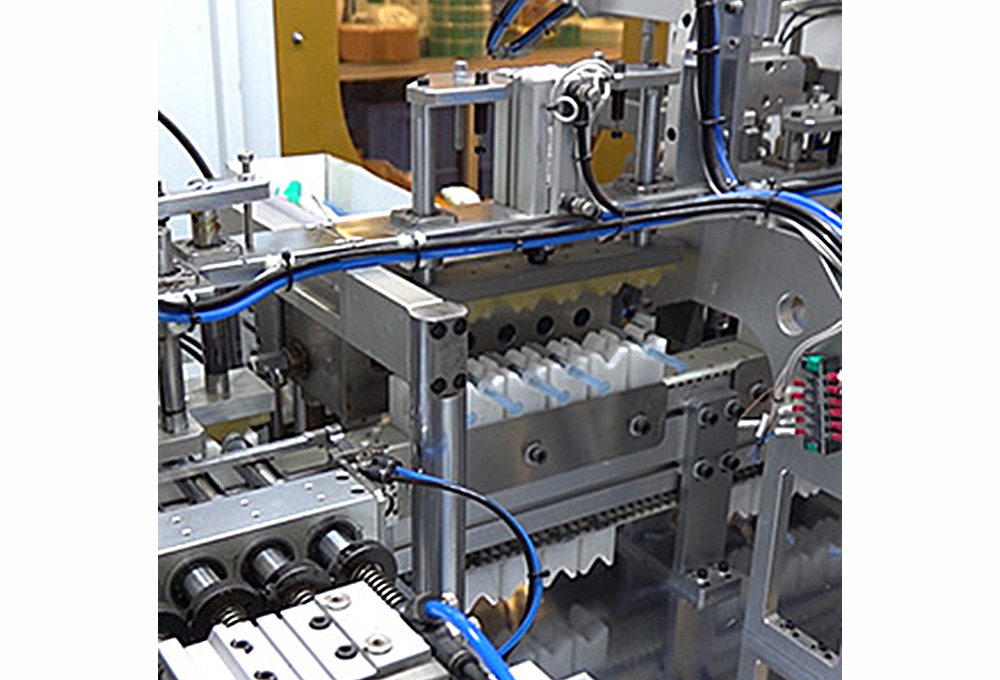
Thermal performance is only one part of a production-ready material selection. Dispensing, screen printing, automated application, rework requirements, and process repeatability should also be evaluated. TSAS50's screen-printing capability can make it an option for manufacturing processes that require controlled and repeatable material deposition.
5. Validate Long-Term Reliability
Optical modules in data center environments can operate continuously for extended periods. Therefore, thermal paste, thermal grease, and thermal gels should be evaluated under the actual temperature range, thermal cycling conditions, mechanical constraints, and material compatibility requirements of the final assembly.
From Material Selection to System Level Thermal Design
As AI computing density continues to increase, optical modules are becoming an increasingly important component of high-speed data center infrastructure. At the same time, their thermal requirements must be considered as part of the broader system design.
From an engineering standpoint, thermal paste, thermal grease, and thermal gels are not independent cooling solutions. They are components of the overall thermal path. Effective thermal management requires coordination between the heat source, interface material, heat spreader, heat sink, airflow or liquid cooling system, and mechanical assembly.
For thin and controlled interfaces, engineers can evaluate thermal paste or thermal grease based on thermal resistance, application thickness, rheology, and process requirements. For applications involving larger gaps or greater mechanical compliance, thermal gels may provide another material option.
TOUSEN TSAS50 can be considered as a thermal paste candidate for optical module and high-density electronics thermal management projects. Its reported 7.0 W/m·K thermal conductivity, low thermal resistance coefficient, one-component non-curing formulation, and screen-printing capability provide a basis for application-specific engineering evaluation.
Final material selection should always be validated using the actual optical module structure, heat load, interface pressure, target bond line thickness, operating temperature, and system cooling conditions. Laboratory data provides an important starting point, but application-level thermal testing remains essential before production qualification.
Product: TOUSEN TSAS50 Thermal Paste
Optical Module Thermal Management and Thermal Interface Materials
Related Article