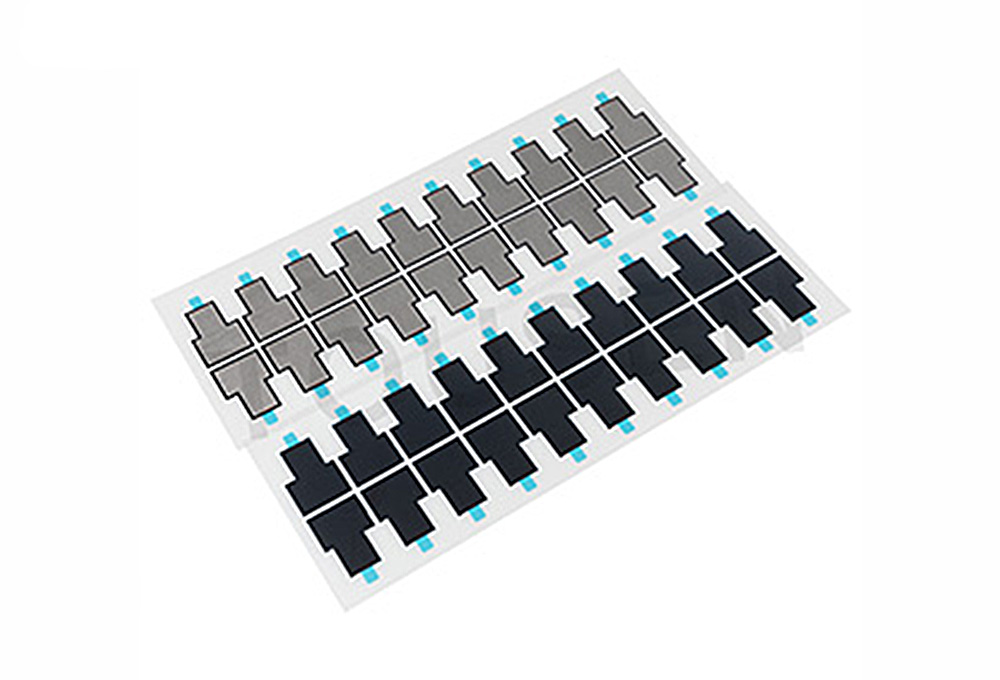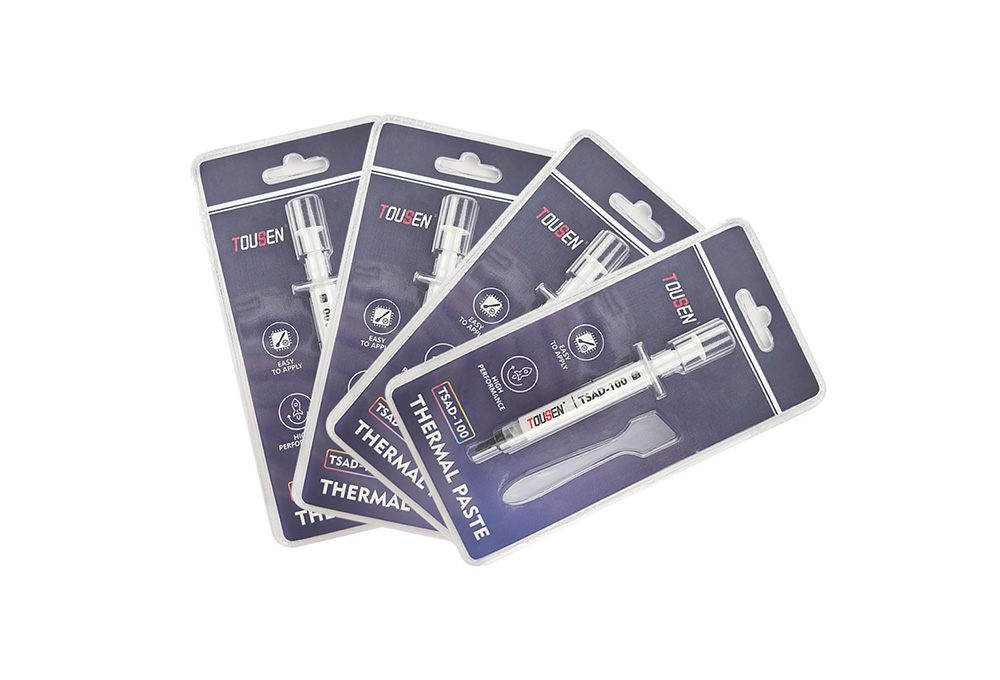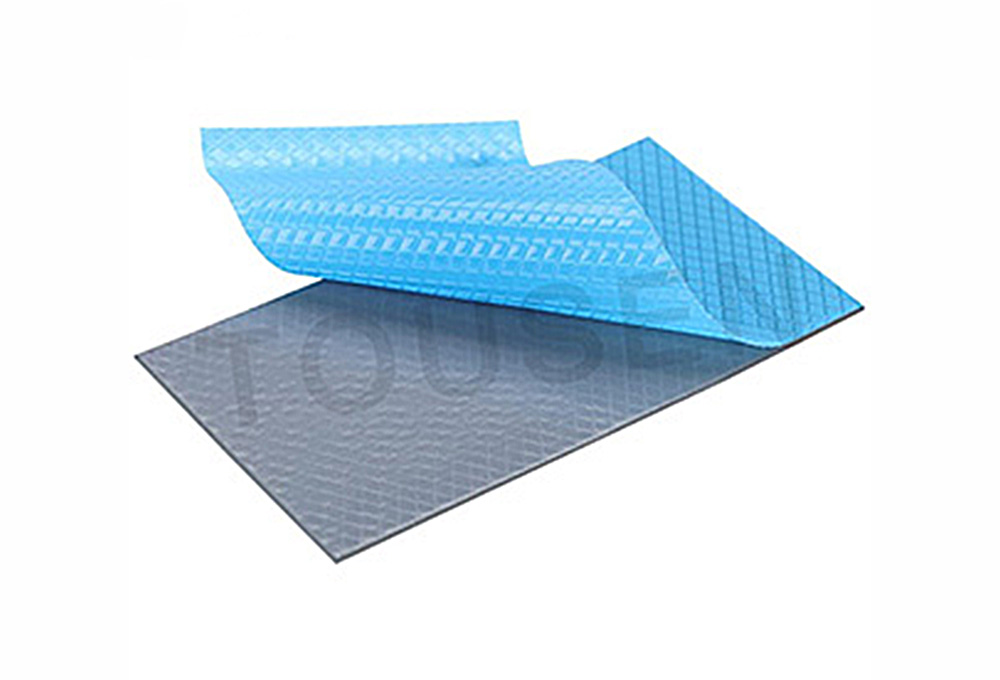
Thermal Heat Pad and Thermal Pads for EV Charging Systems
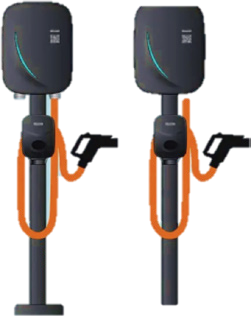
Silicone Thermal Pads for EV Charging Equipment: An Engineering Guide
As EV charging infrastructure moves toward higher power density, faster charging speeds, and more compact power conversion systems, thermal management has become a critical engineering consideration. Power semiconductors such as MOSFETs and IGBTs, along with rectifiers, power modules, transformers, and other electronic components, can generate substantial heat during continuous charging. Without an effective thermal path, localized hotspots can increase component temperature, accelerate material degradation, and compromise long-term system reliability.
For engineers designing EV chargers and charging stations, selecting a thermal interface material (TIM) requires more than comparing thermal conductivity values. Interface thickness, compressibility, electrical insulation, dimensional tolerance, assembly conditions, environmental resistance, and long-term stability must all be considered. Within this design framework, silicone-based thermal pads provide a practical combination of thermal transfer, mechanical compliance, and electrical insulation.
Why Thermal Management Matters in EV Charging Systems
An EV charging system is more than a power delivery device. Its internal power conversion architecture typically includes multiple high-power semiconductor devices and supporting components. During high-current or fast-charging operation, these components can generate significant localized heat.
Efficient thermal management requires engineers to establish a reliable heat-transfer path from the heat-generating component to a heat sink, cold plate, or other cooling structure. However, mating surfaces are never perfectly flat. Microscopic surface irregularities, component tolerances, and assembly gaps can create air pockets between the heat source and cooling structure. Because trapped air is a poor thermal conductor, these gaps can significantly increase interface thermal resistance.
This is where a properly selected thermal pad can provide an engineering advantage. A compliant pad fills surface irregularities and maintains contact between the two mating surfaces, helping create a more consistent thermal path.
Thermal Pad Selection Should Go Beyond Thermal Conductivity
Thermal conductivity is an important specification when evaluating a thermal pad, but it should not be treated as the only indicator of thermal performance. The effective thermal resistance of the complete interface depends on several factors, including material thickness, contact conditions, compression, surface flatness, and the actual gap between components.
For example, a very high-conductivity material may not deliver its theoretical performance if it is too rigid to conform to the actual interface. In applications with dimensional variation or uneven surfaces, a softer and appropriately compressible pad may establish better contact and consequently provide a more effective overall thermal path.
For this reason, engineers should evaluate the complete interface rather than selecting a material solely on its published W/m·K value.
Thermal Pads vs Thermal Paste in EV Chargers
The question of thermal pads vs thermal paste frequently arises during EV charger thermal design. Neither technology is universally better; the appropriate choice depends on the interface geometry, required thermal performance, manufacturing process, and reliability requirements.
Thermal paste can achieve very low interface resistance when applied correctly to a thin and well-controlled interface. However, production engineers must manage dispensing volume, application thickness, contamination, process consistency, and potential material migration or pump-out over time.
By comparison, thermal pads are supplied in a predetermined thickness and can be converted into customized shapes. This makes them particularly useful when a charging module has a repeatable mechanical gap or multiple components that require controlled and consistent material placement.
From a manufacturing perspective, thermal pads vs thermal paste is therefore not simply a question of which material has better thermal conductivity. Engineers should also consider assembly efficiency, dimensional control, cleanliness, inspection, serviceability, and long-term stability.
Advantages of Silicone Thermal Pads for EV Charging Equipment
Silicone-based thermal pads are widely considered for power electronics because their mechanical and thermal properties can be balanced for demanding interfaces.
Mechanical compliance: Silicone materials can accommodate surface irregularities and dimensional tolerances between power components and cooling structures. This can help maintain consistent contact without requiring excessive assembly pressure.
Electrical insulation: Many EV charging applications require thermal transfer while maintaining electrical isolation. Properly formulated silicone thermal interface materials can combine heat transfer with dielectric insulation, making them suitable for consideration around high-voltage power electronics.
Thickness flexibility: Different charging modules may have significantly different interface gaps. Silicone thermal pads can be manufactured in various thicknesses and hardness levels to match the mechanical design.
Custom geometry: Die-cut and customized pad shapes can simplify installation around semiconductor packages, busbars, heat sinks, and other components where a standard sheet may not be practical.
Process consistency: Unlike liquid TIMs, preformed pads do not require the same dispensing and spreading operations. For high-volume manufacturing, this can simplify material handling and improve process repeatability.
TOUSEN Silicone Thermal Pads for EV Charging Applications
Different charging systems require different combinations of thermal conductivity, thickness, compressibility, and electrical insulation. TOUSEN's silicone thermal pads are available in multiple grades to support different thermal management requirements.
The TOUSEN Silicone Thermal Pads series offers thermal conductivity grades ranging from 1.5 to 15.0 W/m·K. This range allows engineers to select a suitable material according to heat load, interface gap, cooling architecture, and mechanical requirements.
For example, SF500 provides a nominal thermal conductivity of 3.0 W/m·K, with a listed thermal impedance of 0.45 °C·in²/W at 1 mm thickness and 30 psi. Higher-conductivity options include SF600D at 4.0 W/m·K, SF800 at 8.0 W/m·K, SF1000 at 10.0 W/m·K, SF1200 at 12.0 W/m·K, and SF1500 at 15.0 W/m·K.
The series can also be supplied in different thicknesses and customized die-cut configurations depending on the selected grade and application. Product specifications include electrical insulation and UL94 V-0 performance, along with RoHS, Halogen-Free, and REACH compliance.
For EV charging applications, the appropriate grade should be selected based on actual interface conditions rather than thermal conductivity alone. Gap thickness, compression pressure, component tolerances, dielectric requirements, operating temperature, and assembly structure should all be evaluated during material qualification.
Explore TOUSEN Silicone Thermal Pads
How Engineers Should Select a Thermal Pad for EV Chargers
1. Determine the Actual Heat Load
Start by identifying the heat generated by MOSFETs, IGBTs, rectifiers, power modules, or other components under the worst expected operating conditions. The thermal interface material should be evaluated as part of the complete thermal path.
2. Measure the Actual Interface Gap
The nominal drawing dimension is not always representative of the assembled condition. Engineers should consider actual gap measurements and dimensional tolerances. A pad that is too thin may fail to maintain adequate contact, while excessive thickness can increase thermal resistance.
3. Evaluate Compression and Mechanical Properties
Pad hardness and compressibility should be compatible with the available assembly pressure and component structure. A compliant material may improve surface conformity, but the material must also maintain dimensional and mechanical stability over the intended service life.
4. Verify Electrical Insulation Requirements
For high-voltage charging equipment, dielectric performance is an essential qualification parameter. Engineers should verify the required dielectric strength, insulation characteristics, and applicable safety requirements together with thermal performance.
5. Consider Long-Term Reliability
EV charging systems may operate for extended periods and experience repeated thermal cycling. Material evaluation should therefore consider thermal aging, compression set, environmental exposure, and long-term interface stability.
Thermal Pads Compared With Other Thermal Interface Materials
Compared with thermal paste, silicone thermal pads provide predetermined thickness and clean, controlled handling, making them attractive for repeatable production environments. Thermal paste may still be preferable where an extremely thin interface and very low contact resistance are the primary requirements.
Compared with thermal gels, pads can offer advantages when the interface geometry is already well defined and consistent. In applications involving complex three-dimensional surfaces or highly variable gaps, however, a dispensable gel may provide better conformability.
The engineering objective should therefore not be to identify one universal TIM technology. Instead, the goal is to select the material that provides the best balance of thermal performance, mechanical compliance, electrical insulation, manufacturing efficiency, reliability, and total system cost.
Conclusion
As EV charging systems become more powerful and compact, thermal management will remain a critical factor in product reliability and service life. An effective thermal pad must do more than conduct heat. It must establish a stable thermal interface, accommodate dimensional variation, meet electrical insulation requirements, and remain reliable under long-term operating conditions.
When evaluating thermal pads vs thermal paste, engineers should consider the complete application rather than comparing thermal conductivity alone. For EV charging modules with defined interface gaps and repeatable assembly conditions, silicone thermal pads can provide a practical combination of thermal transfer, flexibility, electrical insulation, clean handling, and customization.
TOUSEN's silicone thermal pads offer multiple thermal conductivity grades from 1.5 to 15.0 W/m·K, providing engineers with options for different power densities and interface requirements. The most effective selection process is to evaluate thermal resistance, interface gap, compression, dielectric performance, operating conditions, and manufacturing requirements as an integrated system.
For EV charger and power electronics manufacturers, this engineering-based approach can help identify the right thermal interface material and establish a more reliable thermal management strategy for next-generation charging infrastructure.
Thermal Pads for Electronics and Home Appliance Heat Management
Thermal Pads GPU and Thermal Pad vs Paste for EV Batteries
Related Article