
Thermal Pad vs Thermal Compound and Best Thermal Pads for GPU
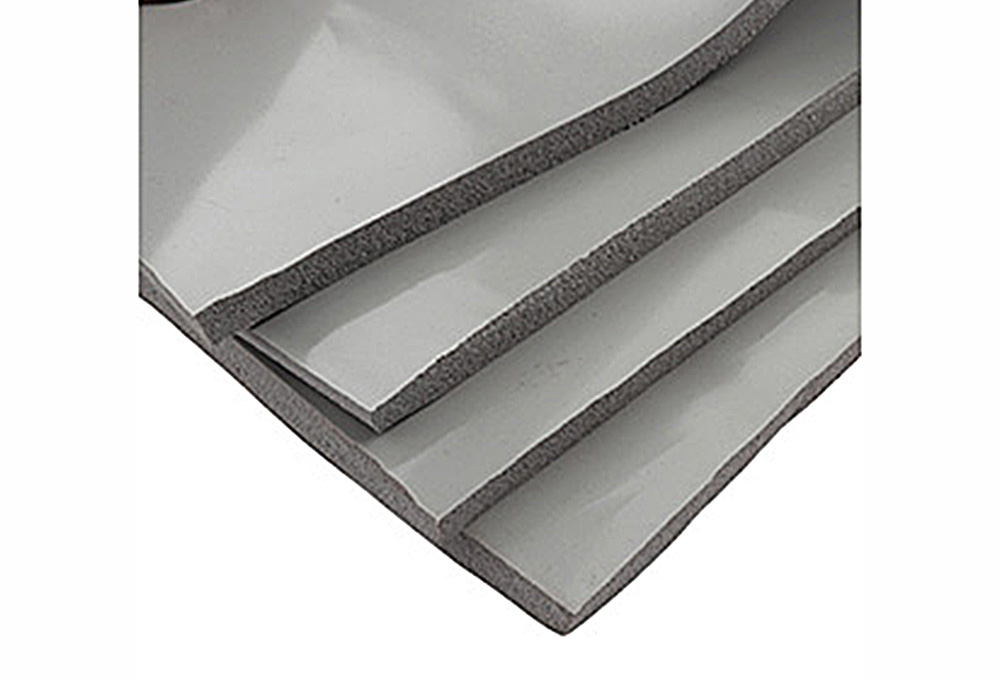
Thermal Pad vs Thermal Compound: An Engineer’s Perspective on Interface Materials and GPU Cooling
In high-performance electronic systems, thermal management is not an optional optimization but a fundamental design requirement. As computing power continues to increase, effective heat transfer from chips to heat sinks directly determines system stability, reliability, and service life. From an engineering standpoint, understanding the practical differences between thermal pad vs thermal compound and thermal pads vs thermal paste is essential for selecting the right thermal interface material (TIM) for each application, especially when identifying the best thermal pads for GPU cooling systems.
Why Thermal Interface Materials Matter
Even precision-machined surfaces are never perfectly flat. Microscopic air gaps between the heat source and the heat sink introduce significant thermal resistance. Thermal interface materials are designed to eliminate these gaps and improve overall heat transfer efficiency.
From an engineering classification perspective, most TIMs fall into two major categories:
- Solid interface materials: Thermal Pads
- Semi-fluid interface materials: Thermal Compounds (Thermal Paste)
When discussing thermal pad vs thermal compound, engineers are not simply comparing two products, but two different approaches to solving mechanical and thermal interface challenges.
Thermal Pads vs Thermal Paste: Key Engineering Differences
1. Physical Form and Installation
Thermal pads are solid sheets with defined thickness and structural stability. They can be die-cut or manually trimmed and placed directly onto components. Thermal paste, by contrast, is a viscous compound that must be applied manually and spread evenly to achieve optimal coverage.
From a manufacturing standpoint, thermal pads offer greater process consistency, while thermal paste relies more heavily on operator technique and application control.
2. Thermal Resistance and Conductivity
High-quality thermal compounds can achieve very low thermal resistance at extremely thin bond lines, making them ideal for direct die-to-cold-plate contact where surface flatness is well controlled. However, performance can degrade over time due to pump-out effects or material aging.
Thermal pads may have slightly higher intrinsic thermal resistance, but their consistent thickness and compressibility allow them to perform more reliably in interfaces with height variations. In many real-world assemblies, this consistency leads to more stable long-term thermal performance.
This practical reality is why discussions of thermal pads vs thermal paste should focus not only on laboratory thermal conductivity values, but also on mechanical tolerances and lifecycle behavior.
3. Reliability and Maintenance
In environments involving vibration, thermal cycling, or repeated assembly, thermal pads provide superior mechanical stability. They are easy to remove and replace without surface contamination, while thermal paste can spread, migrate, or dry out over time.
For serviceable or modular systems, thermal pads often reduce maintenance risk and improve field reliability.
Thermal Pad vs Thermal Compound in Real Engineering Applications
GPU Cooling Systems
Modern GPUs present one of the most demanding thermal environments in consumer and professional electronics. Besides the main GPU die, memory modules and power delivery components also generate significant heat and often sit at different heights.
In such multi-level thermal architectures, thermal compounds are typically used between the GPU die and the primary cold plate, where extremely low thermal resistance is required. However, for memory chips and VRM components, achieving uniform contact using paste is difficult due to varying component heights.
Here, high-performance thermal pads become the most practical and reliable solution. Selecting the best thermal pads for GPU applications means choosing materials with:
- High thermal conductivity
- Low compression resistance
- Long-term mechanical stability
Well-designed thermal pads ensure consistent contact pressure across all components, resulting in balanced and predictable cooling performance.
A suitable example of such materials can be found at:
https://www.itousen.com/high-performance-thermal-pad.html

These products are engineered to meet demanding GPU cooling requirements and are widely considered among the best thermal pads for GPU configurations requiring reliability and easy integration.
Industrial Power Electronics
In industrial applications such as power supplies, motor drives, and inverters, large power devices are often mounted to heatsinks with unavoidable mechanical tolerances. Gap sizes can vary significantly, making ultra-thin bond lines impractical.
In these cases, thermal pads with controlled thickness and compressibility provide a far more reliable thermal interface than thermal paste, which may fail to fill deeper gaps consistently. From an assembly efficiency standpoint, pads also reduce manufacturing variability and inspection complexity.
How Engineers Should Choose Between Thermal Pads and Thermal Compound
A rational material selection process should consider multiple technical factors rather than focusing solely on thermal conductivity numbers.
1. Interface Geometry
- Flat, uniform interfaces with minimal gap: thermal compound may be optimal.
- Interfaces with height variations or large tolerances: thermal pads are preferred.
2. Thermal Load and Lifecycle Requirements
- Extreme hotspot cooling: thermal compound offers lowest possible thermal resistance.
- Long-term stable operation and serviceability: thermal pads provide better durability.
3. Manufacturing and Maintenance Considerations
- Manual application processes increase defect risk with thermal paste.
- Pre-cut thermal pads improve assembly consistency and reduce rework.
From this perspective, the debate of thermal pad vs thermal compound should always be resolved within the context of the full system design, not isolated component testing.
Why High-Performance Thermal Pads Are Increasingly Preferred
Advancements in filler technology and polymer matrices have significantly improved the performance of modern thermal pads. Today’s high-end products can deliver excellent thermal conductivity while maintaining structural flexibility and durability.
The high-performance thermal pads available at:
https://www.itousen.com/high-performance-thermal-pad.html
offer several technical advantages relevant to engineers:
- High thermal conductivity: optimized filler distribution for efficient heat transfer.
- Excellent conformability: accommodates surface irregularities and component height differences.
- Customizable formats: suitable for die-cutting and automated assembly lines.
- Long-term stability: minimal performance degradation under thermal cycling.
These characteristics are particularly valuable in GPU cooling designs, reinforcing their position among the best thermal pads for GPU system integration.
Conclusion
From an engineering standpoint, both thermal pads and thermal compounds play essential roles in modern thermal management strategies. The discussion of thermal pad vs thermal compound and thermal pads vs thermal paste should not be viewed as a competition, but as complementary solutions addressing different interface challenges.
For applications involving uneven surfaces, multi-component contact, or long-term reliability requirements, high-quality thermal pads provide measurable advantages. In GPU systems, selecting the best thermal pads for GPU designs can significantly improve overall thermal balance and operational stability.
By combining sound mechanical design with properly selected interface materials, engineers can achieve not only lower operating temperatures, but also higher system reliability and longer product lifecycles.
Kritical Thermal Pads and Thermal Heat Pad Solutions for Laptop Cooling
Pad Thermal Solutions for CPU and GPU Thermal Management
Related Article