Thermal Pads for GPU and Thermal Pad vs Paste Explained
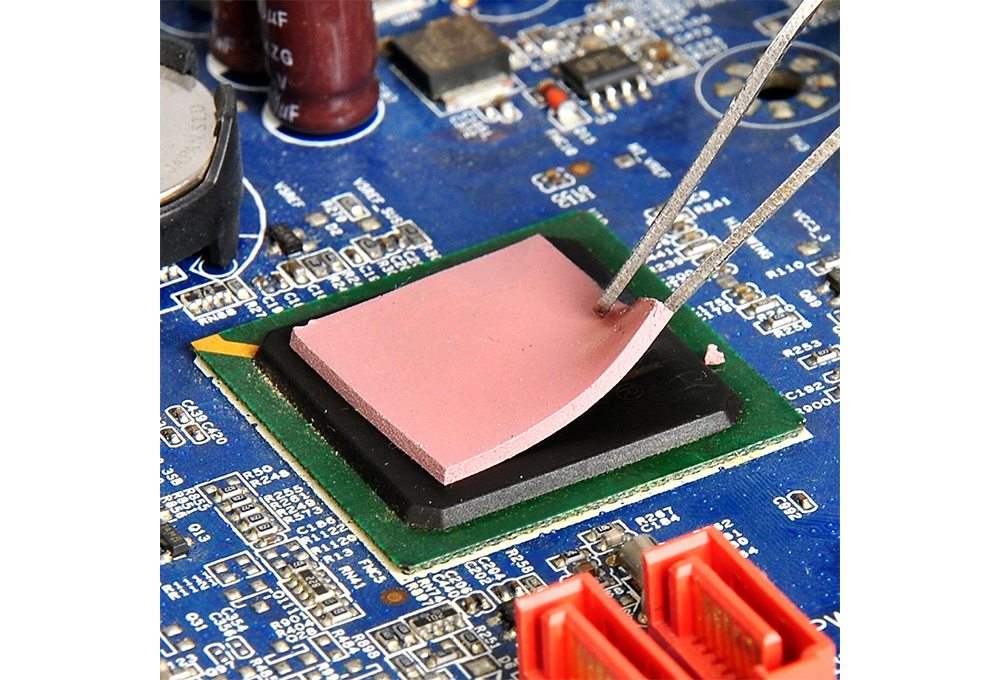
Thermal Pads for GPU Applications: A Practical Engineering Guide to Silicone Thermal Pads
As GPU performance, computing density, and power consumption continue to increase, thermal management has become a critical design consideration for modern electronic systems. In GPUs, servers, AI computing platforms, power electronics, and other high-density electronic assemblies, effective heat dissipation depends not only on the thermal conductivity of the material but also on its ability to maintain a reliable interface between heat-generating components and cooling structures.
For this reason, thermal pads are widely used in applications where component height variations, surface irregularities, electrical insulation, and assembly efficiency must all be considered. In particular, thermal pads for GPU applications are commonly used between memory modules, VRM components, inductors, MOSFETs, and heatsinks to fill air gaps and establish a stable thermal path.
Why Thermal Pads Are Important in GPU Thermal Management
A modern graphics card contains multiple heat-generating components. While the GPU die is typically connected directly to a heatsink or vapor chamber, surrounding components such as GDDR memory, VRMs, MOSFETs, and inductors may have different package heights. These variations create air gaps between the components and the cooling structure.
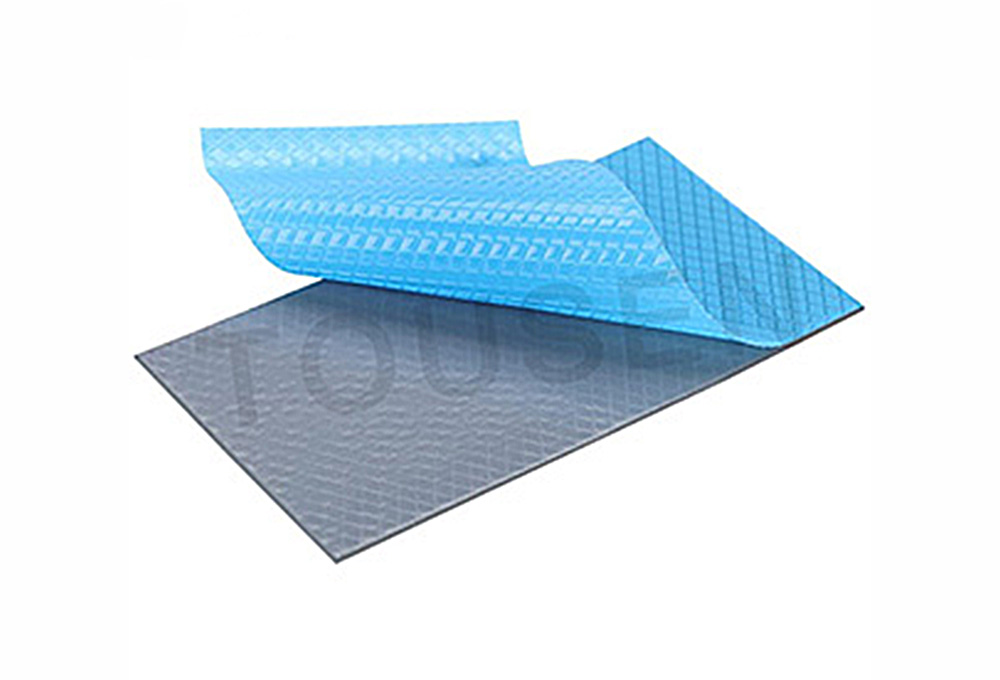
Air is a poor thermal conductor, so even a relatively small gap can increase interface thermal resistance. This is where GPU thermal pads provide a practical engineering solution. A compliant silicone thermal pad can deform under controlled compression and conform to uneven surfaces, filling the gap while maintaining a continuous thermal interface.
When selecting thermal pads for GPU applications, engineers should evaluate more than nominal thermal conductivity. Important parameters typically include thermal conductivity, thickness tolerance, hardness, compressibility, compression stress, dielectric strength, volume resistivity, operating temperature, long-term aging performance, and dimensional stability.
Thermal Pad vs Paste: Which Interface Material Is Better?
The question of thermal pad vs paste frequently arises during thermal interface material selection. Both technologies are designed to reduce thermal resistance between a heat-generating component and a cooling surface, but their engineering characteristics and preferred applications are different.
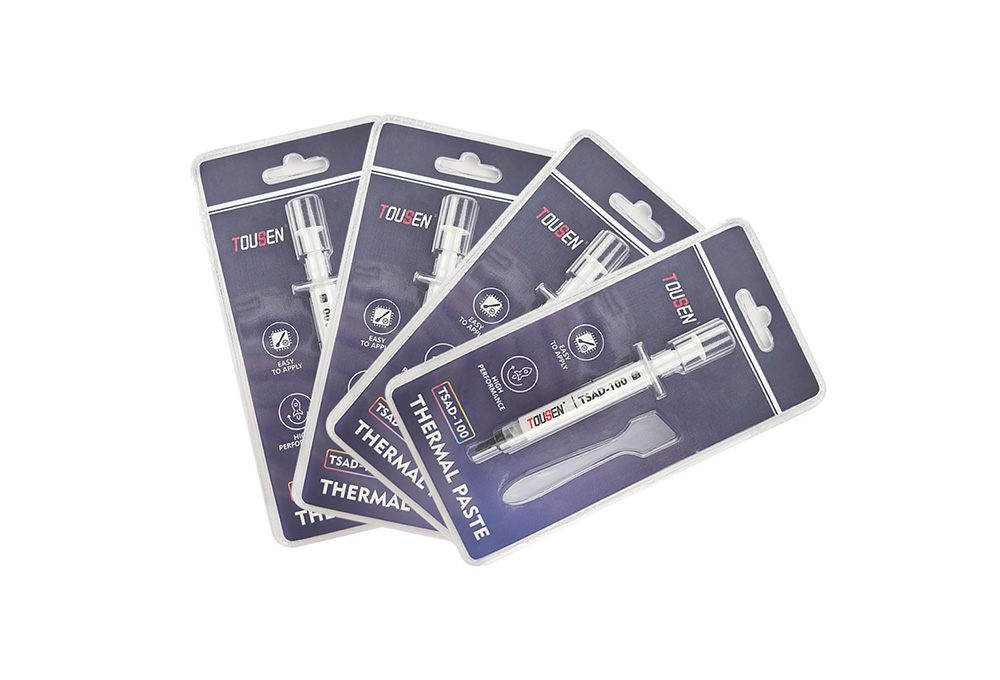
Thermal paste is generally suitable for very thin bond lines and relatively flat mating surfaces. Because it can flow into microscopic surface irregularities, it can provide excellent interface performance when properly applied. This makes thermal paste particularly useful for CPU and GPU die interfaces where minimizing bond-line thickness is a priority.
However, thermal paste requires controlled dispensing or application. Excess material can create contamination, while insufficient coverage can produce localized thermal resistance. Long-term applications may also require consideration of pump-out, dry-out, migration, and interface stability.
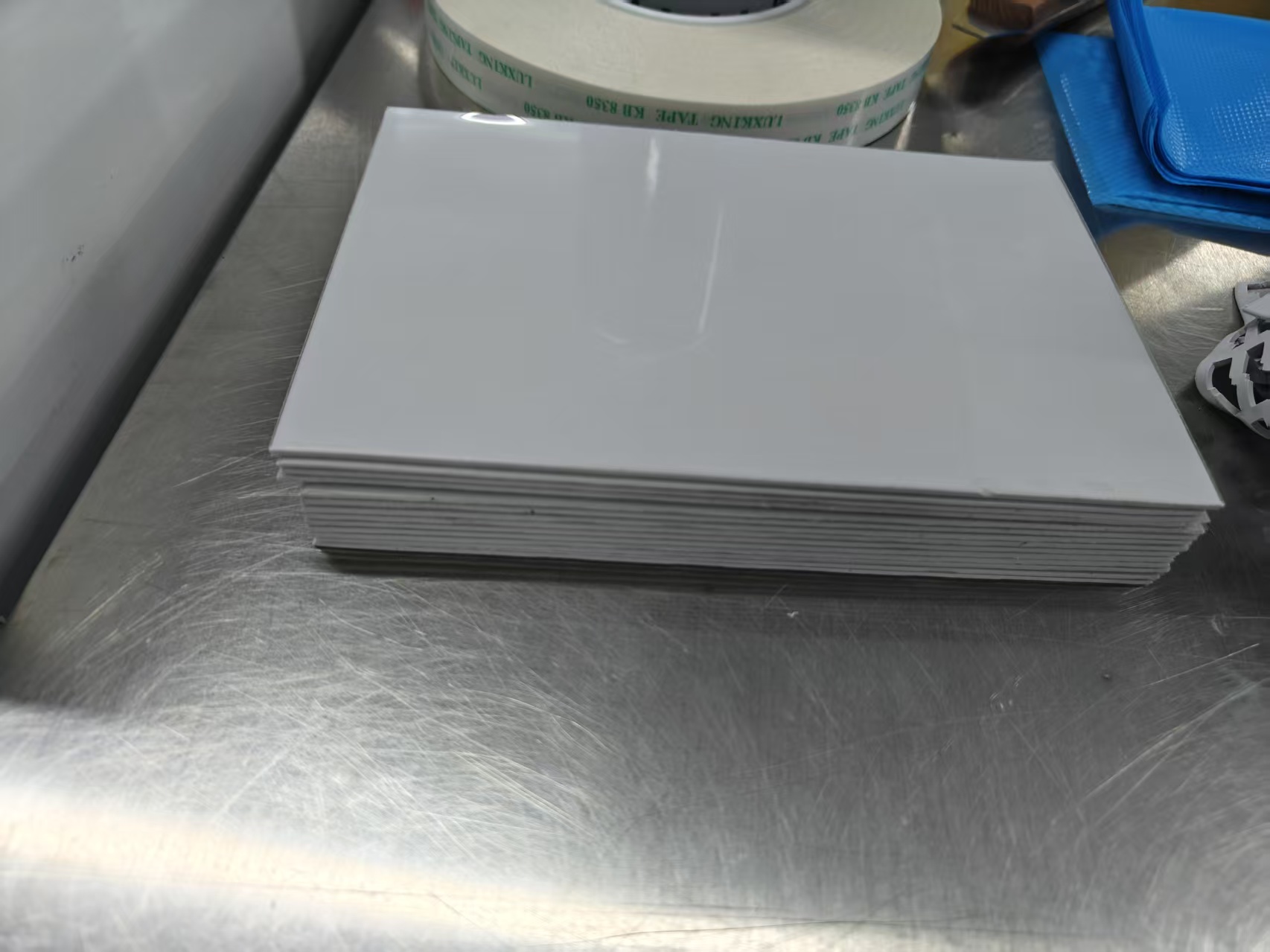
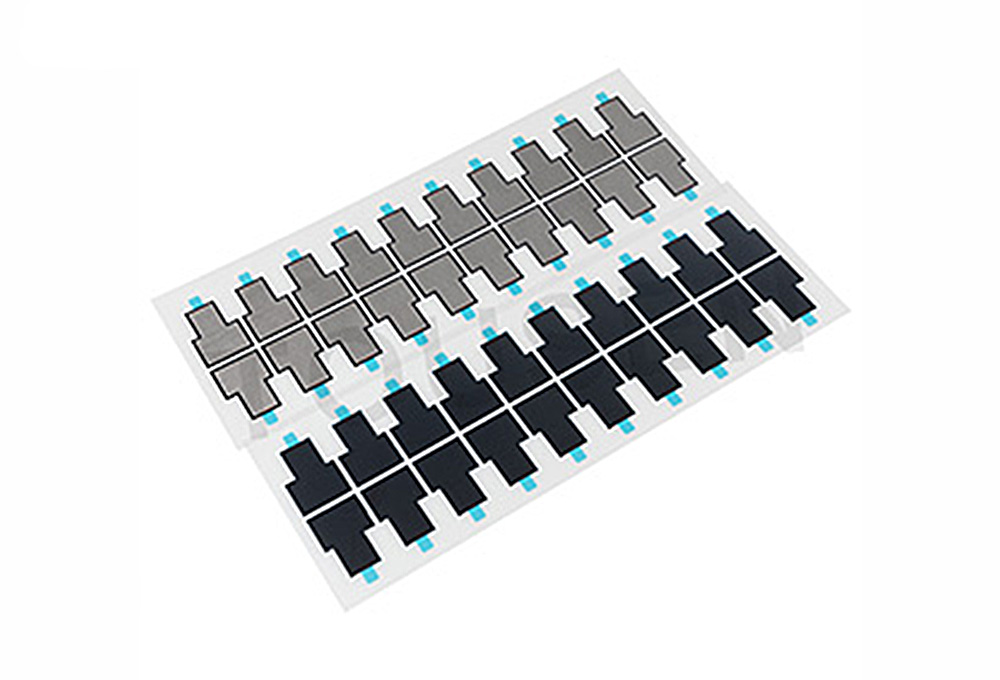
By comparison, silicone thermal pads are supplied in controlled thicknesses and can be die-cut or customized to match specific component geometries. They are especially useful when the interface contains a relatively large or variable gap and when clean, repeatable assembly is important.
| Engineering Factor | Silicone Thermal Pad | Thermal Paste |
|---|---|---|
| Gap Filling | Well suited for moderate and larger gaps | Best suited for thin interfaces |
| Thickness Control | Highly controllable | Depends on application process |
| Assembly | Simple placement and compression | Requires controlled dispensing or coating |
| Cleanliness | Generally clean during assembly | Potential for material overflow |
| Electrical Insulation | Available with electrically insulating formulations | Depends on formulation |
| Long-Term Stability | Generally stable when properly selected | Requires evaluation of pump-out and dry-out behavior |
Therefore, thermal pad vs paste should not be treated as a simple performance competition. The appropriate material depends on the thermal path, interface geometry, assembly process, mechanical constraints, and reliability requirements of the application.
Advantages of Silicone Thermal Pads in Electronics
From an engineering perspective, the primary advantage of silicone thermal pads is their balance of thermal, mechanical, electrical, and processing characteristics.
1. Effective Gap Filling
Silicone thermal pads are compliant and compressible. This allows them to accommodate component height differences and surface irregularities without requiring perfectly flat mating surfaces. This characteristic is particularly valuable in GPUs, servers, power supplies, telecom equipment, and industrial electronics.
2. Electrical Insulation
Many silicone thermal pad formulations provide reliable electrical insulation while transferring heat. This makes them suitable for components such as MOSFETs, VRMs, inductors, power modules, and other electrically active components where thermal transfer and electrical isolation must be achieved simultaneously.
3. Controlled Thickness and Repeatable Assembly
Unlike liquid thermal materials, pre-formed thermal pads can be manufactured to specified thicknesses and dimensions. This simplifies material handling and helps improve process consistency in high-volume electronics manufacturing.
4. Flexible Design Options
Depending on the application, thermal pads can be supplied in different thicknesses, thermal conductivity levels, hardness grades, and custom-cut geometries. This flexibility allows engineers to optimize the thermal interface according to the actual mechanical structure rather than selecting a material based solely on its headline thermal conductivity.
How Engineers Should Select Thermal Pads for GPU Applications
Selecting thermal pads for GPU applications should begin with the actual interface gap. Choosing the material with the highest published thermal conductivity is not necessarily the best engineering solution.
If the pad is too hard, excessive compression force may be transferred to the PCB, components, or heatsink assembly. If it is too soft, excessive deformation or long-term compression behavior may affect interface stability. Engineers therefore need to balance thermal performance with compressibility, hardness, thickness tolerance, and mechanical reliability.
For high-power graphics cards and computing systems, the effective thermal resistance of the complete interface should also be considered. Thermal conductivity, pad thickness, contact pressure, surface conditions, and actual compression all contribute to real-world thermal performance.
For applications requiring extended service life, additional reliability testing may include thermal cycling, humidity exposure, compression set, aging behavior, and dimensional stability. These factors can be just as important as the initial thermal conductivity value.
TOUSEN Silicone Thermal Pads for Electronic Thermal Management
TOUSEN provides silicone thermal pad solutions designed for electronic thermal management applications where gap filling, thermal transfer, electrical insulation, and assembly consistency are important considerations.
The product range can be evaluated for applications including GPU memory, VRM components, MOSFETs, inductors, servers, power electronics, telecommunications equipment, and other electronic assemblies that require a compliant thermal interface.
For product information and application details, visit TOUSEN Silicone Thermal Pads .
For GPU thermal pads, engineers can select the appropriate thickness and performance grade according to the actual component-to-heatsink gap. For server and industrial electronics, the same engineering approach can be used to balance thermal performance, compression behavior, electrical insulation, and long-term reliability.
Conclusion
From an engineering standpoint, thermal pad vs paste is not a question of which material is universally superior. Thermal paste remains highly effective for thin, relatively flat interfaces where minimizing bond-line thickness is the primary objective. Silicone thermal pads, however, offer clear practical advantages when the application involves larger gaps, component height variation, electrical insulation, controlled thickness, and repeatable assembly.
As GPUs, AI servers, power electronics, and other high-density electronic systems continue to operate at higher power levels, reliable interface materials are becoming increasingly important. Properly selected thermal pads for GPU applications can help reduce interface thermal resistance, accommodate mechanical tolerances, and support stable long-term thermal management.
Ultimately, the correct thermal interface material should be selected based on the complete application rather than a single specification. Evaluating thermal, mechanical, electrical, processing, and reliability requirements together provides a more reliable basis for engineering design.
Thermal Pads GPU and Thermal Pad vs Paste for EV Batteries
Advanced Thermal Interface Solutions for High Power Electronics
Related Article