Thermal Paste Applications in Handheld Steam Iron Thermal Design
The Role of Thermal Paste in Handheld Steam Iron Thermal Management: An Engineering Perspective
As modern home appliances continue to evolve toward higher efficiency, compact design, and improved reliability, thermal management has become a critical aspect of product engineering. Handheld steam irons are a clear example of this challenge. These devices must generate high temperatures rapidly while maintaining stable heat distribution and long-term operational safety.
From an engineering standpoint, one often overlooked component in this system is thermal paste. Although it occupies only a thin layer between components, its impact on heat transfer efficiency and temperature stability can be significant. This article examines the role of thermal paste in handheld steam iron design, focusing on its function, application points, and key performance considerations from a practical engineering perspective.
Thermal Management Challenges in Handheld Steam Irons
Handheld steam irons typically rely on internal heating elements capable of raising temperatures to approximately 180°C or higher within a short period of time. This rapid heating process introduces several engineering challenges:
- Concentrated heat generation around the heating element
- Uneven temperature distribution across the soleplate
- Potential localized overheating that may shorten component lifespan
While metallic components such as aluminum heating plates and stainless steel soleplates are excellent heat conductors, their surfaces are never perfectly smooth at a microscopic level. When two solid surfaces come into contact, tiny air gaps inevitably form between them. Because air is a poor thermal conductor, these gaps significantly increase thermal resistance within the heat transfer path.
This is where thermal paste plays an important role in improving interface-level heat transfer.
How Thermal Paste Works in Heat Transfer Systems
Thermal paste, often referred to as a thermal interface material (TIM), is a compound designed to fill microscopic gaps between two contacting surfaces. By replacing air pockets with a thermally conductive material, thermal paste significantly reduces interface thermal resistance.
In a typical handheld steam iron structure, the heat transfer path may involve:
- Internal heating element
- Heat spreading metal plate
- Temperature sensor interface
- External soleplate
Applying a controlled layer of thermal paste between these interfaces improves heat conduction by increasing the effective contact area between components. The paste fills microscopic surface imperfections, creating a more continuous thermal pathway.
In many formulations, conductive fillers such as metal oxides or ceramic particles make up the majority of the material composition. These fillers allow thermal paste to achieve significantly higher thermal conductivity than air while maintaining electrical insulation properties.
Key Application Areas of Thermal Paste in Steam Iron Design
Heating Element to Heat Spreader Interface
One of the most critical locations for thermal paste is the interface between the heating element and the metal heat spreader or soleplate assembly. Efficient heat transfer at this interface ensures that thermal energy is delivered evenly across the ironing surface.
Using thermal paste in this position reduces interface resistance and allows heat to propagate more uniformly across the soleplate.
Temperature Sensor Coupling
Modern handheld steam irons rely on temperature sensors to maintain consistent heat levels and prevent overheating. If the sensor is separated from the heating structure by air gaps, temperature readings may lag behind the actual heating conditions.
A small amount of thermal paste applied between the sensor housing and the heating plate improves thermal coupling and allows the control system to respond more accurately to temperature changes.
Internal Heat Dissipation Interfaces
In some advanced designs, additional internal heat transfer paths may exist between structural components and outer housings. In these cases, thermal paste can help guide heat away from sensitive electronic areas while maintaining safe operating temperatures.
Engineering Criteria for Selecting Thermal Paste
Not all thermal paste materials are suitable for household appliance applications. Engineers typically evaluate several key performance characteristics when selecting a suitable compound.
Thermal Conductivity
For appliances such as steam irons, thermal paste with conductivity levels typically above 3 W/m·K is often preferred. Higher conductivity allows heat to transfer efficiently across interface layers.
High-Temperature Stability
Because handheld steam irons operate under sustained high temperatures, the thermal paste must remain stable without drying, cracking, or separating during repeated heating cycles.
Electrical Insulation
Most thermal paste formulations are electrically non-conductive, which helps protect nearby electronic components from potential short circuits.
Long-Term Reliability
In consumer appliances, durability is critical. A reliable thermal paste should resist pump-out effects, oil separation, and long-term degradation under thermal stress.
Example of High-Performance Thermal Paste in Appliance Applications
During product development and thermal testing, engineers often compare different interface materials to determine their effect on system performance. Results from multiple appliance thermal studies indicate that optimized interface materials can reduce thermal response time and improve temperature uniformity across heating surfaces.
One example of a specialized solution designed for electronics and appliance thermal management can be found in the following product:
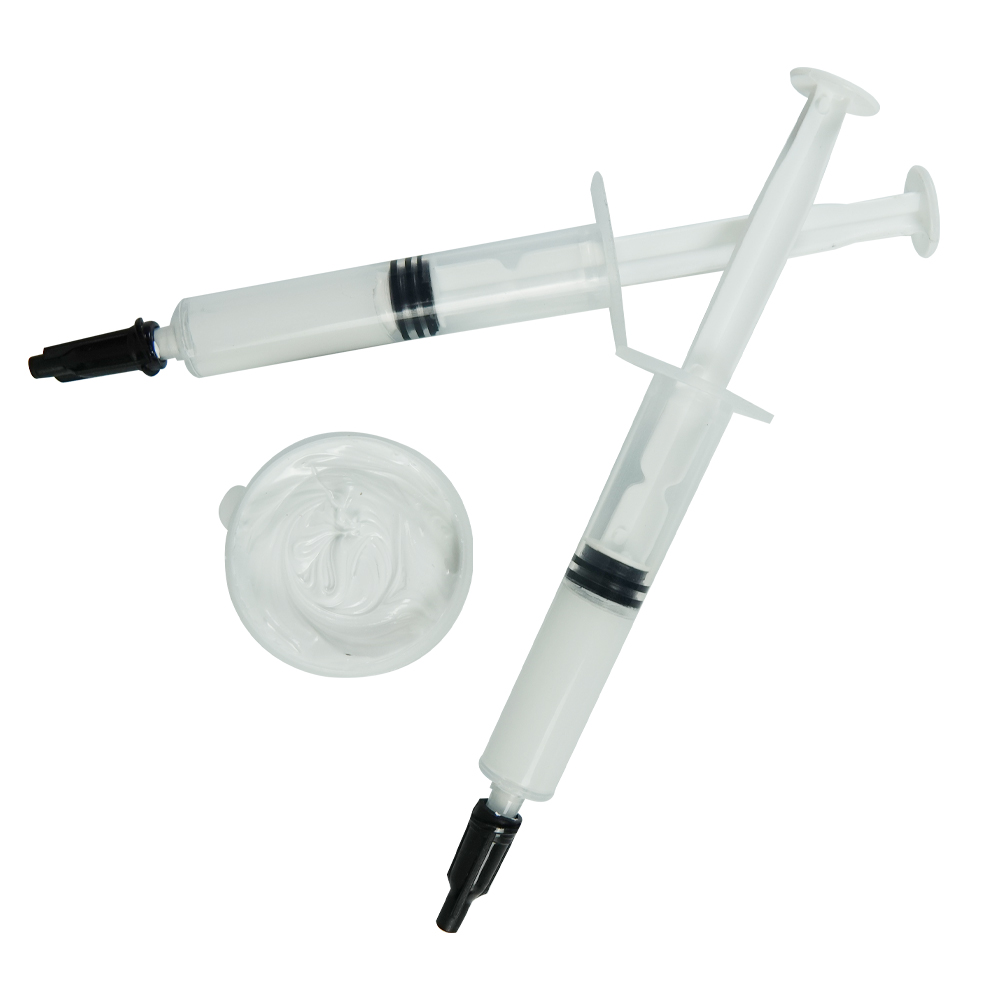
High Performance Thermal Paste – ITousen
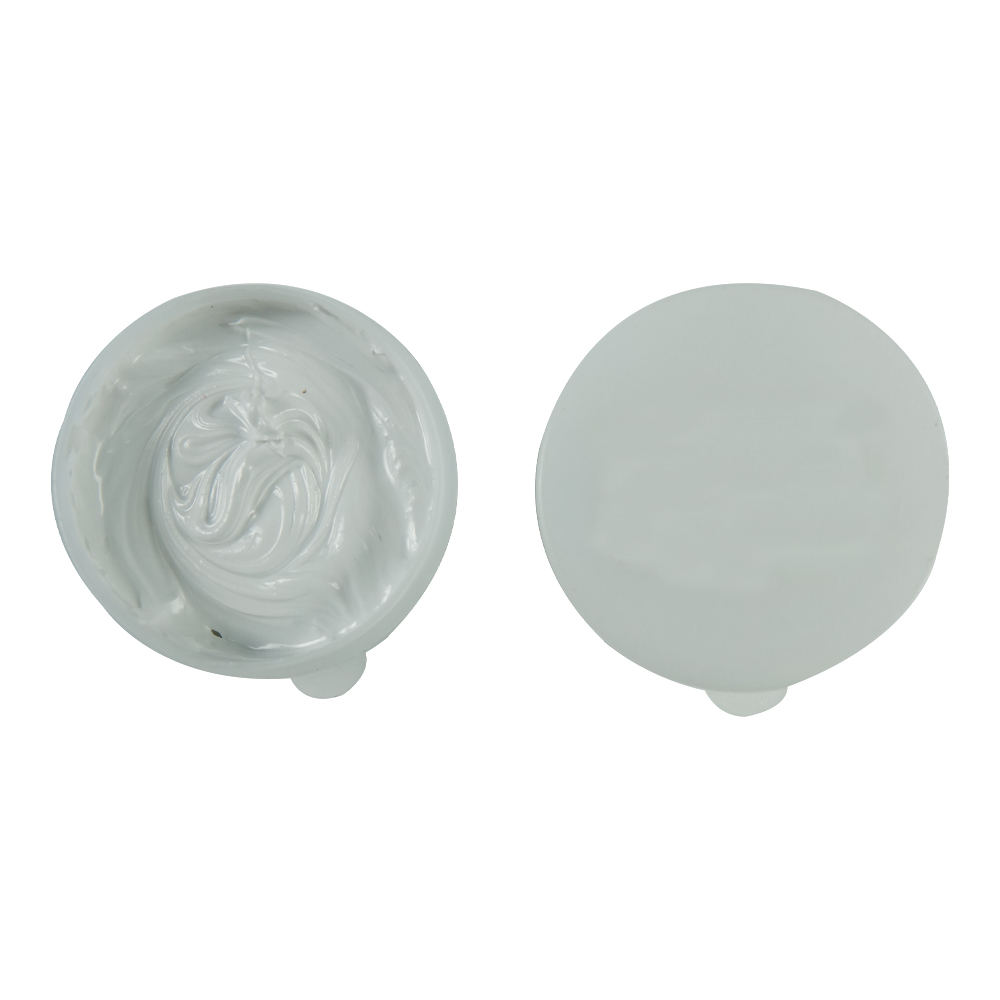
This type of thermal paste is engineered to provide stable thermal conductivity and reliable interface performance in applications such as power electronics, heating modules, and household appliances. In handheld steam iron assemblies, materials with consistent viscosity and strong interface wetting characteristics can help reduce thermal resistance and support long-term thermal stability.
Future Trends in Appliance Thermal Interface Materials
As consumer appliances continue to evolve, thermal interface materials are expected to play an increasingly important role in product design. Several trends are shaping future development in this field:
- Higher power density in compact appliance designs
- Improved temperature control accuracy
- Longer operational lifetimes for heating components
- Greater emphasis on energy efficiency
These trends place greater demands on the performance and reliability of thermal paste. Materials that offer stable thermal conductivity, durability under repeated thermal cycling, and easy manufacturing integration will remain essential components in modern appliance engineering.
Conclusion
Although often invisible within the final product, thermal interface materials play a fundamental role in thermal system performance. In handheld steam irons, properly selected and applied thermal paste helps optimize heat transfer, maintain stable operating temperatures, and enhance overall product reliability.
From an engineering perspective, understanding the function and selection criteria of thermal paste is essential for designing efficient and durable thermal systems in household appliances.
Thermal Paste Role in Cooling Stability of Cryptocurrency Mining Hardware
Thermal Paste Solutions for Reliable Rail Transit Electronics Cooling
Related Article