Thermal Paste Engineering for Semiconductor Thermal Management
From Interface Physics to System Reliability: An Engineering Perspective on Thermal Paste in Semiconductor Applications
In modern semiconductor systems, thermal management is no longer a secondary consideration—it is a primary design constraint. As power densities continue to rise across CPUs, GPUs, AI accelerators, and power devices, efficient heat dissipation becomes critical to maintaining performance, reliability, and lifecycle expectations. Within this thermal path, thermal paste plays a subtle yet essential role as a thermal interface material (TIM).
The Engineering Function of Thermal Paste
From a practical engineering standpoint, the primary function of thermal paste is to minimize interfacial thermal resistance. Even precision-machined metal surfaces contain microscopic imperfections that trap air when two surfaces are joined. Because air has extremely low thermal conductivity, these voids significantly degrade heat transfer efficiency.
Thermal paste addresses this issue by filling microscopic gaps and creating a continuous conductive path between the heat source (e.g., semiconductor die or package) and the heat sink. Rather than serving as the main heat conductor, thermal paste acts as an interface optimizer—eliminating thermal bottlenecks caused by imperfect surface contact.
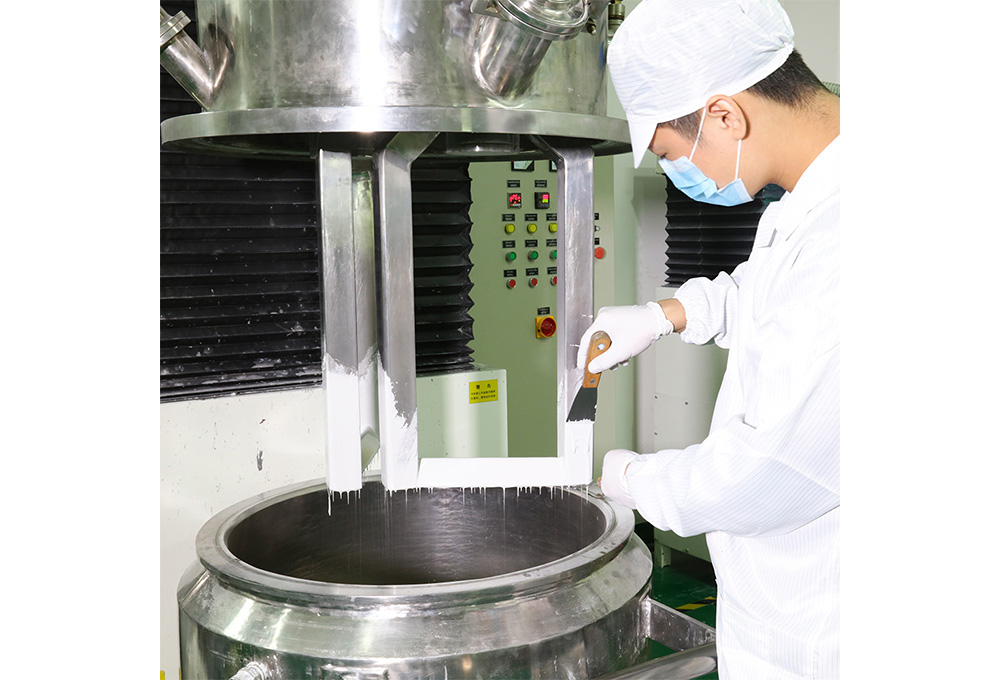
Typical thermal paste formulations consist of a base matrix (such as silicone or synthetic oil) combined with thermally conductive fillers like aluminum oxide, boron nitride, or advanced ceramic particles. Depending on composition, thermal paste can achieve conductivity values ranging from a few W/m·K to significantly higher in engineered systems.
Application Scenarios in Semiconductor Systems
High-Performance Computing Devices
In processors and graphics units, where power consumption and heat generation are substantial, thermal paste ensures efficient heat transfer from the chip to the cooling solution. Without a properly applied thermal paste layer, thermal throttling or long-term degradation can occur.
Power Semiconductor Devices
Devices such as MOSFETs and IGBTs operate under high thermal loads and switching frequencies. In these environments, thermal paste contributes directly to junction temperature control, which is a key determinant of device reliability and lifespan.
PCB-Level and Module Integration
At the board and module level, thermal paste is used to bridge components and heat spreaders or chassis structures. This helps mitigate localized hot spots and improves overall thermal uniformity within the system.
Key Parameters for Selecting Thermal Paste
Selecting the right thermal paste involves balancing multiple engineering considerations rather than focusing solely on thermal conductivity.
- Thermal Conductivity: Typically ranges from 3 to 13 W/m·K for standard formulations, with higher values available for specialized applications.
- Electrical Insulation: Most thermal paste products are electrically insulating, which is critical for preventing short circuits.
- Long-Term Stability: Resistance to drying, cracking, and pump-out under thermal cycling is essential for reliability.
- Dispensing and Process Compatibility: Rheological properties must align with automated manufacturing processes such as dispensing or stencil printing.
Industry Challenges: From Lab Performance to Mass Production
As semiconductor packaging technologies evolve—particularly with advanced nodes, chiplet architectures, and 3D integration—the demands on thermal paste continue to increase.
Engineers are now required to manage thinner bond line thicknesses (BLT), higher heat flux densities, and extended operational lifetimes. Under these conditions, issues such as pump-out, material migration, and long-term degradation become critical design concerns.
Engineering-Grade Thermal Paste Solutions
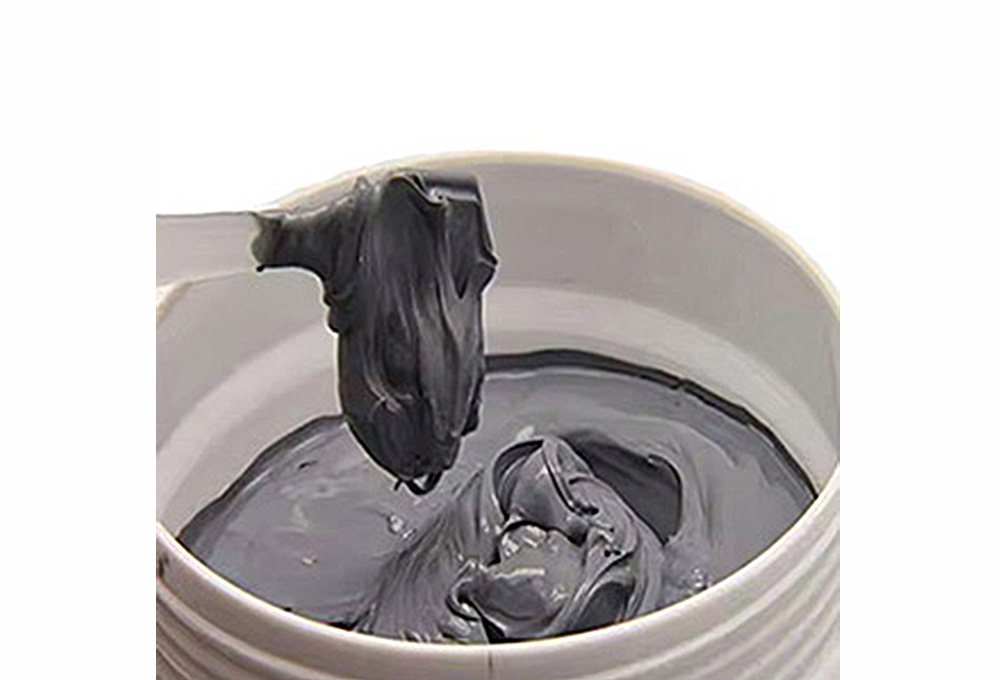
In practical deployment, selecting a proven thermal paste solution is essential. For example, the following product demonstrates key characteristics required in modern semiconductor applications:

From an engineering perspective, this type of thermal paste solution offers:
- Optimized thermal conductivity for efficient heat transfer
- Excellent wetting performance to minimize interfacial resistance
- Strong resistance to thermal cycling and long-term degradation
- Compatibility with automated dispensing and scalable manufacturing processes
Such characteristics make it suitable for a wide range of semiconductor and electronics cooling applications, from high-performance computing to industrial power modules.
Future Trends in Thermal Paste Development
Looking ahead, thermal paste technology is evolving to meet increasingly demanding thermal environments. Key development directions include:
- Higher thermal conductivity exceeding 20 W/m·K
- Lower interface resistance through reduced bond line thickness
- Low-volatility and non-silicone formulations for sensitive applications
- Environmentally sustainable material systems
Emerging materials such as graphene and nano-metal fillers are also being explored to push the limits of conventional thermal paste performance.
Conclusion
Although often overlooked due to its small physical footprint, thermal paste is a critical enabler of thermal performance and system reliability in semiconductor engineering. Its role extends beyond simple gap filling—it directly influences temperature control, efficiency, and long-term device stability.
As semiconductor technologies continue to scale in complexity and power density, the importance of high-performance thermal paste will only grow. A deep understanding of its material behavior and application constraints is therefore essential for engineers seeking to optimize next-generation electronic systems.
Engineering Analysis of Thermal Paste in Gaming Systems Performance
Thermal Paste for AI Systems High Performance Thermal Management
Related Article