Thermal Paste Engineering Guide for CPU and GPU Cooling Systems

Thermal Paste in Modern Computing: An Engineering Perspective on Performance and Reliability
In today’s high-performance computing landscape, thermal design has become a critical factor in ensuring system stability and longevity. As CPUs and GPUs continue to push power density limits, engineers must pay closer attention to thermal interface materials (TIMs). Among these, thermal paste remains one of the most fundamental yet impactful components in the thermal management chain.
This article provides a structured, engineering-focused analysis of thermal paste, including its working principles, selection criteria, and practical considerations in real-world applications.
The Engineering Role of Thermal Paste: Eliminating Microscopic Air Gaps
From a materials science standpoint, even precision-machined surfaces such as integrated heat spreaders (IHS) and heatsink bases are not perfectly flat. At the microscopic level, surface irregularities create air pockets that significantly hinder heat transfer due to air’s low thermal conductivity.
The primary function of thermal paste is therefore not to “enhance” heat conduction, but to eliminate these thermal barriers by:
- Filling microscopic surface voids
- Displacing trapped air
- Establishing a continuous thermal conduction path
This distinction is critical in engineering practice, as it defines how thermal paste should be evaluated and applied.
Why Thermal Paste Matters in Engineering Applications
1. Thermal Resistance and System Stability
Thermal resistance is a key parameter in evaluating cooling efficiency. Poor-quality thermal paste can lead to uneven contact and insufficient heat transfer, resulting in localized hotspots. These hotspots may trigger thermal throttling or even system shutdown under sustained workloads.
2. Long-Term Reliability
Thermal paste is subject to aging mechanisms such as drying, pump-out, and phase separation. In high-temperature cycling environments, inferior materials can degrade rapidly, compromising long-term thermal performance.
3. Impact on Hardware Lifespan
Sustained elevated temperatures accelerate semiconductor degradation and reduce overall system reliability. Proper selection of thermal paste directly contributes to extending the operational lifespan of critical components.
Types of Thermal Paste and Selection Criteria
From an engineering perspective, thermal paste can be categorized into several types:
- Metal-based: High thermal conductivity, but electrically conductive
- Ceramic-based: Electrically insulating and stable, suitable for general applications
- Silicone-based: Cost-effective for standard consumer use
- Liquid metal: Extremely high performance, but requires strict material compatibility
When selecting a thermal paste, engineers typically evaluate:
- Thermal conductivity (W/m·K)
- Viscosity and application consistency
- Long-term stability and resistance to drying
- Electrical insulation properties
It is important to note that there is no universally “best” thermal paste—only the most suitable option for a given application scenario.
Common Industry Challenges
In practical deployments, engineers often encounter several recurring issues:
- Pre-applied TIMs that prioritize cost over performance
- Inconsistent application thickness affecting thermal efficiency
- Low-quality thermal paste with unreliable specifications
These challenges are particularly critical in environments such as data centers, industrial PCs, and AI computing platforms, where thermal margins are tight and reliability is essential.
Engineering-Oriented Solution: High-Performance Thermal Paste
A high-quality thermal paste designed for professional applications should demonstrate the following characteristics:
- High thermal conductivity for efficient heat transfer
- Excellent gap-filling capability to minimize interface resistance
- Long-term stability without drying or pump-out effects
- Ease of application for both manual and automated processes
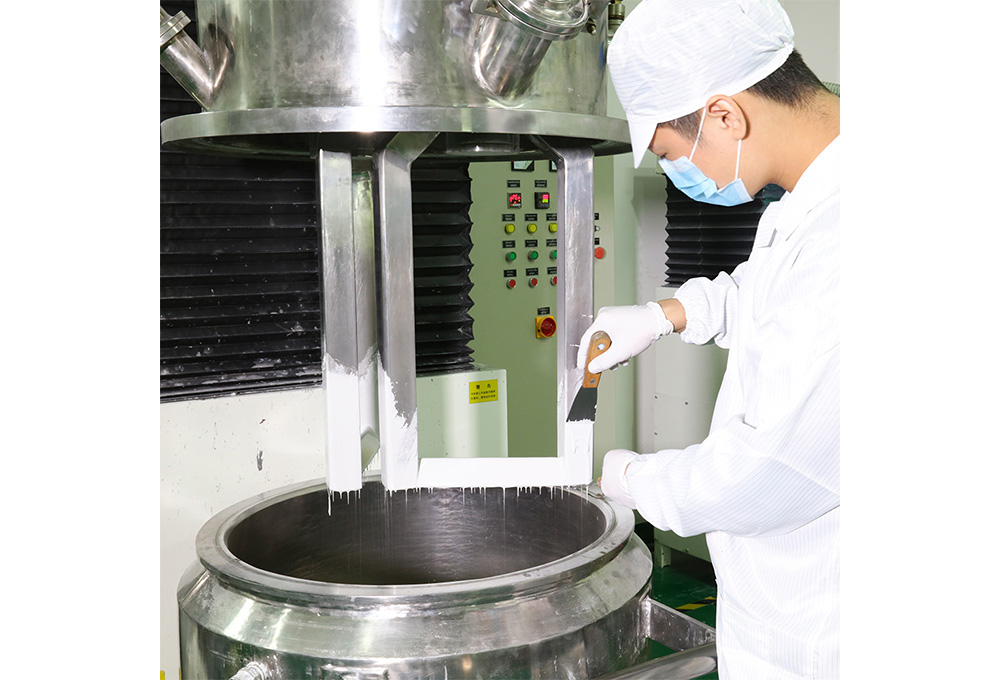
For example, specialized products developed for high-performance environments are engineered to maintain consistent thermal performance under sustained workloads.
Product reference:
//www.itousen.com/product-5665408556491864.html
Such solutions are typically optimized for:
- High-power CPUs and GPUs
- Server and data center systems
- Industrial control platforms
- Continuous operation environments
From an engineering standpoint, selecting a validated thermal paste product can significantly improve both thermal efficiency and system reliability.
Future Trends in Thermal Paste Technology
As computing workloads continue to scale—particularly in AI and high-performance computing—thermal paste is evolving from a secondary material to a critical design element.
Key trends include:
- Higher thermal conductivity materials
- Improved long-term reliability under thermal cycling
- Customization for specific hardware architectures
- Compatibility with advanced cooling solutions such as vapor chambers and liquid cooling
Conclusion
From an engineering perspective, thermal paste is far more than a simple assembly material. It plays a decisive role in determining how efficiently heat is transferred from semiconductor devices to cooling systems.
Careful selection and proper application of thermal paste can deliver measurable improvements in performance, stability, and hardware lifespan. As thermal challenges continue to intensify in modern computing, the importance of high-quality thermal paste will only grow.
Thermal Paste for Reliable Industrial Screen Printing Systems
Thermal Paste in MOSFET Thermal Management Engineering Guide
Related Article