Thermal Paste for Heat Dissipation in Modern Small Appliances
The Role of Thermal Paste in Small Appliance Heat Dissipation: An Engineering Perspective
As modern small appliances continue to evolve toward higher power density, compact design, and intelligent functionality, thermal management has become an increasingly critical engineering challenge. From motor control modules and power semiconductors to embedded control boards, electronic components inside household appliances generate heat during operation. Without an effective heat dissipation strategy, excessive temperature can significantly affect system reliability, performance stability, and product lifespan.
Among various thermal management solutions, thermal paste plays a vital role as a thermal interface material (TIM). It is widely used to enhance heat transfer between heat-generating components and heat sinks. Although often overlooked compared with larger structural cooling elements, thermal paste is one of the most essential materials in electronic cooling design.
Why Thermal Paste Is Essential in Small Appliance Design
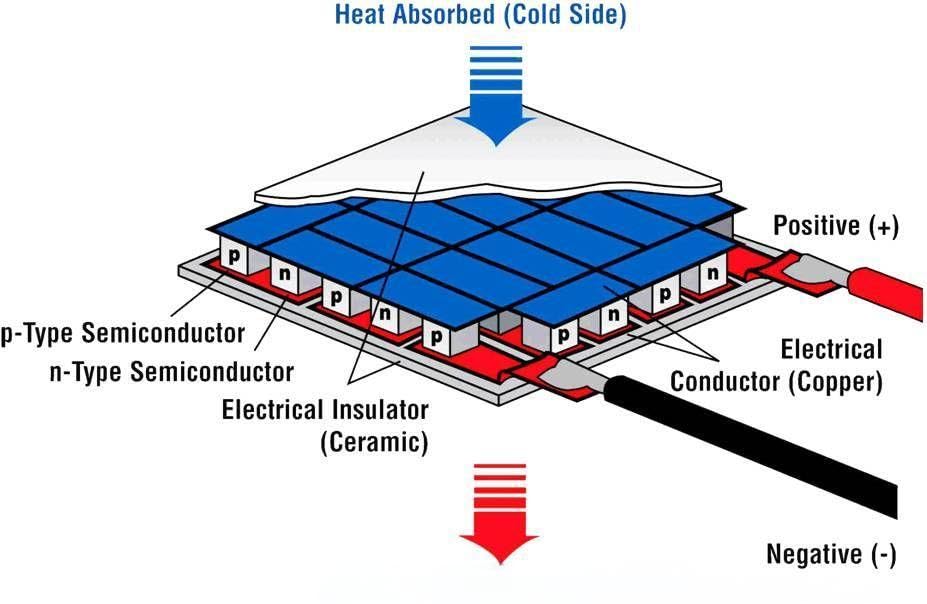
From a mechanical perspective, the surfaces of electronic components and heat sinks appear smooth. However, when examined under a microscope, both surfaces contain numerous microscopic irregularities. These tiny gaps trap air, which has extremely poor thermal conductivity and significantly increases thermal resistance between the two surfaces.
This is where thermal paste becomes essential. By filling these microscopic air gaps, thermal paste creates a continuous thermal pathway that dramatically improves heat conduction efficiency. Instead of allowing heat to remain concentrated at the source component, the material facilitates efficient heat transfer to the heat sink where it can be dissipated into the surrounding environment.
In most electronic systems, including small household appliances, using thermal paste can reduce interface thermal resistance and stabilize device operating temperatures. For engineers designing compact appliances, this improvement in heat dissipation is crucial for maintaining reliable system performance.
Typical Applications of Thermal Paste in Small Appliances
Small appliances may appear simple from the outside, but internally they contain multiple heat-generating electronic components. Proper thermal management ensures these devices operate efficiently and safely.
1. Power Semiconductor Cooling
Appliances such as air fryers, induction cookers, and high-power blenders rely on power semiconductor devices including MOSFETs and IGBTs. These components can generate substantial heat during operation. Applying thermal paste between the semiconductor package and the heat sink significantly improves heat dissipation performance and helps maintain safe operating temperatures.
2. Control Board Thermal Management
Modern appliances increasingly rely on microcontrollers, sensors, and digital control systems. High-performance MCUs and control chips can generate localized heat during continuous operation. Using thermal paste between these components and thermal spreaders helps improve thermal stability within the control module.
3. LED Modules and Indicator Systems
Many smart appliances incorporate LED lighting or high-brightness status indicators. LED chips are highly sensitive to temperature fluctuations. Efficient heat dissipation using thermal paste helps maintain optimal junction temperature and extends LED service life.
4. Motor Driver Modules
Brushless motor systems commonly used in modern appliances require driver ICs and power electronics. These components generate heat under continuous load conditions. Thermal interface materials such as thermal paste improve thermal transfer between the driver module and the cooling structure, ensuring stable system operation.
Key Factors Engineers Consider When Selecting Thermal Paste
Not all thermal interface materials are equally suitable for appliance design. Engineers typically evaluate several important performance parameters when selecting an appropriate thermal paste.
Thermal Conductivity
Thermal conductivity is one of the most critical performance indicators. Higher conductivity allows heat to transfer more efficiently from the component to the heat sink, improving overall heat dissipation efficiency.
Long-Term Stability
Small appliances are expected to operate reliably for many years. A high-quality thermal paste must maintain consistent performance under thermal cycling, elevated temperatures, and long-term operation.
Electrical Insulation
Most electronic applications require electrically insulating thermal interface materials. This ensures that the thermal paste enhances heat transfer while preventing electrical short circuits between components.
Manufacturing Compatibility
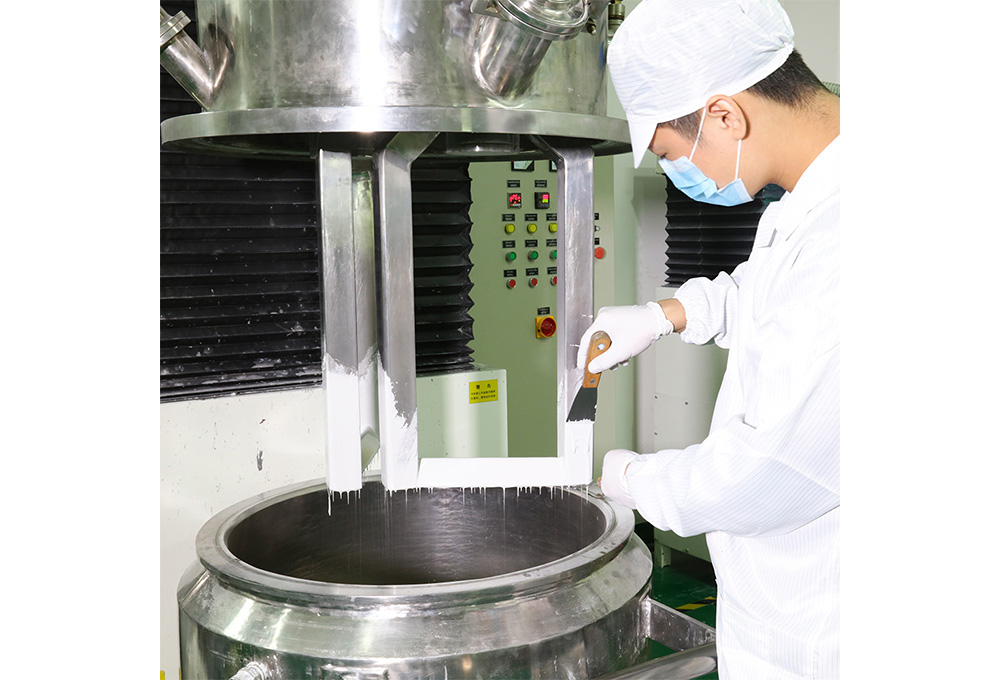
In large-scale appliance manufacturing, material consistency and application properties are also important. Thermal paste should provide suitable viscosity, easy dispensing characteristics, and compatibility with automated production processes.
Engineering Solution: High-Performance Thermal Paste for Appliance Applications
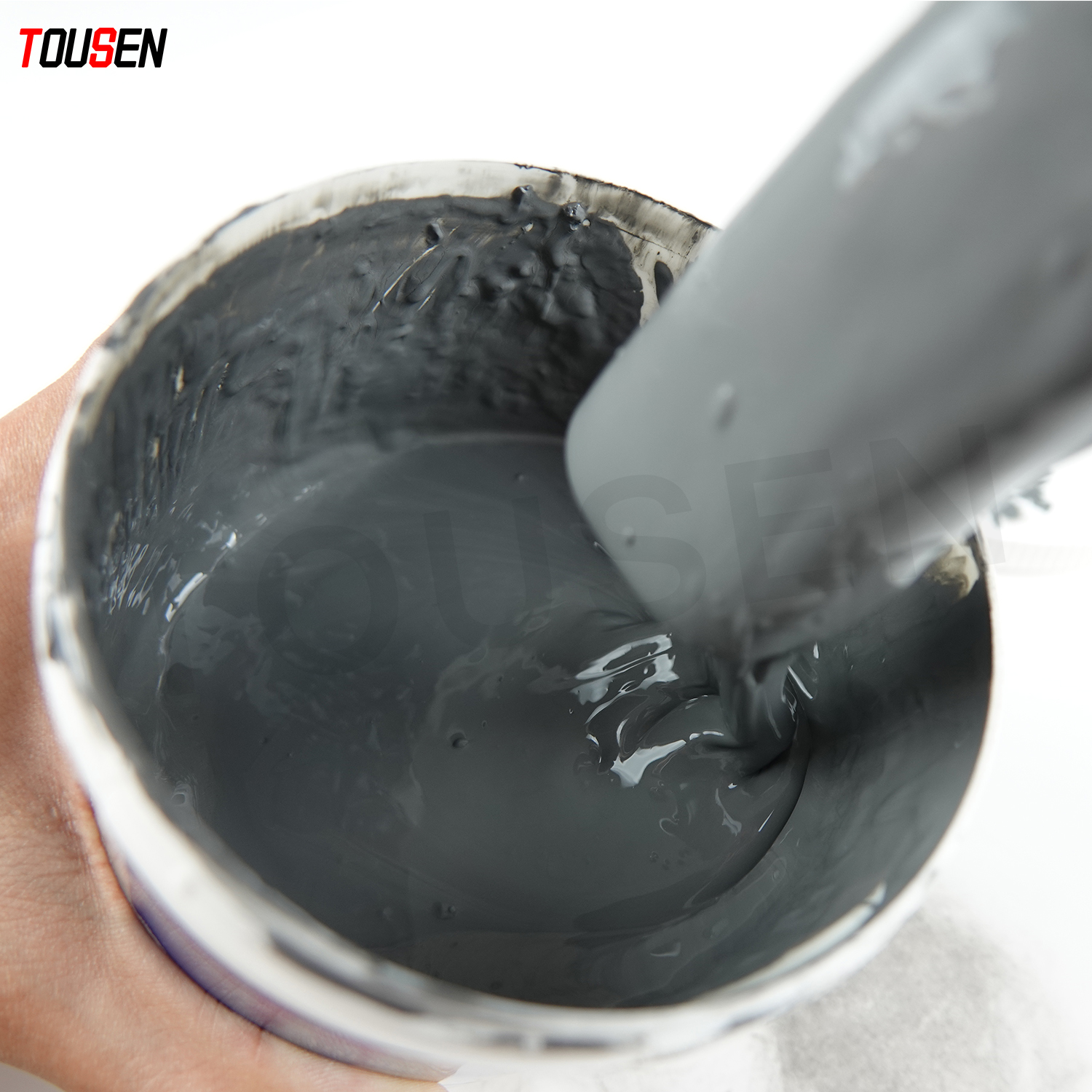
In practical product development, engineers often select professional-grade thermal interface materials designed specifically for electronic heat dissipation. A well-formulated thermal paste can significantly improve thermal efficiency within compact appliance systems.
For example, specialized thermal paste solutions developed by ITousen are designed to create stable thermal interfaces between heat-generating components and cooling structures.
Product reference:
https://www.itousen.com/product-5665408556491864.html

This type of thermal paste is engineered to provide consistent thermal conductivity, long-term reliability, and excellent electrical insulation. Its optimized formulation also supports efficient application during automated manufacturing processes.
When properly integrated into appliance design, a high-quality thermal interface material helps reduce operating temperatures, minimize thermal stress, and extend the overall service life of the product.
Future Trends in Thermal Paste Technology
As appliances continue to adopt more advanced electronics and higher performance components, thermal management solutions must evolve accordingly. Several emerging trends are shaping the future development of thermal paste materials.
Higher Thermal Conductivity Materials
New filler technologies and advanced composite materials are enabling next-generation thermal paste formulations with improved heat transfer capabilities.
Improved Durability
Manufacturers are focusing on long-term stability to ensure thermal performance remains consistent throughout the entire product lifecycle.
Automation-Friendly Formulations
With the increasing adoption of automated assembly lines, thermal paste products are being optimized for precise dispensing and controlled application.
Environmentally Responsible Materials
Sustainability and regulatory compliance are also influencing thermal interface material development, leading to safer and more environmentally friendly formulations.
Conclusion
Thermal management is a fundamental aspect of modern appliance engineering. Although often considered a supporting material, thermal paste plays a critical role in enabling efficient heat dissipation and maintaining system reliability.
By filling microscopic surface gaps and improving thermal conduction between components and heat sinks, thermal paste significantly enhances cooling performance. For engineers developing compact, high-performance appliances, selecting the right thermal interface material is essential for ensuring stable operation and long-term durability.
As appliance technologies continue to advance, the importance of high-quality thermal paste will only continue to grow within electronic thermal management systems.
Thermal Paste Optimization in Ice Cream Machine Performance
Thermal Paste Role in Cooling Stability of Cryptocurrency Mining Hardware
Related Article