Thermal Paste in MOSFET Thermal Management Engineering Guide
Thermal Paste in MOSFET Thermal Management: Engineering Insights and Application Strategies
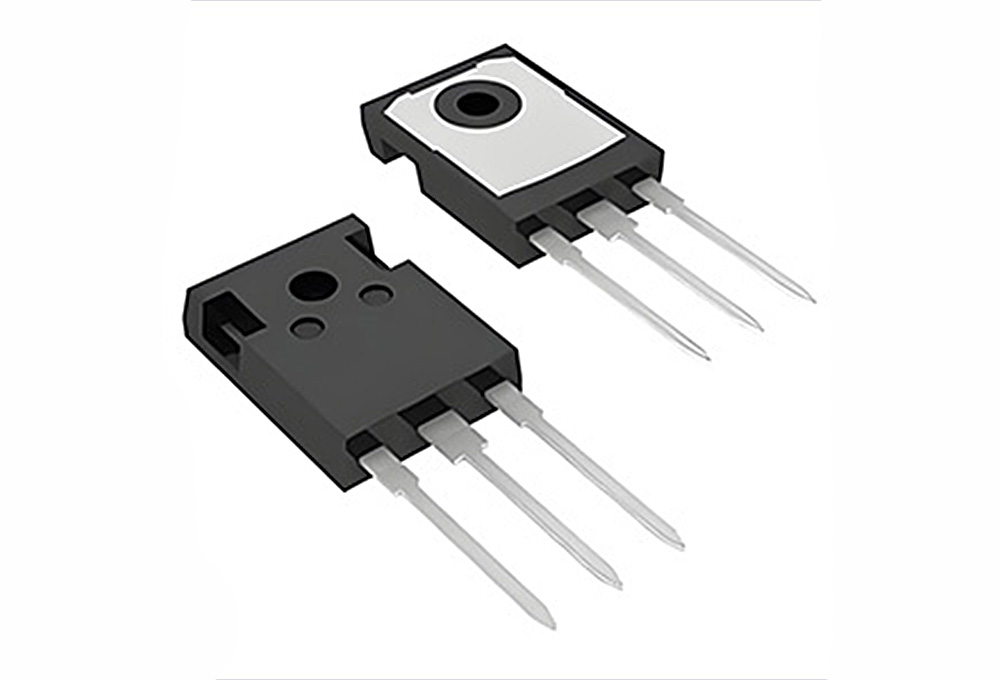
In modern power electronics systems, MOSFETs serve as fundamental switching devices across applications such as power supplies, industrial automation, electric vehicles, and telecommunications infrastructure. As power density continues to increase, thermal management has become a critical factor influencing system reliability, efficiency, and lifespan.
From an engineering perspective, controlling junction temperature is essential. Among the various thermal management techniques, the proper selection and application of thermal paste plays a pivotal role in optimizing heat transfer at critical interfaces.
Understanding Thermal Challenges in MOSFET Applications
During operation, MOSFETs generate heat due to conduction and switching losses. This heat accumulates at the semiconductor junction and must be effectively dissipated through the thermal path, which typically includes:
- Junction-to-case thermal resistance (Rthj-c)
- Case-to-heatsink thermal resistance (Rthc-s)
- Heatsink-to-ambient thermal resistance (Rths-a)
Among these, the case-to-heatsink interface is often underestimated. In reality, microscopic surface irregularities create air gaps that significantly increase thermal resistance. This is where thermal paste becomes indispensable.
The Role of Thermal Paste in MOSFET Cooling
Thermal paste, also known as thermal interface material (TIM), is specifically designed to enhance heat conduction between two solid surfaces. In MOSFET applications, it serves several critical functions:
1. Eliminating Air Gaps
Even precision-machined surfaces contain microscopic imperfections. Thermal paste fills these voids, replacing low-conductivity air with a thermally conductive medium.
2. Reducing Interface Thermal Resistance
By improving surface contact, thermal paste significantly lowers the case-to-heatsink thermal resistance, enabling more efficient heat dissipation.
3. Enhancing System Reliability
A stable and high-quality thermal paste maintains its performance under thermal cycling, preventing issues such as pump-out, خشک-out, or material degradation.
In practical engineering scenarios, optimized use of thermal paste can substantially improve thermal performance, especially in high-power-density MOSFET designs.
Key Selection Criteria for Thermal Paste
Selecting the right thermal paste requires a comprehensive evaluation beyond just thermal conductivity. Engineers should consider the following factors:
1. Thermal Conductivity
Higher conductivity generally improves heat transfer, but system-level performance depends on the entire thermal stack. For most MOSFET applications, a thermal paste with conductivity above 3 W/m·K is recommended.
2. Electrical Insulation
Since MOSFET backplates may be electrically active, thermal paste must provide reliable insulation to prevent short circuits.
3. Long-Term Stability
High-quality thermal paste should resist drying, bleeding, or chemical degradation over time, particularly in high-temperature or cyclic environments.
4. Application Properties
Viscosity, spreadability, and consistency all impact manufacturing efficiency and interface quality. A well-formulated thermal paste ensures uniform coverage without void formation.
Best Practices for Applying Thermal Paste
Even the best thermal paste can underperform if applied incorrectly. Based on engineering experience, the following practices are recommended:
- Apply a thin, uniform layer to minimize thermal resistance
- Avoid excessive material, which can act as a thermal barrier
- Ensure proper mounting pressure to enhance surface contact
- Eliminate trapped air bubbles during application
When combined with optimized heatsink design and airflow management, proper use of thermal paste significantly enhances overall system performance.
Advanced Thermal Paste Solutions for High-Power Applications
With the adoption of wide-bandgap semiconductors such as SiC and GaN MOSFETs, thermal demands have become more stringent. These devices operate at higher temperatures and switching frequencies, requiring advanced thermal paste solutions with:
- Higher thermal conductivity
- Improved thermal stability
- Enhanced resistance to thermal cycling
Modern thermal paste formulations are engineered to meet these challenges, supporting next-generation power electronics designs.
Customized Thermal Paste for Industrial Applications
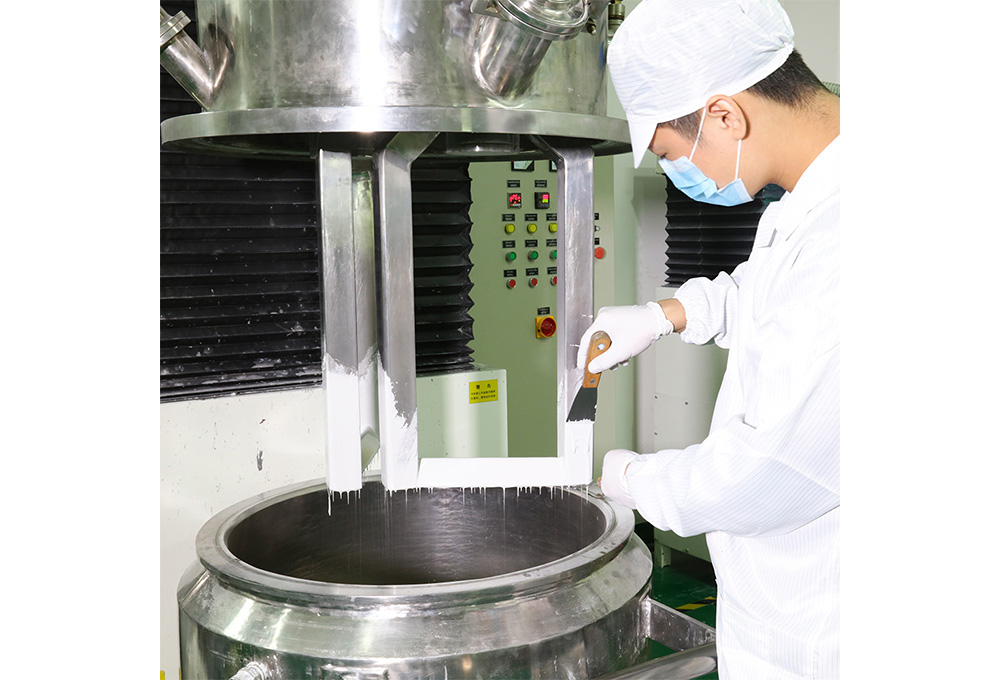
In industrial environments such as inverters, energy storage systems, and automotive electronics, off-the-shelf solutions may not always meet performance and reliability requirements. Customized thermal paste solutions provide a significant advantage.
One example is the engineered solution available at:
High-Performance Thermal Paste Solution
From an engineering standpoint, this type of thermal paste offers:
- Tailored thermal conductivity for specific power levels
- Excellent մակ wettability for improved interface contact
- Reliable performance under long-term thermal stress
- Consistency suitable for large-scale manufacturing
Such solutions are particularly well-suited for:
- High-power MOSFET modules
- Electric vehicle power control units
- Industrial power supplies and converters
Conclusion
Although often overlooked, thermal paste is a critical component in MOSFET thermal management. It directly impacts the efficiency of heat transfer at one of the most important interfaces in the thermal path.
From an engineering perspective, thermal paste should not be treated as a secondary material, but rather as a key factor in ensuring system reliability and performance. As power electronics continue to evolve, the importance of high-performance and application-specific thermal paste solutions will only grow.
Thermal Paste Engineering Guide for CPU and GPU Cooling Systems
High Performance Thermal Paste for Reliable Heat Dissipation
Related Article