Thermal Paste Thermal Conductivity and Thermal Management
Why Thermal Conductivity Matters When Selecting Thermal Paste for Thermal Management
Introduction
As electronic devices continue to become smaller, faster, and more powerful, effective thermal management has become a critical engineering requirement. CPUs, GPUs, power modules, LEDs, automotive electronics, communication equipment, and industrial control systems can all generate significant heat during operation. If this heat cannot be transferred efficiently away from the heat source, excessive operating temperatures may reduce performance, accelerate material degradation, and shorten component service life.
Among the many thermal interface materials available today, thermal paste remains one of the most widely used solutions for applications where the interface between a heat-generating component and a heat sink must achieve low thermal resistance.
From an engineering perspective, however, selecting a thermal paste should not be based solely on its advertised thermal conductivity. Bond-line thickness, surface roughness, viscosity, wetting behavior, operating temperature, electrical properties, dispensing characteristics, and long-term reliability must also be considered.
This article explains why thermal conductivity is important in thermal management and how thermal paste, thermal grease, and thermal gels should be evaluated according to actual application requirements.
What Is Thermal Paste and Why Is It Used?
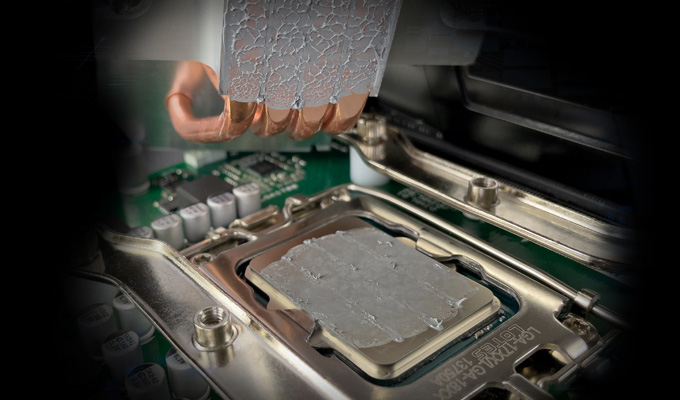
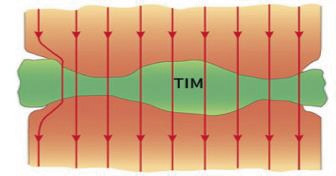
The mating surfaces of an electronic component and heat sink may appear flat, but microscopic surface irregularities remain between them. When these surfaces are assembled directly, microscopic air gaps can form at the interface. Because air has extremely low thermal conductivity compared with most thermal interface materials, these gaps can significantly increase thermal resistance.
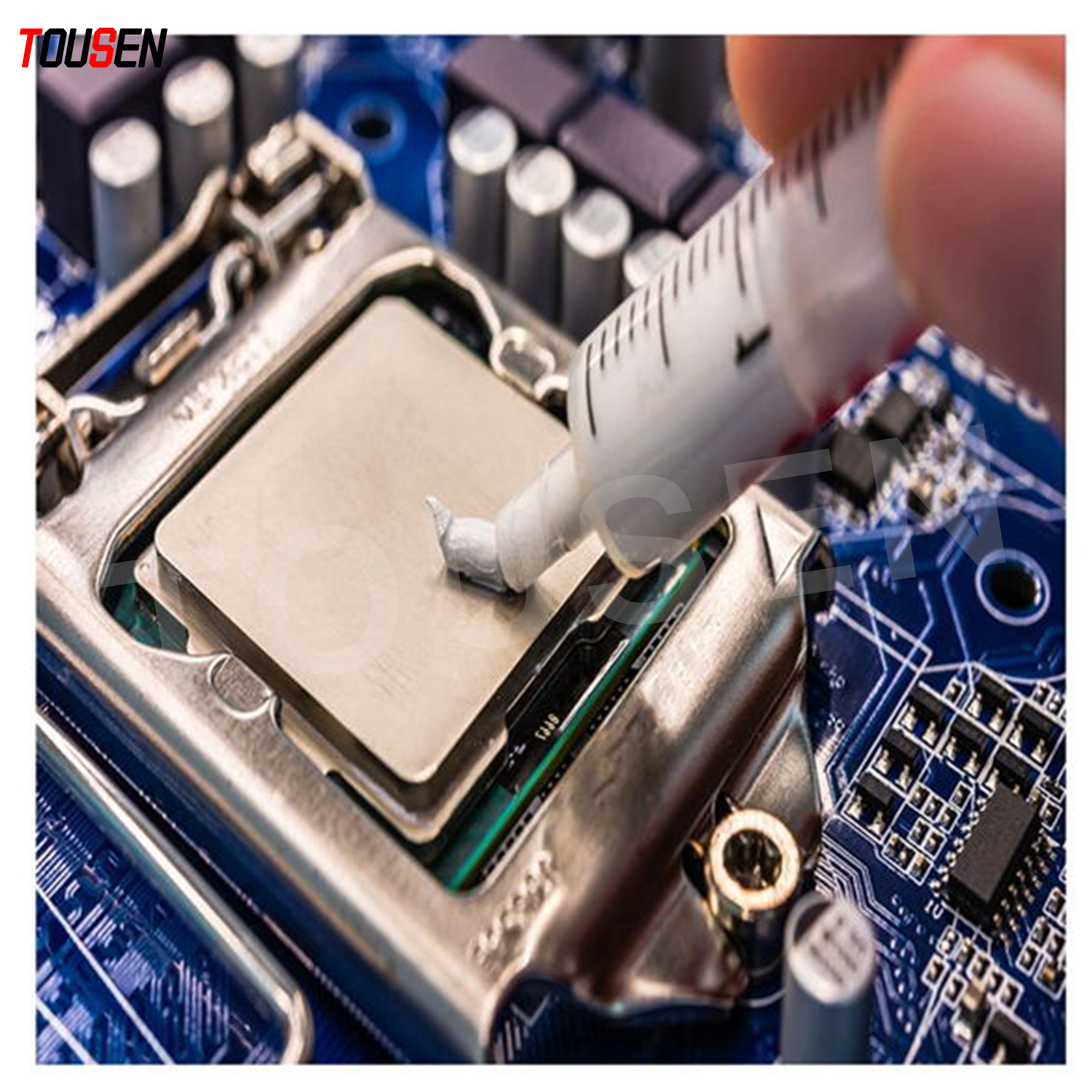
A thermal paste is designed to fill these microscopic gaps and improve thermal contact between the heat source and heat sink. By replacing trapped air with a thermally conductive compound, the interface can provide a more efficient heat-transfer path.
The same basic principle applies to thermal grease. In many engineering applications, the terms thermal paste and thermal grease are used interchangeably to describe viscous thermal interface compounds designed to reduce interfacial thermal resistance.
Thermal gels, by comparison, are generally formulated to provide a softer and more compliant thermal interface. They can be particularly useful where component tolerances, uneven surfaces, or larger interface gaps require greater conformability.
Therefore, the selection of thermal paste, thermal grease, or thermal gels should be based on the mechanical structure, thermal requirements, manufacturing process, and reliability objectives of the application.
Why Thermal Conductivity Is Important
Thermal conductivity, typically expressed in W/m·K, indicates a material's ability to conduct heat. For a thermal interface material, higher thermal conductivity generally provides greater potential for efficient heat transfer under comparable conditions.
However, an important engineering principle is that thermal conductivity alone does not determine the final thermal performance of a thermal interface material.
A simplified thermal resistance relationship can be expressed as:
R = L / (k × A)
- R represents thermal resistance.
- L represents the thickness of the thermal interface layer.
- k represents thermal conductivity.
- A represents the effective contact area.
This relationship demonstrates why both material conductivity and application thickness matter. Increasing the thermal conductivity of a thermal paste can reduce the material's contribution to thermal resistance. However, if the compound is applied excessively thick, the additional bond-line thickness can offset part of the expected thermal benefit.
For this reason, engineers should evaluate a thermal paste based on the complete thermal interface rather than focusing on a single specification.
Thermal Conductivity vs. Actual Thermal Performance
One common mistake during thermal material selection is comparing products solely according to their advertised thermal conductivity values.
In real-world applications, several additional factors influence thermal performance.
1. Bond-Line Thickness
The thickness of the thermal interface layer directly affects thermal resistance. A high-conductivity thermal paste applied too thickly may not deliver the expected thermal performance.
The engineering objective is therefore not simply to use more material, but to achieve an appropriate and consistent interface thickness across the contact area.
2. Surface Wetting
Good surface wetting allows the compound to fill microscopic surface irregularities and minimize trapped air at the interface.
This characteristic is particularly important for interfaces involving aluminum, copper, nickel-plated surfaces, ceramic substrates, semiconductor packages, and other electronic components.
3. Viscosity and Dispensing
The viscosity of a thermal paste can have a direct impact on manufacturing performance. For automated production, engineers should determine whether the material can be dispensed consistently through the selected equipment and process.
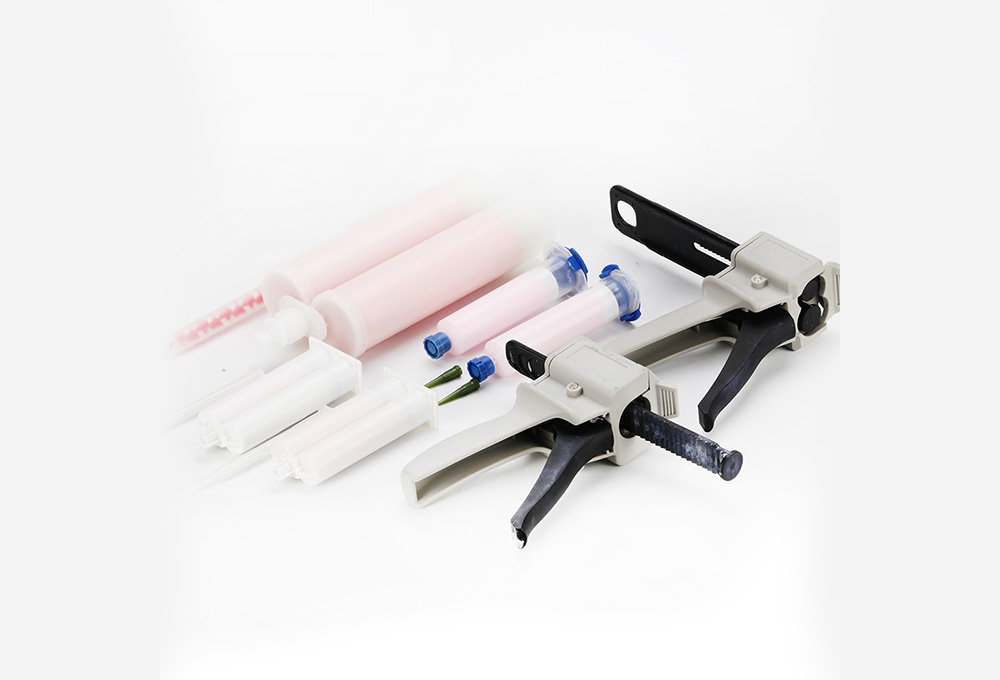
Stencil printing, screen printing, automated dispensing, jet dispensing, and manual application can impose different material requirements. A compound that provides good thermal performance but cannot maintain consistent application thickness may introduce unacceptable process variation.
4. Temperature Stability
Many electronic applications expose thermal interface materials to continuous heating and cooling cycles.
Repeated thermal cycling can cause mechanical changes within the interface. Engineers should therefore consider operating temperature range, volatility, pump-out resistance, separation characteristics, and long-term thermal stability when evaluating a thermal paste.
5. Electrical Requirements
Some applications require electrically insulating thermal interface materials, while others may tolerate electrically conductive materials.
For power electronics, automotive electronics, battery systems, and high-voltage equipment, electrical insulation can be just as important as thermal conductivity. The electrical requirements of the final assembly should therefore be established before selecting the appropriate thermal interface material.
Thermal Paste vs. Thermal Grease vs. Thermal Gels
Although these materials can serve similar thermal management functions, their engineering characteristics are not identical.
Thermal paste is commonly selected where efficient heat transfer, low interfacial resistance, and controlled application are important.
Thermal grease provides similar interface-filling functionality and is widely used between semiconductor devices and heat sinks.
Thermal gels are typically more compliant and can accommodate larger gaps, uneven surfaces, or component height variations. They may therefore be advantageous in assemblies where mechanical tolerance and soft contact are important.
The correct material depends on the actual thermal path and mechanical design.
For CPU or GPU heat-sink interfaces, thermal paste or thermal grease may be appropriate. For components with larger or variable interface gaps, thermal gels or other gap-filling materials may provide better mechanical conformity.
This is why engineers should avoid selecting a thermal interface material simply because it has the highest nominal thermal conductivity.
TSAS50 Thermal Paste for Practical Thermal Management
For applications requiring a conventional paste-type thermal interface material, TOUSEN offers TSAS50 Thermal Paste as one of its thermal management solutions.
Learn more about TOUSEN TSAS50 Thermal Paste
TSAS50 can be evaluated for applications where efficient heat transfer between a heat-generating component and a heat dissipation structure is required.
From an engineering standpoint, the material should be evaluated together with the complete assembly design, including:
- Heat source power and heat flux
- Required thermal resistance
- Effective contact area
- Target bond-line thickness
- Surface condition and roughness
- Dispensing or application method
- Operating temperature
- Thermal cycling conditions
- Long-term reliability requirements
This approach allows engineers to determine whether a thermal paste is the appropriate solution rather than selecting a material based only on its nominal thermal conductivity.
For production applications, dispensing consistency and process compatibility should also be evaluated before moving to mass production. A stable application process helps maintain consistent thermal performance across production units.
How Engineers Should Select Thermal Paste
A practical thermal interface material selection process can begin with five key questions.
1. What Is the Heat Load?
Determine the approximate heat generated by the component and establish the maximum allowable operating temperature.
2. What Is the Available Thermal Path?
Analyze the complete heat-transfer path from the heat-generating device to the heat sink, chassis, cold plate, or other cooling structure.
3. What Interface Thickness Can Be Achieved?
The thickness of the thermal interface layer can have a significant effect on thermal resistance. Application control is therefore essential.
4. What Manufacturing Process Will Be Used?
The selected material must be compatible with the actual dispensing, printing, coating, or assembly process.
5. What Reliability Conditions Must Be Satisfied?
Temperature cycling, vibration, humidity, aging, mechanical movement, and long-term operating conditions should be evaluated according to the specific application.
This systematic approach is generally more reliable than choosing a thermal paste solely according to its W/m·K rating.
Thermal Conductivity Is Only One Part of the Equation
For engineers, the most important conclusion is that thermal conductivity is a fundamental but not isolated performance parameter.
A material with higher thermal conductivity has greater heat-transfer capability under comparable conditions, but final thermal performance depends on the entire thermal interface system.
A properly selected thermal paste must work together with the component surface, heat sink, application process, interface thickness, and operating environment.
Similarly, thermal grease and thermal gels should be selected according to their specific thermal and mechanical characteristics rather than treated as interchangeable materials.
In high-performance electronics, even a relatively small reduction in interface thermal resistance can contribute to lower component temperatures. Lower operating temperatures may improve system stability, reduce thermal stress, and support longer component life.
Thermal interface material selection should therefore be treated as part of the overall thermal architecture rather than as an isolated purchasing decision.
Conclusion
As electronic systems continue to increase in power density, thermal management requirements are becoming increasingly demanding. Thermal paste, thermal grease, and thermal gels each have specific characteristics and application scenarios.
Thermal conductivity remains an important specification because it directly influences the material's ability to transfer heat. However, engineers should evaluate thermal conductivity together with interface thickness, surface wetting, viscosity, processing characteristics, operating temperature, electrical properties, and long-term reliability.
For applications requiring a paste-type thermal interface material, TOUSEN TSAS50 Thermal Paste provides an option for engineers and thermal designers to evaluate within their specific thermal management systems.
The most effective thermal solution is not necessarily the material with the highest advertised thermal conductivity. Instead, it is the material that delivers the required thermal performance consistently under the actual mechanical, manufacturing, and environmental conditions of the final product.
Thermal Paste Thermal Grease and Thermal Gels for Heat Management
Related Article