Single Component Thermal Gel for Advanced Electronic Cooling
Single Component Thermal Gel for Advanced Electronic Thermal Management Applications
As electronic devices continue to evolve toward higher power density, smaller form factors, and increased computing performance, thermal management has become a critical engineering challenge. Applications such as AI servers, electric vehicles, power electronics, telecommunications equipment, and industrial control systems require reliable thermal solutions that can maintain stable performance under continuous operation.
In modern electronic assemblies, microscopic air gaps between heat-generating components and heat spreaders can significantly increase thermal resistance due to the extremely low thermal conductivity of air. To improve heat transfer efficiency, engineers rely on advanced Thermal Interface Materials (TIMs) to fill these gaps and create a more effective thermal pathway.
Among various TIM solutions, Thermal Gel has gained increasing attention because of its excellent gap-filling capability, low mechanical stress, and compatibility with automated dispensing processes. Compared with traditional thermal materials such as thermal grease, thermal pads, and two-component thermal gap fillers, a single component Thermal Gel provides a more flexible and reliable solution for next-generation electronic thermal management.
What Is Thermal Gel and Why Is It Important?
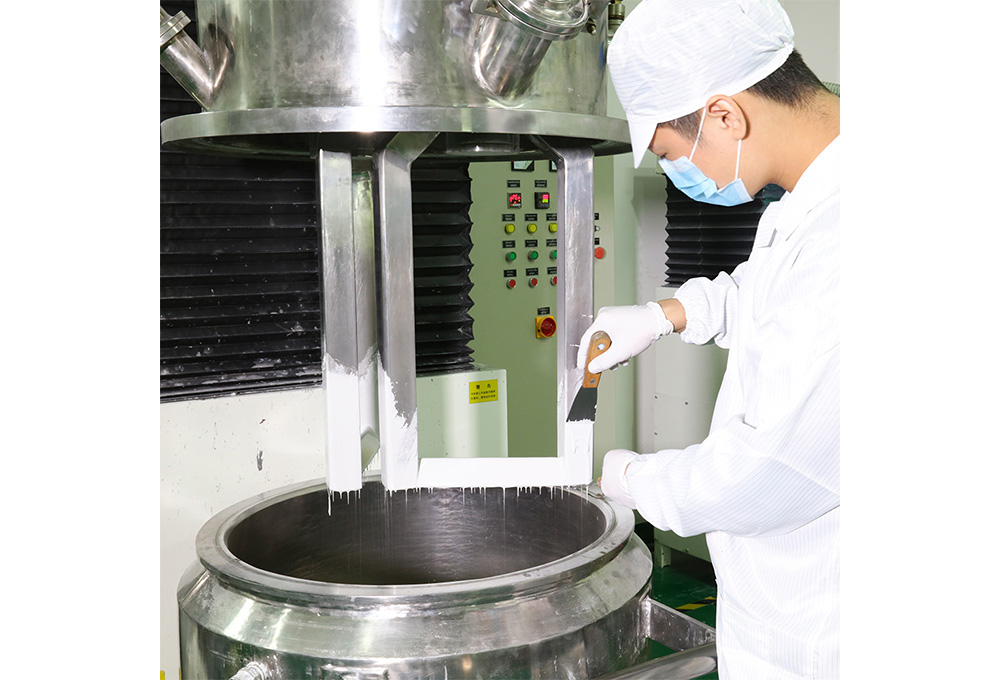
Thermal Gel is a soft and highly compliant thermal interface material designed to transfer heat efficiently between electronic components and cooling structures. It typically consists of a silicone-based polymer matrix filled with highly conductive particles, allowing the material to flow into uneven surfaces and microscopic gaps.
From an engineering perspective, the performance of a Thermal Gel solution is not only determined by thermal conductivity. Other key factors, including interface contact resistance, long-term stability, mechanical stress, processing efficiency, and reliability under thermal cycling, are equally important.
A high-quality Thermal Gel helps engineers achieve:
- Lower thermal resistance between heat sources and heat sinks
- Better surface conformity for complex mechanical structures
- Reduced stress on sensitive electronic components
- Improved manufacturing efficiency through automated dispensing
- Long-term thermal reliability under harsh operating conditions
Single Component Thermal Gel vs Traditional Thermal Materials
1. Thermal Gel Compared with Thermal Grease
Thermal grease has been widely used in CPUs, GPUs, and power electronics due to its excellent initial wetting performance. However, during long-term operation, thermal grease may experience issues such as pump-out, oil separation, and drying caused by repeated temperature fluctuations.
These problems become more critical in applications exposed to continuous thermal cycling, vibration, and mechanical stress, such as automotive electronics and industrial power systems.
A Single Component Thermal Gel maintains a stable gel structure while remaining flexible over extended periods. This reduces material migration risks and provides a more consistent thermal interface compared with conventional thermal grease.
2. Thermal Gel Compared with Thermal Pads
Thermal pads are widely adopted because of their easy installation, electrical insulation properties, and controlled thickness. However, fixed-thickness thermal pads may have limitations when electronic assemblies contain uneven component heights, complex geometries, or variable gap distances.
Thermal Gel provides a significant advantage by adapting to different gap conditions through dispensing. Instead of relying on a standard pad thickness, engineers can precisely control material volume according to the actual structure.
This makes Thermal Gel particularly suitable for applications including:
- High-performance computing systems
- GPU and CPU cooling modules
- Battery management systems
- Power semiconductor assemblies
- 5G communication equipment
3. Thermal Gel Compared with Two Component Thermal Gap Fillers
Two-component thermal gap fillers are commonly used in high-performance thermal applications. However, these materials require accurate mixing ratios, additional dispensing equipment, and strict process control during manufacturing.
A single component Thermal Gel eliminates the need for on-site mixing, reducing production complexity and improving process consistency. For high-volume electronics manufacturing, this simplified process can significantly improve efficiency and reduce potential quality risks.
TOUSEN SE Series Thermal Gel for Advanced Electronics Cooling
To address the increasing demand for reliable thermal management materials, TOUSEN developed the SE Series Thermal Gel for applications requiring high reliability, excellent gap filling, and efficient automated processing.
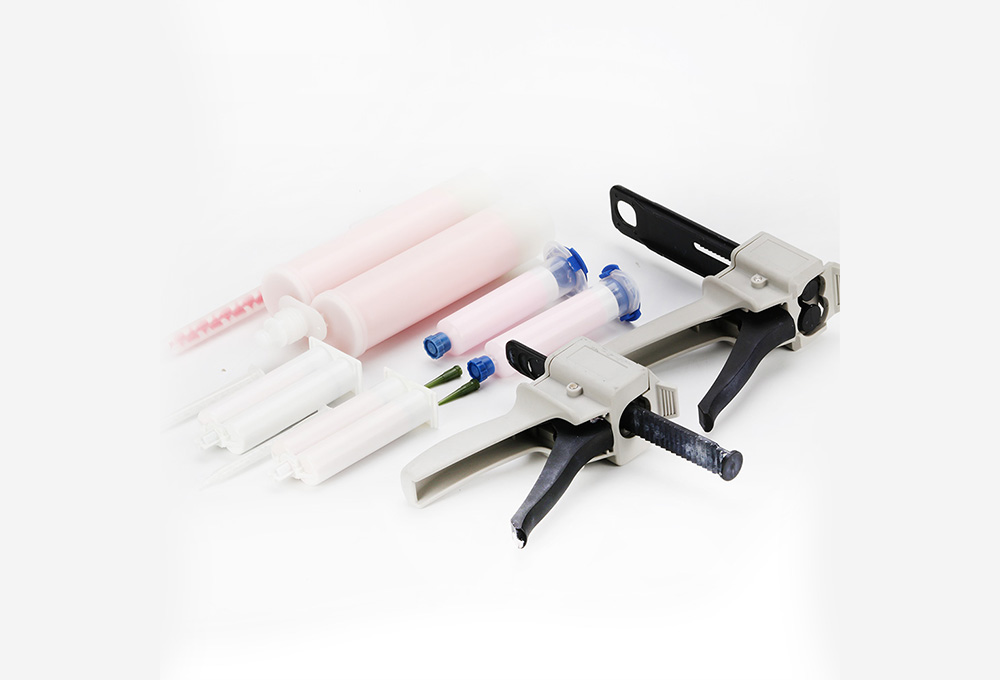
The SE Series Thermal Gel is designed as a single component thermal interface solution, allowing direct dispensing without the need for A/B material mixing. This feature makes it suitable for modern automated manufacturing environments where consistency and production efficiency are essential.
Key Advantages of SE Series Thermal Gel
Excellent Gap Filling Performance
SE Series Thermal Gel provides outstanding flow characteristics and surface conformity, allowing it to fill irregular gaps between electronic components and heat dissipation structures. By improving surface contact, the material helps reduce interface thermal resistance and enhance overall cooling performance.
Low Mechanical Stress Protection
Modern electronic components are becoming increasingly sensitive to mechanical stress. Excessive pressure during assembly may affect solder joints, semiconductor packages, and delicate circuit structures.
Due to its soft and compliant characteristics, SE Series Thermal Gel minimizes mechanical stress while maintaining effective heat transfer performance.
Optimized for Automated Manufacturing
Unlike manually applied thermal materials, SE Series Thermal Gel supports automated dispensing processes. This enables more accurate material application, improved production repeatability, and better manufacturing efficiency.
Long-Term Thermal Reliability
Electronic devices used in automotive, industrial, and computing environments often require years of stable operation. Therefore, thermal materials must maintain consistent performance under continuous temperature changes.
SE Series Thermal Gel is engineered to provide long-term reliability for demanding thermal management applications.
Applications of Thermal Gel in Electronics
AI Servers and Data Center Equipment
The rapid development of artificial intelligence computing has increased the thermal load of CPUs, GPUs, and power conversion systems. Thermal Gel helps improve heat transfer efficiency in high-performance computing systems by filling microscopic interface gaps between components and cooling solutions.
Electric Vehicle Electronics
Electric vehicles require reliable thermal control for battery management systems, power modules, and electronic control units. Thermal Gel provides flexible gap filling and vibration resistance, making it suitable for automotive electronic applications.
Power Semiconductor Devices
IGBT modules, MOSFETs, and power converters generate significant heat during operation. Thermal Gel helps reduce thermal resistance while maintaining low mechanical stress, supporting improved device reliability.
Telecommunication Equipment
5G infrastructure and communication devices require compact and efficient cooling solutions. The dispensing flexibility of Thermal Gel allows engineers to optimize thermal designs where space is limited.
How Engineers Select the Right Thermal Gel Solution
When selecting a Thermal Gel material, engineers should evaluate multiple performance factors rather than focusing only on thermal conductivity.
- Thermal Performance: The material should match the heat output and cooling requirements of the application.
- Viscosity and Dispensing Characteristics: Proper flow behavior is essential for automated manufacturing.
- Long-Term Reliability: Resistance to thermal cycling, aging, and environmental stress should be considered.
- Electrical Properties: Insulation performance may be required depending on the application structure.
- Manufacturing Compatibility: Single component solutions can simplify production processes and improve consistency.
Conclusion: Thermal Gel as a Future-Oriented Thermal Management Solution
As electronic systems continue to increase in power density and integration level, traditional thermal materials may not satisfy every application requirement. A well-designed Thermal Gel solution provides engineers with greater flexibility through excellent gap filling, low stress performance, automated processing capability, and long-term reliability.
TOUSEN SE Series Thermal Gel is developed for advanced electronic thermal management applications, including servers, electric vehicles, communication systems, and power electronics. By optimizing thermal interface performance, Thermal Gel helps manufacturers improve product reliability and achieve more efficient cooling designs.
With the continued development of high-performance electronics, Thermal Gel will play an increasingly important role in next-generation thermal management technologies.
SEO Keywords
Thermal Gel, Single Component Thermal Gel, Thermal Interface Material, Thermal Gap Filler, Electronic Thermal Management, Conductive Thermal Gel, Silicone Thermal Gel, Advanced Thermal Management Solution
SEO Title
Single Component Thermal Gel for Advanced Electronics Cooling
SEO Description
Discover how Single Component Thermal Gel improves electronic thermal management with low stress, excellent gap filling, and automated dispensing advantages for servers, EVs and power devices.
Overview
Thermal Gel is becoming a key thermal interface solution for modern electronics. This article explains the advantages of single component Thermal Gel compared with thermal grease, pads, and gap fillers from an engineering perspective.
Thermal Gel Solutions for Advanced Electronic Thermal Management
Why Thixotropy Matters in Thermal Paste for Long Term Thermal Management
Related Article