Battery Pack Thermal Runaway Mitigation Materials & Design Guide
TOUSEN Battery Pack Safety System Management (三)
ーーMaterial-Based Strategies for Thermal Runaway Mitigation in Battery Packs
As lithium-ion batteries continue to increase in energy density, thermal runaway mitigation has become a central concern in battery pack safety. While monitoring systems and electronic controls play an essential role in early-stage risk reduction, their effectiveness rapidly decreases once thermal runaway is initiated. At this critical stage, material-based engineering strategies determine whether thermal events remain localized or propagate throughout the battery pack.

1. Introduction: Why Materials Matter in Thermal Runaway Mitigation
Previous articles in this series have established that battery safety must be treated as a system-level challenge rather than a single-point design problem. In particular, thermal runaway management focuses on understanding the mechanisms that drive rapid temperature escalation and chain reactions between cells. Once these processes begin, physical materials surrounding the cells become the final and most reliable line of defense.
Material-based solutions do not replace electronic protection systems; instead, they complement them by providing passive, fail-safe protection when active control is no longer sufficient.
2. Material-Based Approaches to Post-Initiation Thermal Runaway Control
Thermal runaway mitigation can be divided into two distinct stages: pre-initiation prevention and post-initiation control. While the former relies heavily on battery management systems and operational limits, the latter depends almost entirely on material performance.
As discussed in battery pack safety system management, materials play a decisive role once internal cell temperatures exceed critical thresholds. Their primary functions include delaying heat transfer, reducing peak temperatures, and limiting the propagation of flames and hot gases.
3. Thermal Barrier Materials for Slowing Heat Propagation
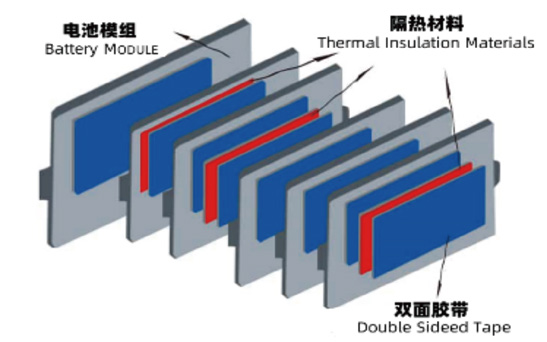
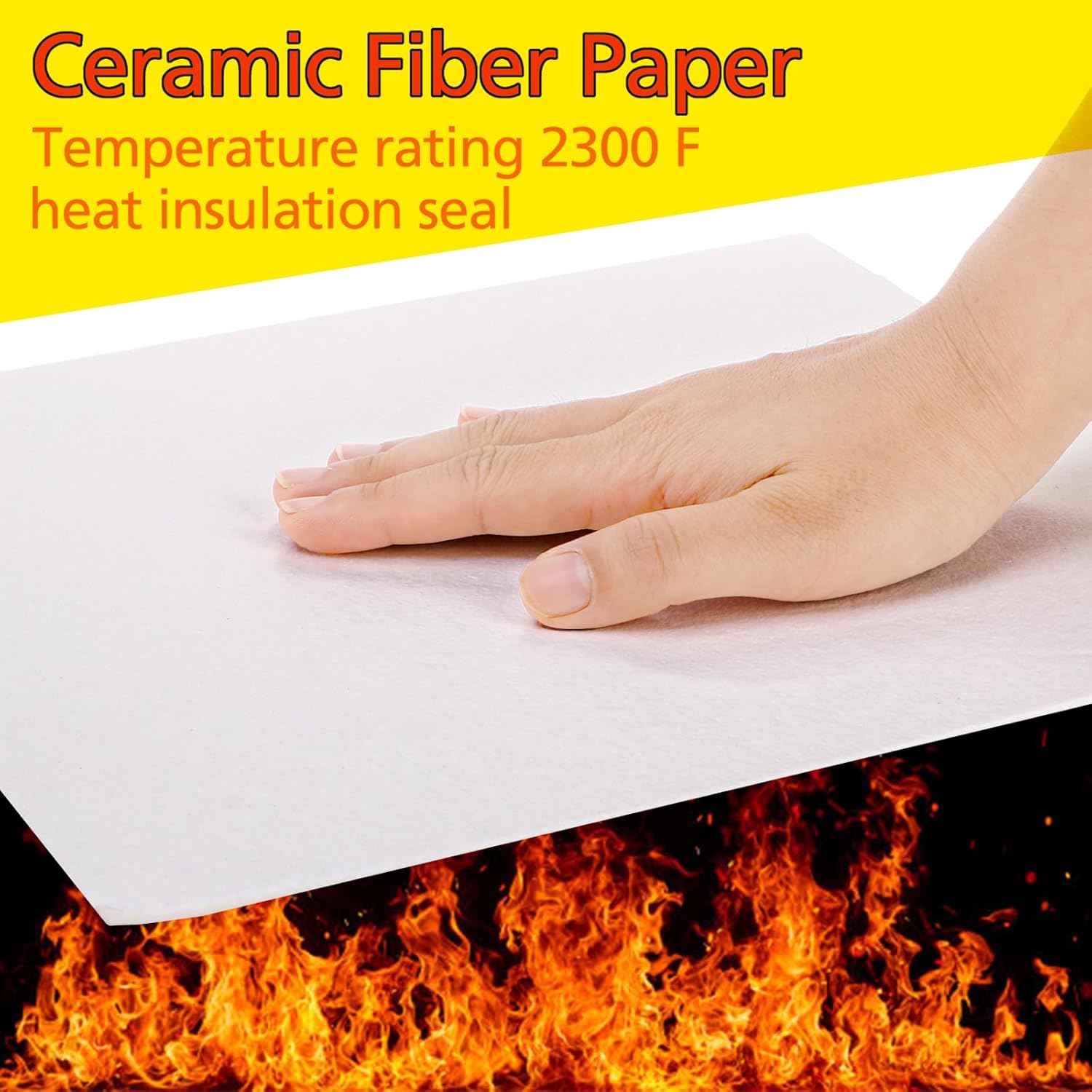
Thermal barrier materials are designed to slow the transfer of heat from a runaway cell to neighboring cells or modules. Their effectiveness depends on low thermal conductivity, high temperature resistance, and stability under rapid thermal shock.
Low Thermal Conductivity and High-Temperature Stability
Unlike conventional insulation used for steady-state thermal management, thermal barriers for battery safety must withstand short-duration exposure to extreme temperatures. Materials with stable microstructures and minimal shrinkage at elevated temperatures are particularly valuable in this application.
Engineering Trade-Offs in Battery Pack Design
Increasing barrier thickness can improve insulation performance, but it also reduces available space for active materials. Engineers must carefully balance thermal protection with energy density, weight, and manufacturability constraints.
4. Flame-Retardant and Fire-Resistant Materials in Battery Safety
Thermal runaway events are often accompanied by flame jets and the release of flammable gases. In these conditions, flame retardant materials play a critical role in preventing fire propagation within the battery pack.
Flame Retardancy vs. Fire Resistance
Flame-retardant materials are designed to slow or suppress flame spread, while fire-resistant materials maintain structural integrity under direct flame exposure. Effective battery safety design often requires a combination of both properties.
Material Behavior Under Extreme Thermal Conditions
The long-term stability of flame-retardant materials must also be considered. Additives or surface treatments may affect mechanical strength, aging performance, and environmental compliance, all of which are critical in automotive and energy storage applications.
5. Structural and Mechanical Isolation Using Advanced Materials
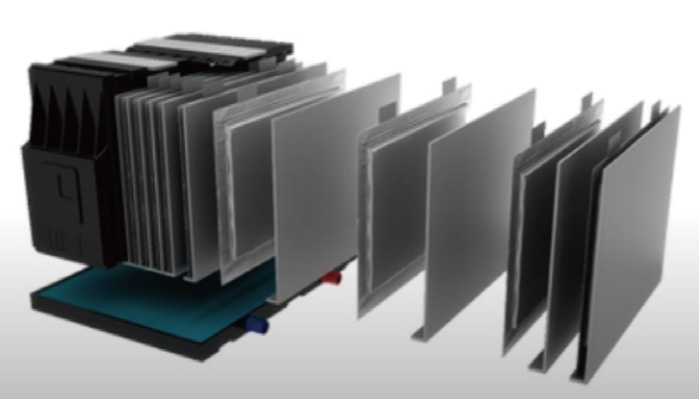
Material-based mitigation strategies extend beyond thermal and chemical properties. Mechanical isolation between cells and modules is essential for preventing cascading failures during thermal runaway.
Mechanical Separation Between Cells
During a thermal event, cells may swell, rupture, or eject debris. Structural materials must absorb these forces without transmitting damage to adjacent cells.
Structural Stability During Thermal Runaway
High-temperature mechanical strength and controlled deformation behavior are key factors in maintaining module integrity under extreme conditions.
6. Gas, Pressure, and Venting Material Solutions
Thermal runaway generates large volumes of hot gases, leading to rapid pressure buildup within the battery enclosure. If not properly managed, this pressure can cause uncontrolled venting or enclosure rupture.
Gas and pressure management materials include high-temperature seals, venting components, and protective coatings that maintain functionality during extreme thermal events.
7. System-Level Optimization Through Material Synergy
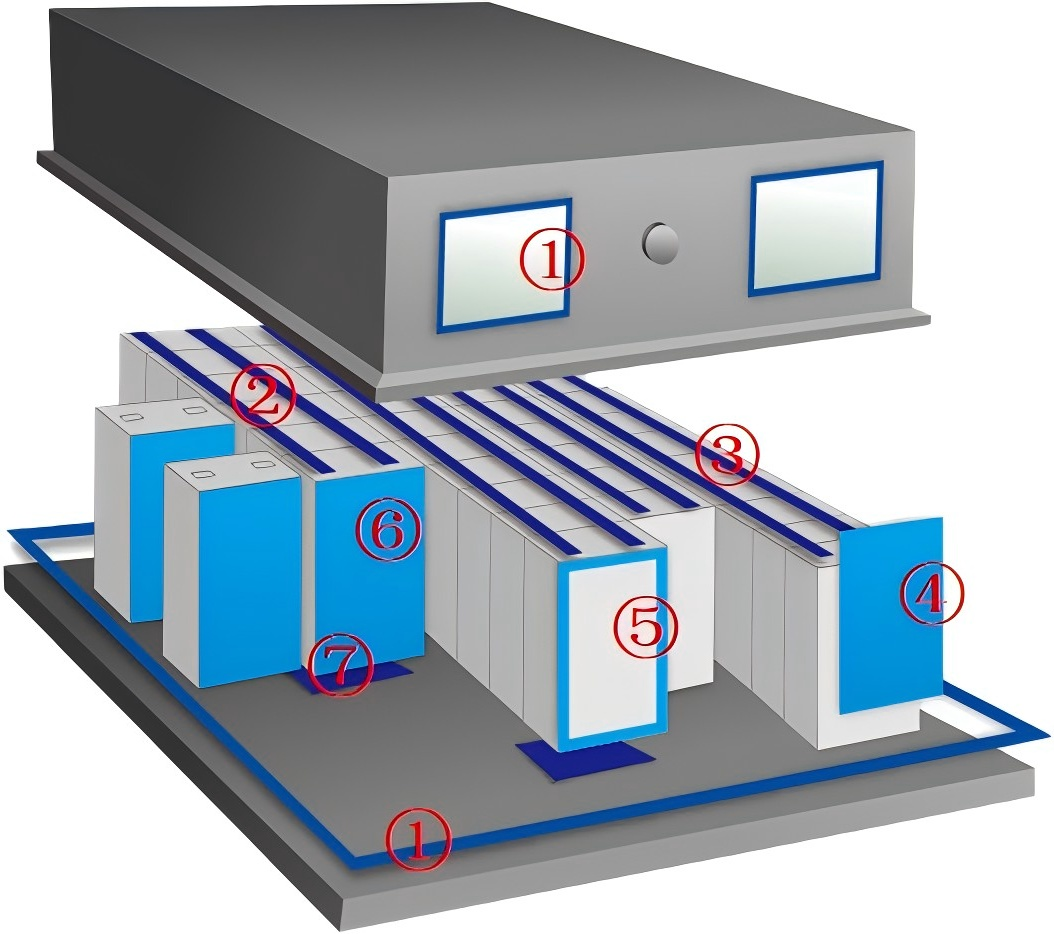
No single material can address all aspects of thermal runaway mitigation. Effective solutions rely on material synergy, where thermal barriers, flame-retardant layers, structural components, and venting systems work together.
System-level optimization requires careful coordination between material selection, mechanical design, and manufacturing processes to ensure reliable performance under real-world conditions.
8. Testing, Validation, and Engineering Constraints
Material performance during thermal runaway cannot be fully predicted through simulation alone. Full-scale testing at module and pack levels remains essential for validating mitigation strategies.
Engineers must also consider cost, scalability, and supply chain stability when selecting materials for mass production.
9. Conclusion: Materials as the Final Line of Defense
As battery energy density continues to increase, thermal runaway mitigation will remain a central challenge in battery pack design. While electronic monitoring systems are essential for prevention, material-based strategies become decisive once thermal runaway is initiated.
Through the careful integration of thermal barriers, flame-retardant materials, structural components, and gas management solutions, engineers can significantly reduce the severity and propagation of thermal events. Future articles in this series will focus on material selection principles and design guidelines for specific battery pack architectures.
Battery Pack Thermal Runaway Mitigation Series (四) – Engineering Implementation
Thermal Interface Pads for EV Battery and Energy Storage Systems | TOUSEN
Related Article