Best Thermal Paste for CPU: Engineer-Level Thermal Interface Analysis
An Engineer’s Perspective: How to Select the Best Thermal Paste for Reliable CPU Cooling
In high-performance computing systems and industrial electronics, thermal management is no longer a secondary consideration—it is a core engineering requirement. From my experience as a thermal materials engineer, the selection of an appropriate cpu thermal paste plays a decisive role in system stability, performance consistency, and component lifespan. This article provides a technically grounded and objective discussion on what defines the best thermal paste, how to evaluate the best thermal paste for cpu applications, and how modern thermal interface materials perform under real operating conditions.
The Role of CPU Thermal Paste in Heat Transfer
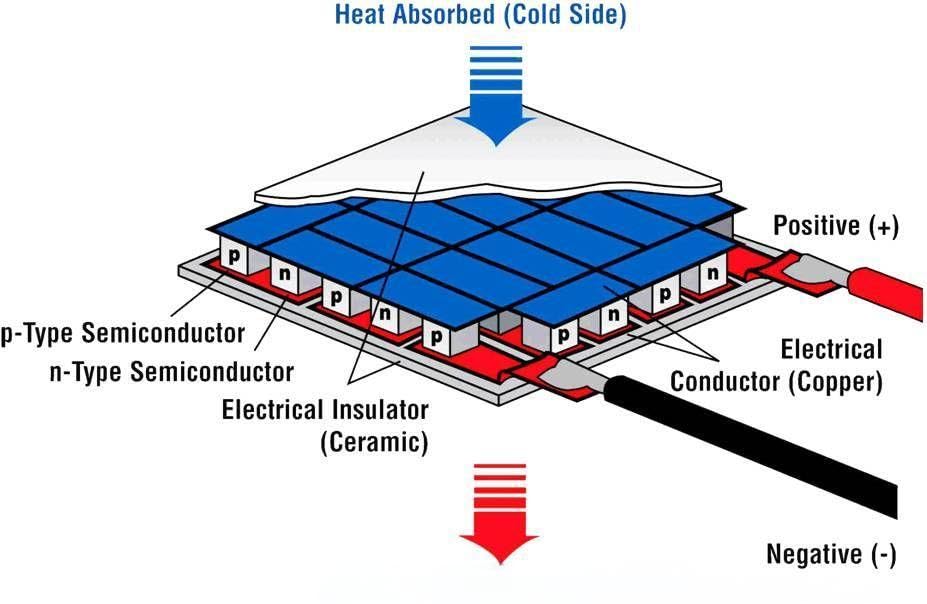
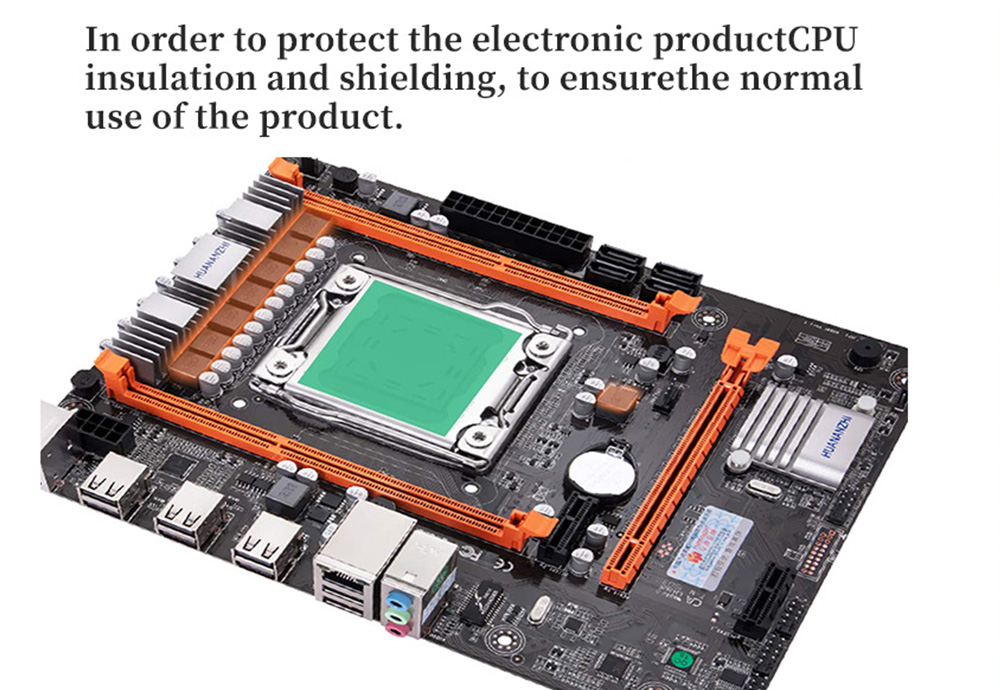
A cpu thermal paste is designed to minimize thermal resistance between a processor and its heat sink. Even surfaces that appear smooth at a macroscopic level contain microscopic voids that trap air, a poor thermal conductor. Thermal paste fills these voids, enabling efficient heat transfer from the CPU die to the cooling solution.
From an engineering standpoint, the effectiveness of a thermal interface material directly affects junction temperature, thermal throttling thresholds, and long-term reliability. Selecting the best thermal paste therefore requires more than marketing claims—it demands verifiable performance data and application-specific evaluation.
What Defines the Best Thermal Paste?
The term best thermal paste does not refer to a single metric, but rather a balance of multiple performance parameters. When engineers evaluate the best thermal paste for cpu usage, the following criteria are essential:
- Thermal Conductivity: Higher conductivity generally enables faster heat transfer.
- Low Thermal Resistance: Indicates efficient heat flow across the interface.
- Application Stability: Proper viscosity and spreadability ensure consistent bonding.
- Long-Term Reliability: Resistance to pump-out, drying, and thermal degradation.
- Material Compatibility: Safe interaction with copper, aluminum, and common CPU substrates.
Only a cpu thermal paste that performs consistently across these parameters can be reasonably classified as the best thermal paste for demanding applications.
Common Engineering Misconceptions
In practice, several misconceptions often appear when selecting the best thermal paste for cpu cooling:
- Focusing solely on advertised thermal conductivity: Laboratory values do not always translate directly to real-world performance.
- Ignoring operating conditions: Desktop CPUs, servers, and industrial processors impose different thermal stresses.
- Overlooking aging effects: A high-performing cpu thermal paste must maintain properties after thousands of thermal cycles.
Engineering Evaluation Methods
To objectively determine the best thermal paste, engineers typically rely on a combination of standardized testing and real-system validation:
1. Laboratory Thermal Testing
Using controlled heat flux and temperature gradient measurements, engineers quantify thermal conductivity and interface resistance. Repeatability and consistency are critical when comparing different cpu thermal paste formulations.
2. System-Level CPU Testing
Actual CPU stress tests under sustained load provide meaningful insight into how a best thermal paste for cpu performs in real environments. Junction temperature stability and cooldown behavior are particularly important indicators.
3. Reliability and Aging Tests
Long-term thermal cycling tests simulate years of operation. A best thermal paste must demonstrate minimal performance degradation over time.
Recommended Solution: TSAD90 Plus Thermally Conductive Paste
Based on internal testing, comparative benchmarking, and field application data, TSAD90 Plus Thermally Conductive Paste stands out as a highly reliable cpu thermal paste solution for both commercial and industrial use.
Product page: TSAD90 Plus Thermally Conductive Paste

Key Technical Advantages
- High thermal conductivity: Supports efficient heat dissipation under high CPU loads.
- Low interface thermal resistance: Enhances heat transfer consistency.
- Excellent material compatibility: Suitable for CPUs, GPUs, and power devices.
- Proven long-term stability: Maintains performance after extensive thermal cycling.
From an engineer’s perspective, TSAD90 Plus demonstrates the characteristics expected of a best thermal paste for cpu environments where stability and reliability are non-negotiable.
Application-Specific Recommendations
High-Performance Desktops and Workstations
Overclocked CPUs and content-creation systems benefit significantly from a best thermal paste with high conductivity and stable viscosity to prevent temperature spikes and throttling.
Servers and Data Centers
For 24/7 operation, selecting a cpu thermal paste with proven aging resistance reduces maintenance cycles and operational risk.
Industrial and Embedded Systems
In harsh thermal environments, long-term reliability defines the best thermal paste for cpu use, making validated engineering-grade materials essential.
Conclusion
Selecting the best thermal paste is a critical engineering decision that directly influences CPU performance, system stability, and product longevity. By focusing on measurable performance parameters, application conditions, and long-term reliability, engineers can make informed choices when selecting a cpu thermal paste.
With its balanced thermal performance and proven stability, TSAD90 Plus represents a practical and dependable best thermal paste for cpu applications across consumer, enterprise, and industrial markets.
Thermal Paste for CPU: Best Thermal Compound & Application Guide
Best Thermal Paste for CPU: Engineering Guide to CPU Thermal Paste
Related Article