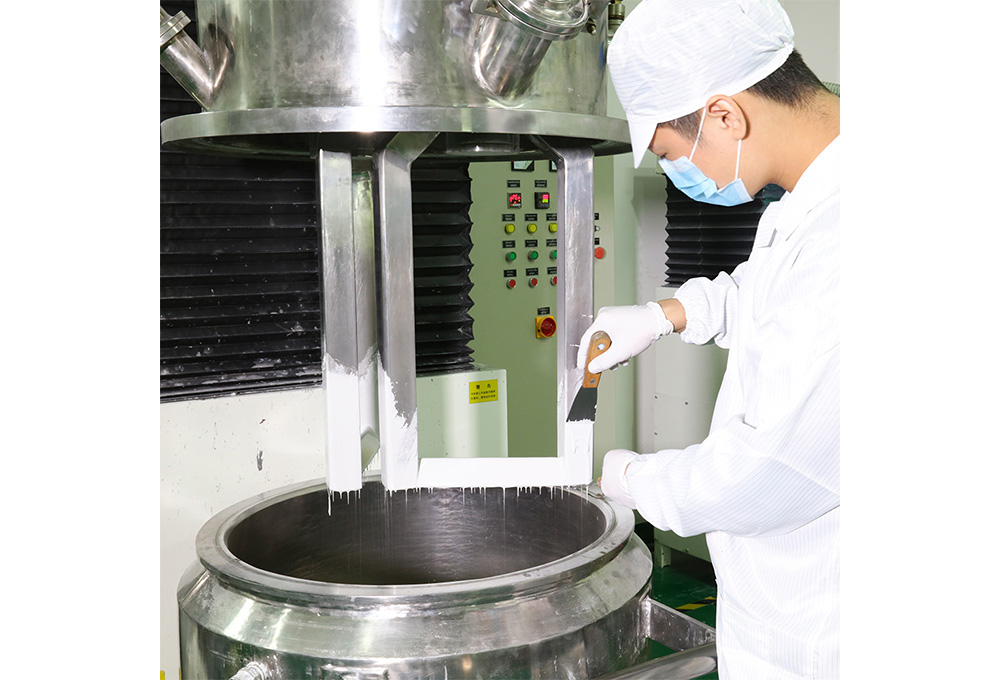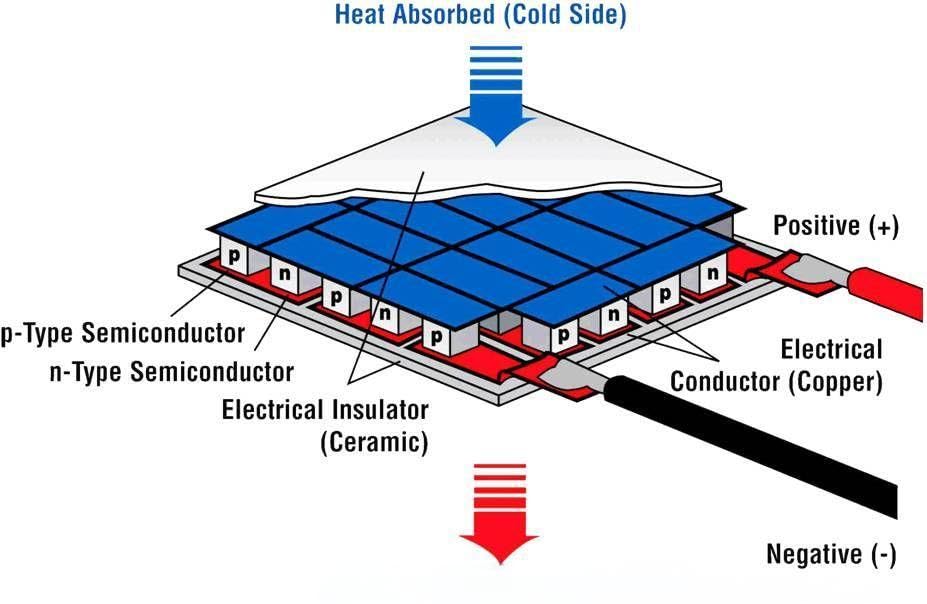
Best Buy Thermal Paste Guide | Best Thermal Compound for Heatsink
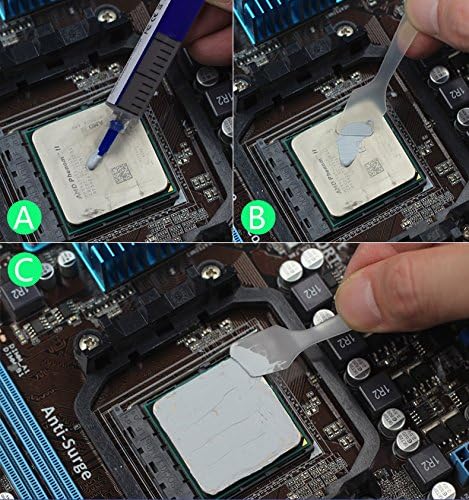
From an Engineering Perspective: How to Select a Truly High-Performance Thermal Paste
In modern electronic system design, thermal management is no longer a secondary consideration. Whether in high-performance servers, gaming platforms, power electronics, renewable energy systems, or communication infrastructure, effective heat dissipation directly determines reliability, lifespan, and overall system stability. Thermal interface materials (TIMs), especially thermal paste, play a critical role in bridging microscopic air gaps between heat sources and cooling devices.
In the market, engineers frequently encounter search terms such as best buy thermal paste, best thermal compound, and heatsink paste. However, true engineering selection should never be driven solely by marketing rankings or keyword popularity. Instead, objective performance data, application requirements, and long-term reliability must guide the decision-making process.
This article provides a structured and technical evaluation of thermal paste from an engineering standpoint, explaining key performance indicators, material classifications, validation methods, and how professional-grade solutions such as TSAD90 Plus integrate into real-world thermal management systems.
1. Fundamental Role of Thermal Paste in Heat Transfer
The primary function of any heatsink paste is to eliminate interfacial air gaps between mating surfaces, such as a processor package and a heat sink. Even highly polished metal surfaces contain micro-scale irregularities that trap air, which has very low thermal conductivity. Thermal paste replaces this air layer with a conductive medium, significantly reducing thermal resistance and improving heat flow.
When evaluating a best buy thermal paste option for engineering projects, three technical parameters must be prioritized: thermal conductivity, thermal resistance, and long-term stability.
Thermal Conductivity
Measured in W/m·K, thermal conductivity defines how efficiently heat flows through the material. Standard consumer-grade thermal compounds typically range between 1–5 W/m·K, while professional best thermal compound solutions can exceed 8–10 W/m·K, enabling lower junction temperatures in high-power applications.
Thermal Resistance
Thermal resistance reflects the combined effect of material conductivity, bond line thickness, and surface wetting. Lower thermal resistance delivers faster heat dissipation. For precision thermal design, thermal resistance often provides a more practical metric than conductivity alone.
Stability and Compatibility
High-quality heatsink paste must maintain viscosity, adhesion, and chemical stability under thermal cycling, vibration, humidity, and extended operational lifetimes. Pump-out, dry-out, and phase separation significantly degrade performance and must be avoided in industrial systems.
2. Classification of Thermal Paste Materials
From an engineering perspective, thermal paste materials generally fall into three main categories:
Silicone-Based Compounds
These materials are cost-effective and suitable for low-to-medium power applications. However, their thermal performance and aging stability may not meet the demands of advanced systems where a higher-grade best buy thermal paste is required.
Metal-Filled Compounds
Metal fillers such as silver or aluminum deliver excellent thermal conductivity and are often used in high-performance computing platforms. Many products marketed as best thermal compound belong to this category, although electrical conductivity and material compatibility must be carefully evaluated.
Ceramic and Inorganic Compounds
Ceramic-filled thermal pastes provide strong dielectric performance and excellent thermal stability. These materials are widely adopted in power electronics and industrial equipment where safety and reliability are critical.
3. Engineering Criteria for Identifying the Best Thermal Compound
Selecting a true best thermal compound involves a structured evaluation process rather than relying on market perception alone.
Thermal Simulation and System Modeling
Thermal simulations allow engineers to evaluate how different best buy thermal paste candidates influence junction temperature and system margins. Simulation results help define realistic performance targets.
Standardized Testing and Data Transparency
Reliable suppliers provide test data based on international standards such as ASTM and IEC. Verified conductivity, thermal impedance, and aging performance data are essential for responsible material selection.
Field Validation and Reliability Testing
Before mass deployment, a selected heatsink paste should undergo accelerated aging, thermal cycling, vibration, and environmental exposure tests to confirm consistency under real operating conditions.
4. Engineering-Grade Solution: TSAD90 Plus Thermally Conductive Paste
Among professional heatsink paste solutions, TSAD90 Plus Thermally Conductive Paste has been developed specifically for high-performance and long-life applications.
Product page: https://www.itousen.com/products/tsad90-plus-thermally-conductive-paste.html
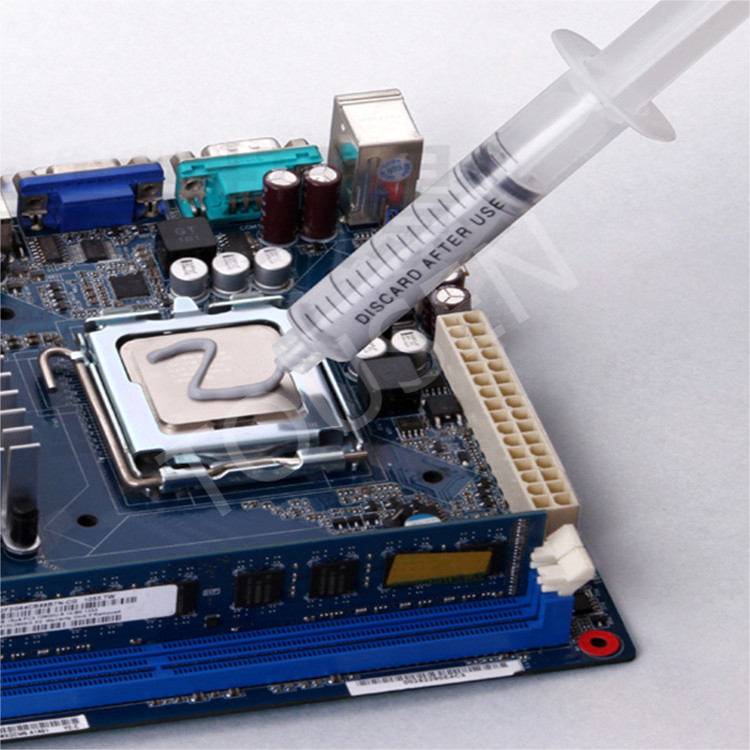
Key engineering advantages of TSAD90 Plus include:
- High Thermal Efficiency: Optimized formulation delivers low thermal resistance compared to many consumer-level best buy thermal paste products.
- Long-Term Stability: Designed to resist pump-out and material degradation under repeated thermal cycling.
- Broad Material Compatibility: Excellent wetting behavior on aluminum, copper, and ceramic substrates without corrosion risk.
- Validated Performance: Supported by laboratory testing and field deployment data across industrial environments.
Compared with generic best thermal compound products aimed at consumer markets, TSAD90 Plus provides a more predictable and controlled thermal interface for professional engineering systems.
5. Common Misconceptions in Thermal Paste Selection
Overemphasis on Conductivity Numbers
High conductivity alone does not guarantee optimal performance. Bond line thickness, application method, and surface flatness all influence the actual thermal resistance of a heatsink paste.
Ignoring Environmental Conditions
Operating temperature range, humidity, vibration, and service life requirements should always influence the selection of a best buy thermal paste solution.
Inconsistent Application Processes
Even the highest-rated best thermal compound can underperform if application thickness and coverage are not properly controlled. Standardized installation procedures are essential for consistency.
6. Conclusion
Selecting the right thermal paste is a technical decision grounded in physics, testing methodology, and real-world validation. Keywords such as best buy thermal paste, best thermal compound, and heatsink paste provide a useful starting point, but engineering judgment must always prevail.
TSAD90 Plus demonstrates how a professionally engineered thermal paste can deliver stable, efficient, and reliable thermal performance across demanding applications. Engineers seeking long-term thermal stability and predictable heat transfer performance are encouraged to evaluate this solution through practical testing and system-level verification.
For additional technical data or application support, please contact our engineering team for further consultation.
Engineering Guide to Thermal Paste for CPU Performance
Best Thermal Paste Guide: How to Apply Thermal Paste Correctly
Related Article