Thermal Interface Materials for Security Devices|TOUSEN
Thermal Interface Materials for Security Devices: Challenges and Material Pathways
Executive summary
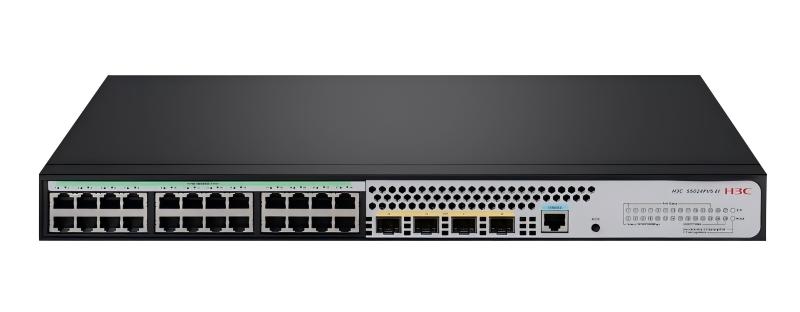
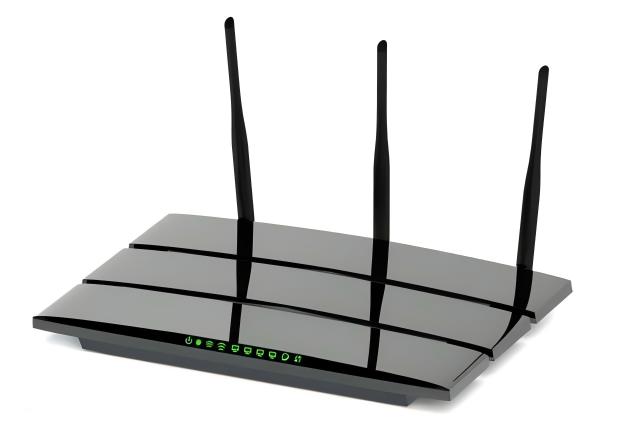
Security systems are evolving from simple image capture units into compact, always-on computing platforms. Higher-resolution sensors, onboard AI inference, and dense multi-channel routing raise local power density while available enclosure volume shrinks. This white paper analyzes the role of thermal interface materials (TIMs) in contemporary security devices, identifies industry pain points, and outlines material strategies that balance thermal performance with cleanliness and long-term reliability. The discussion integrates three material approaches validated for surveillance applications: TOUSEN AF800 (non‑silicone thermal pad), TOUSEN SP205A‑60 (phase‑change thermal material) and a TOUSEN metal phase‑change thermal conductive sheet.
1. Background: why TIMs matter more now
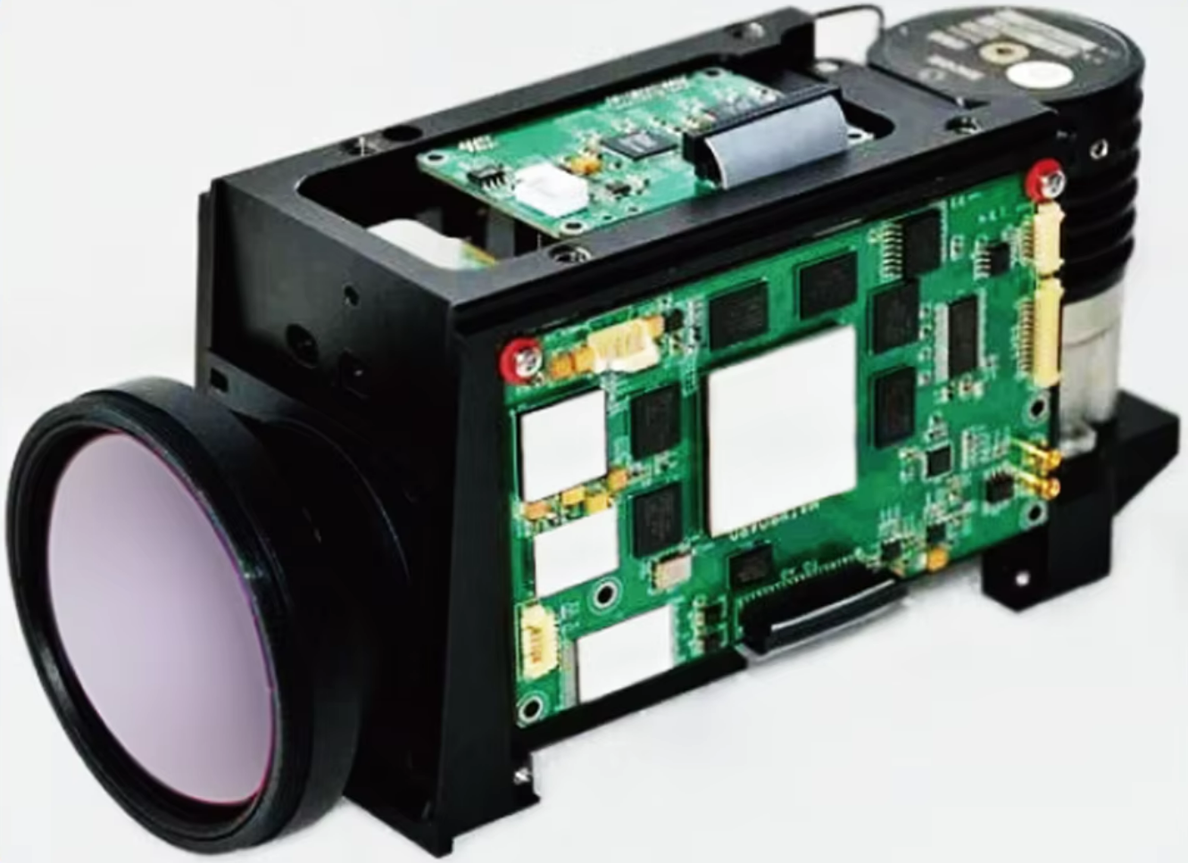
Modern surveillance devices place greater computational load on SoCs, ISPs and associated memory, creating concentrated heat sources within compact housings. At the same time, many products adopt sealed, fanless enclosures for reliability and noise reduction, which restricts convective cooling. In this constrained environment, the thermal resistance across interfaces between heat-generating components and the chassis (or dedicated heat spreaders) becomes a dominant limiter of thermal performance.
TIMs provide the thermal pathway across asperities and small gaps; therefore, their effective contact performance — not only the bulk material conductivity — determines device junction temperature under realistic compression and assembly conditions.
2. Industry pain points
- Contamination risk: Low molecular‑weight silicones in some traditional pads can migrate under heat and time, potentially fouling optical elements (lenses, IR windows) or sensitive PCB surfaces.
- Interface thermal resistance: Even materials with reasonable intrinsic conductivity can exhibit elevated contact resistance if compression, surface roughness, or assembly variability are not controlled.
- Hot‑spot management: Small-area, high‑power devices (AI cores, power drivers) demand local solutions that simple bulk pads may not deliver.
- Long‑term stability: Outdoor security equipment must tolerate thermal cycling, humidity and UV exposure; material softening, filler migration or adhesion loss degrades thermal performance over operational life.
3. Material pathways and engineering trade-offs
Three complementary TIM strategies address the primary technical demands of security applications: non‑silicone polymer pads for clean installations, phase‑change materials for low interface resistance, and metal‑based sheets for extreme thermal conductance.
TOUSEN AF800 — non‑silicone thermal pad
TOUSEN AF800 is formulated as a non‑silicone, polymeric thermal interface pad designed to eliminate the risk of silicone oil migration. With a reported in‑plane thermal conductivity equivalent to 8 W/m·K and a nominal contact thermal resistance of 0.2 °C·in²/W at 30 psi, material selection emphasizes cleanliness without sacrificing practical heat transfer in typical chassis‑to‑SoC applications. AF800 is suitable for optical‑sensitive zones such as lens housings, IR windows and nearby PCB areas where contamination must be avoided.

TOUSEN SP205A‑60 — phase‑change thermal material
Phase‑change materials offer a unique mechanism: they soften when the device reaches working temperature, conforming to micro‑scale surface unevenness and thereby reducing contact thermal resistance. TOUSEN SP205A‑60 has a bulk conductivity on the order of 6 W/m·K while delivering a measured contact thermal resistance near 0.015 °C·in²/W in its phase‑activated state. This behavior makes SP205A‑60 an effective choice where minimizing junction‑to‑case resistance is critical and where transient or sustained high local heat fluxes occur.

TOUSEN metal phase‑change thermal conductive sheet
For the most demanding thermal roles, metal‑based phase‑change sheets combine very high thermal conductivity with low contact resistance. The TOUSEN metal sheet family achieves bulk conductivities up to 70 W/m·K and contact resistances reported near 0.03 °C·in²/W. These materials approach the performance of bonded or soldered interfaces while retaining the mechanical compliance needed for assembly without rework. Use cases include direct thermal coupling to power amplifiers, high‑performance AI modules, and other heat‑intensive components where every degree of junction temperature reduction improves performance or reliability.

4. Recommended engineering practices
- Quantify interface resistance under assembly conditions: Request or measure Rth at specified compression and surface finishes rather than relying solely on intrinsic W/m·K numbers.
- Apply a hybrid approach: Partition the thermal strategy by function — use low‑outgassing non‑silicone pads near optical areas, phase‑change pads at hotspots, and metal sheets where extreme conductance is required.
- Define assembly tolerances: Specify compression range, fastener torque and surface preparation in BOM and assembly documentation to maintain consistent TIM performance.
- Validate long‑term behavior: Include thermal cycling, humidity and UV exposure in qualification tests to capture settlement, filler migration or changes in contact resistance over life.
Note: Material thermal performance is system dependent. Thermally characterize proposed TIMs within representative mechanical fixtures and operating profiles to confirm compliance with device thermal targets.
5. Conclusion
As surveillance and edge devices demand greater compute capability in ever‑smaller packages, TIM selection becomes a strategic engineering choice. Non‑silicone pads mitigate contamination concerns in optics‑sensitive regions; phase‑change materials reduce real‑world interface resistance for hotspots; and metal phase‑change sheets deliver near‑metallic conduction where necessary. Implementing a combination of these approaches, and governing their use with controlled assembly and qualification, offers a pragmatic path to reliable thermal performance across the device lifecycle.
High-Performance Silicone-Free Thermal Pads for Automotive LED Modules | TOUSEN
Advanced Silicone Thermal Pad Solutions for Automation | TOUSEN
Related Article