Thermal Compound Paste for CPU and GPU Cooling Solutions
Engineering Perspective on Thermal Interface Materials: The Critical Role of Thermal Compound Paste
In modern computing systems and industrial electronics, effective thermal management is no longer optional. As power densities continue to rise, the reliability and performance of hardware increasingly depend on the quality of the thermal interface between heat sources and cooling solutions. From an engineering standpoint, thermal compound paste is a fundamental element that directly influences system stability, component lifespan, and sustained performance under load.
Whether in data center servers, AI accelerators, professional workstations, or high-end gaming platforms, the efficiency of heat transfer from the processor or graphics core to the heat sink is largely determined by the properties of the interface material. This article examines the function of thermal interface materials, compares requirements for CPU and GPU applications, and introduces a professional-grade solution designed for demanding thermal environments.
What Is Thermal Compound Paste and Why It Matters
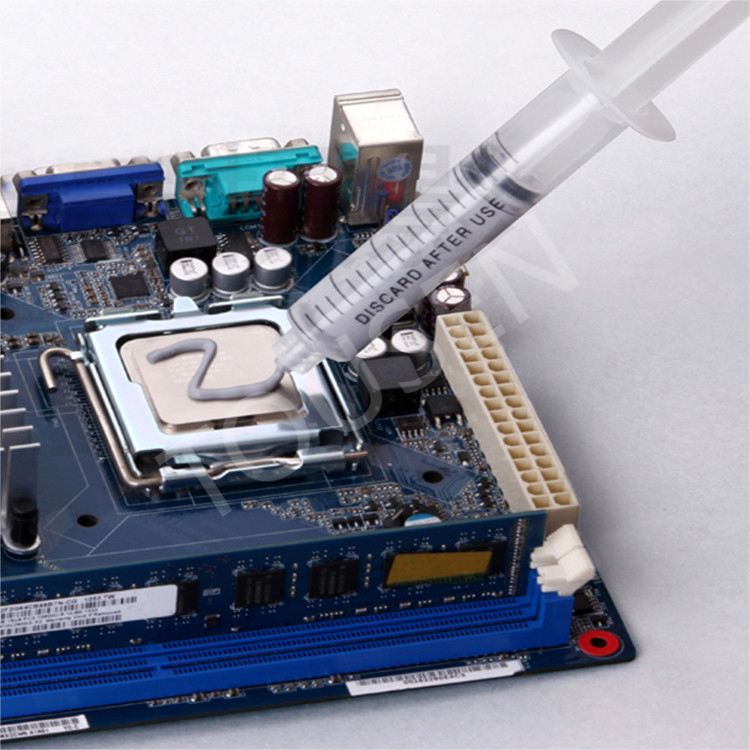
Thermal compound paste, commonly referred to as thermal grease or thermal paste, is used to fill microscopic air gaps between a semiconductor package and its cooling device. Even precision-machined metal surfaces are not perfectly flat at the microscopic level. These irregularities trap air, which is a poor conductor of heat and significantly increases thermal resistance.
By replacing air with a material of much higher thermal conductivity, thermal compound paste reduces interface thermal resistance and allows heat to flow efficiently into the cooling system. From a heat transfer perspective, the paste does not act as the primary heat path, but it enables effective contact that makes the entire thermal design viable.
Different Requirements for GPU and CPU Applications
While both processors and graphics chips rely on thermal interface materials, their operating characteristics and packaging structures create different engineering challenges. Selecting the appropriate gpu thermal paste or cpu cooler paste should be based on these application-specific factors.
GPU Thermal Interface Considerations
Modern GPUs operate with high power densities and often experience rapid thermal cycling during intensive workloads such as rendering or AI training. In addition, the die size, substrate layout, and surrounding memory modules can create uneven pressure distribution across the contact surface. Under these conditions, a high-quality gpu thermal paste must maintain consistent coverage, resist pump-out effects, and preserve thermal conductivity over long operating cycles.
Stability under sustained temperatures is critical. Degradation of gpu thermal paste can lead to localized hot spots, increased fan noise, and ultimately performance throttling or reduced hardware lifespan.
CPU Cooling Interface Requirements
In CPU cooling systems, the thermal interface is responsible for transferring heat from the integrated heat spreader to the cooling block or heat sink. A well-formulated cpu cooler paste must offer low thermal resistance, consistent viscosity, and predictable spreading behavior under mounting pressure.
For both workstation and server environments, the long-term reliability of cpu cooler paste directly affects thermal stability, particularly during continuous high-load operation. Material drying or separation over time can gradually increase interface resistance and compromise cooling performance.
Key Engineering Parameters for Evaluating Thermal Compound Paste
From a materials engineering perspective, selecting thermal compound paste should involve a balanced evaluation of several performance parameters rather than focusing on a single advertised metric.
Thermal Conductivity
Thermal conductivity, measured in W/m·K, reflects how efficiently heat can pass through the material. Higher values generally indicate better heat transfer capability. In high-performance systems, thermal compound paste with higher conductivity can contribute to measurable reductions in junction temperatures for both CPUs and GPUs.
Thermal Resistance at the Interface
Practical cooling efficiency depends on the total thermal resistance across the interface, which is influenced not only by material conductivity but also by bond line thickness and surface wetting characteristics. A well-designed thermal compound paste should form a thin, continuous layer that minimizes contact resistance.
Application Properties and Consistency
For manufacturing and maintenance environments, consistent viscosity and controlled flow behavior are essential. Thermal compound paste should spread evenly under mounting pressure without excessive bleed-out or void formation, ensuring reliable and repeatable assembly quality.
Long-Term Stability
In continuous-operation systems such as servers and industrial controllers, thermal interface degradation can become a limiting factor for service intervals. High-quality thermal compound paste should resist oil separation, drying, and hardening under prolonged thermal exposure.
Performance Evaluation in Practical CPU and GPU Testing
In controlled laboratory evaluations comparing multiple thermal interface materials, higher-performance thermal compound paste formulations consistently demonstrate lower steady-state temperatures under full-load conditions. On high-power CPUs, improved interface materials can reduce core temperatures by several degrees Celsius, which directly impacts thermal headroom and operating stability.
Similar trends are observed in GPU stress testing. Systems using optimized gpu thermal paste show more stable temperature curves during extended workloads, reducing the likelihood of frequency throttling and improving overall system reliability.
Professional Solution: ITOUSEN TS-AD66 Thermally Conductive Paste
For engineers seeking a balanced combination of performance, reliability, and manufacturability, the ITOUSEN TS-AD66 Thermally Conductive Paste is designed to meet the demands of modern thermal management systems. It is suitable for use as both gpu thermal paste and cpu cooler paste in high-performance environments.
Technical Advantages
- High thermal conductivity: Optimized filler composition enables efficient heat transfer across the interface, supporting stable operation under high thermal loads.
- Low interface resistance: The formulation promotes thin bond lines and uniform surface wetting, reducing overall thermal impedance.
- Long-term material stability: Designed to resist oil separation and drying, maintaining consistent thermal performance over extended service life.
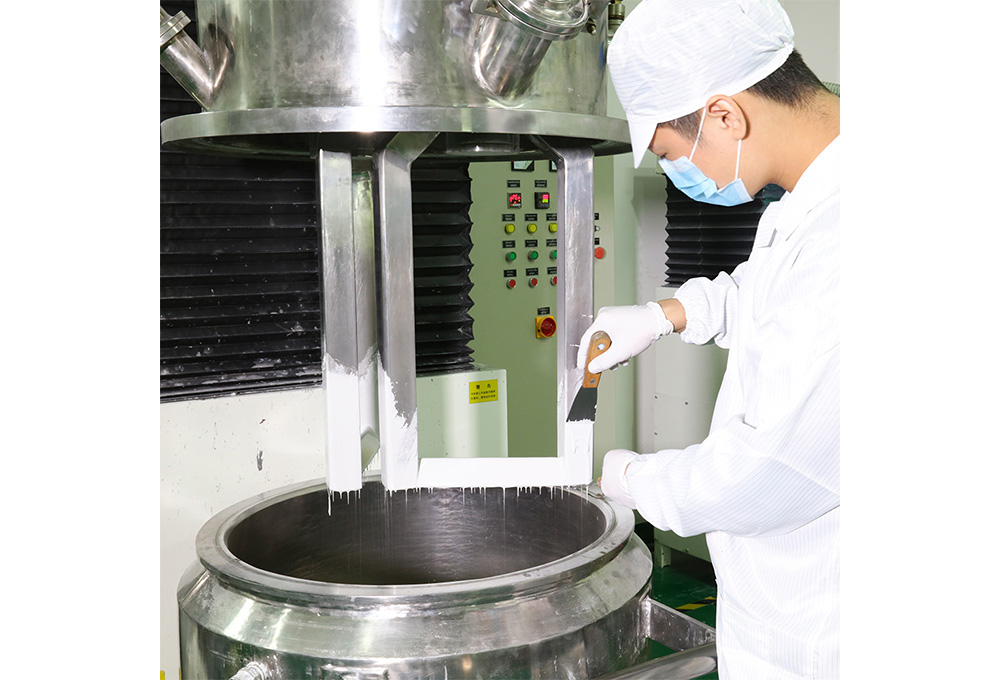
- Process-friendly application: Controlled viscosity allows reliable dispensing and spreading, supporting both automated and manual assembly processes.
From an engineering design perspective, TS-AD66 integrates well into standard cooling architectures and does not require changes to mounting structures or pressure specifications. This makes it suitable for both original equipment manufacturing and maintenance or upgrade scenarios.
Conclusion: Thermal Interface Materials as a System-Level Design Factor
Effective cooling is the result of system-level optimization rather than isolated component selection. While heat sinks, fans, and liquid cooling loops receive much of the attention, the interface layer remains a critical bottleneck if not properly engineered. High-quality thermal compound paste enables the rest of the cooling system to perform as designed.
Whether selecting cpu cooler paste for processor thermal management or specifying gpu thermal paste for graphics-intensive workloads, engineers should prioritize materials that provide consistent thermal performance, mechanical stability, and long-term reliability. As power densities continue to increase, the importance of advanced thermal interface materials will only grow.
For applications requiring dependable and repeatable thermal performance, professional-grade solutions such as ITOUSEN TS-AD66 offer a practical balance of thermal efficiency, durability, and production compatibility, making them a strong candidate for modern electronic thermal management designs.
Thermal Grease Guide How to Apply and Choose CPU Paste
How Much Thermal Paste on CPU for Optimal Cooling Performance
Related Article