Thermal Paste for Servers-Engineering Cooling Guide
Engineering Perspective: Selecting Thermal Paste for High-Performance Server Applications
In modern data centers and enterprise computing environments, thermal management is no longer a secondary design consideration—it is a primary determinant of system stability, efficiency, and long-term reliability. As server processors continue to increase in power density, the performance of the thermal interface between the chip and heat sink becomes critically important. From an engineering standpoint, selecting the right thermal paste or thermal grease can significantly impact overall thermal resistance, system uptime, and hardware lifespan.
This article provides a technical and objective analysis of thermal paste technologies in server applications, including discussion of well-known market references such as thermal grizzly, while outlining best practices for industrial deployment.
Understanding Thermal Paste and Thermal Grease in Server Systems
In server hardware design, the interface between the processor integrated heat spreader (IHS) and the heat sink base is never perfectly flat. Even precision-machined surfaces contain microscopic irregularities. When left unaddressed, these gaps trap air—an extremely poor thermal conductor—which increases interface thermal resistance.
Thermal paste (often referred to interchangeably as thermal grease) is formulated to fill these microscopic voids. By displacing air and establishing a continuous thermal conduction path, it dramatically improves heat transfer efficiency between mating surfaces.
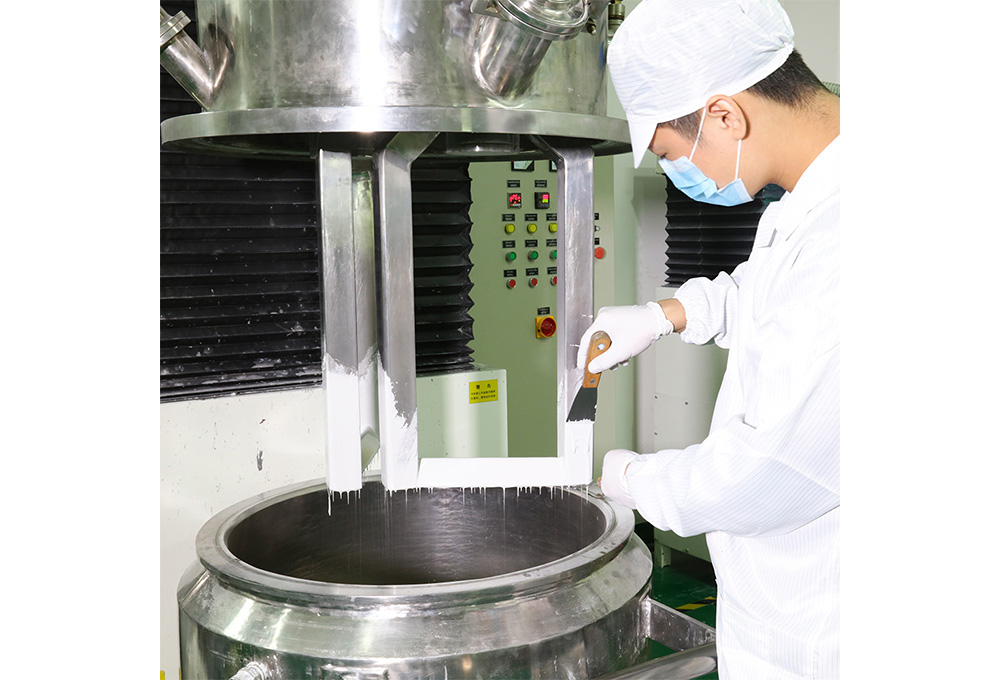
While the terms are often used synonymously, thermal grease typically describes a silicone- or synthetic oil-based compound loaded with thermally conductive fillers such as metal oxides or ceramic particles. In high-reliability server applications, both thermal paste and thermal grease must demonstrate consistent viscosity, strong surface wetting, and long-term material stability.
Why Thermal Paste Selection Is Critical in Server Environments
Enterprise servers operate under sustained high-load conditions. CPUs, GPUs, and accelerators in AI or virtualization clusters may run near maximum thermal design power (TDP) for extended periods. Even minor increases in junction temperature can lead to:
- Thermal throttling and reduced performance
- Increased power consumption
- Accelerated component aging
- Unexpected downtime
Because the thermal interface layer sits directly in the primary heat transfer path, the quality of the thermal paste directly influences overall cooling efficiency. A poorly selected thermal grease can negate the benefits of high-end heat sinks or advanced airflow engineering.
Key Technical Parameters for Evaluating Thermal Grease
1. Thermal Conductivity
Thermal conductivity (W/m·K) is often the first specification engineers review when comparing thermal paste products. Higher conductivity values generally indicate improved heat transfer capability. However, published values should be evaluated critically and verified through controlled testing.
2. Thermal Resistance
In practical server applications, interface thermal resistance provides a more accurate measure of real-world performance than conductivity alone. Application thickness, mounting pressure, and surface flatness all influence effective thermal resistance.
3. Electrical Insulation
Unlike certain enthusiast-grade materials, industrial server applications typically require non-conductive formulations. Electrical insulation reduces the risk of short circuits and enhances system safety.
4. Long-Term Stability
Servers are designed for continuous operation. Thermal grease used in these environments must resist pump-out, dry-out, and phase separation under repeated thermal cycling.
Market Reference: Evaluating Thermal Grizzly in Context
Among performance-focused thermal interface materials, thermal grizzly products are widely recognized in enthusiast and overclocking communities. These formulations are often engineered for low thermal resistance and high peak conductivity.
From an engineering perspective, however, data center deployment requires broader qualification criteria beyond benchmark conductivity values. While thermal grizzly products may perform well in short-term or performance-driven environments, server-grade validation must include:
- Extended thermal cycling tests
- Compatibility with industrial mounting pressures
- Material aging analysis
- Compliance with reliability standards
Therefore, while thermal grizzly serves as a useful market comparison point, enterprise decision-making should rely on application-specific validation data.
Engineering Best Practices for Applying Thermal Paste in Servers
Even high-performance thermal paste can underperform if improperly applied. For server assembly and maintenance, recommended practices include:
- Controlled dispensing volume to ensure optimal bond-line thickness
- Consistent mounting pressure across all fasteners
- Surface cleaning with appropriate solvents prior to reapplication
- Verification through post-installation thermal profiling
Proper process control ensures that the selected thermal grease delivers its intended performance characteristics.
Industrial-Grade Solution: TSAD66-P Thermally Conductive Paste
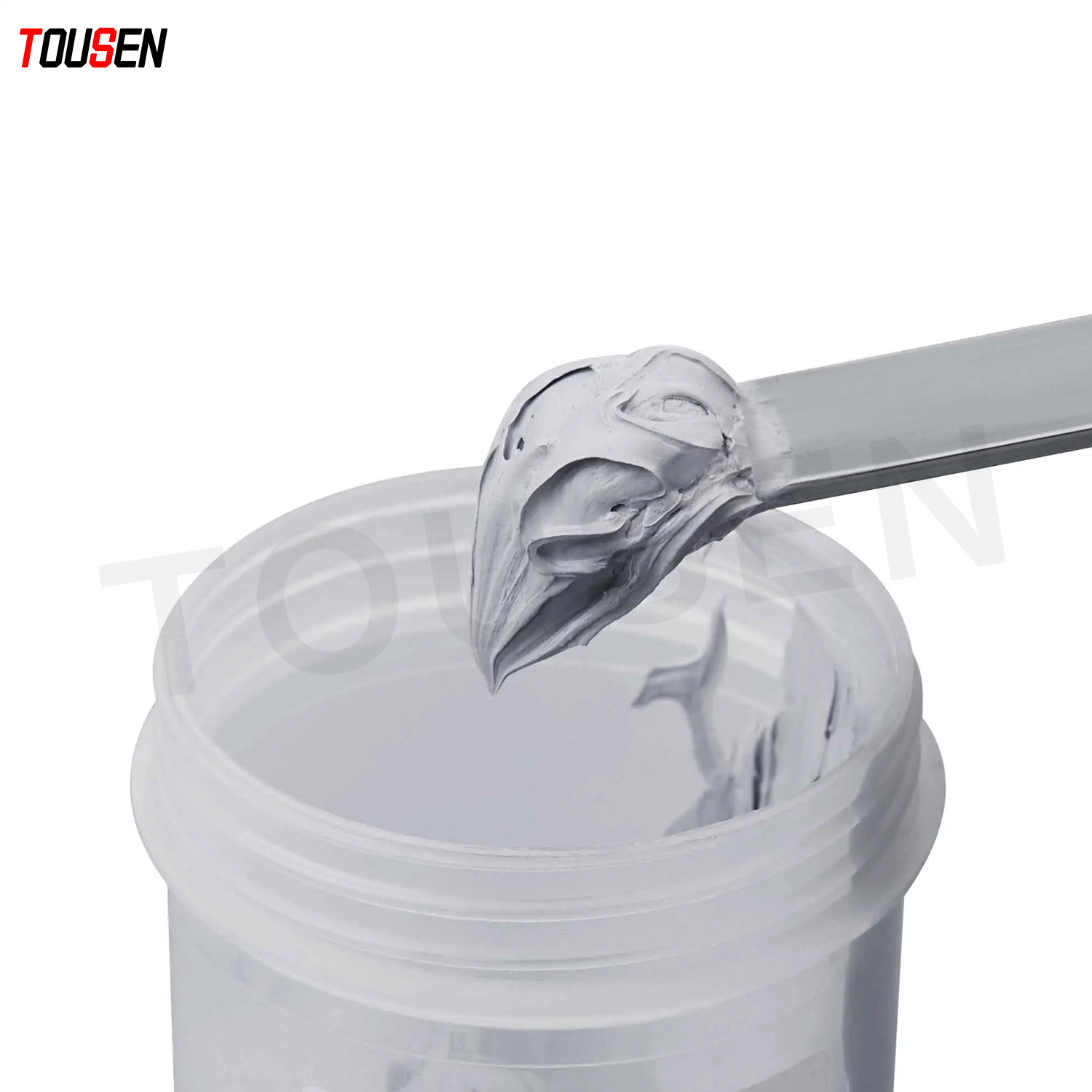
For server manufacturers and system integrators seeking a balance of thermal performance, electrical safety, and long-term stability, the TSAD66-P Thermally Conductive Paste offers a purpose-built solution for industrial applications.

Key advantages include:
- High thermal conductivity optimized for server CPU and GPU interfaces
- Low interface thermal resistance under controlled bond-line thickness
- Excellent dielectric properties for enhanced system safety
- Strong resistance to pump-out under thermal cycling
- Compatibility with automated dispensing processes
Unlike consumer-focused thermal paste products, TSAD66-P is engineered for reliability in 24/7 operating environments. It is suitable for enterprise servers, storage systems, networking hardware, and other high-density electronic assemblies requiring stable thermal grease performance over extended service life.
Conclusion: Thermal Interface Materials as a Strategic Engineering Decision
In high-performance server architecture, thermal management is a system-level discipline. While processors and cooling hardware receive the most attention, the thermal paste layer remains a decisive factor in overall efficiency.
Whether evaluating popular brands such as thermal grizzly or specifying an industrial-grade thermal grease solution, engineers should prioritize validated thermal resistance data, long-term reliability, and application-specific testing.
Selecting the appropriate thermal paste is not about choosing the highest advertised conductivity—it is about ensuring consistent, measurable performance within the real constraints of enterprise deployment. By approaching thermal interface selection with technical rigor and objective evaluation, organizations can significantly improve system reliability and operational stability.
Thermal Paste - Thermal Grease for AI Cooling
Thermal Paste vs Thermal Grease- Engineering Insights
Related Article